

We may earn a commission when you buy through links on this page, at no extra cost to you. Learn more.
How long does white wine last unopened? Most whites are meant to be drunk within a year or so of bottling, and they keep longest when stored cool, dark and still sealed. Light, crisp whites are at their best early, while fuller, oaked or well-structured whites can develop for longer. The exact window depends on the wine’s style, the producer and how the bottle was kept before it reached you.
This guide answers the question directly, then explains how wine style, storage and bottle condition change the answer. It is written for shoppers who bought a bottle for a future dinner and want to know whether it will still taste right when they open it.
What “unopened” really means for white wine
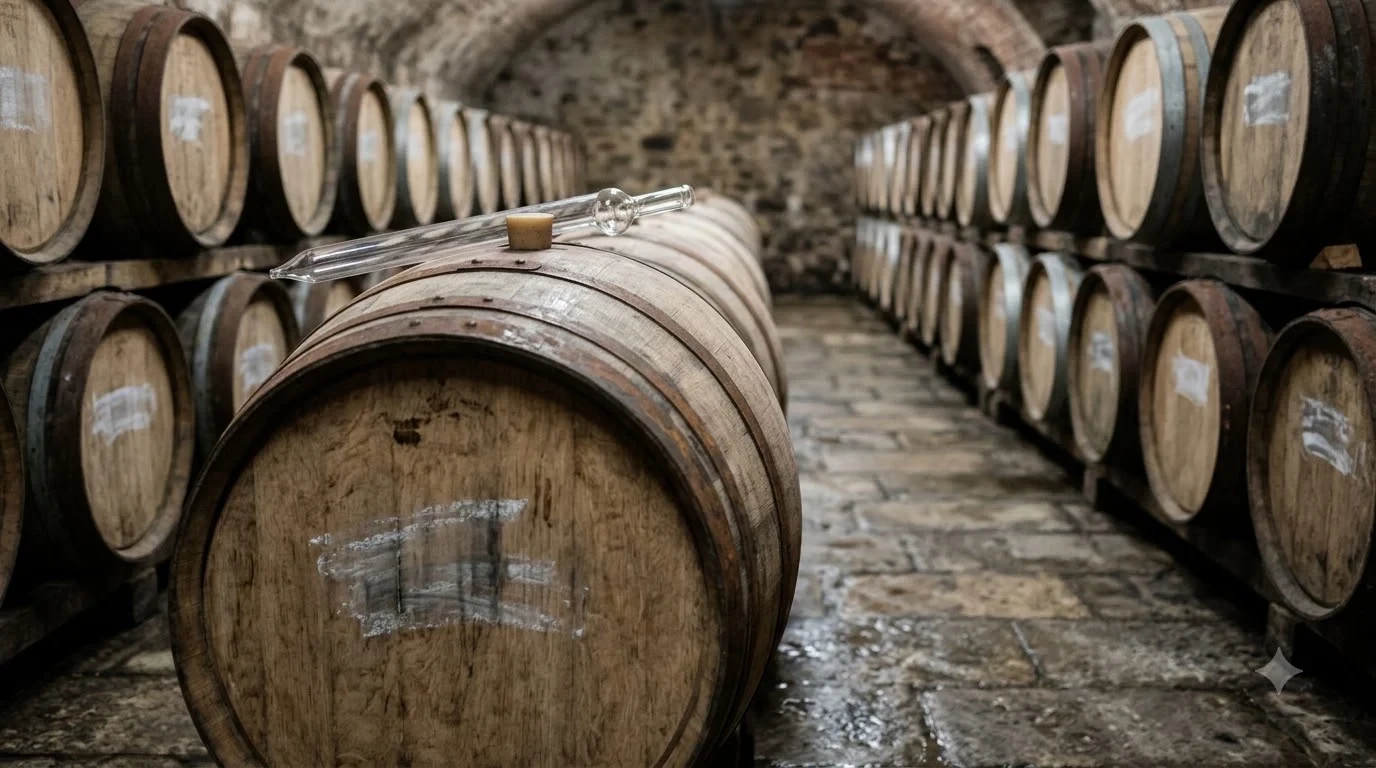
An unopened bottle keeps its wine protected from air, which is the main threat to freshness. The cork or screw cap seals the wine, and the glass keeps out most light. In practice, the wine inside changes slowly even when it stays closed, so the question is less about whether it will spoil overnight and more about how long it will taste the way the winemaker intended.
The Wikipedia article on wine makes the key point clearly. Most wine is intended to be drunk within a year of bottling, although many wines improve with age when they are made for that purpose. The reference also notes that wines can decline if they are stored poorly, for example in strong light or heat.
How long light white wines keep
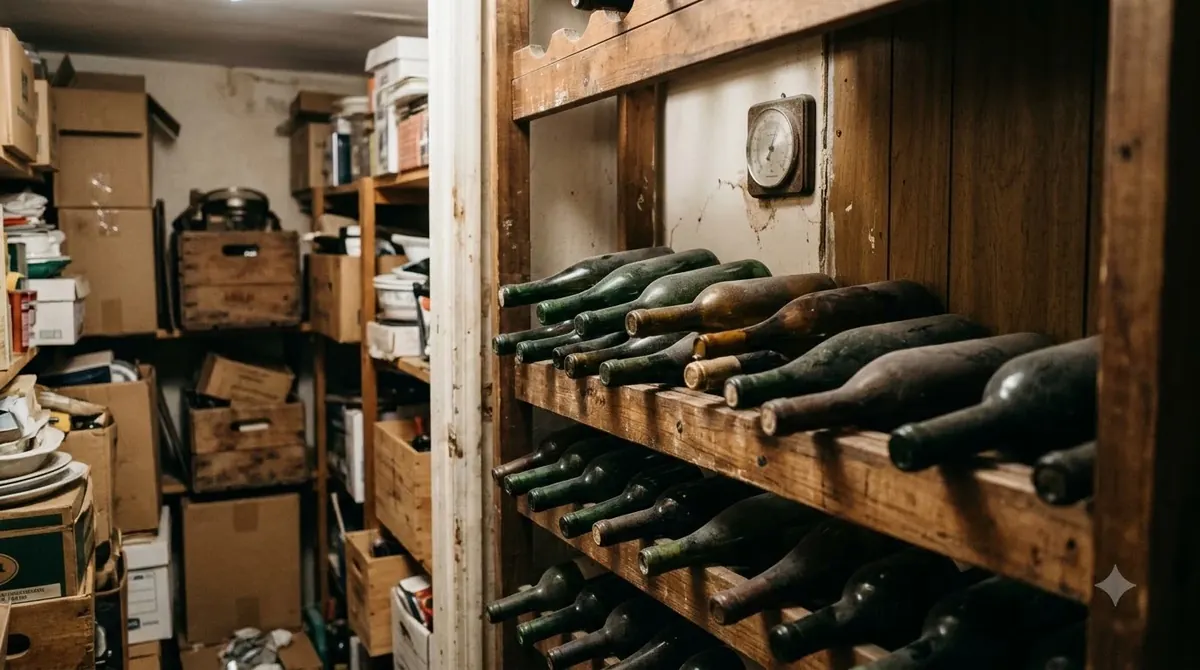
Light, crisp whites are made to be fresh and fruity. They usually have bright acidity, little or no oak and aromas of citrus, green apple, melon or flowers. For this group, the best time to drink is soon after release, and the wine is often at its most lively in the first year or two after the vintage. Waiting much longer can dull the fruit and make the wine taste flat.
That does not mean a light white becomes unsafe after a long wait. It simply loses the brightness that made it appealing. If you bought a crisp white from a recent vintage and it has been stored well, you can still open it and enjoy it, but you should not expect the sharp aromas of a young bottle.
If you enjoy wines with a bit more richness, you may want to compare them with what malbec tastes like, a red that often gives a different sense of age and structure. The contrast helps show why a white’s style changes the storage question.
How long richer whites keep
Fuller whites are a different case. Wines made with more body, more extract or some oak aging often have the structure to develop over several years in the bottle. Reference sources describe how flavors can develop in the bottle over many years for top-quality wines, which is why some producers release them after a period of bottle aging.
Even with this group, there is no single safe date. Two bottles from the same vintage can age differently, because storage conditions vary and small differences in the bottle matter. The wine may also be released before its peak, so a bottle that seems young may have a longer life ahead.
| White wine style | Typical keeping approach |
|---|---|
| Light, crisp, unoaked | Drink soon after release, usually within the first year or two |
| Medium-bodied, fruit-forward | Good for a short hold, but fruit fades over time |
| Full-bodied or oaked | Can develop for several years when well stored |
| Sweet dessert whites | Often keep longer, especially with high sugar and acidity |
Tip: If the label or the producer’s website gives a recommended drinking window, follow it. That information is more useful than a general rule.
Storage conditions that shorten shelf life
Storage is where most bottles lose their quality. Heat is the biggest enemy. A bottle kept in a hot car, a sunny kitchen or near an oven will age faster than one kept in a cool room. Light is the second issue, because strong light can damage the wine over time, which is why many bottles come in colored glass. Vibration and frequent temperature swings also matter, since they can stress a bottle and affect the seal.
Position matters less than many shoppers think. Bottles are often stored on their sides to keep the cork moist, but a screw-cap white does not need that step. What matters more is a steady, cool temperature and a dark place. A basement, a closet away from appliances or a wine fridge set to a constant temperature all work well.
Signs a white wine has gone bad
An unopened white can still show signs of decline, even if it is not dangerous. Look at the cork or the capsule first. A bulging cork, a leaking seal or a stained neck can point to heat damage or a failed closure. Once opened, pay attention to the smell. A fresh white should smell of fruit and flowers. A dull, sherry-like or vinegar-like note means the wine has oxidized or spoiled.
Color also gives a clue. A pale straw white may darken with age, and a deep gold color in a young wine can suggest heat exposure. Color alone does not prove the wine is bad, but when combined with a flat taste, it is a good reason to be cautious. If you are unsure, open a small amount and compare it with a fresh bottle of the same style.
How to store unopened white wine
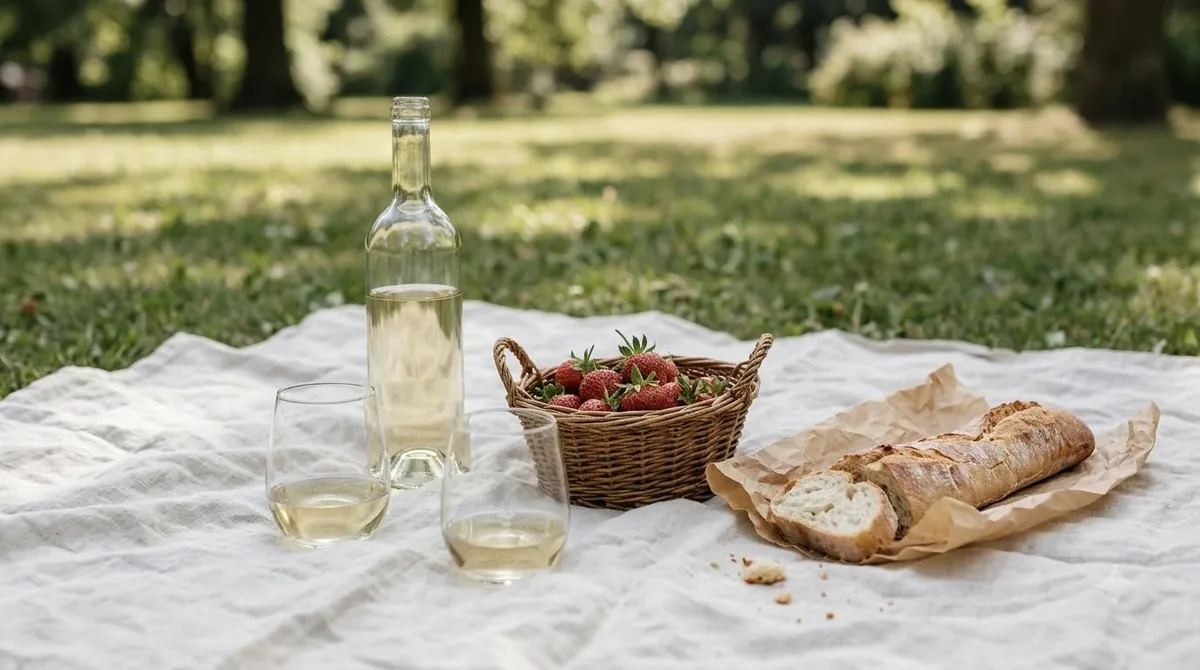
Store unopened bottles in a cool, dark place with a steady temperature. Keep them away from heat sources, direct sun and the top of the refrigerator, where motor heat can rise. A wine fridge or a cellar corner works well for longer holds, while a closet in a temperate room is fine for a few weeks.
Keep a simple record of the vintage and the date you bought the bottle. That habit makes it easier to decide when to open each wine. Drink the crisp, early whites first, and save the fuller, oaked whites for later. If you are building a small collection, rotate the stock so the oldest bottles are opened first.
Once you understand the style and the storage conditions, the answer becomes practical. Most white wines are best within the first year or two, while fuller whites can wait longer. For a broader view of how different wine families behave, the Wine by Type section groups bottles by style and helps you plan what to open next.
Frequently Asked Questions
How long does white wine last unopened?
Most white wines are meant to be drunk within a year or so of bottling. Light, crisp whites are best early, while fuller or oaked whites can develop for several years when stored well.
Does unopened white wine go bad?
It does not spoil quickly while sealed, but it can decline. Heat, strong light and poor storage can flatten the fruit and dull the aromas over time, even though the bottle looks fine.
Where should I store an unopened bottle of white wine?
Choose a cool, dark place with a steady temperature. Avoid hot cars, sunny windows and the top of the refrigerator, and keep the bottle away from strong vibration.
Can sweet white wine last longer than dry white wine?
Often yes. Sweet dessert whites with high sugar and acidity tend to keep longer than light dry whites, though the producer’s guidance and storage conditions still matter most.
Unopened white wine is a forgiving purchase when you store it well and match the bottle to its style. Drink the light, fresh whites early, give the richer ones more time, and check the bottle for signs of heat damage before you open it.
More in Wine Types & Grapes
 Zinfandel Sugar Content: Dry Red vs. White Zinfandel GramsUpdated Nov 21, 2026
 Best Zinfandel Substitute Options for Sipping and CookingUpdated Nov 21, 2026
 Zweigelt Food Pairing: Best Dishes, Cheeses, and Serving TipsUpdated Nov 21, 2026
 Zinfandel Tannins Explained: How Structure Shapes Every BottleUpdated Nov 21, 2026
 Zinfandel Sweetness Level: Dry Red vs. Sweet White Zin ExplainedUpdated Nov 21, 2026
 Xinomavro Food Pairing: Best Dishes, Styles, and Serving TipsUpdated Nov 21, 2026