

We may earn a commission when you buy through links on this page, at no extra cost to you. Learn more.
A pinot grigio cocktail is a drink built on pinot grigio wine, which brings crisp acidity, light fruit, and a clean finish that suits mixing. Because pinot grigio is usually dry and lively, it works well in spritzes, sangrias, and simple fruit drinks. The key is to pick a style that matches the drink, then balance the wine with fresh fruit, herbs, or a light sparkling element.
Pinot grigio is one of the most common white wines, and that makes it a convenient base for drinks at home. It is easy to find in most wine shops, and its bright acidity keeps mixed drinks from tasting flat. This guide covers which pinot grigio styles suit cocktails, how to build simple drinks with them, and how to keep the result balanced.
What makes pinot grigio suited to mixing
Pinot grigio, also known as pinot gris in some regions, is a white grape that shows a wide range of styles depending on where it is grown. Wine Folly describes the flavor as white peach, lemon zest, and cantaloupe, with a green almond note and a sense of crushed gravel. Its acidity is listed as medium-high, which is the main reason it holds up well in a mixed drink.
That acidity matters because cocktails often include fruit juices, sparkling water, or sweeteners. A wine with good acid keeps the drink lively and stops it from tasting heavy. Italian pinot grigio, in particular, is described as light-bodied and crisp, which makes it a natural fit for drinks that should taste refreshing rather than rich.
Choosing the right pinot grigio style
Not all pinot grigio tastes the same, and that affects how it works in a drink. Italian versions are usually dry and lean, with bright acidity and a light body. Alpine styles from Alto Adige can show more ripe stone fruit and a fuller texture. Friuli is known for ramato, a skin-contact style with more color and structure. Alsace wines tend to be fuller-bodied, and Oregon versions often show more fruit with less acidity than European counterparts.
For most simple cocktails, a crisp Italian-style pinot grigio is the easiest starting point. Its lightness lets the mixer shine, and its acidity keeps the drink fresh. If you want something richer, an Alsace or Oregon style can add body, but it will need a mixer with some sharpness to avoid a heavy result. Reading the label for the region is a quick way to predict the style.
If you want a sweeter base, check the sugar level before you mix. Pinot grigio can be dry or sweet depending on the producer and the climate. Cooler growing regions often produce wines with more acid and a sharper profile, while warm regions can yield fuller, more alcoholic wines. For a more detailed look at sweetness levels, the guide on pinot grigio sugar content explains how to tell which style you are buying.
Simple pinot grigio cocktail ideas
The most straightforward pinot grigio drink is a spritz. Combine the wine with sparkling water and a citrus wedge, then add ice and a few fresh herbs. This version is light, dry, and easy to share. For a fruitier drink, add sliced pear, apple, or peach, which echoes the wine’s natural orchard fruit notes.
A pinot grigio sangria works well for a group. Use a dry or lightly fruity bottle, add chopped seasonal fruit, and let it sit in the refrigerator for an hour before serving. Add a splash of sparkling water or soda just before pouring. Because the wine is crisp, the sangria stays refreshing instead of turning syrupy, which is a common problem with sweeter bases.
If you want something with a bit more character, try a pinot grigio and herb drink. Muddle a few basil or mint leaves with citrus, add the wine, and top with sparkling water. The herbs add an aromatic lift that pairs well with the wine’s green almond and gravel notes. For a comparison with another light white base, a moscato cocktail uses a sweeter wine and needs a sharper mixer to stay balanced.
Balancing acidity and sweetness in a mixed drink
The two main variables in any pinot grigio drink are acidity and sweetness. Pinot grigio already brings acidity, so the mixer should either match it or add gentle sweetness. Fresh juice from pear, apple, or citrus usually works well, while heavy syrups can overwhelm the wine. A few drops of a simple syrup, added to taste, is a better approach than pouring in a large amount at once.
Bitters and herbs can also add balance without extra sugar. A light herbal note cuts through a sweet fruit mixer, and a touch of bitterness can make the finish feel cleaner. The goal is a drink where the wine is noticeable but not the only flavor. If you find the drink too tart, add more fruit or a bit of sparkling water rather than more sugar.
Serving temperature and glassware
Serving temperature matters for pinot grigio in any drink. Wine Folly recommends serving the wine between 45 and 55 degrees Fahrenheit, or 7 to 12 degrees Celsius. Chill the wine before mixing, and keep the glasses cold too. A cold drink tastes crisper, and the acidity shows its best side.
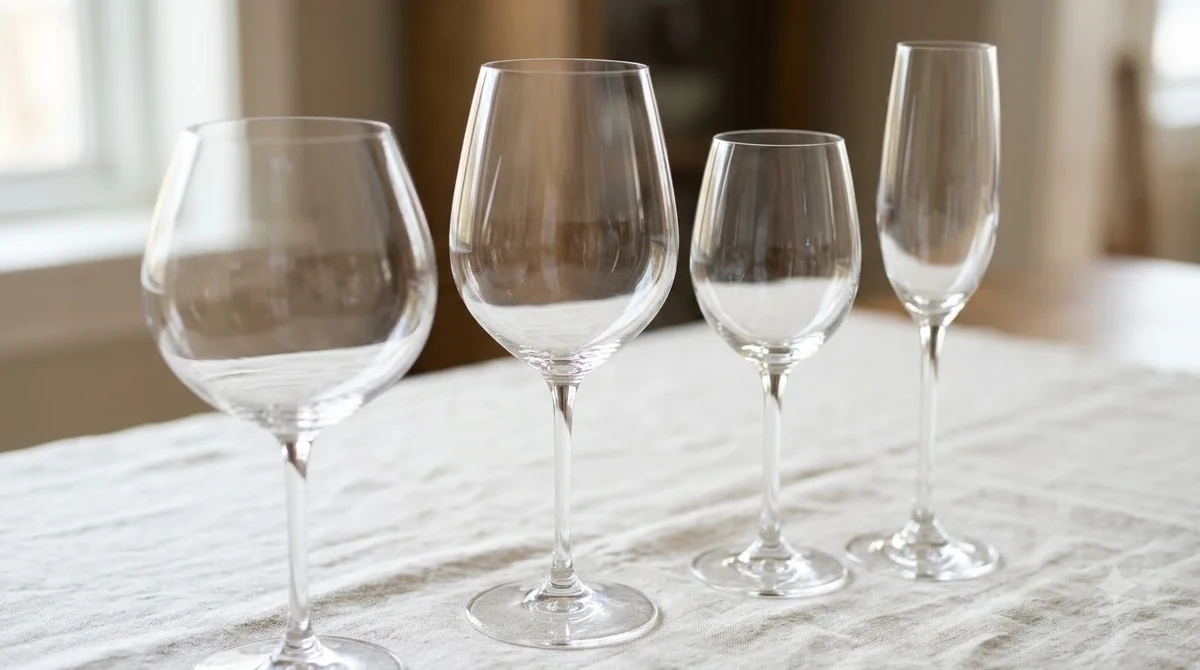
A white wine glass works well for still drinks, while a tall glass suits spritzes and sangrias. Ice should be added at the end so it does not dilute the wine too quickly. For parties, a large pitcher keeps the drink cold and makes it easy to refill, but add any sparkling element just before serving to keep the bubbles lively.
Food pairings for pinot grigio drinks
Pinot grigio drinks pair well with light, fresh food. Seafood, salads, and mild cheeses are natural matches, and the crisp acidity cuts through oily or rich dishes. Roast chicken and pork work well with fuller styles, while lighter drinks suit appetizers such as bruschetta or fresh vegetables with dip.
| Drink style | Best food match |
|---|---|
| Dry spritz with citrus | Seafood, cucumber salad, goat cheese |
| Pear or apple sangria | Charcuterie, soft cheese, fruit tart |
| Herb-muddled pinot grigio | Grilled chicken, light pasta, bruschetta |
| Fuller-bodied style, lightly chilled | Roast pork, roast chicken |
When you plan a menu around a pinot grigio drink, match the intensity of the drink to the food. Light, herbal drinks suit light food, and richer, fruitier versions can stand up to heartier dishes.
Common mistakes to avoid
The most common mistake is using a sugary mixer that hides the wine. A pinot grigio cocktail should taste like pinot grigio with a fresh accent, not like a soda with a splash of wine. Choose one sweet element, add acid if the drink feels flat, and taste as you go.
Another mistake is adding too much ice too early. Ice melts into the drink and makes it watery, especially in a sangria or punch. Add ice just before serving, or use a few large cubes that melt more slowly. A third mistake is using a very old or oxidized bottle, since the fresh fruit and acidity that make pinot grigio useful in mixing fade with time.
Frequently Asked Questions
What is the best pinot grigio for a cocktail?
A crisp, light Italian-style pinot grigio is usually the easiest choice. Its medium-high acidity and clean finish suit spritzes and sangrias, and it lets the mixer stay in the foreground.
Can you make a pinot grigio spritz with sparkling water?
Yes. Sparkling water is one of the simplest mixers because it adds lightness without sugar. Add a citrus wedge and some ice, and the drink stays crisp and refreshing.
Is pinot grigio too dry for mixed drinks?
Not usually. Dry pinot grigio is well suited to mixing because its acidity keeps drinks lively. If you want more sweetness, add fresh fruit or a small amount of simple syrup rather than choosing a heavier wine.
What fruit works best with pinot grigio?
Pear, apple, peach, and citrus are good choices because they echo the wine’s orchard fruit and citrus notes. Berries can also work in a sangria, though they make the drink a bit sweeter.
A pinot grigio cocktail is a flexible way to enjoy a familiar white wine. Start with a dry bottle, choose one fresh mixer, and keep the drink cold and light. For more background on how this wine fits among other whites, the Wine by Type guide is a good next stop, and you can read more about the grape in the Wine Folly pinot grigio profile.
More in Wine Types & Grapes
 Zinfandel Sugar Content: Dry Red vs. White Zinfandel GramsUpdated Nov 21, 2026
 Best Zinfandel Substitute Options for Sipping and CookingUpdated Nov 21, 2026
 Zweigelt Food Pairing: Best Dishes, Cheeses, and Serving TipsUpdated Nov 21, 2026
 Zinfandel Tannins Explained: How Structure Shapes Every BottleUpdated Nov 21, 2026
 Zinfandel Sweetness Level: Dry Red vs. Sweet White Zin ExplainedUpdated Nov 21, 2026
 Xinomavro Food Pairing: Best Dishes, Styles, and Serving TipsUpdated Nov 21, 2026