

We may earn a commission when you buy through links on this page, at no extra cost to you. Learn more.
Cabernet sauvignon carbs come mainly from any sugar left in the wine, and most dry cabernet sauvignon is made to contain very little of it. The grape’s typical profile is dry and full-bodied, so the bigger factor in how the wine feels is alcohol and body rather than sweetness. Exact carbohydrate figures depend on the bottle, so the label and the producer’s data are the most reliable sources.
This guide explains where carbohydrates in cabernet sauvignon come from, how the wine’s dry style affects its sugar content, and what to check on a label. It is written for readers who are comparing red wines and want a clear picture of the factors involved, without a single number that would not match every bottle.
What Cabernet Sauvignon Is and Where It Comes From
Cabernet Sauvignon is one of the most widely planted red grapes in the world. Wine Folly’s grape guide describes its origin as Bordeaux in France, in the Aquitaine region that is now called Nouvelle-Aquitaine. The page notes that the grape is a natural cross of Cabernet Franc and Sauvignon Blanc, a relationship that researchers at UC Davis identified in 1997.
That history matters for a practical reason. The grape has a thick skin, a high level of tannin and a firm structure, which is why winemakers usually make it dry. A dry style leaves little natural grape sugar in the finished wine. Sweet cabernet sauvignon exists, but it is the exception, and it is usually labeled or described as sweet on the bottle.
Where the Carbohydrates Come From
Carbohydrates in wine come mostly from residual sugar, which is the grape sugar that was not converted into alcohol during fermentation. Glycerol, a natural by-product of fermentation, also adds a small amount of body and sweetness-like texture, though it is not a carbohydrate in the same sense as sugar. In a dry cabernet sauvignon, the residual sugar is usually low, so the carbohydrate content tends to be low as well.
Fermentation is the main step that decides how much sugar stays behind. Winemakers can let the yeast work until nearly all the sugar is gone, which produces a dry wine, or stop the process early to keep some sweetness. For cabernet sauvignon the usual choice is the first, because the firm structure of the grape suits a dry finish. Other steps, such as oak aging and blending, do not add meaningful sugar in most cases.
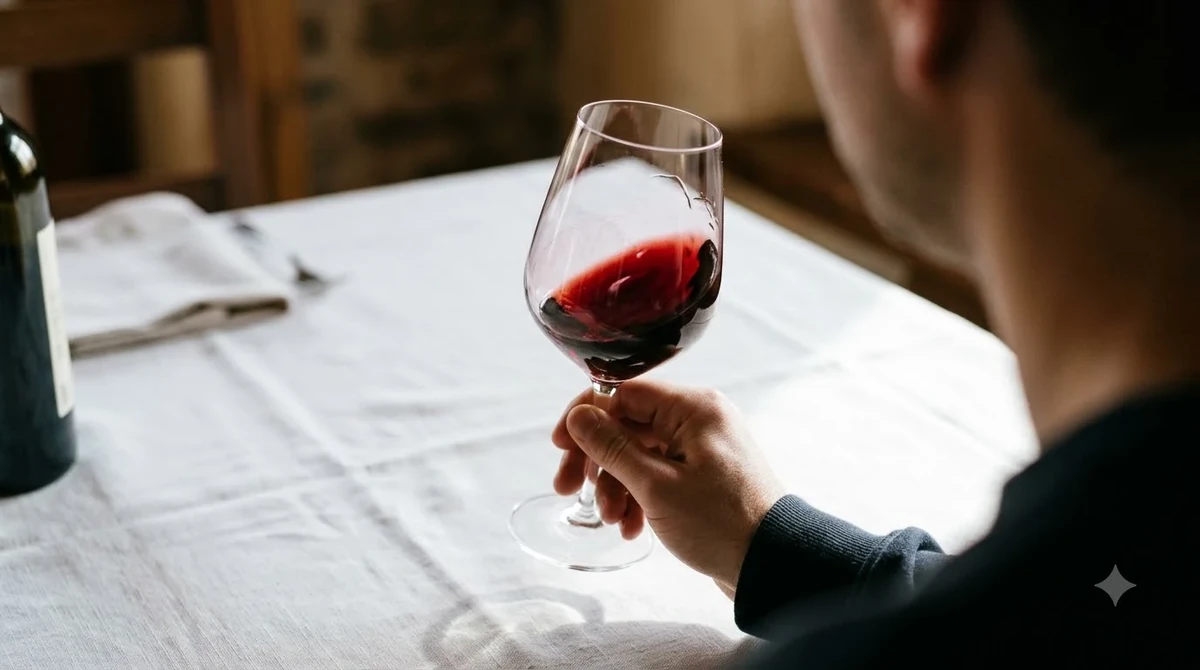
Alcohol is a different matter. It does not come from carbohydrates in the wine, but it does contribute energy and affects how the wine tastes and feels. A higher alcohol level usually makes the wine seem fuller and warmer on the palate, even when the sugar content is low. That is why two dry cabernets can taste quite different in weight while having similar levels of residual sugar.
The Wine Folly profile lists cabernet sauvignon at 13.5 to 15 percent alcohol by volume, which is on the higher side for red wine. The guide does not give a residual sugar figure, and it describes the wine as dry. It also does not list carbohydrate or calorie content, so those numbers need to come from a nutrition database or the producer rather than from a general grape guide.
How Dry Style and Tannin Shape the Experience
Cabernet sauvignon is known for its firm tannins and medium-high acidity, both of which shape how a wine feels in the mouth. Wine Folly rates tannin and acidity as medium-high for this grape. Tannins give the wine its drying grip, while acidity keeps it fresh. Because these elements make the wine taste structured, a dry cabernet can seem less sweet than it actually is, even when a fruity bottle has more residual sugar.
The flavor profile reinforces that impression. Common notes include black cherry, black currant, cedar, baking spices and graphite. Those savory and woody notes add to the sense of dryness, so most people taste a dry cabernet as bold and structured rather than sugary.
| Factor | Typical for dry cabernet sauvignon | What it means for carbs and feel |
|---|---|---|
| Style | Dry, full-bodied | Residual sugar usually low |
| Alcohol | 13.5 to 15 percent ABV | Adds energy and body, not carbohydrates |
| Tannin | Medium-high | Gives grip, which masks sweetness |
| Acidity | Medium-high | Keeps the wine fresh and balanced |
| Sweetness | Dry (no sugar figure given) | Check the producer for a specific number |
Tip: Sweet cabernet sauvignon is labeled as such, and the producer’s description or the back label usually makes it clear. If the wine is described as dry or bone dry, the residual sugar is expected to be low.
How to Check Carbs on a Cabernet Sauvignon Label
Most wine labels do not list carbohydrates, and many do not list calories either. In the United States, labeling rules for wine are less detailed than those for packaged food, so a nutrition panel is rare. That leaves three practical routes: the producer’s website, the technical sheet for the bottle and a nutrition database that lists wine entries by style.
When you use a database, choose an entry that matches the style of the bottle. A dry red and a sweet red can have very different values, so a generic entry for red wine may not be close enough for your purposes. If the bottle is a specific brand, the producer’s technical information is the most accurate place to look.
Keep in mind that vintage, region and winemaking choices all change the final numbers. A cabernet from a warm year may have a higher alcohol level than one from a cooler year, and two producers can make very different wines from the same grape. Treat any general figure as a starting point, not a fixed value for the bottle in your hand.
Serving and Pairing Cabernet Sauvignon
Wine Folly recommends serving cabernet sauvignon at 60 to 68 degrees Fahrenheit, or 15 to 20 degrees Celsius, in an oversized glass. Decanting for about an hour and cellaring for ten years or more are also suggested, which helps explain why many bottles are built for slow enjoyment rather than quick drinking.
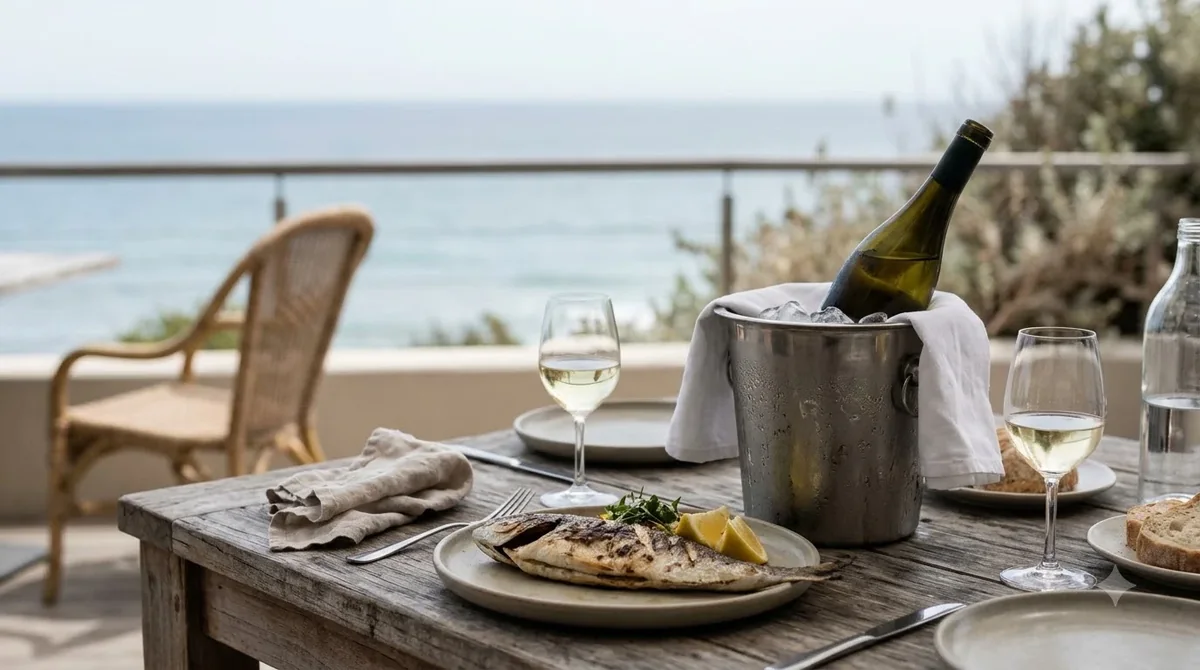
The grape pairs well with grilled meats, peppery sauces and boldly flavored dishes. Its tannins and richness hold up to fat and char, so a steak or lamb dish is a classic match. For a lighter meal, hard cheeses and roasted vegetables work well, while very delicate fish can taste overwhelmed by a firm red.
Serving temperature also changes how the wine feels. A bottle that is too warm can taste heavier and more alcoholic, while a slightly cooler glass keeps the fruit and structure in balance. Pour a moderate amount, leave room in the glass to swirl and let the wine open for a few minutes before the first taste.
Frequently Asked Questions
Does cabernet sauvignon have a lot of carbs?
Dry cabernet sauvignon is made to contain little residual sugar, which is the main source of carbohydrates in wine. Exact figures vary by bottle, so the producer’s technical data or a nutrition database is the best source for a specific wine.
Is cabernet sauvignon sweet or dry?
Cabernet sauvignon is normally made dry. Wine Folly describes the grape as dry and full-bodied, and sweet versions are rare and usually labeled as such.
Why does cabernet sauvignon feel heavy if it is dry?
Alcohol, tannin and body all add weight to the wine. Cabernet sauvignon has a fairly high alcohol level and medium-high tannin, so it can feel full and structured even without much residual sugar.
How do I find the carbs in a specific bottle?
Start with the producer’s website or technical sheet, since they sometimes publish basic analysis. If nothing is listed, a nutrition database with an entry for dry red wine of similar alcohol level can give a general estimate.
Cabernet sauvignon is a dry, structured red that tends to carry little residual sugar, but the exact numbers depend on the bottle. Read the label, check the style and use the producer’s information when you need a precise figure. For more on the difference between sweet and dry bottles, the guide on whether cabernet sauvignon is sweet or dry is a useful next read. You can also compare with other reds in the red wine carbs guide, and see how the grape fits into the wider wine by type section.
Grape reference used for this guide: Wine Folly on Cabernet Sauvignon.
More in Wine Types & Grapes
 Zinfandel Sugar Content: Dry Red vs. White Zinfandel GramsUpdated Nov 21, 2026
 Best Zinfandel Substitute Options for Sipping and CookingUpdated Nov 21, 2026
 Zweigelt Food Pairing: Best Dishes, Cheeses, and Serving TipsUpdated Nov 21, 2026
 Zinfandel Tannins Explained: How Structure Shapes Every BottleUpdated Nov 21, 2026
 Zinfandel Sweetness Level: Dry Red vs. Sweet White Zin ExplainedUpdated Nov 21, 2026
 Xinomavro Food Pairing: Best Dishes, Styles, and Serving TipsUpdated Nov 21, 2026