


We may earn a commission when you buy through links on this page, at no extra cost to you. Learn more.
What is plum wine? Plum wine is a drink made from plums, but the name covers more than one product. The best-known version is umeshu, a Japanese plum drink made by steeping Japanese plums (ume) in a clear spirit such as shōchū or sake rather than by fermenting the fruit. Other drinks sold as plum wine are made by fermenting plums directly, in a way similar to how cider is made from apples.
That difference in method explains most of the confusion. A bottle labeled plum wine can taste lightly tart, rounded and sweet, or somewhere in between, depending on how it was made and what it was blended with. This guide explains the main types, how they taste, how to serve them, and which foods suit them.
The term is loose, so it helps to sort the drinks by how they are made before choosing a bottle. Once you know the method, the flavor and the serving advice become much easier to predict.
Two very different drinks share one name
The two most common meanings of plum wine have little in common in production. According to the Wikipedia entry on plum wine, umeshu is popular in Japan and Korea and is made by soaking Japanese plums in shōchū or sake. The same entry describes a separate English style, plum jerkum, which is made from fermented plums in much the way cider is made from apples.
In Japan and Korea, umeshu is an everyday drink rather than a rare specialty. It is commonly served mixed with soda or used in a cocktail, which is one reason it often appears on menus beside highballs and sours. Because the plums are steeped rather than fermented, the source notes that it is not a true fruit wine in the strict sense, even though shops often sell it next to wines.
The fermented style is closer to ordinary winemaking. Plums are crushed, yeast turns their sugar into alcohol, and the liquid is clarified before bottling. The Wikipedia entry ties this English style to the north Cotswolds and to Worcester, where plum drinks have a long local history.
How umeshu is made
Umeshu starts with ripe Japanese plums, which are combined with a clear spirit in a sealed jar and left to rest. During that time the spirit draws flavor, color and aroma out of the fruit. Many home and commercial recipes also add sugar, which slowly dissolves into the liquid and softens the final taste.
Because nothing is fermented, the result reads more like a fruit infusion than a wine with yeast character. Drinkers usually notice a rounded plum flavor and a finish that depends heavily on the spirit used. A shōchū base tends to taste plainer, while a sake base can feel softer and a little more fragrant.
How fermented plum wines are made
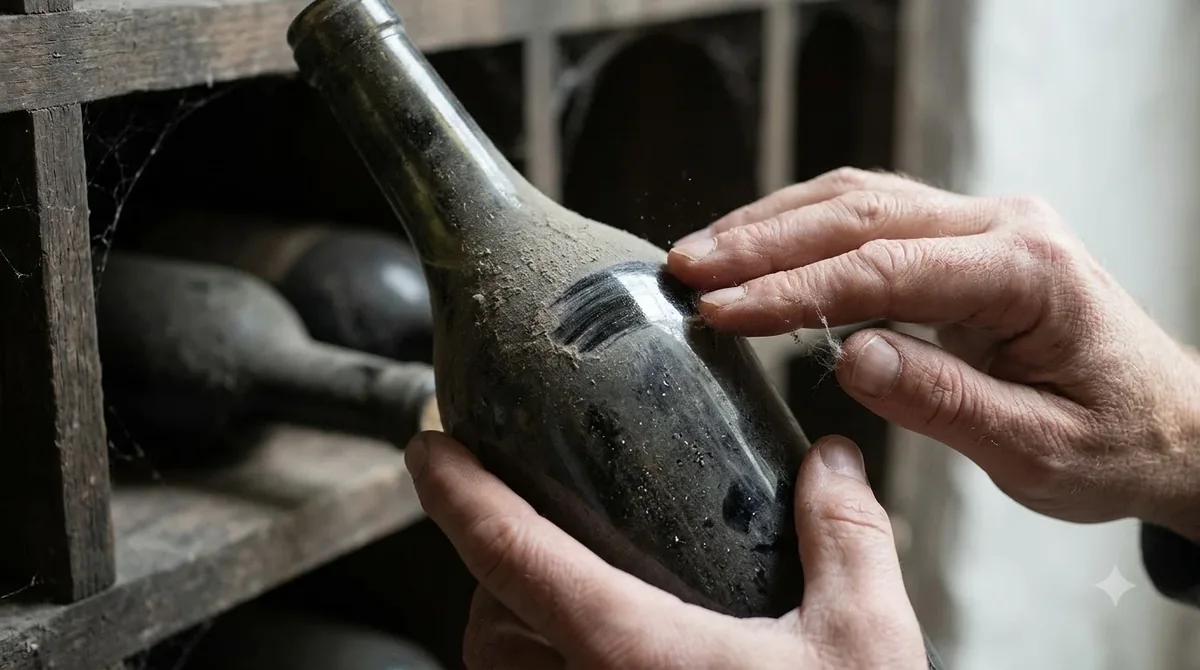
Fermented plum drinks follow a path closer to cider or fruit wine. The fruit is pressed, the sugars are fermented, and the young drink is settled and filtered. Because the process is simpler than traditional grape winemaking, producers have more room to adjust sweetness, acidity and color with blending and fruit choice.
These bottles vary a lot between producers. Some lean dry and sharp, while others are sweetened to balance the fruit. Read the label for words such as dry, semi-sweet or sweet, and check whether the producer names the plum variety or the spirit base. Those two details tell you more about the taste than a general category name does.
How plum wine tastes
Taste is the hardest part to pin down, because the category runs from almost dry to dessert-style. Still, most plum-based drinks share a few traits: a fruit-forward aroma, a soft to round body, and a finish that lingers a little on the palate. Umeshu usually feels smoother and more syrupy, while fermented plum wines can show more acidity and a cleaner, tart edge.
A simple way to judge a bottle is to taste it chilled and then again as it warms slightly. Cold temperatures mute sweetness and bring out tartness, while a little warmth lets the fruit aroma open up. Neither is a fixed rule, and most people settle on the temperature they like best after a few tries.
How to serve plum wine
Serving is flexible, and that is part of its appeal. Umeshu is commonly served over ice, with soda water, or in a cocktail, which makes it easy to adjust the strength at home. Fermented plum wines are usually served chilled in a standard white wine glass, which concentrates the aroma without making the drink feel harsh.

| Style | How it is made | Common serving | Good glass |
|---|---|---|---|
| Umeshu | Plums steeped in shōchū or sake | Over ice, with soda, or in cocktails | Rocks glass or highball |
| Fermented plum wine | Plums fermented like cider | Chilled, on its own or with food | Standard white wine glass |
| Plum jerkum (English style) | Fermented plums, similar to cider | Chilled, as a sipping drink | Standard white wine glass |
Tip: If you are unsure how sweet a bottle is, serve a small glass first and add soda gradually. You can always add more, but a too-sweet drink is hard to fix.
What to eat with plum wine
Food pairing follows sweetness and fruit. Umeshu works well with desserts that are not too heavy, such as fruit tarts, lightly sweetened cheesecake or panna cotta, where its plum flavor echoes the fruit. Its sweetness also balances salty snacks like roasted nuts or cured ham. Fermented plum wines suit lightly seasoned chicken, pork with a fruit sauce, and mild cheeses.
If you enjoy sweet wines with a rich texture, the entry on auslese wine explains how late-harvest German wines reach a similar sweetness, though from grapes rather than plums. Both styles are usually served in small pours after a meal rather than as an everyday drink.
Plum wine and other fruit wines
Plum wine sits in the same family as other fruit drinks, but its character is distinct. It is less tannic than a red grape wine, usually lighter in body than a dessert liqueur, and often more aromatic than a simple fruit juice. Fans of sweet, aromatic bottles may also like black muscat wine, which shares a fruity, perfumed style even though it comes from grapes.
When you compare drinks, focus on three things: sweetness, acidity and the strength of the spirit. Those three factors explain most of the difference between a plum drink that works as an aperitif and one that works better as a digestif.
How to buy and store plum wine
Check the label for the producer’s country and whether the bottle is a liqueur or a wine-style product. Alcohol levels vary widely by product, so read the bottle rather than relying on a single figure for the whole category. Producers who name the plum variety, the spirit base and the sweetness level are usually easier to trust for consistent results.
After opening, keep the bottle in a cool place or the fridge and use it within a reasonable time. Fruit flavors fade with air exposure, so a bottle that tasted bright on the first night may taste flatter a few weeks later. Smaller bottles make it easier to finish the drink while it still tastes fresh.
For a wider look at styles from around the world, see Wine by Type. Plum wine is a useful reminder that the word wine on a label does not always mean a grape drink, so it pays to read the method and the spirit base before you buy.
Frequently Asked Questions
Is plum wine the same as umeshu?
Not always. Umeshu is one specific drink, made by steeping Japanese plums in a clear spirit such as shōchū or sake. Plum wine is a broader term that can also mean a fermented plum drink made in a way similar to cider.
Is plum wine sweet?
Often, yes, but it depends on the producer. Umeshu tends to taste sweet and smooth, while some fermented versions are dry or tart. The label and the producer’s description are the best guides to sweetness.
Can you drink plum wine on its own?
Yes. It can be sipped chilled, mixed with soda, or used in a cocktail. Serving it chilled in a small glass is a good way to judge the flavor before deciding how to use it.
How strong is plum wine?
Strength varies widely from one product to another, so check the label on each bottle. There is no single alcohol figure that describes the whole category, and the spirit base used in umeshu affects the final strength.
Plum wine rewards curiosity. Start with a small bottle, note whether it is sweet or tart, and try it with a simple dessert or a mild cheese to see where it fits in your own routine.
More in Wine Types & Grapes
 Zinfandel Sugar Content: Dry Red vs. White Zinfandel GramsUpdated Nov 21, 2026
 Best Zinfandel Substitute Options for Sipping and CookingUpdated Nov 21, 2026
 Zweigelt Food Pairing: Best Dishes, Cheeses, and Serving TipsUpdated Nov 21, 2026
 Zinfandel Tannins Explained: How Structure Shapes Every BottleUpdated Nov 21, 2026
 Zinfandel Sweetness Level: Dry Red vs. Sweet White Zin ExplainedUpdated Nov 21, 2026
 Xinomavro Food Pairing: Best Dishes, Styles, and Serving TipsUpdated Nov 21, 2026