

We may earn a commission when you buy through links on this page, at no extra cost to you. Learn more.
Muller Thurgau wine is a light, off-dry white wine with peach, rose petal, and citrus flavors. It is made from a grape that was bred as a cross between Riesling and Madeleine Royal, and it usually has a light body, no tannins, and medium acidity. Served cold, it is an easy, approachable white for everyday meals and casual sipping.
Müller-Thurgau is one of those wines that many drinkers have tried without knowing its name. It often appears on wine lists as a simple, friendly white, especially in German-speaking regions and in parts of Italy and the Pacific Northwest. This guide explains where the grape comes from, what the wine tastes like, how to serve it, and which dishes it suits best.
Where Müller-Thurgau comes from
Müller-Thurgau is a cross between Riesling and Madeleine Royal, according to the Wine Folly grape profile. The cross has produced a grape that is very productive in the vineyard. That high yield is one reason so many bottles taste straightforward: the vines can produce a lot of fruit, and that fruit does not always concentrate into complex flavor.
The same profile notes that quality-minded wineries can make wines with complexity similar to fine Riesling. In other words, the grape has a ceiling that depends on the producer. A bottle from a careful grower who keeps yields low can offer more depth than a mass-produced white, so it is worth reading the producer’s name and region rather than relying only on the grape.
Flavor, body, and alcohol
The flavor profile of Müller-Thurgau is light and fresh. Wine Folly lists peach, rose petal, lemon, lime, and flint as typical notes. Peach and citrus tend to lead, while the floral and mineral notes add a sense of lift. The wine often reads as gently sweet on the palate, which is why it is described as off-dry rather than fully dry.
Body is light, and the wine has no tannins, so it feels smooth and easy to drink. Acidity is medium, which keeps the wine fresh without making it sharp. Alcohol typically falls between 11.5 and 13.5 percent ABV, based on the same source, which places it below many dry whites and most reds. That lower alcohol level makes it comfortable for lunch or a long afternoon.
Styles and what to expect in the glass
Most Müller-Thurgau is made as a light, off-dry white, and that is the style most people encounter first. The best examples lean toward the fruit-forward end, with a bright finish and a clean, simple structure. These bottles are generally meant to be drunk young, not held for years.
Because the grape is so productive, quality varies widely. A simple bottle can taste thin, while a carefully made one from a cooler region can show more aroma and a rounder texture. If you enjoy Riesling, you may find Müller-Thurgau a gentler alternative, with less acid and a softer profile. For a sweeter German style, many drinkers move on to an auslese wine, which is made from late-harvested grapes and carries far more sugar.
Many producers use the grape to make blends or lightly sparkling versions as well. These styles are less common but still show the same fresh fruit and soft structure. If you spot one on a wine list, it is a low-risk way to try the grape in a different format, especially if you are hosting a group and want a crowd-friendly option.
How to serve Müller-Thurgau
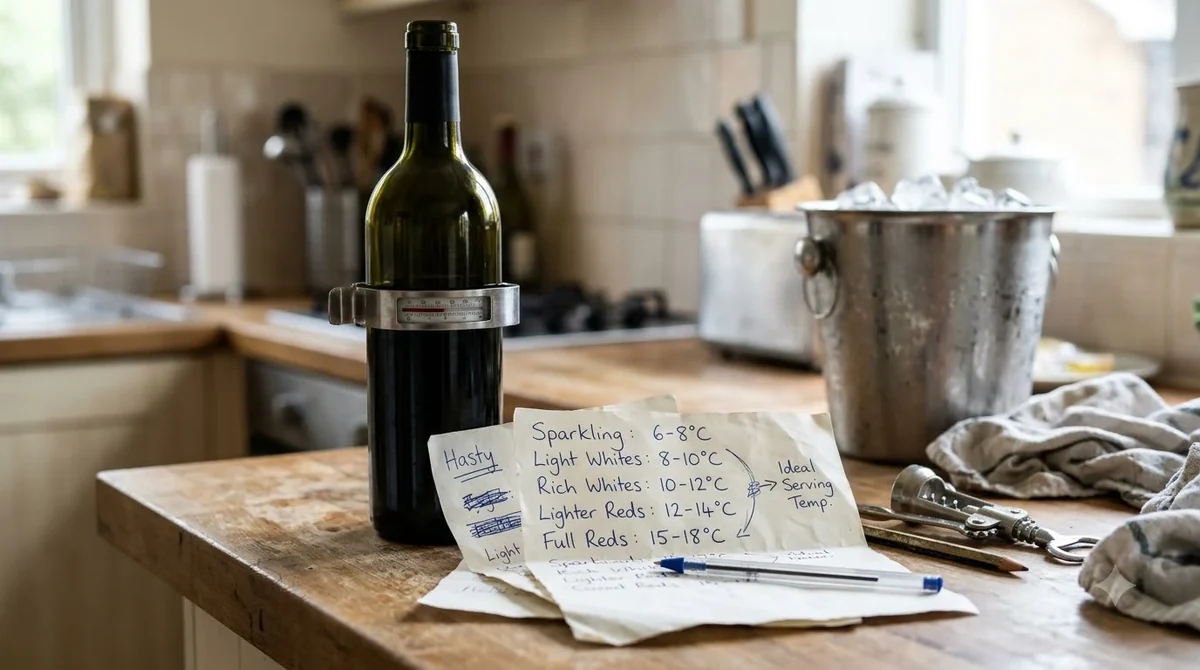
Serving temperature makes a noticeable difference with this wine. Wine Folly recommends serving it between 38 and 45 degrees Fahrenheit, or 3 to 7 degrees Celsius. At that temperature the acidity feels crisp and the fruit stays clean. If the wine is too warm, the sweetness can feel heavy and the aromas fade quickly.
The same source suggests using a white wine glass and says there is no need to decant. The wine does not need a long breathing period, and it is best opened shortly before pouring. Müller-Thurgau is also meant for short cellaring. The guidance is to drink it within one to three years of the vintage, since it loses its freshness over time.
Food pairings that work well
Müller-Thurgau’s light body and gentle sweetness make it a flexible partner for savory food. Wine Folly points to mushroom tarts, roasted pork, and poultry as strong matches. The table below summarizes these and a few other options that fit the wine’s profile.
| Dish | Why it works |
|---|---|
| Mushroom tart or savory pastry | Earthy flavors meet the wine’s fresh fruit |
| Roasted pork | Sweet fruit balances the meat’s richness |
| Roast chicken or turkey | Light body and medium acidity suit poultry |
| Spicy Asian dishes | Off-dry style softens heat |
| Fresh fruit and soft cheese | Matches the wine’s peach and citrus notes |
The wine also works as an aperitif. Its low tannin and moderate alcohol keep it easy to sip before a meal, and it pairs with simple snacks such as bread, olives, and light cheese.
How to choose a bottle
When you shop for Müller-Thurgau, start with the region and producer. Wines from cooler growing areas tend to keep more acidity and aroma, which helps balance the grape’s soft profile. Check the label for the vintage, since the wine is best fresh. A recent bottle with a clear producer name is usually a safer choice than an unfamiliar generic label.
If you are not sure how sweet a bottle will be, look for words like off-dry or medium-dry on the back label. Producer tasting notes are also useful. Descriptions that mention peach, lime, or flint suggest a style close to the classic profile. For context on how this grape fits among other white wines, the Wine by Type guide is a helpful place to continue.
Common mistakes when drinking Müller-Thurgau
The most frequent mistake is serving the wine too warm. Room temperature makes the sweetness seem heavier and hides the citrus and floral notes that keep the wine lively. Chill the bottle for a short time before opening it, and keep it cold as you pour. A wine that tastes flat in the glass is often simply too warm.
Another mistake is judging the whole grape by one bottle. Because quality depends so much on the producer, a disappointing example does not mean the variety is poor. Try a second bottle from a different maker before deciding whether you like the style.
Finally, do not age the wine for years expecting it to improve. Müller-Thurgau is built for early drinking. Buy recent vintages, store them somewhere cool and dark, and open them within a short window for the best freshness.
Frequently Asked Questions
Is Muller Thurgau wine sweet?
Most Müller-Thurgau is described as off-dry, meaning it has a noticeable touch of sweetness balanced by medium acidity. It is lighter and softer than a bold white, so it often tastes fruity rather than sugary.
How should Muller Thurgau be served?
Serve it cold, between about 38 and 45 degrees Fahrenheit, in a white wine glass. Decanting is not needed, and the wine is best enjoyed within a few years of its vintage.
What does Muller Thurgau taste like?
Typical flavors include peach, rose petal, lemon, lime, and a mineral note sometimes described as flint. The body is light and the finish is clean, with no tannin to dry the mouth.
Is Muller Thurgau similar to Riesling?
It shares some ancestry with Riesling, since the grape is a cross involving Riesling. However, Müller-Thurgau usually has less acidity and a softer profile, so it tends to feel gentler than a typical Riesling.
Müller-Thurgau rewards a simple approach: serve it cold, pair it with savory dishes and fresh fruit, and choose a producer who takes care in the vineyard. It is an easy white to return to, especially when you want something light, fruity, and approachable.
More in Wine Types & Grapes
 Zinfandel Sugar Content: Dry Red vs. White Zinfandel GramsUpdated Nov 21, 2026
 Best Zinfandel Substitute Options for Sipping and CookingUpdated Nov 21, 2026
 Zweigelt Food Pairing: Best Dishes, Cheeses, and Serving TipsUpdated Nov 21, 2026
 Zinfandel Tannins Explained: How Structure Shapes Every BottleUpdated Nov 21, 2026
 Zinfandel Sweetness Level: Dry Red vs. Sweet White Zin ExplainedUpdated Nov 21, 2026
 Xinomavro Food Pairing: Best Dishes, Styles, and Serving TipsUpdated Nov 21, 2026