

We may earn a commission when you buy through links on this page, at no extra cost to you. Learn more.
Zinfandel color depends mostly on how the wine is made, not on the grape alone. Zinfandel is a black-skinned grape, so a red Zinfandel is typically a deep, fruit-forward red. When winemakers keep the juice in contact with the skins for a short time, the wine turns pink, which is how White Zinfandel, a semi-sweet rosé, gets its name. Ripeness and climate shape the flavor more than the color.
This guide explains what color to expect from a Zinfandel, why the same grape can produce red, pink, and even near-white wines, and how to read the color of a glass to guess its style. It is useful if you are comparing a bottle in a shop or trying to understand why two Zinfandels look so different.
Why Zinfandel Color Varies So Much
Color in red wine comes from the skins of the grapes. During fermentation, the juice sits with the skins and pulls pigment and tannin out of them. The longer that contact lasts, the darker and more structured the wine becomes. Zinfandel is a particularly useful grape to study because it can be made in both directions, from deep red to pale pink, depending on this one decision.
Wine Folly points out that Zinfandel has a relatively high skin-to-juice ratio, since the berries are small and thin-skinned. That ratio is one reason the grape can produce concentrated color, flavor, and tannin when the winemaker chooses to leave the juice on the skins. Less contact, or a lighter press, gives a paler and softer wine.
Red Zinfandel Color
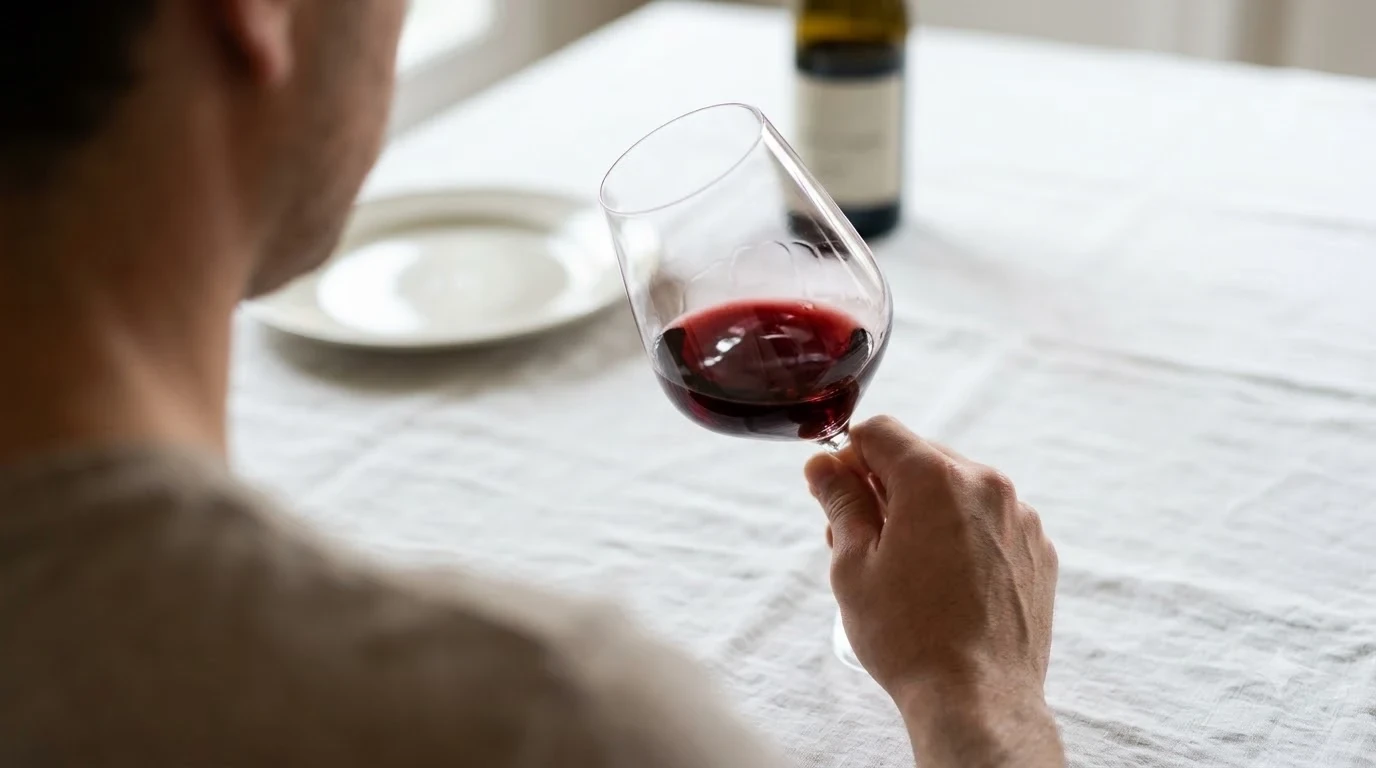
A red Zinfandel is usually a deep, bright red to purple-red in the glass, and it often looks more opaque than a Pinot Noir. The color tends to reflect a bold, fruit-forward style. Wine Folly describes the typical red Zinfandel as a strong red with medium-high tannins, and it notes that high-quality examples can have firm, structured tannins.
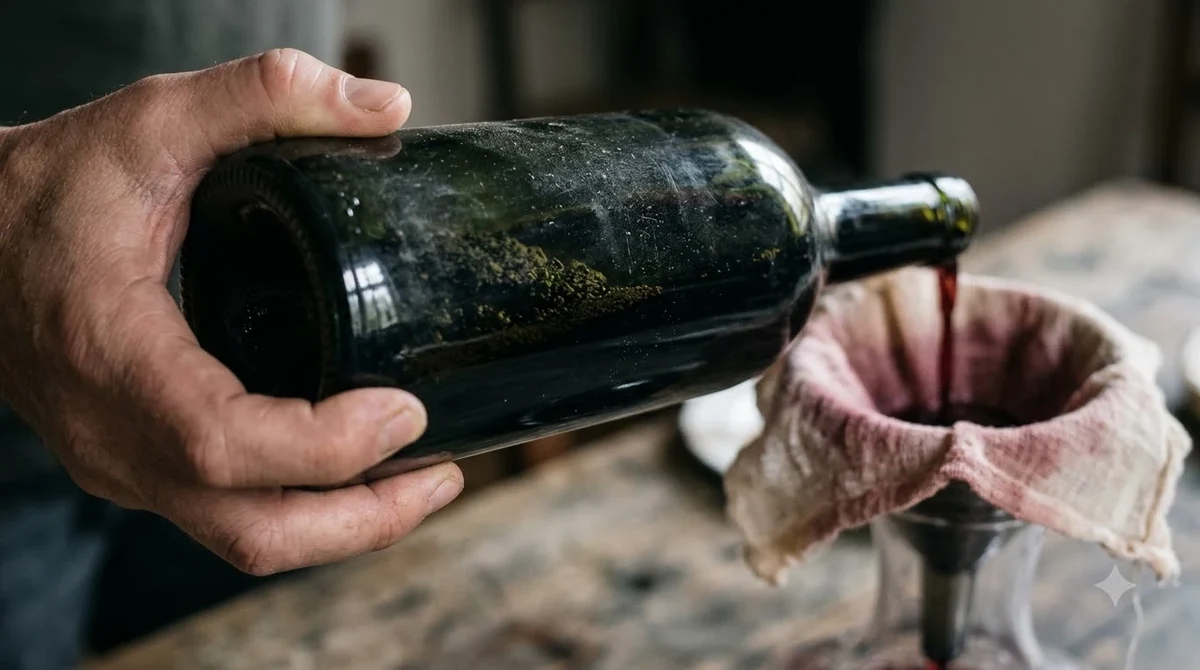
Age changes the color. A young red Zinfandel may show a vivid purple rim, while an older bottle often shifts toward brick or garnet at the edges. If the wine looks very pale for a red, it may be a lighter-style Zinfandel, a rosé, or an older bottle that has lost some pigment over time.
| Style | Typical color | What drives the color |
|---|---|---|
| Red Zinfandel | Deep red to purple-red | Long skin contact during fermentation |
| Rosé Zinfandel | Pale pink to salmon | Short skin contact, often a quick press |
| White Zinfandel | Light pink, sometimes called blush | Minimal skin contact and a semi-sweet style |
| Aged red Zinfandel | Ruby center with brick or garnet edges | Pigment changes as the wine ages |
The color of a red Zinfandel can also hint at where the grapes grew. Warmer sites often produce wines with riper, darker fruit and a more intense color, while cooler spots can give a lighter red with brighter red berry notes. Those differences are not rules, since winemaking choices matter just as much, but they help explain why two bottles from different regions can look and taste so different.
White Zinfandel and the Pink Color
White Zinfandel is the most famous pink Zinfandel, and its name is often misunderstood. Wine Folly makes the point directly: White Zinfandel is not white at all. It is a rosé made from the same red grape, with minimal skin contact during winemaking. The result is a pale pink wine that is usually sweeter than a dry red Zinfandel.
The story of White Zinfandel is partly an accident. Historical accounts of the style describe a producer who ended up with a stuck fermentation and chose to sell the sweeter, pinker wine that resulted. That decision helped create a popular style that many people still associate with the name. Today, White Zinfandel is one of the most recognizable pink wines on the shelf.
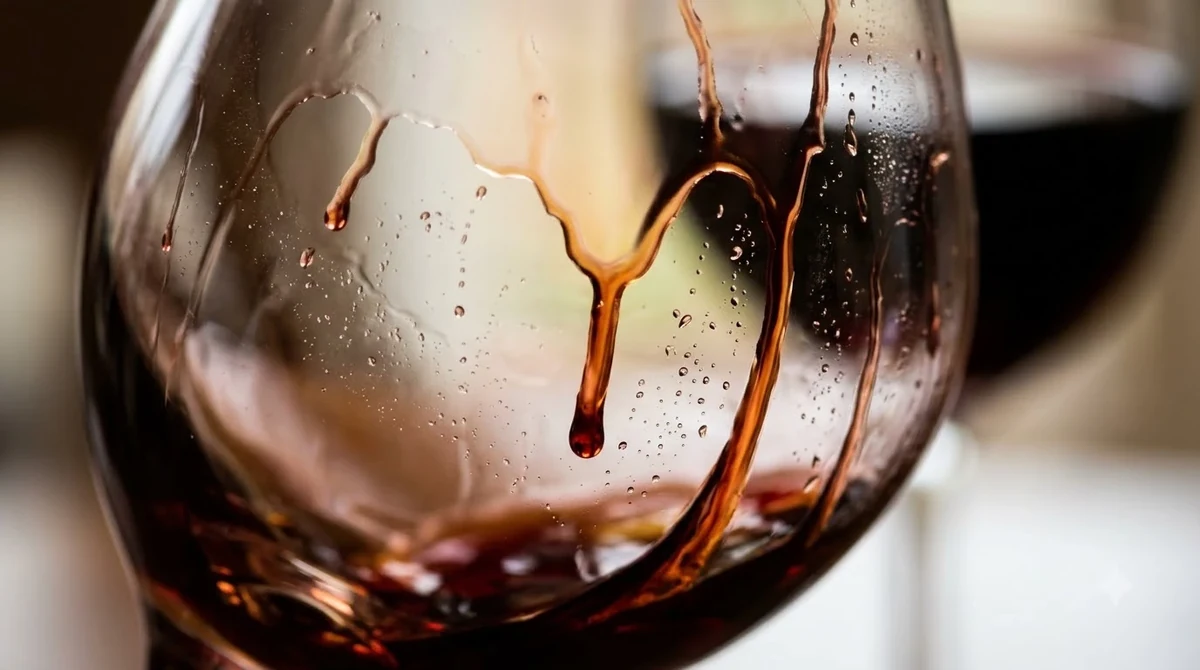
If you want to test the color idea yourself, pour a red Zinfandel and a White Zinfandel into two clear glasses and look at them side by side against a sheet of paper. The difference in depth is obvious at once. Then smell both. The red will usually show darker fruit and spice, while the pink will lean toward strawberry, raspberry, and candy-like sweetness. That simple comparison teaches more about the grape than a label ever will.
Can Zinfandel Be White?
Zinfandel grapes are black-skinned, but Wine Folly notes that there is a rare white mutation of the grape. Wines made from that mutation are uncommon, and most people will never see one on a shelf. For everyday shopping, the main color categories are red, rosé, and the pink blush style sold as White Zinfandel.
It is also worth knowing that the color on the label is not always a reliable guide to sweetness. A deep red Zinfandel can taste rich and dry, while a pale pink bottle can be sweet. Reading the back label or the producer’s description helps you avoid surprises.
How Color Relates to Taste
Serving temperature also changes how a Zinfandel shows its color and fruit. Red Zinfandel tastes best slightly cooler than room temperature, which keeps the fruit lively and the tannins from feeling harsh. Rosé and White Zinfandel are usually served colder, since chilling brings out their freshness.
Color gives you hints about structure, but it does not tell the whole story. Wine Folly’s Zinfandel profile links the wine’s flavors more to grape ripeness and climate than to color. Cooler sites tend to give red berry notes, while warmer climates produce deeper black fruit and jammy character. Those fruit differences can exist in a pale or a dark wine.
In the glass, a deep red Zinfandel usually means more skin contact and more tannin. A pink Zinfandel usually means lighter extraction and a softer mouthfeel. Neither is better in general, but the color helps you choose the style you want. If you like firm structure, look for darker, bolder reds. If you want something lighter for warm weather, a rosé-style Zinfandel is a safer bet.
Tip: Hold the glass against a white background and tilt it. The color near the rim shows the wine’s age more clearly than the center does.
Frequently Asked Questions
What color is Zinfandel wine?
Most Zinfandel is red, usually deep red to purple-red. Some producers make pink rosé versions, and White Zinfandel is a pale pink, semi-sweet style made with minimal skin contact.
Is White Zinfandel really white?
No. White Zinfandel is a rosé, so it is pink. The name refers to the style and history of the wine rather than its actual color.
Why is one Zinfandel darker than another?
The main reason is how long the juice stays in contact with the skins during fermentation. Longer contact pulls more color and tannin into the wine, which makes it darker and firmer.
Does darker Zinfandel mean it is sweeter?
Not necessarily. Color mainly reflects extraction from the skins, not sugar. Many deep red Zinfandels are dry, while some pale pink wines are sweet. Check the producer’s description to know the style.
When you are shopping, the label and the producer’s tasting notes usually tell you the style before you open the bottle. Look for words such as “dry,” “rosé,” or “blush,” and check the alcohol percentage, since richer red Zinfandels can run higher. Those few details, combined with the color in the glass, are enough to make a confident choice.
Zinfandel color is a useful starting point, but the best way to learn the grape is to taste several styles side by side. Compare a red and a rosé from the same producer if you can. For more on how color signals style across the wine world, browse Wine by Type, or see how other red grapes present themselves in malbec color and grenache color.
More in Wine Types & Grapes
 Zinfandel Sugar Content: Dry Red vs. White Zinfandel GramsUpdated Nov 21, 2026
 Best Zinfandel Substitute Options for Sipping and CookingUpdated Nov 21, 2026
 Zweigelt Food Pairing: Best Dishes, Cheeses, and Serving TipsUpdated Nov 21, 2026
 Zinfandel Tannins Explained: How Structure Shapes Every BottleUpdated Nov 21, 2026
 Zinfandel Sweetness Level: Dry Red vs. Sweet White Zin ExplainedUpdated Nov 21, 2026
 Xinomavro Food Pairing: Best Dishes, Styles, and Serving TipsUpdated Nov 21, 2026