

We may earn a commission when you buy through links on this page, at no extra cost to you. Learn more.
Spatlese wine is a German late-harvest style made from fully ripe grapes, most often Riesling, and it sits between Kabinett and Auslese on the German quality ladder. The name means “late picked,” and the wine can be sweet or dry depending on the producer and the label. If you see Spatlese on a bottle, the grapes were picked later than the standard harvest, which gives the wine more natural sugar and a riper fruit profile.
This guide explains what Spatlese wine is, how German labels signal its ripeness, how the sweetness varies, and how to serve and pair it. If you are comparing it with other German styles, it helps to know where Spatlese fits on the ladder before you buy.
What Spatlese means on a German label
Spatlese is one of the German Pradikat categories, a system that ranks wines by the ripeness of the grapes at harvest. The category is defined by must weight, which measures the sugar in the grape juice before fermentation. Higher must weight means riper grapes, and that rule is what separates one category from the next.
The term appears on labels from Germany and is a good reason to read beyond the grape name. A bottle that says Spatlese tells you how ripe the fruit was, but it does not automatically tell you how sweet the finished wine will taste. That depends on how the winemaker ferments the juice.
Ripeness and harvest timing
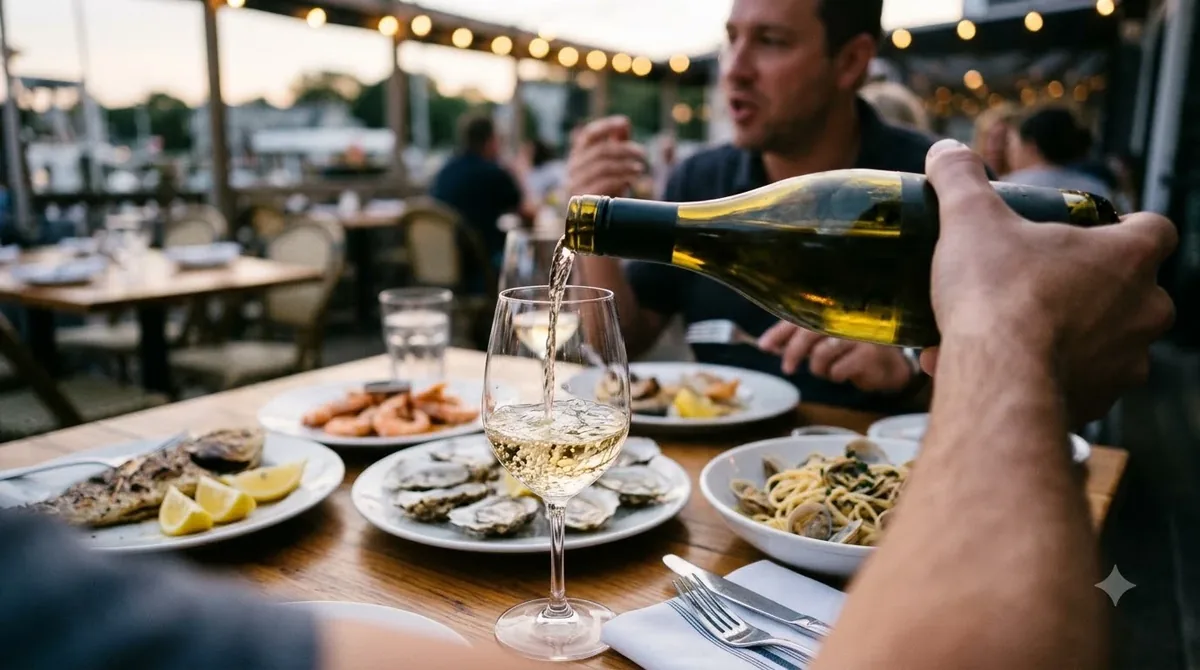
Spatlese grapes are picked at least seven days after the normal harvest begins. That delay gives the fruit more time on the vine to build sugar and flavor, but it also carries risk, because a late harvest can be ruined by autumn rain or rot. Growers who choose this route are betting that the extra ripeness will be worth it.
Under German wine law, the minimum must weight for Spatlese ranges from 76 to 90 degrees Oechsle, depending on the growing zone and the grape variety. Chaptalisation, the practice of adding sugar before fermentation to raise alcohol, is not permitted for these categories. The sugar in the finished wine therefore comes from the grapes themselves.
Because the grapes are riper, Spatlese usually shows more concentrated fruit than Kabinett, which is picked earlier and tends to be lighter in body. The extra weight and richness make it a useful step up for drinkers who want more flavor without moving to the dessert-style wines at the top of the ladder.
Sweet or dry: reading the style
Spatlese can be made sweet or dry, and the label is the best guide. A sweet Spatlese keeps some residual sugar, which balances the natural acidity of Riesling and gives a rounder mouthfeel. A dry version has the sugar fermented out, so the fruit shows more clearly and the finish feels crisp.
In recent decades the dry end of the German range has grown more complicated. Top-tier dry wines now use their own designations, which pushes some dry Spatlese into the second tier. Reading the producer’s notes or asking a shop staff member about the bottle’s residual sugar can save you from a surprise.
| Style | Harvest timing | Typical sweetness | Body |
|---|---|---|---|
| Kabinett | Standard harvest | Light to off-dry | Light and fresh |
| Spatlese | At least 7 days after standard harvest | Off-dry to sweet, or dry | Medium and fruit-forward |
| Auslese | Selected ripe bunches, later still | Sweet | Rich and full |
Flavor profile and what to expect
Riesling grown for Spatlese tends to show ripe apple, peach, apricot and citrus peel, with a floral note that stays in the background. The acidity is the structure that keeps the wine lively, even when it is sweet. Many drinkers describe the finish as clean rather than heavy, which is one reason the style is popular with people new to German wine.
Some Spatlese is made from other varieties, such as Pinot Gris or Pinot Blanc, and the flavor shifts toward pear, honey and nuttiness. Check the label for the grape name, because the fruit character depends heavily on the variety and the vineyard.
Tip: Look for the word “trocken” on the label if you want a dry Spatlese. Without it, expect some sweetness.
How to serve Spatlese wine
Spatlese is best served chilled but not very cold. Cooling it too far mutes the aromas and makes the sweetness hard to read, so take it out of the refrigerator a few minutes before pouring. A tall, narrow white wine glass helps concentrate the fruit and keeps the aromas together.
Once opened, a bottle keeps well for a few days in the refrigerator with the cork replaced. Sweet versions often hold their character longer than dry ones, because the sugar and acidity balance each other as the wine sits.
Food pairing for Spatlese
Spatlese pairs well with dishes that have some salt, spice or heat, because the sweetness softens those edges. Pork with apple, spicy Thai and Indian dishes, and soft cheeses like young Gouda are reliable choices. Dry Spatlese also works with roast chicken and lighter seafood.
Avoid pairing a sweet Spatlese with very dry or bitter foods, which can make the wine taste thin. A dry version is the better match for green vegetables and fish with lemon.
Common mistakes when buying Spatlese
The most common mistake is assuming that Spatlese always tastes sweet. Because the category is about ripeness at harvest, the finished wine can be sweet, off-dry or dry, and two bottles with the same label can differ in sugar level depending on the producer. Reading the back label or the importer’s description before you buy avoids most surprises.
A second mistake is treating Spatlese as a dessert wine. Many Spatlese bottles are light enough to drink with a main course or as an aperitif, especially the drier versions. Save the very sweet, rich wines at the top of the ladder for dessert, and keep Spatlese for a broader range of meals.
A third mistake is serving it too cold. A bottle pulled straight from a very cold refrigerator can taste sharp and closed, and the sugar may seem muted. Let it warm slightly before pouring so the fruit and acidity can show their balance.
Frequently Asked Questions
Is Spatlese wine sweet?
It can be either. Spatlese is defined by ripeness, not sweetness, so a bottle may be off-dry, sweet or dry. Check the label or the producer’s notes for the residual sugar level.
What is the difference between Spatlese and Auslese?
Auslese comes from selected ripe bunches picked later than Spatlese, so it has higher must weight and is usually sweeter and richer. Spatlese sits one step below it on the German ladder.
Does Spatlese always come from Riesling?
Riesling is the most common grape for Spatlese, but the category also covers other varieties such as Pinot Gris and Pinot Blanc. The grape name on the label tells you what to expect.
How long does Spatlese age?
Many Spatlese bottles are meant to be drunk within a few years of the vintage, though the best examples from good years can develop for much longer. Ask the producer or shop for advice on a specific bottle.
Spatlese is a good way to explore German wine beyond the driest styles. Once you know how the ladder works, you can compare Spatlese with other German styles and choose the one that fits your meal. For more context on the full range of wines, see Wine by Type, and if you want a sweeter step up, read about Auslese wine. For the broader German ripeness system, the Spatlese entry on Wikipedia summarizes the legal definitions.
More in Wine Types & Grapes
 Zinfandel Sugar Content: Dry Red vs. White Zinfandel GramsUpdated Nov 21, 2026
 Best Zinfandel Substitute Options for Sipping and CookingUpdated Nov 21, 2026
 Zweigelt Food Pairing: Best Dishes, Cheeses, and Serving TipsUpdated Nov 21, 2026
 Zinfandel Tannins Explained: How Structure Shapes Every BottleUpdated Nov 21, 2026
 Zinfandel Sweetness Level: Dry Red vs. Sweet White Zin ExplainedUpdated Nov 21, 2026
 Xinomavro Food Pairing: Best Dishes, Styles, and Serving TipsUpdated Nov 21, 2026