

We may earn a commission when you buy through links on this page, at no extra cost to you. Learn more.
The best wine storage boxes are wooden crates with lids for long holds, stackable bins for a small rack in a closet, and sealed gift boxes only for short moves. A box helps most by keeping bottles out of light and away from sudden temperature changes, and by keeping them on their sides. Wooden crates suit a bottle you plan to keep for years, bins suit a busy kitchen, and cardboard works for shipping but not for storage. The right box depends on how long the wine sits and where the box will live.
A storage box is a simple answer to a common problem: bottles pile up on a counter, get knocked over, or sit in a warm spot near the stove. A good box keeps the bottles dark, still, and sorted, and it makes a small collection easier to manage. This guide looks at the main box types, what each one does well, and the details to check before you buy.
Quick Comparison of Wine Storage Box Types
The table compares the five box types by material, whether they have a lid, how well they block light, and how long they suit storing a bottle. Start here, then read the section that matches your situation.
| Box type | Typical material | Lid or cover | Blocks light? | Best for |
|---|---|---|---|---|
| Wooden crate with lid | Pine, cedar, or hardwood | Yes, hinged or sliding | Yes | Long-term storage |
| Stackable plastic bin | Polypropylene or similar | Usually yes | Opaque models only | Closets and pantries |
| Fabric or felt tote | Canvas or felt | Zipper or flap | Partly | Moving and short trips |
| Insulated storage case | Foam-lined plastic | Yes, latch | Yes | Keeping a chilled bottle cool |
| Cardboard shipping box | Corrugated cardboard | Flaps | Yes | Gifts and shipping only |
The main split is between boxes meant to hold wine for a long time and boxes meant to move it. Wooden crates and opaque bins protect bottles over weeks and months. Cardboard and fabric totes are good for carrying, but they breathe poorly and do not hold a steady environment, so a bottle you plan to keep should not sit in one for long.
Best for Long-Term Aging: Wooden Crates with Lids
A wooden crate with a lid is the traditional choice for bottles you want to keep for years. Wood is a natural insulator, the lid blocks light, and a crate sitting on a shelf keeps bottles stacked in a stable position. It suits a home cellar, a closet, or a dark corner of a basement.
Why it stands out: Wood buffers small changes in temperature better than thin cardboard or plastic, and a solid lid keeps out the light that can affect wine over time. A crate also looks like part of the room rather than a storage bin, which matters if the wine is on display. Many crates are sized for a standard bottle, so each slot holds one bottle at a time.
Keep in mind: Wood needs a dry, stable spot, because humidity and heat can warp the boards and cause the lid to stick. Check the joints and the lid hinge before you buy, and avoid placing a crate near a heating vent or an outside wall. Unfinished wood can also give off a slight smell, so air a new crate before you fill it.
Best for: Bottles meant for long aging, a dark closet or cellar space, and collectors who want storage that looks deliberate.
Best for a Busy Kitchen: Stackable Plastic Bins
Stackable plastic bins are the practical pick for a small collection. They stack on a shelf, slide into a closet, and keep bottles together so they are easy to find. A bin with a solid lid or dark walls can protect wine from light and dust without taking much room.
Why it stands out: Plastic is light, cheap to replace, and easy to wipe down after a spill. Stackable bins let you use vertical space, which matters in a small apartment. Opaque bins block most light, and they can hold a mix of bottle sizes if the dividers are adjustable.
Keep in mind: Clear bins let light reach the bottles, so choose opaque ones for anything you plan to keep. Plastic does not insulate much, so a bin next to the oven or a sunny window will still see temperature swings. Stack no more than the bin is rated for, because a full stack of glass can crack a thin lid.
Best for: Small collections, apartments, and people who want a simple way to organize bottles without buying a rack.
Best for Moving Bottles: Fabric and Felt Totes
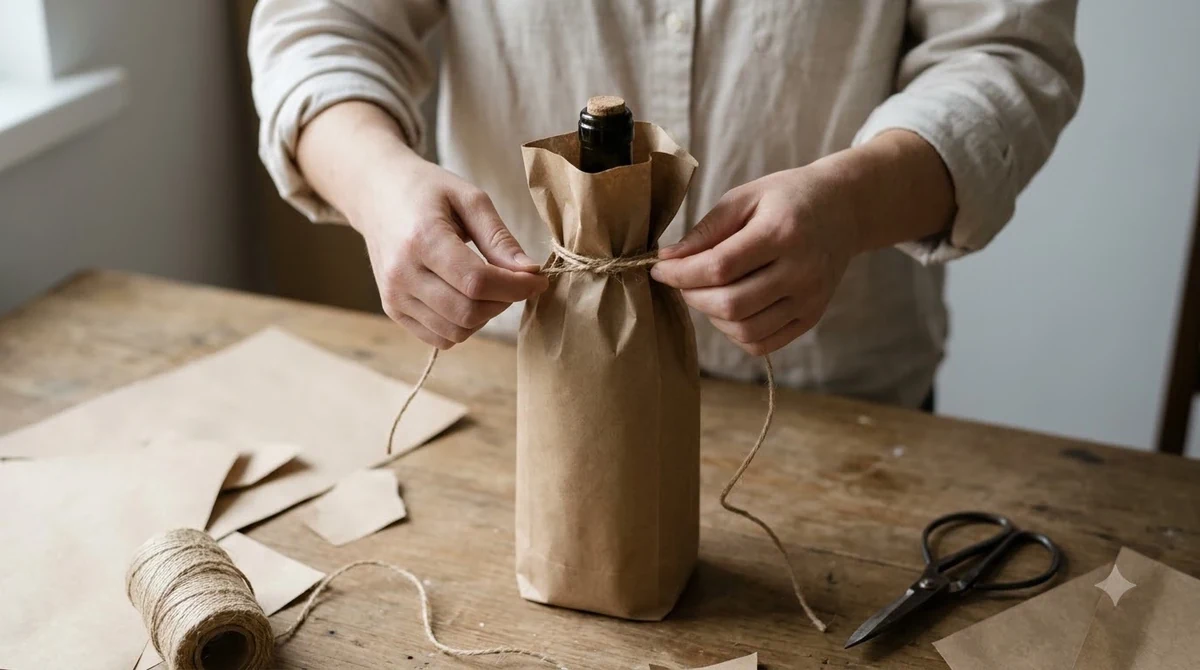
Fabric and felt totes are built for carrying. A tote with padded walls keeps two or three bottles from knocking together, and a zipper or flap keeps them from slipping out. They are the right tool for a trip to a friend’s house or a short drive home from a store.
Why it stands out: Fabric is soft and light, and padded dividers protect glass better than a bare bag. Totes fold flat when empty, so they are easy to store between trips. Many have a handle and a shoulder strap, which helps when the bottles are heavy.
Keep in mind: A tote is not a storage box. Fabric lets air and temperature move freely, so a bottle left in one for weeks will not stay as stable as one kept in a crate. Check that the zipper closes fully and that the padding covers the whole bottle, not just the top half.
Best for: Carrying wine to dinners and picnics, short-term moves, and gifting a bottle with a protective carrier.
Best for a Chilled Bottle on the Go: Insulated Storage Cases
Insulated storage cases use foam or thick plastic walls to keep a bottle at a steady temperature. They suit a bottle you chilled before leaving the house and want to keep cool on a picnic or a day trip. The foam lining also protects the bottle from knocks.
Why it stands out: Insulation slows the warming of a cold bottle, so the wine stays closer to its serving temperature longer than it would in an open bag. The walls protect the glass and the label, and a latch keeps the lid closed while you move. These cases are often used for wine that needs to be cool but is not going into a long-term store.
Keep in mind: Insulation keeps cold in but does not make a warm bottle cool, so chill the wine first. Ice packs can freeze the wine if they touch the glass, which can crack the bottle. For long storage, move the bottle to a cool, dark spot once you are home, because a cooler is not a cellar.
Best for: Picnics, beach days, and carrying a chilled bottle to a party without buying a wine tote every time.
Best for Gifts and Shipping: Cardboard Boxes
Cardboard shipping and gift boxes are designed to protect a bottle in transit. They have padded inserts, sturdy walls, and a flap or lid that closes cleanly. They are the right choice when a bottle is going through the mail or being given as a present.
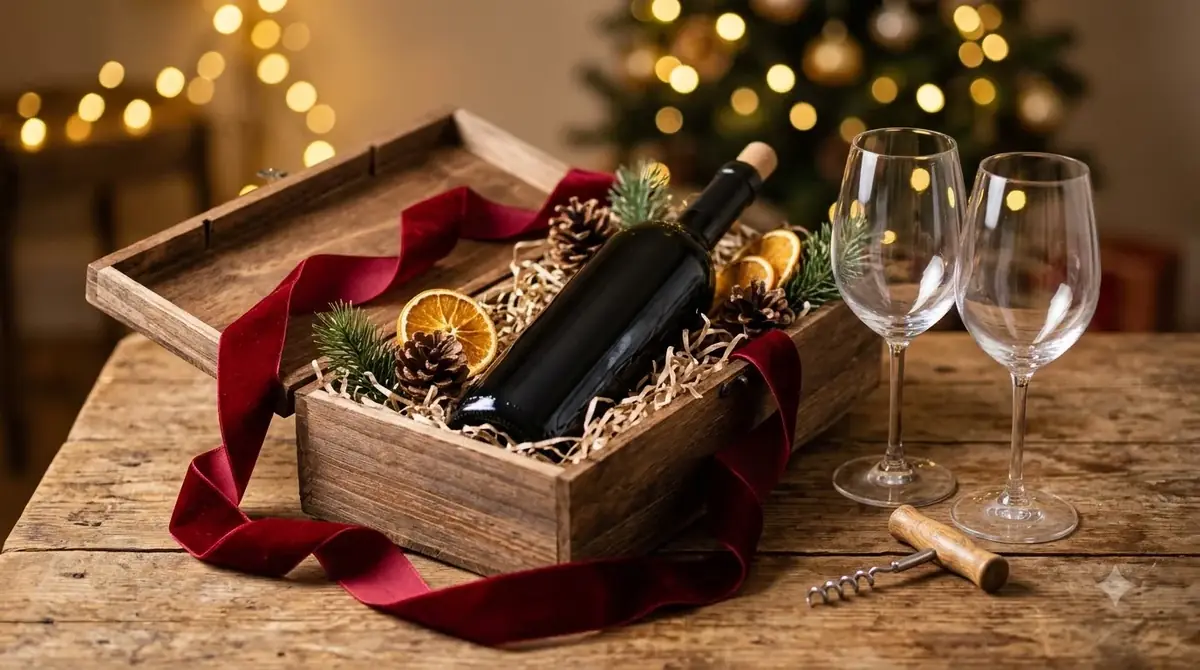
Why it stands out: A well-made cardboard box absorbs shocks, and many include foam or molded inserts that keep the bottle from moving. Gift boxes look finished without extra wrapping, and they are light enough to ship at a reasonable cost. They are also disposable, which suits a one-time gift.
Keep in mind: Cardboard breathes and does not block light well, so it is not a place to keep wine for months. Once the bottle arrives, move it to a dark, cool spot. Check the insert size before you buy, because a loose bottle in a box can break even when the box looks sturdy.
Best for: Sending a bottle as a gift, holiday shipping, and a one-time present where the box is part of the presentation.
How to Choose the Right Wine Storage Box
Start with how long the bottle will stay in the box. A week or two is different from a year, and the answer changes the material you need. Then measure the space where the box will live, because a crate that fits a closet shelf may not fit a pantry floor. Finally, check the bottle size, since many boxes are built for standard bottles and may not hold a magnum or a tall sparkling bottle.
| Your main need | Start with |
|---|---|
| Years of storage | Wooden crate with lid |
| Small collection at home | Opaque stackable bin |
| Carrying bottles | Padded fabric tote |
| Chilled bottle out of the house | Insulated case |
| Gift or shipping | Cardboard box with insert |
The storage spot matters as much as the box. Wine keeps best at a steady temperature, and the widely cited range is roughly 7 to 18 °C (45 to 64 °F), provided the changes are gradual. A cool, dark closet or cellar is a good home for any box, while a spot near a stove, a radiator, or a window will undo much of the protection. The Wikipedia entry on wine cellars describes these conditions in more detail, including why large swings in temperature can affect a bottle’s cork.
Frequently Asked Questions
Should wine be stored lying down in a box?
Bottles with natural corks are usually kept on their sides so the cork stays wet and sealed. Crates and racks are built for this, which is one reason a lidded wooden crate suits a bottle you plan to keep. A short-term bottle in a tote or a bin can stand upright without much risk.
Do wine storage boxes need to block light?
Yes, if the bottles will sit for weeks or longer. Light can affect wine over time, so an opaque lid or dark walls protect the contents. Clear bins are fine for display, but keep the bottles you plan to age out of direct light.
Can I store wine in a cardboard box?
Cardboard works for a short time, such as shipping or carrying a gift, but it does not block light well and does not hold a steady environment. Move the bottle to a crate, bin, or cool closet once it arrives.
How many bottles should a storage box hold?
Capacity depends on the slot size and the box depth, so count the slots before you buy. Choose a capacity you can fill without stacking bottles on top of each other, since a bottle that is pressed against others can crack or scuff its label.
A good storage box keeps bottles safe, sorted, and easy to reach. Pick the type that matches how long the wine will sit, then place the box in a dark, steady spot. For more ideas on keeping a home bar in order, browse the Accessories Library or plan a seasonal set with a wine advent calendar.
More in Wine Accessories
 Coravin Vs Vacu Vin: Choose the Right Wine Saver for Your BottlesUpdated Nov 21, 2026
 Zwilling Wine Stopper Review: Preserve Open Bottles LongerUpdated Nov 21, 2026
 Wine Enthusiast Wine Preserver Review: Features, Benefits and LimitationsUpdated Nov 21, 2026
 Wine Enthusiast Wine Stopper: An Easier Way to Reseal Open BottlesUpdated Nov 21, 2026
 Vintorio Wine Opener: Two-Step Cork RemovalUpdated Nov 21, 2026
 Zwilling Wine Aerator Review: Aerate, Pour, and Seal With One ToolUpdated Nov 21, 2026