

We may earn a commission when you buy through links on this page, at no extra cost to you. Learn more.
michael david wine review: Michael David Winery is a Lodi, California producer best suited to drinkers who like ripe fruit, expressive oak, and approachable reds, especially Cabernet Sauvignon, Zinfandel, and Petite Petit. The range is broader than its eye-catching Freakshow labels, with Sauvignon Blanc, Chardonnay, rosé, Pinot Grigio, Pinot Noir, and other bottlings represented across the winery’s collections. The smartest purchase is to choose by grape, alcohol level, and oak profile rather than by label design alone.
Michael David’s wines combine a distinctly Lodi identity with accessible, fruit-forward styles. The Phillips family’s farming roots reach back to the 1860s, while the winery’s public story began in 1984 with a tasting room at a family farmstand. That background helps explain the range: familiar grapes, generous flavor, memorable names, and a visible commitment to sustainable grape growing. This guide compares the main styles and gives you a practical way to choose a bottle for dinner, a party, or a gift.
Who This Is For
Michael David is a sensible place to start if you enjoy California wines with ripe fruit, noticeable oak, and enough body to stand up to flavorful food. Its home base in Lodi, in California’s Central Valley, shapes a portfolio that includes Zinfandel, Cabernet Sauvignon, Petite Sirah-based blends, Chardonnay, and Sauvignon Blanc. The style is generally more generous than restrained, so drinkers who prefer lean, sharply mineral wines may want to focus on the lighter white and rosé choices.
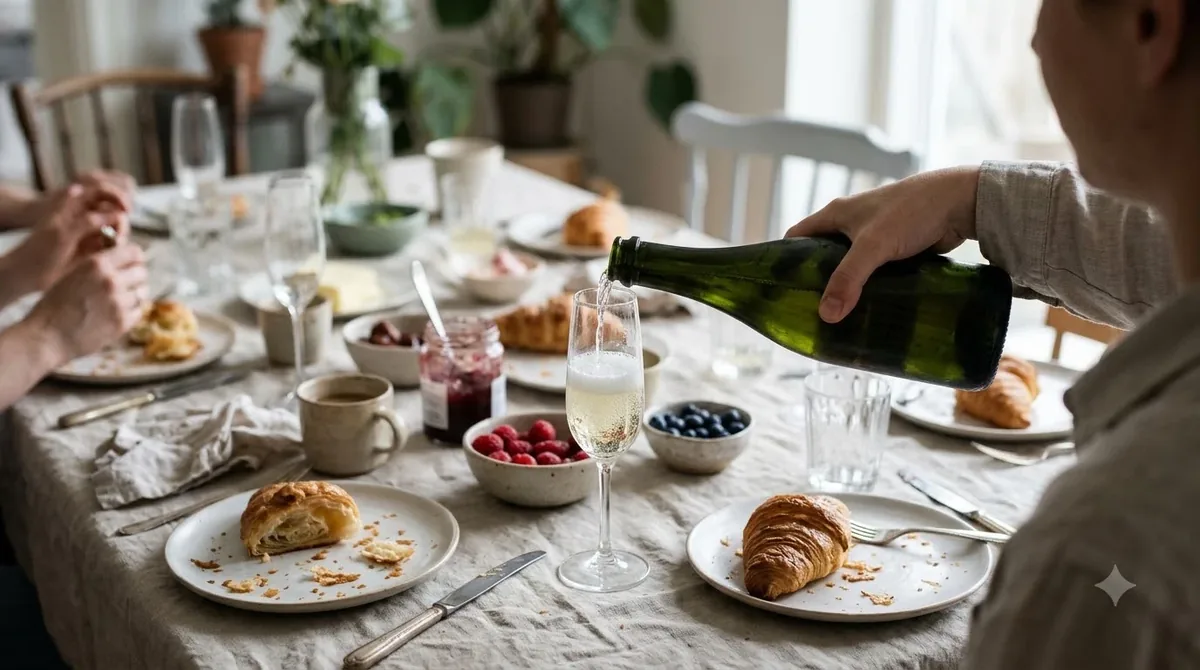
The brand suits shoppers who want familiar grapes in more than one house style. Cabernet fans can compare Freakshow and the core Michael David Cabernet, while Zinfandel fans can look at Freakshow Zinfandel, Lodi Zin, and reserve bottlings. Inkblot adds Cabernet Franc, Petit Verdot, and Petite Sirah for drinkers who want to explore individual varieties.
Its broad range also works for mixed menus: Petite Petit suits fans of plush, dark-fruited reds, while Sauvignon Blanc and Chardonnay offer more flexible white options. People sensitive to high alcohol, strong oak, or very ripe fruit should compare vintage details before buying, since some reds reach 15% ABV.
This guide covers the Phillips family’s Lodi winery, not every wine with a similar name. The dedicated Michael David wine overview and wider Wine Brands coverage provide useful context before you narrow the bottle by grape and region.
Key Factors to Compare
Start with the grape, then compare alcohol, body, and oak treatment. Those details tell you more about what will be in the glass than the label’s artwork or the dramatic name of a collection.
| Wine example | Published details | Style cues | Best fit |
|---|---|---|---|
| Freakshow Cabernet Sauvignon, 2020 | 14.5% ABV; 750 ml | Full-bodied, ripe and jammy; strawberry, blackberry, maple, moderate tannin | Grilled beef, burgers, and rich weeknight meals |
| Freakshow Petite Petit, 2022 | 15% ABV | Plum, boysenberry, black cherry, blackberry, cacao, vanilla spice | Barbecue, braised beef, and hard cheeses |
| Lodi Zin, 2022 | 15% ABV | Medium-bodied; cherry tart, fig, peppery spice, oak finish | Barbecue, sausages, and tomato-based dishes |
| Freakshow Chardonnay, 2024 | 13.5% ABV; 100% Chardonnay | Pear, honeydew, melon, honey, lemongrass, and vanilla | Roast chicken, creamy pasta, and roasted vegetables |
The table uses named vintages because blends, alcohol, and winemaking can change between releases. Wine Enthusiast’s 2020 Freakshow Cabernet review describes a full-bodied, ripe wine with strawberry aromas, blackberry and maple flavors, and moderate tannin. Treat that as a style reference, not a promise that every vintage tastes identical.
Alcohol is a useful comparison point: the 2022 Petite Petit and Lodi Zin examples are both 15% ABV, while the 2024 Freakshow Chardonnay is 13.5%. More alcohol does not automatically mean more sweetness, but it can make a red feel warmer and fuller. Oak is another clue: new oak can add vanilla, toast, and baking spice, while neutral oak has a quieter effect.
Step-by-Step: Choose a Bottle
A reliable choice comes from matching the occasion to the grape and then checking the wine’s weight. Use the following sequence rather than picking solely by the label.
- Decide between red, white, and rosé. Choose Cabernet Sauvignon, Zinfandel, or Petite Petit for a fuller red; choose Sauvignon Blanc for a brighter white direction; choose Chardonnay when you want more body and a rounder texture. Rosé is the flexible middle ground for picnics, lighter meals, and warm-weather gatherings.
- Choose the main flavor profile. Cabernet usually brings dark fruit and firmer tannin. Zinfandel leans into ripe berry fruit and spice. Petite Petit, a blend built around Petite Sirah and Petit Verdot, is the more concentrated option. For whites, Sauvignon Blanc is generally higher in acidity, while Chardonnay is usually rounder and has medium acidity.
- Check alcohol and oak for the specific vintage. Compare the stated ABV with your preference: the published examples in the table range from 13.5% to 15%. Look for barrel-fermentation or oak-aging details if vanilla, toast, or spice are important to you. Do not assume that the same label has identical specifications every year.
- Think about the menu. Match Cabernet or Petite Petit with grilled beef, lamb, burgers, or aged hard cheese. Zinfandel works with barbecue and savory tomato dishes. Sauvignon Blanc’s acidity is a better match for salads, goat cheese, shellfish, and dishes with citrus or herbs; Chardonnay can work with roast poultry, mushrooms, and cream sauces.
- Set the serving temperature. Serve light whites and rosé at 45–50°F, fuller whites at 50–55°F, light reds at 55–60°F, and full-bodied reds at 60–65°F. A room that feels comfortable to people may be too warm for a high-alcohol California red, so a short chill can help preserve balance.
- Buy for the number of guests. A standard 750 ml bottle yields about five 5-ounce pours. For a dinner of six adults where wine is the main beverage, plan on more than one bottle; for a tasting with several wines, smaller pours let guests compare styles without over-serving any single one.
For a first purchase, try a core Zinfandel or Cabernet. Choose Petite Petit if you already enjoy dense, dark-fruited blends; choose Sauvignon Blanc or rosé for an unknown palate or a menu built around salads, seafood, and lighter appetizers.
Tip: When the menu is undecided, choose the wine with the most flexible structure rather than the boldest label. A crisp Sauvignon Blanc or rosé is easier to pair across salads, vegetables, chicken, and seafood than a 15% ABV, tannic red.
Michael David Wine Styles Explained
The label families cover several flavor profiles. Use the line name as a starting point, then confirm the grape and vintage before choosing.
Freakshow
Freakshow is the most theatrical family, with Cabernet Sauvignon, Chardonnay, Zinfandel, Red Wine, and Petite Petit in the winery’s trade materials. Cabernet offers a familiar dark-fruit style; Petite Petit moves toward more concentrated black fruit through its Petite Sirah and Petit Verdot blend.
Freakshow Chardonnay provides a white counterpart. The winery’s 2024 description lists it as 100% Chardonnay at 13.5% ABV, with honey, lemongrass, pear, honeydew, melon, and vanilla notes. Pair it with roast chicken or a creamy dish rather than delicate raw fish.
Michael David and Lodi Lineup
The Michael David label includes Sauvignon Blanc, rosé, Chardonnay, Cabernet Sauvignon, Zinfandel, and reserve versions of Cabernet and Zinfandel. This is the part of the portfolio to examine for familiar grape names without the Freakshow branding. Lodi Red and Lodi Zin add a regional cue; the 2022 Lodi Zin is a Zinfandel-led bottling with cherry tart, Mission fig, peppery spice, and an oak finish.
The 2022 Lodi Zin description mentions cherry tart, Mission fig, peppery spice, and an oak finish, making it a natural match for barbecue and savory foods. For other producers, separate pages on Michael Shaps wine and Peter Michael wine keep similarly named winery searches distinct.
Misfits & Mavens, Earthquake, and Inkblot
Misfits & Mavens broadens the selection with Sauvignon Blanc, Pinot Grigio, Pinot Noir, and Cabernet Sauvignon. That mix makes the family useful when a table needs different colors and weights rather than a set of similarly powerful reds. Pinot Noir is typically lower in tannin and higher in acidity than Cabernet Sauvignon, so it can be a better red choice for roast chicken, mushrooms, or salmon than a strongly tannic bottle.
Earthquake is represented by Cabernet Sauvignon and Zinfandel, while Inkblot includes Cabernet Franc, Petit Verdot, and Petite Sirah. Those grape names are useful clues for more specific preferences: Cabernet Franc can be attractive to drinkers who like savory notes, while Petite Sirah is a better candidate for people who enjoy deeply colored, firm, full-bodied reds. Do not assume that each grape is made in the same way across all labels; the range contains distinct blends and bottlings.
Michael David’s identity is a broad set of expressive California styles rather than one grape. The winery says its Lodi Rules program covers more than 100 environmental, social, and economic standards; the family and sustainability overview places that commitment in the context of its Lodi farming history.
Common Buying Mistakes
The biggest mistake is treating every bottle from one producer as if it shares the same level of body, alcohol, sweetness, or oak. Michael David’s range includes fresh whites and rosé as well as reds that reach 15% ABV, so the label family alone is not enough to predict how the wine will behave at the table.
Another common error is reading ripe fruit as proof of residual sugar. Wine Enthusiast described the 2020 Freakshow Cabernet as so ripe and jammy that it seemed sweet, while also noting its moderate tannin. That kind of impression can come from fruit concentration, oak, and alcohol rather than dessert-wine sweetness. If the wine is being served with dessert, choose a wine at least as sweet as the dessert; a dry, ripe Cabernet will not replace a sweet wine with cake or fruit tart.
Do not match a high-tannin red to every protein. Fat and salt soften tannin, making Cabernet or Petite Sirah blends more comfortable with rich meat and hard cheese; oily fish can make tannic reds seem harsh. For salmon or tuna, try Pinot Noir or an acidic white instead.
Chili heat is another trap: alcohol and tannin amplify the burn, so a 15% ABV Zinfandel or Petite Petit can make spicy food feel hotter. With chile-heavy barbecue, choose a fruit-forward wine with moderate tannin or move to an acidic white. Sharply acidic vinaigrette and tomato sauce can also make a low-acid wine seem flat.
Do not treat a review score from a different vintage as a guarantee. Reviews are most useful for identifying recurring style, not predicting every harvest; compare the vintage, grape proportions, ABV, and barrel information when available.
Serving and Storage Tips
Temperature and storage can make a noticeable difference to the balance of a fruit-forward Lodi wine. Full-bodied Michael David reds generally show better at 60–65°F than at a warm room temperature, while light whites and rosé are more refreshing at 45–50°F.
Chill a red briefly if the room is warm; the goal is cool, not refrigerator-cold. A 15% ABV red can seem hot when served too warm. Aim for 50–55°F for Chardonnay and 45–50°F for Sauvignon Blanc to preserve freshness.
Store unopened bottles on their side in a cool, dark place near 55°F, away from sunlight, heat vents, and temperature swings. A stable environment matters more than a decorative rack or a convenient kitchen cabinet.
After opening, put the bottle in the refrigerator and reseal it. Most still wines keep for about 3–5 days once opened, although fresher whites and lighter reds are best earlier in that window. Bring a red back toward its serving temperature before pouring. For a younger, full-bodied red that seems compressed, 30–60 minutes in a decanter can soften its first impression and let the fruit become more apparent.
A standard 5-ounce pour means a 750 ml bottle provides about five glasses. Keep leftover wine cold between pours and use a proper stopper; note how the wine changes over the first two days to guide future purchases.
Frequently Asked Questions
These quick answers cover a few producer and vintage details that are useful when comparing bottles or planning a visit to the Lodi tasting room.
How much Petite Sirah is in the 2022 Freakshow Petite Petit?
The winery’s technical details list the 2022 blend as 87% Petite Sirah and 13% Petit Verdot. That makes it a two-grape blend rather than a 100% Petite Sirah bottling.
How long was the 2022 Petite Petit aged in oak?
The 2022 wine spent 18 months in oak. The reported mix was 32% French oak, 41% American oak, including 31% new American oak, and 27% neutral oak.
Does the 2024 Freakshow Chardonnay go through malolactic fermentation?
Yes. The winery’s 2024 technical description says 100% of the wine underwent malolactic fermentation, and 50% was barrel fermented for four months in 100% new French oak. Those details help explain why the Chardonnay is not simply a lean, unoaked white.
What is the blend in the 2022 Lodi Zin?
The 2022 bottling is 89% Zinfandel and 11% Petite Sirah. Its published technical details list 17 months of oak aging, with 84% American oak and 16% French oak.
Can visitors bring a dog to Michael David Winery?
The Lodi Winegrape Commission’s winery profile identifies the property as dog-friendly and family-friendly. It lists the tasting room at 4580 California 12 in Lodi and gives daily tasting hours of 10 a.m. to 5 p.m.; visitors should confirm current arrangements before making a special trip.
Michael David is worth considering if you like California wines with generous fruit and a range that stretches from Sauvignon Blanc to high-impact reds. Start with the grape and serving occasion, then compare the current vintage’s alcohol and oak details so the bottle fits both your palate and the meal.
More in Wine Brands
 Trapiche Malbec Price: What a Bottle Typically CostsUpdated Nov 21, 2026
 Tignanello Wine Review: Understand Its Style, Quality, and Best UsesUpdated Nov 21, 2026
 Three Wishes Wine Price: Find Affordable Bottles and VarietiesUpdated Nov 21, 2026
 Trapiche Wine Review: How to Choose the Right BottleUpdated Nov 21, 2026
 The Wolftrap Wine Review: How to Choose the Right South African StyleUpdated Nov 21, 2026
 Torres Wine Review: Find the Right Spanish Wine for Your TasteUpdated Nov 21, 2026