

We may earn a commission when you buy through links on this page, at no extra cost to you. Learn more.
The luigi bosca wine price typically ranges from around $15 to $30 for an entry-level 750 ml bottle in US retail listings, while premium collections can cost considerably more. The regular Malbec is a practical starting point for exploring this Argentine producer, while De Sangre, Los Nobles, and Paraiso offer different expressions and positioning. Comparing the wine’s collection, grape variety, origin, and intended occasion helps determine whether a particular bottle represents good value.
Luigi Bosca is an established Argentine wine name associated with Mendoza and its distinctive vineyard regions. Its portfolio covers approachable Malbec, Cabernet Sauvignon, Chardonnay, structured regional expressions, and more ambitious wines. That variety explains why bottles carrying the same producer name can occupy quite different positions in the market. This guide examines typical US retail pricing, the differences between collections, and the practical details that matter before choosing a bottle.
Who Should Compare Luigi Bosca Wine Prices?
Luigi Bosca appeals to shoppers looking for Argentine wines with recognizable regional character, particularly Mendoza Malbec. Comparing its different collections is especially useful for buyers who want to understand what changes between an everyday bottle and a more ambitious vineyard-focused wine.
The standard Luigi Bosca Malbec is a sensible place to begin. The producer describes it as a red wine with red-fruit aromas, floral and spicy notes, developing tannins, and an expressive palate. Its official product description also identifies red meat and pasta as suitable food pairings. These characteristics make it a flexible choice for someone exploring Argentine red wine without immediately moving into a specialized collection.
More experienced wine shoppers may be interested in De Sangre, Los Nobles, and Paraiso. These names represent different levels and approaches within the producer’s portfolio rather than simply different bottle labels. De Sangre includes wines associated with particular Mendoza origins, Los Nobles emphasizes individual vineyard character, and Paraiso occupies a premium position in the range.
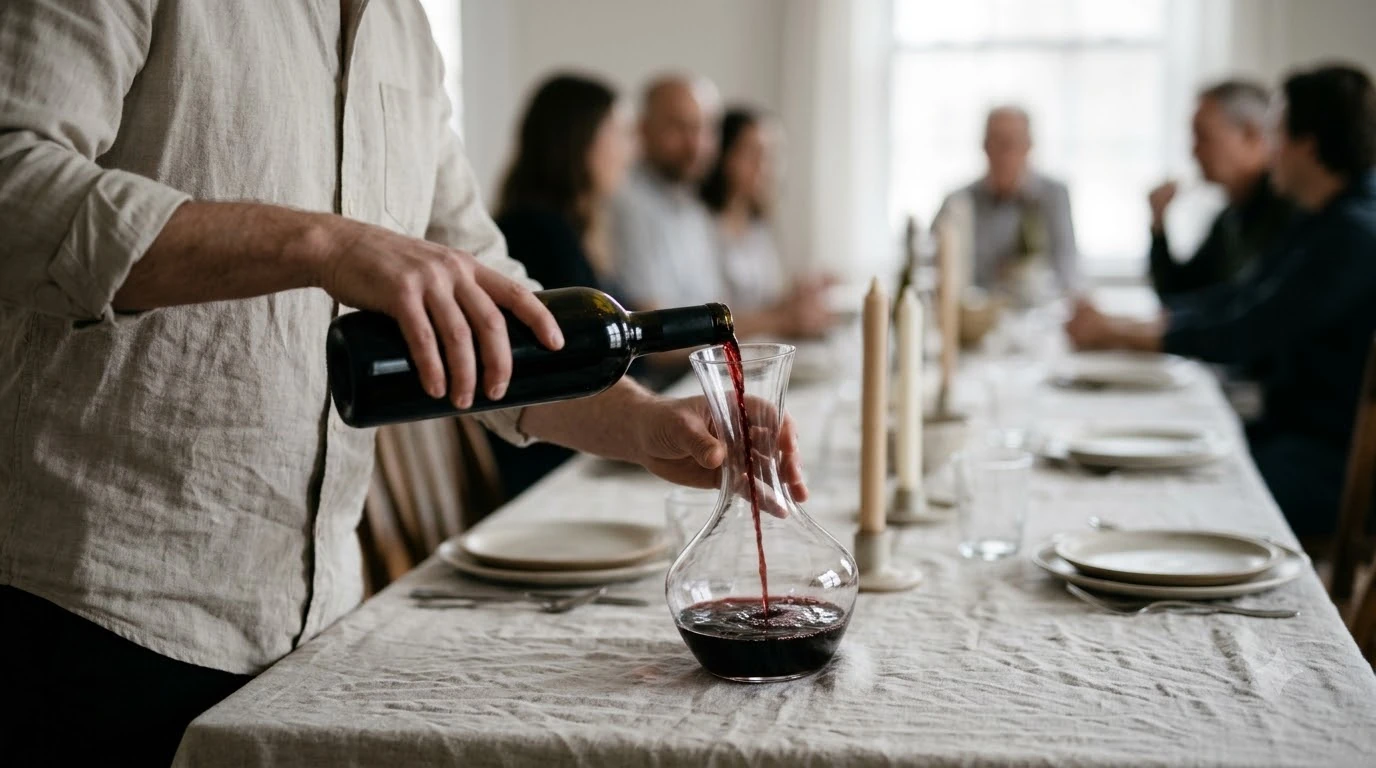
Price comparison is also useful when buying wine for a dinner, celebration, or gift. A bottle intended for a casual pasta dinner does not necessarily need the same structure or presentation as a wine purchased for a milestone occasion. Understanding the collection helps avoid paying for characteristics that are not important to the intended use.
Readers exploring the broader producer portfolio can also consult this overview of luigi bosca wine, which provides additional context about the winery’s different expressions.
Key Factors That Determine Luigi Bosca Wine Price
The main factors affecting the cost of Luigi Bosca wine are the collection, grape variety, vineyard origin, production positioning, vintage, and US retail distribution. Comparing these details gives a more meaningful picture than looking at the producer name alone.
1. Collection and positioning
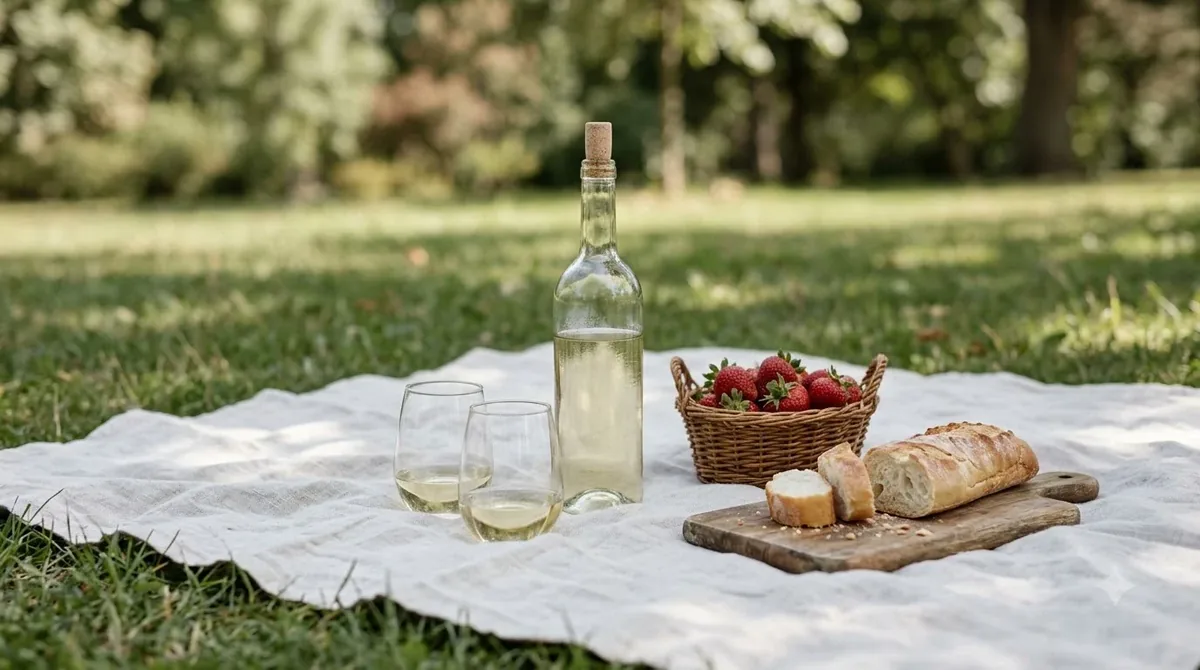
The producer’s portfolio includes several distinct collections. The regular Luigi Bosca range provides an accessible introduction, while De Sangre emphasizes particular regional expressions and Los Nobles focuses on single-vineyard wines. Paraiso represents a more exclusive part of the portfolio.
These distinctions matter because a wine with a more specific vineyard identity or a more selective production approach may occupy a different retail category. However, a higher collection position does not automatically mean a better choice for every drinker. Someone who prefers fruit-forward Malbec may enjoy the standard bottling more than a more structured premium wine.
2. Grape variety
Malbec is one of the most recognizable varieties associated with Mendoza. It commonly delivers dark or red fruit, moderate-to-high body, and a tannin structure that works well with grilled meats. Cabernet Sauvignon offers a different experience, generally bringing firmer tannins, black-fruit character, and a more structured finish.
White wine shoppers can also find Luigi Bosca Chardonnay and De Sangre White Blend. Chardonnay generally has medium acidity, making it a versatile option for poultry, seafood, and creamy dishes. The style and origin of an individual bottle remain important when comparing these wines.
3. Vineyard origin and designation
Mendoza is not one uniform growing area. Luján de Cuyo, Uco Valley, and Maipú are among the subregions associated with the producer’s vineyard portfolio, and their individual identities can influence how wines are presented and positioned.
The De Sangre Malbec DOC is particularly relevant to buyers interested in geographical identity. The producer identifies it with the Luján de Cuyo DOC protocol. Its De Sangre Malbec Valle de Uco offers another expression associated with a different Mendoza origin.
4. Vintage and retail availability
Vintage can affect availability and the retail comparison between bottles. A 2024 Malbec and a 2025 Malbec may appear in different stores at different times, while an older vintage may remain available through a specialist retailer. Comparing the same wine and bottle size is therefore more useful than comparing two unrelated listings.
Retailers also have different shipping arrangements, state coverage, inventory, and distribution costs. A bottle listed by a national online retailer may not be available for delivery in every state. Taxes and shipping can further change the final purchase cost.
| Comparison factor | What to examine | Why it matters |
|---|---|---|
| Collection | Regular, De Sangre, Los Nobles, Paraiso | Indicates portfolio positioning |
| Grape | Malbec, Cabernet Sauvignon, Chardonnay | Changes the wine’s structure and flavor profile |
| Origin | Mendoza, Luján de Cuyo, Uco Valley | Provides geographical context |
| Bottle size | 750 ml standard bottle | Creates a consistent comparison |
| Vintage | 2024, 2025, or another available year | Helps distinguish comparable listings |
| Retailer | Local store or online merchant | Availability and final costs can differ |
For additional background on the producer’s range, its official Luigi Bosca wine portfolio provides descriptions of the main collections and their regional identities.
Step-by-Step: How to Compare Luigi Bosca Wine Prices
A reliable comparison begins with the specific bottle rather than the brand name. Following a few simple steps helps shoppers distinguish genuine differences in wine positioning from differences caused by retailers, vintages, and bottle formats.
-
Choose the wine category first.
Decide whether the intended purchase is a red, white, or sparkling wine. If the preference is for a classic Argentine red, begin with Malbec. If a firmer structure is preferred, compare Cabernet Sauvignon. Chardonnay provides an alternative for shoppers who want a white wine.
-
Identify the collection.
Determine whether the bottle belongs to the regular Luigi Bosca range, De Sangre, Los Nobles, or Paraiso. These collections have different identities and should not be treated as interchangeable products. The regular Malbec is a practical baseline for understanding the broader range.
-
Match the bottle size.
Use 750 ml as the standard comparison size. A larger format or a multi-bottle case can make a listing look less expensive or more expensive than it really is. Compare the cost per standard bottle when evaluating different formats.
-
Compare equivalent vintages.
Look at the same vintage where possible. If one retailer lists a 2024 bottle and another offers a 2025 bottle, record the distinction rather than assuming they are identical. Different vintages can also have different availability.
-
Check multiple US retailers.
Wine shops, national online merchants, and local stores may carry different selections. Wine-Searcher-style comparison services and Vinoalert can help identify multiple listings. Compare the displayed bottle price alongside shipping availability and applicable taxes.
-
Consider the wine’s purpose.
Match the bottle to the meal or occasion. A standard Malbec may be entirely suitable for a barbecue or pasta dinner, whereas a more distinctive regional wine may be a better choice for a formal meal or a special gift.
-
Make the final value comparison.
Consider the grape variety, collection, origin, bottle size, and retail conditions together. The cheapest listing is not necessarily the best fit, and a higher-priced collection is not automatically worth the additional expense for every occasion.
Tip: Compare the same Luigi Bosca wine, vintage, and 750 ml bottle size across at least three retailers. This gives a much clearer indication of typical US retail positioning than comparing a regular Malbec with a premium De Sangre or Los Nobles bottling.
Luigi Bosca Wine Price Ranges and Styles Explained
Luigi Bosca’s portfolio extends from accessible varietal wines to premium regional and vineyard-focused expressions. The following US retail ranges provide practical shopping context rather than fixed manufacturer prices.
Regular Luigi Bosca Malbec
The standard Malbec is the most straightforward entry point for many buyers. The producer describes a bright violet-red appearance, red-fruit aromas, floral and spicy nuances, and a palate with developing tannins and refreshing character.
Vinoalert’s US retail comparison showed Luigi Bosca Malbec Mendoza listings ranging approximately from $15 to $30 per 750 ml bottle, with an average around $20 across 41 displayed offers. These figures represent a retail snapshot rather than a guaranteed price, and prices vary by state and retailer.
This category is particularly suitable for shoppers who enjoy Mendoza Malbec and want a versatile red for grilled beef, pasta with meat sauce, or roasted vegetables. Its fruit-forward character makes it a useful starting point for understanding the producer’s style.
De Sangre Collection
De Sangre provides a more origin-focused way to explore the producer’s portfolio. The collection includes Malbec expressions associated with Luján de Cuyo and Valle de Uco, as well as other red and white wines.
Wine.com lists De Sangre Malbec from Mendoza in its US selection, alongside a De Sangre White Blend. Its listings demonstrate that the collection occupies a different retail category from the standard Malbec. Actual retail positioning depends on the specific bottling, vintage, and retailer.
De Sangre is worth considering when the buyer wants to explore regional differences rather than simply choosing another bottle of everyday Malbec. The DOC expression is particularly relevant to those interested in the Luján de Cuyo designation.
Los Nobles Single-Vineyard Wines
Los Nobles focuses on single-vineyard identity. Wine.com identifies it as one of the principal collections within the producer’s range, while the official website connects Los Nobles D.O.C. with Finca Los Nobles in Vistalba.
This makes the collection interesting for shoppers who want to examine the relationship between a wine and its particular vineyard origin. Single-vineyard wines can also be useful gifts for someone who enjoys exploring more specific expressions of Mendoza.
Rather than assuming that every Los Nobles wine is interchangeable, compare the grape variety and exact bottling. A single-vineyard Malbec, for example, has a different identity from a Cabernet Sauvignon or a blended wine.
Paraiso and Premium Expressions
Paraiso sits at the more exclusive end of the producer’s portfolio. Wine.com lists Paraiso as a Bordeaux-style red blend from Mendoza, distinguishing it from the varietal Malbec and Cabernet Sauvignon bottlings.
This category is relevant to collectors and shoppers seeking a more special bottle. Its positioning should be evaluated separately from the everyday range because the intended purchase, availability, and wine style are different.
White Wines and Other Varieties
Luigi Bosca is not limited to red wines. Its portfolio includes Chardonnay and white blends, providing alternatives for buyers who prefer fresher or more food-oriented white styles.
Chardonnay can work with roast chicken, grilled seafood, and creamy pasta. A white blend may offer a different combination of fruit, acidity, and texture. These wines are useful when planning a meal that does not call for a substantial red wine.
| Wine or collection | Style | Typical buying purpose |
|---|---|---|
| Luigi Bosca Malbec | Argentine red | Everyday meals and introductory purchases |
| Luigi Bosca Cabernet Sauvignon | Structured red | Beef, lamb, and substantial dishes |
| De Sangre Malbec DOC | Origin-focused Malbec | Exploring Luján de Cuyo |
| De Sangre Malbec Valle de Uco | Regional Malbec | Exploring Uco Valley character |
| Los Nobles | Single-vineyard collection | Special occasions and wine exploration |
| Paraiso | Premium red blend | Premium gifting and collecting |
| Luigi Bosca Chardonnay | White wine | Seafood, poultry, and lighter meals |
| De Sangre White Blend | White blend | Exploring the producer’s white wines |
Shoppers interested in other Argentine red expressions can also explore this overview of luigi bosca red wine to compare the producer’s red-wine options.
Common Mistakes When Comparing Luigi Bosca Wine
The most common purchasing mistakes involve comparing different collections, confusing regional designations, and treating retailer listings as fixed prices. A little attention to the label and product description can prevent these errors.
Comparing Different Collections as Equivalent Bottles
A standard Luigi Bosca Malbec and a De Sangre Malbec are not automatically equivalent purchases. They belong to different portfolio expressions, and the distinction matters when assessing their retail positioning.
The same applies to Los Nobles and Paraiso. A single-vineyard wine and a premium red blend have different purposes from a regular varietal bottling. Their prices should be evaluated against comparable wines rather than against the least expensive bottle in the portfolio.
Assuming All Mendoza Malbec Tastes the Same
Mendoza is a large wine-producing area with multiple subregions and different vineyard conditions. Luján de Cuyo and Uco Valley are not interchangeable geographical terms. Their differences can contribute to the character and positioning of individual wines.
Buyers should also distinguish grape variety from designation. Malbec identifies the principal grape, while DOC refers to a geographical and production designation associated with the wine. Understanding both provides more useful information than focusing on the producer name alone.
Ignoring Bottle Size and Vintage
A listing for a 750 ml bottle should not be compared directly with a larger bottle or a case without adjusting the calculation. Similarly, two vintages can differ in availability and retail positioning.
For a meaningful comparison, record the bottle size and vintage before evaluating the final amount. This is particularly important when comparing listings from different online wine shops.
Choosing Only by the Lowest Listed Price
A low displayed price may not include shipping, tax, or other applicable charges. Some retailers also have state-specific delivery restrictions. A store that appears less expensive initially may not provide the lowest final purchase cost.
It is also important to consider the wine’s intended use. A casual dinner does not necessarily require a premium collection, while a special gift may justify exploring a more distinctive bottle.
Overlooking Food Pairing
Food compatibility can make a meaningful difference to the drinking experience. Malbec and Cabernet Sauvignon generally pair well with red meat because their fruit and tannin structures can complement rich dishes.
For pasta, consider the sauce rather than relying on the pasta shape alone. Tomato-based sauces benefit from wines with sufficient acidity, while richer meat sauces can work particularly well with structured reds. Delicate seafood dishes are generally better suited to white wine than to a heavily tannic red.
Buyers comparing other accessible wine brands can also examine Barefoot wine as a separate market reference. Its portfolio serves a different buying segment, so the comparison is most useful for understanding drinking preferences and intended occasions rather than treating the brands as direct equivalents.
Luigi Bosca Serving and Storage Tips
Proper serving temperature and storage help preserve the character of Luigi Bosca wines. The right approach depends on whether the bottle is a full-bodied red, a lighter red, or a white wine.
Serving Red Wines
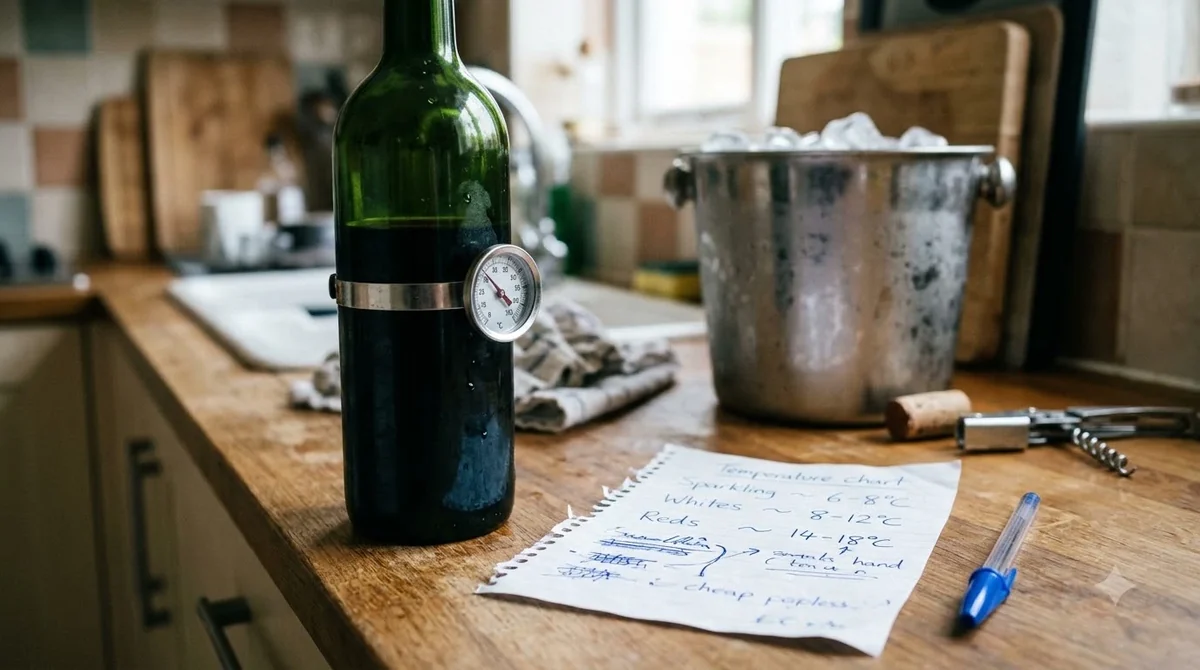
Malbec and Cabernet Sauvignon are generally best served slightly cooler than a warm room. Full-bodied reds typically benefit from a serving temperature of 60 to 65 degrees Fahrenheit.
For a bottle of Malbec, this range helps balance ripe fruit, acidity, and tannins. If the bottle has been stored in a warm kitchen or living area, a short period in the refrigerator can bring it closer to the preferred temperature.
Cabernet Sauvignon generally has firmer tannins than Malbec. Serving it at an appropriate temperature helps prevent excessive warmth from making the alcohol seem more prominent than the fruit and structure.
Serving White Wines
Chardonnay is generally best served at 50 to 55 degrees Fahrenheit when it is a fuller white wine. This temperature helps retain freshness while allowing the wine’s texture and aromas to remain expressive.
For white blends with a lighter style, a temperature closer to 45 to 50 degrees Fahrenheit can be appropriate. Avoid serving white wine so cold that its aromas become difficult to detect.
Opening and Decanting
A young, full-bodied red may benefit from 30 to 60 minutes of decanting before serving. This can help the wine open aromatically and make its structure more accessible.
Decanting is not compulsory for every bottle. A regular Malbec can often be poured directly into a suitable glass, while a more structured red may benefit from additional exposure to air. Pouring a small initial glass and allowing it to develop can also be a useful approach.
Storing Unopened Bottles
For longer storage, keep bottles in a cool, dark location near 55 degrees Fahrenheit. A consistent temperature is more important than frequent movement between warm and cold environments.
Traditional cork-sealed bottles should generally be stored horizontally so the cork remains in contact with the wine. Keep bottles away from direct sunlight, strong vibrations, and heat sources such as ovens or radiators.
Keeping Open Bottles Fresh
After opening a bottle of Luigi Bosca wine, reseal it and place it in the refrigerator. Most opened still wines retain their useful drinking character for approximately three to five days, depending on the wine, storage conditions, and exposure to oxygen.
Allow refrigerated red wine to warm slightly before serving again. A brief period outside the refrigerator can bring it back toward its recommended serving temperature without requiring elaborate equipment.
These basic practices help preserve the wine’s fruit and structure while making it easier to enjoy a bottle over more than one meal.
Frequently Asked Questions
Is Luigi Bosca a family-owned winery?
Wine.com identifies Bodega Luigi Bosca as founded by the Arizu family in Mendoza in 1901. The family is closely associated with the winery’s history and its development of Argentine wine. Its long-standing connection with Mendoza is an important part of the brand’s identity.
What does DOC mean on Luigi Bosca Malbec?
DOC stands for Denominación de Origen Controlada, a controlled designation of origin. Luigi Bosca identifies its De Sangre Malbec DOC with the Luján de Cuyo designation in Mendoza. The designation connects the wine with a specific geographical identity rather than simply identifying the grape variety.
Is Luigi Bosca Malbec suitable for vegetarian meals?
Yes, Malbec can accompany vegetarian dishes with substantial flavors. Grilled eggplant, roasted mushrooms, lentil dishes, and tomato-based pasta can provide enough richness and flavor to complement its fruit and tannins. Avoid extremely delicate preparations that may be overwhelmed by a structured red.
How many glasses are in a standard Luigi Bosca bottle?
A standard 750 ml bottle provides approximately five servings when poured at the usual 5 oz serving size. The exact number depends on the amount poured into each glass. A larger tasting pour will reduce the number of servings available.
Can Luigi Bosca wine be kept for several years?
Cellaring potential depends on the individual bottling, vintage, and storage conditions. The producer describes its standard Malbec as having good aging potential, but this should not be interpreted as a guarantee that every bottle will improve over time. Premium wines and structured reds should be evaluated individually rather than assuming the entire range has the same aging window.
Luigi Bosca offers several ways to explore Mendoza, from approachable Malbec and Cabernet Sauvignon to De Sangre, Los Nobles, and Paraiso. The most useful purchasing decision comes from matching the collection and grape variety to the occasion, then comparing equivalent bottles across US retailers. For many first-time buyers, the regular Malbec is a practical introduction, while the more distinctive collections provide opportunities to explore the producer’s regional character in greater depth.
More in Wine Brands
 Piper Heidsieck Brut Price: Find the Right Bottle for Your BudgetUpdated Nov 21, 2026
 Pine Ridge Wine Price: Compare Bottles and Find the Right ValueUpdated Nov 21, 2026
 Planeta Wine Price: Compare Sicilian Bottles and Find Your FitUpdated Nov 21, 2026
 Pacific Rim Riesling Price: How to Spot a Fair Bottle RangeUpdated Nov 21, 2026
 Pierre Zero Wine Review: Find Your Best Alcohol-Free StyleUpdated Nov 21, 2026
 Ponzi Wine Review: How to Choose the Right Oregon BottleUpdated Nov 21, 2026