

We may earn a commission when you buy through links on this page, at no extra cost to you. Learn more.
This kirkland signature prosecco review finds that Costco’s Italian sparkling wine is a strong option for shoppers seeking fresh fruit flavors, lively bubbles, and versatile food pairings. Its Extra Dry style balances apple, floral, and citrus character with noticeable acidity rather than pronounced sweetness. The most important buying consideration is the specific bottle: Kirkland Signature has sold different Prosecco versions, including DOC and DOCG bottlings, so shoppers should distinguish between them before comparing descriptions or reviews.
Kirkland Signature Prosecco has become a familiar name among Costco wine shoppers because it combines an approachable Italian sparkling-wine style with the convenience of a warehouse private label. It is designed for casual occasions, celebrations, appetizers, and mixed drinks rather than extended cellar aging. However, the name alone does not tell the whole story. The region, appellation, alcohol percentage, and producer information can differ between releases. Understanding those details makes it easier to decide whether the bottle suits a particular meal, gathering, or personal preference.
Who This Prosecco Is For
Kirkland Signature Prosecco is best suited to shoppers who enjoy refreshing sparkling wine with fruit-forward flavors, moderate alcohol, and enough acidity to work alongside food. Its Extra Dry profile makes it particularly appealing to people who want a little roundness without moving into the noticeably sweet territory of dessert sparkling wines.
The wine makes sense for several types of occasions. A chilled bottle can begin a dinner with olives, cheese, or cured meats, while its lively bubbles make it suitable for birthdays, holiday gatherings, brunches, and informal celebrations. Its approachable character also makes it a practical introduction for someone exploring Italian sparkling wine without immediately choosing a more expensive traditional-method bottle.
Food & Wine identifies the Asolo DOCG version as a light, crisp, fruity, and floral wine with citrus character. Costco’s own description of its DOCG bottling highlights golden apple, almond, and honey aromas, together with lively acidity and a velvety finish. Those descriptions suggest a wine with enough aromatic interest for drinking on its own but without the heavier structure associated with extended bottle-aged sparkling wines.
There are also situations where another style may be more appropriate. Someone looking for a bone-dry sparkling wine should investigate Brut Nature or Extra Brut rather than assuming that every Extra Dry Prosecco is completely dry. Someone seeking the richer, toastier flavors associated with Champagne’s traditional bottle fermentation may also prefer a different category.
The following shoppers are likely to appreciate the style:
- Casual sparkling-wine drinkers: The combination of fruit, acidity, and bubbles is easy to understand and enjoy.
- Brunch hosts: Its fresh character works in mimosas and alongside egg dishes, fruit, and lighter breakfast foods.
- Appetizer-focused entertainers: Acidity and carbonation complement salty cheeses, cured meats, and crisp vegetables.
- Costco wine shoppers: The private-label format makes it convenient to explore Italian sparkling wine during a regular warehouse visit.
- New Prosecco drinkers: The familiar apple, pear, citrus, and floral flavor family provides an accessible introduction.
Shoppers who prefer intense yeast, brioche, or toasted-nut flavors from traditional-method sparkling wine should compare other categories before choosing. Kirkland Signature Prosecco is principally about freshness, fruit, and an easygoing drinking experience.
Key Factors to Compare Before Buying
The most useful buying criteria are appellation, sweetness, alcohol content, grape composition, and the character of the bubbles. These details help separate different Kirkland bottlings and explain why two bottles carrying the same private-label name may not have identical tasting profiles.
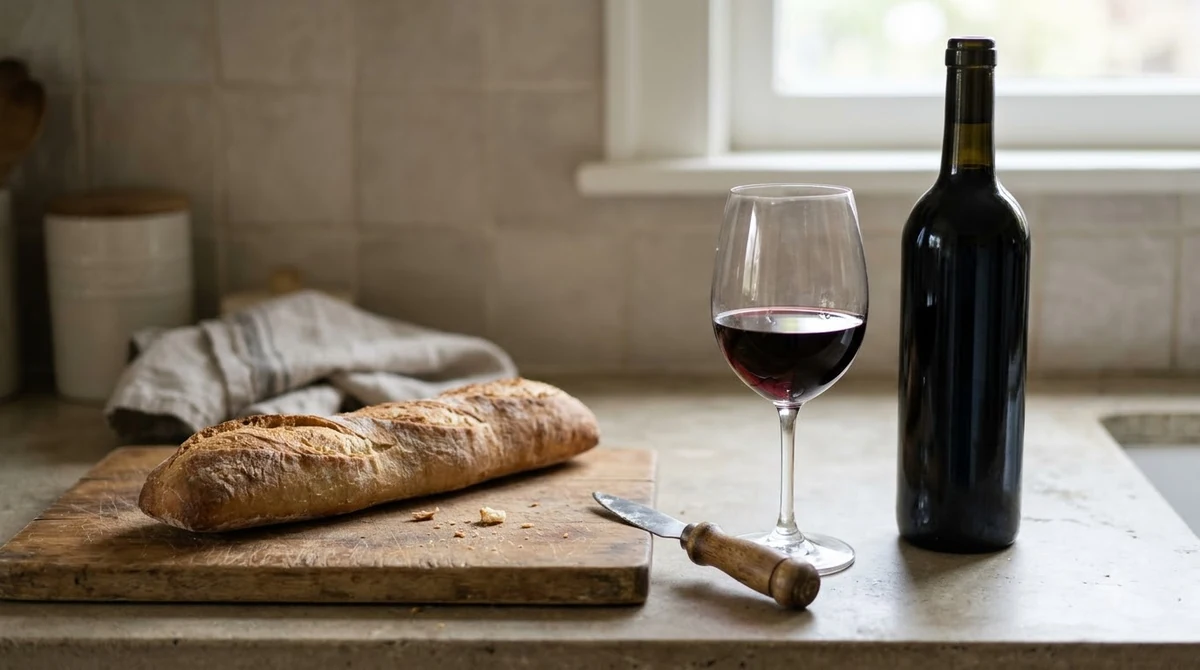
Start with the appellation. Prosecco DOC and Prosecco Superiore DOCG are not interchangeable designations. DOCG identifies a more tightly controlled origin category, while DOC covers a broader production area. The Asolo and Conegliano Valdobbiadene hills are the two principal Prosecco Superiore DOCG areas. Food & Wine identifies the Kirkland Asolo version as a DOCG wine, while Costco describes its own DOCG bottling as coming from the Veneto region.
Sweetness is another important distinction. Extra Dry sounds drier than Brut, but the terminology works in the opposite direction. The standard sparkling-wine sweetness sequence runs from Brut Nature and Extra Brut through Brut, Extra Dry, Dry, Demi-Sec, and Doux. Extra Dry therefore generally has more residual sugar than Brut, although its acidity can keep the overall impression refreshing rather than sugary.
Alcohol content provides another practical comparison. Costco lists 11% ABV for its DOCG product, and Tastings also records 11% for the specific non-vintage Prosecco Superiore it reviewed. An earlier Kirkland Prosecco label approved by the Texas Alcoholic Beverage Commission lists 11.5% ABV. These differences reinforce why shoppers should identify the exact release instead of treating every Kirkland bottle as identical.
| Buying factor | What to look for | Why it matters |
|---|---|---|
| Appellation | DOC or DOCG | Identifies the regulated production origin and classification. |
| Grape | At least 85% Glera for Prosecco | Glera provides the familiar fruity and floral profile. |
| Alcohol | 11% ABV on the reviewed DOCG versions | Helps identify the bottling and compare its strength. |
| Sweetness | Extra Dry | Suggests a slightly rounder profile than Brut. |
| Bottle size | 750 ml | Provides approximately 5 standard 5 oz servings. |
| Vintage | NV | Indicates a non-vintage sparkling wine. |
| Production | Tank fermentation | Preserves fresh fruit and floral characteristics. |
| Origin | Asolo or another stated Prosecco area | Helps distinguish individual regional bottlings. |
Glera is the principal grape associated with Prosecco. Under the appellation rules explained by Food & Wine, the wine must contain at least 85% Glera. The remaining permitted grape varieties can contribute additional aromatic or structural characteristics. Green apple, pear, peach, citrus, and white flowers are familiar elements of the grape’s flavor profile.
Production method also influences expectations. Prosecco generally uses the Martinotti or Charmat method, in which the second fermentation takes place in pressurized tanks. This approach preserves fresh fruit character and creates the wine’s characteristic lively bubbles. Champagne and Cava traditionally undergo their second fermentation in the bottle, a process that can develop more pronounced bread, pastry, and yeast characteristics.
For a broader introduction to the different labels and producers available through Costco, the Kirkland Signature wine range is a useful starting point.
Step-by-Step: How to Choose the Right Bottle
Choosing Kirkland Signature Prosecco is easier when the decision follows a consistent sequence. Check the appellation first, establish the preferred sweetness, and then match the bottle to the occasion and food rather than relying entirely on the front label.
-
Identify the exact Prosecco designation.
Look for DOC or DOCG on the front label. A bottle marked Prosecco Superiore DOCG belongs to a different classification from a standard Prosecco DOC. If the label identifies Asolo or Conegliano Valdobbiadene, it also provides a more specific indication of regional origin.
-
Check the alcohol percentage.
The reviewed DOCG versions carry 11% ABV, while an earlier Kirkland DOC label approved in Texas stated 11.5%. This is a useful identification detail when comparing online reviews with the bottle in front of you.
-
Choose the preferred sweetness.
Extra Dry suits drinkers who enjoy fresh fruit with a gentle suggestion of sweetness. If a sharper, less sweet profile is the priority, look for Brut or Extra Brut alternatives instead.
-
Consider the intended occasion.
For a simple aperitif, serve the Prosecco by itself. For brunch, it can become the sparkling component of a mimosa. For a party, consider whether the wine will be served in individual glasses or used in several mixed drinks.
-
Plan the food pairing.
Choose salty appetizers, mild cheeses, fresh salads, and seafood with lighter preparations. For richer dishes, the bubbles and acidity can help balance the meal.
-
Check the producer and importer details.
Private-label wines can use different producers across releases. The back label is the best place to identify the named bottler and US importer for the particular bottle being purchased.
-
Consider the serving quantity.
A 750 ml bottle provides approximately five standard 5 oz servings. For a gathering of ten people receiving one glass each, two bottles provide roughly the required volume, although a larger gathering may require additional bottles.
This sequence avoids a common purchasing problem: assuming that an online review necessarily describes the exact bottle currently available at a Costco warehouse. Product names can remain similar even when the appellation, importer, or production details change.
Tip: Match the appellation and alcohol percentage in an online review with the bottle you are buying. A review of Kirkland Prosecco Superiore DOCG may not describe an older standard DOC release, even if both carry the Kirkland Signature name.
For additional comparisons between warehouse-label sparkling wines and established supermarket brands, the Wine Brands section provides a useful starting point for understanding producers, regional designations, and labeling terminology.
Types and Styles Explained
Kirkland Signature Prosecco should be understood as a family of related Italian sparkling-wine releases rather than one permanently identical product. Standard DOC, Superiore DOCG, and regional DOCG versions can differ in origin and labeling, while their shared Prosecco identity generally points toward fresh fruit, floral aromas, and lively carbonation.
Standard Prosecco DOC comes from the wider designated Prosecco production area in northeastern Italy. It is commonly made primarily from Glera and offers the familiar fresh apple, pear, citrus, and floral character. The earlier Kirkland DOC label documented by the Texas Alcoholic Beverage Commission identified Friuli as its sourcing region, named G.V.F. S.P.A. as the estate bottler, and listed Cameron Hughes Wine as the importer. That information applies to that particular approved label, not automatically to every later Kirkland release.
Prosecco Superiore DOCG represents a more specific and tightly regulated category. The Asolo version discussed by Food & Wine comes from the hills around Asolo in Veneto. Its DOCG classification reflects controlled origin and production requirements. Costco’s own description of its DOCG wine emphasizes golden apple, almonds, honey, lively acidity, and a velvety finish.
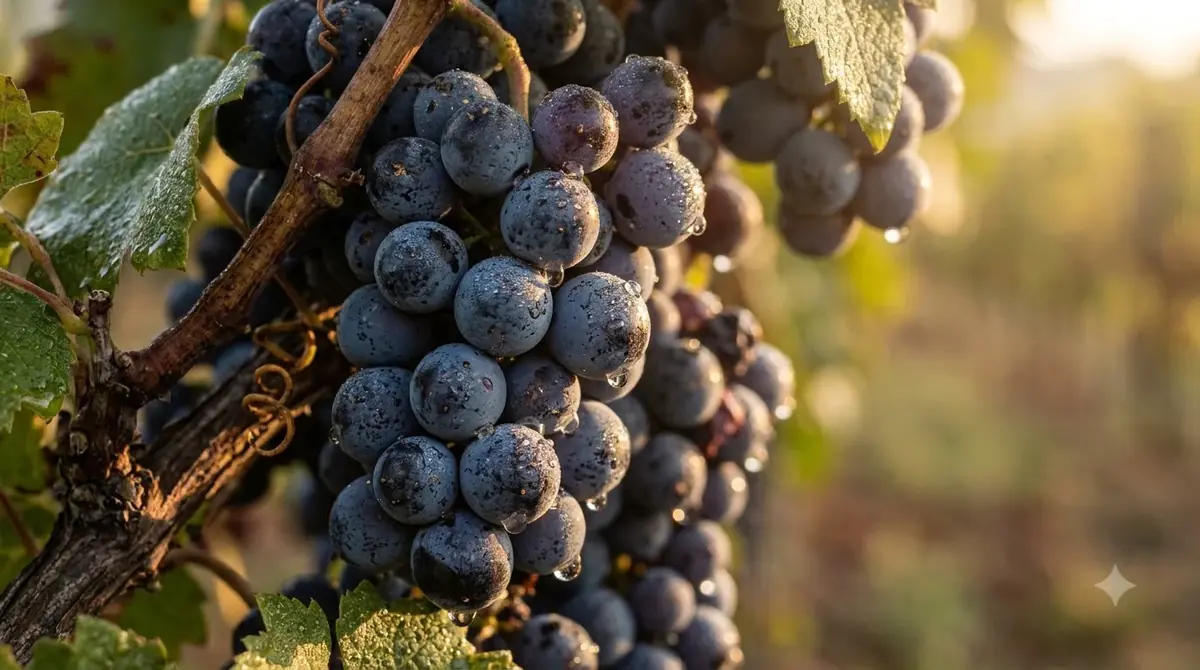
Asolo and Conegliano Valdobbiadene are both important DOCG areas, but they are distinct geographical designations. A bottle from Asolo should not automatically be treated as the same wine as one from Conegliano Valdobbiadene. This matters particularly when reading tasting reports, because different vineyard locations and production choices can influence the resulting aromas and structure.
Sweetness terminology deserves particular attention. The term Extra Dry can confuse shoppers who assume that dry means the lowest possible sugar level. In the Prosecco category, Extra Dry generally retains more residual sugar than Brut. However, high acidity can balance that sweetness, producing a wine that feels refreshing rather than overtly sweet.
The following distinctions help place Kirkland Signature in the wider sparkling-wine category:
- Brut Nature: Extremely dry, with little or no dosage sugar.
- Extra Brut: Very dry, with a restrained sweetness impression.
- Brut: A popular dry style that balances acidity and modest residual sugar.
- Extra Dry: A slightly softer and rounder style than Brut.
- Dry: Noticeably sweeter than Extra Dry despite the name.
- Demi-Sec: A sweeter sparkling style suitable for certain desserts and fruit dishes.
- Doux: The sweetest category in the standard sparkling-wine terminology.
The specific reviewed Kirkland Prosecco Superiore DOCG received a favorable assessment from Tastings. Its review awarded 92 points and a Gold Medal, describing aromas of peaches and cream, yellow cake, white blossoms, and parsley. The tasting notes also mention honeyed green apple, cherries, tangerine, and minerals, providing a more detailed picture than the general fruit-and-floral description on the retailer listing. The Tastings review of Kirkland Signature Prosecco Superiore DOCG provides the full assessment of that particular bottling.
That review should still be treated as a report on a particular bottle, not a guarantee that every Kirkland Prosecco release will taste identical. The most reliable approach is to use the bottle’s appellation and producer information to establish whether a published review applies to the wine being considered.
For shoppers interested in a familiar branded alternative, La Marca Prosecco provides another useful reference point. Both wines belong to the Prosecco category, but their regional designations, bottlings, and individual flavor profiles should be compared separately.
Common Mistakes When Buying Kirkland Prosecco
The biggest purchasing mistakes involve confusing sweetness terminology, assuming that all Kirkland releases come from the same producer, and treating DOC and DOCG as identical designations. Paying attention to these details makes the difference between choosing a bottle that fits the occasion and buying one based on an inaccurate expectation.
Assuming Extra Dry means bone dry is one of the most frequent misunderstandings. Extra Dry actually sits above Brut in the standard sparkling-wine sweetness hierarchy. A shopper who prefers a very crisp, restrained sweetness profile may be happier with Brut Nature, Extra Brut, or Brut. Someone who enjoys fruit-forward sparkling wine with a softer finish may prefer Extra Dry.
Confusing DOC with DOCG can also create unrealistic expectations. Both classifications identify regulated Italian wine origins, but DOCG applies additional controls and a more specific production framework. It is a useful quality and provenance indicator, although it does not automatically mean that every DOCG bottle will taste better than every DOC wine. Personal preference, producer decisions, freshness, and serving conditions remain important.
Assuming Costco uses one permanent producer is another mistake. Private-label wine sourcing can change between products and releases. An older approved Kirkland DOC label names G.V.F. S.P.A. and Cameron Hughes Wine, but those details should not be applied to a newer Asolo DOCG bottling without supporting label information. The distinction is especially important for shoppers researching who makes a particular bottle.
Expecting Champagne-like flavors can lead to disappointment. Prosecco’s tank-fermentation approach is designed to emphasize primary fruit and floral aromas. Champagne’s bottle-fermentation process often produces more developed yeast, biscuit, and pastry notes. Neither method is inherently better for every occasion; they simply produce different styles.
Serving the wine too warm can make its sweetness and alcohol seem more prominent while reducing the refreshing impression of its acidity and carbonation. Very cold temperatures, however, can suppress delicate aromas. A sensible serving range for sparkling wine is 40–50 degrees Fahrenheit.
Keeping an opened bottle exposed to air is another avoidable problem. Sparkling wine gradually loses carbonation after opening, especially if left at room temperature or without an appropriate sparkling-wine stopper. A refrigerated bottle with a secure pressure-resistant stopper is a better option for short-term storage.
Finally, do not assume that every Costco warehouse carries the same wine selection. Alcohol availability, product assortment, and distribution arrangements can differ by state and location. A bottle reviewed by a wine publication may not be available in every US market.
Care, Serving, and Storage Tips
Kirkland Signature Prosecco is best enjoyed young, properly chilled, and soon after opening. Its fruit-forward character and lively carbonation are central to its appeal, so careful temperature control and appropriate storage are more useful than extended aging.
For serving, aim for approximately 40–50 degrees Fahrenheit. This range helps preserve the wine’s refreshing bubbles while allowing apple, citrus, almond, and floral aromas to remain noticeable. If the bottle has been stored at room temperature, place it in a refrigerator well ahead of serving rather than relying on a few minutes of chilling at the last moment.
A standard 750 ml bottle provides about five 5 oz servings. For an aperitif, a smaller pour can leave room for appetizers and conversation. For a meal, a measured serving allows the wine to accompany several courses without overwhelming lighter flavors.
Use a clean sparkling-wine glass or a white-wine glass. A flute helps retain visible bubbles and provides a traditional presentation, but a slightly wider glass can make the aromatic profile easier to appreciate. Avoid filling the glass to the rim, since a little space allows the fruit and floral aromas to collect above the wine.
Food pairing is straightforward because Prosecco combines acidity, carbonation, and fruit. Its freshness works especially well with salty or lightly fatty foods. The bubbles can refresh the palate between bites, while the acidity helps balance richer textures.
Food pairings that work well
- Soft cheeses: Brie, fresh mozzarella, and mild goat cheese complement the wine’s fruit and floral notes.
- Salty cured meats: Prosciutto and mild salami benefit from the refreshing acidity and carbonation.
- Seafood: Shrimp, scallops, and simply prepared white fish make suitable partners.
- Fresh salads: Green salads with citrus-based dressings work well with a wine that already has bright acidity.
- Light poultry: Roasted chicken and crisp-skinned chicken dishes can complement the wine’s fruit character.
- Brunch dishes: Eggs, fruit plates, and mild breakfast pastries are natural options.
Be careful with very spicy food. Alcohol and tannin can amplify chili heat, although Prosecco’s relatively light structure and moderate alcohol make it more flexible than many full-bodied reds. Strongly acidic dishes also need an equally acidic wine so that the wine does not taste flat. A lemon-heavy seafood dish is therefore a more natural pairing than a rich, heavily spiced preparation.
Using Kirkland Prosecco in cocktails
Mimosas are among the simplest ways to use the wine. Combine chilled Prosecco with orange juice, adjusting the proportions to suit the desired fruit intensity. A higher proportion of sparkling wine preserves more carbonation and allows the wine’s own apple and citrus notes to remain noticeable.
A spritz is another option. Prosecco provides the sparkling foundation, while soda water and a bitter aperitif contribute additional refreshment and flavor. Add ice and a citrus garnish shortly before serving. Because Extra Dry Prosecco already has some perceived sweetness, the balance of the finished drink depends on the other ingredients.
For the best results, open the bottle immediately before preparing the drinks. Mixing a sparkling wine that has already lost much of its carbonation can produce a less lively cocktail.
Storing unopened and opened bottles
Unopened Prosecco should be kept in a cool, dark location away from direct sunlight and sudden temperature changes. A storage temperature near 55 degrees Fahrenheit is suitable for wine. For bottles intended for short-term storage, keeping them on their side is a conventional approach when they use natural cork closures.
Unlike some structured red wines or traditional-method sparkling wines intended for extended aging, a fresh Prosecco is generally best enjoyed while its fruit and bubbles remain vibrant. Tastings suggests enjoying its reviewed Kirkland Superiore DOCG from now through three years, but that recommendation applies to the specific wine in its review rather than every Kirkland bottling.
Once opened, use a proper sparkling-wine stopper and refrigerate the bottle. A reasonable guideline is to finish sparkling wine within one to three days, although carbonation and freshness will generally decline as time passes. Avoid leaving an open bottle on a kitchen counter overnight.
These practical habits preserve the wine’s most appealing features: crisp acidity, fresh fruit aromas, and lively bubbles. They also make it easier to serve the same bottle across a casual dinner or small gathering without sacrificing too much quality.
Frequently Asked Questions
Is Kirkland Signature Prosecco made in Italy?
Yes. Costco identifies its Kirkland DOCG Prosecco as an Italian sparkling wine from the Veneto region. An older Kirkland DOC label approved by the Texas Alcoholic Beverage Commission also identifies Italy as its country of origin and lists an Italian estate bottler.
Who actually makes Kirkland Signature Prosecco?
The producer can depend on the particular release, and Costco does not consistently identify the winery prominently in its product descriptions. The older Texas-approved DOC label names G.V.F. S.P.A. in Spilimbergo as the estate bottler and Cameron Hughes Wine as the importer. Those historical details should not be assumed to apply to every newer DOCG bottle.
Does Kirkland Signature Prosecco contain sulfites?
Yes, the earlier Kirkland DOC label approved by the Texas Alcoholic Beverage Commission explicitly declares that the wine contains sulfites. Costco’s UK product information also lists sulfites for its DOCG bottling. Sulfite declarations are standard information on many commercially produced wines.
Can Kirkland Signature Prosecco be used in a Bellini?
Yes. A Bellini traditionally combines sparkling wine with white peach purée. Kirkland Prosecco’s apple, peach, and floral characteristics make it a suitable base. Add chilled peach purée to a glass and gently top with the sparkling wine to preserve its carbonation.
Is Kirkland Signature Prosecco vegan?
Costco’s general product description does not establish whether every Kirkland Prosecco release is vegan. Wine clarification can involve processing aids such as animal-derived fining materials, and these may not be obvious from the front label. Shoppers who require verified vegan production should seek confirmation for the specific bottling from Costco or its named producer.
Kirkland Signature Prosecco is a sensible choice for shoppers who enjoy fresh Italian sparkling wine with lively acidity, fruit-forward aromas, and an approachable Extra Dry style. Its DOCG releases offer an especially interesting regional identity, although the precise bottle designation and producer details matter when comparing reviews. For casual celebrations, appetizers, brunch cocktails, and everyday sparkling-wine occasions, it deserves a place on the Costco shopping list.
More in Wine Brands
 Piper Heidsieck Brut Price: Find the Right Bottle for Your BudgetUpdated Nov 21, 2026
 Pine Ridge Wine Price: Compare Bottles and Find the Right ValueUpdated Nov 21, 2026
 Planeta Wine Price: Compare Sicilian Bottles and Find Your FitUpdated Nov 21, 2026
 Pacific Rim Riesling Price: How to Spot a Fair Bottle RangeUpdated Nov 21, 2026
 Pierre Zero Wine Review: Find Your Best Alcohol-Free StyleUpdated Nov 21, 2026
 Ponzi Wine Review: How to Choose the Right Oregon BottleUpdated Nov 21, 2026