

We may earn a commission when you buy through links on this page, at no extra cost to you. Learn more.
The best shatterproof wine glasses are usually made from tritan, polycarbonate-style plastic, or tempered glass, and the right pick depends on where you drink. Choose plastic-style or tritan glasses for pools, picnics, boats and outdoor parties, where breakage would be a hazard. Choose tempered glass for everyday use at home if you want something closer to a traditional glass feel. Stemless designs are the sturdiest shape because there is no thin stem to snap.
Breakable stemware is one of the most common kitchen losses, and it becomes a real problem outdoors, near pools, or around children. This roundup groups shatterproof wine glasses by the situations they handle best, explains what each material gives you, and lists the trade-offs to weigh before you buy. Read it as a guide to choosing a category first, then pick a specific glass within that category.
Quick Comparison
Shatterproof is a spectrum rather than a single category. Some glasses are designed to resist cracking when dropped, others only reduce the risk of sharp shards, and a few look like glass but flex under stress. The table below compares the common types by what they do well and where they fall short.
| Glass type | Typical material | Best use | Main trade-off |
|---|---|---|---|
| Tritan-style unbreakable | Tritan copolyester or similar plastic | Pools, decks, boats, picnics | Feels lighter, and some people notice a plastic taste or feel |
| Polycarbonate-style plastic | Rigid plastic | Camping, tailgates, large outdoor groups | Can scratch and may look less refined |
| Tempered glass | Heat-treated glass | Everyday home use, dishwasher routines | Heavier, and it can still break under hard impact |
| Stemless tumbler | Glass or plastic | Casual drinking, families, busy households | Less traditional shape for formal wine service |
| Standard thin crystal | Lead-free crystal or thin glass | Formal dinners and tasting | Not shatterproof, and the thin rim and stem are the most fragile parts |
Check the product description for the exact material before you buy. Shatterproof claims are often marketing language, so a glass labeled as unbreakable should state what it is made from and whether it is safe for dishwashers.
Best for Pool and Patio Gatherings
For drinks beside a pool or on a deck, the main goal is a glass that survives a dropped bottle or a knocked table without leaving sharp fragments. Tritan-style glasses are the usual answer here because they are clear, light and hard to chip.
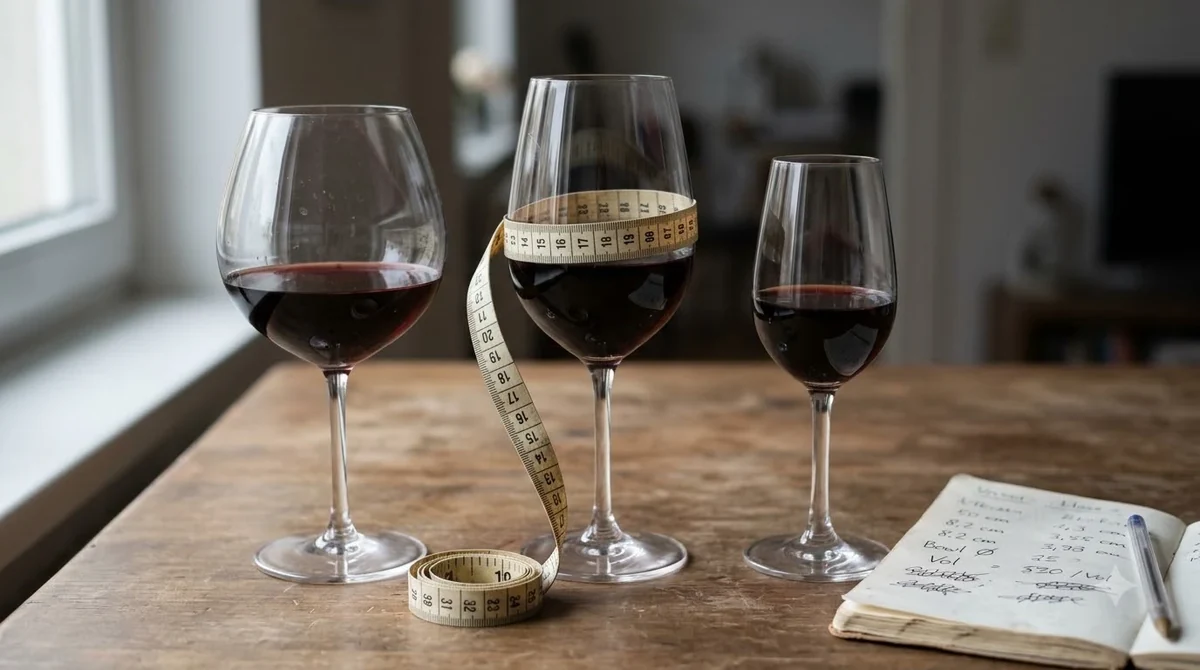
Why it stands out: A clear plastic glass looks close enough to glass at a casual party, and it is easy to hold with wet hands. Its weight is low, which makes it comfortable for long afternoons.
Keep in mind: Plastic holds heat differently from glass, so wine may warm up faster in direct sun. Chill the bottle well and keep it in a cooler if the day is hot.
Best for: Hosts who want a relaxed setup with a low chance of broken glass near the water.
Best for Picnics and Travel
Picnics and day trips add bumps, bags and uneven ground. A glass that packs flat or nests inside a bag protects both the glass and the rest of your gear.
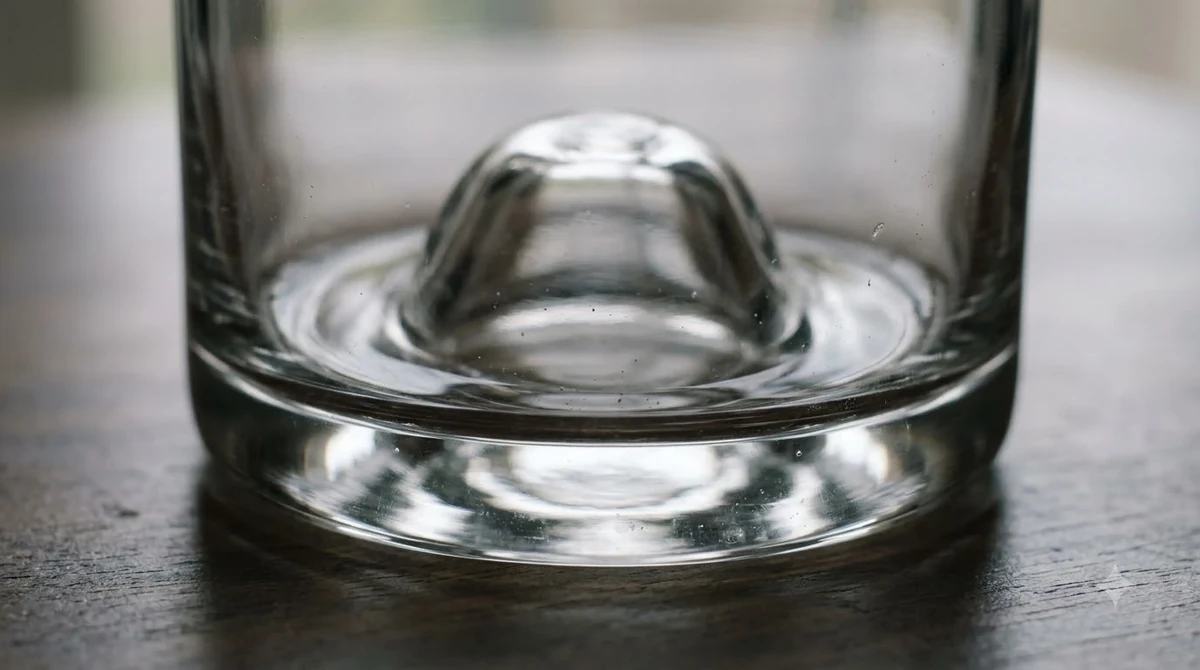
Why it stands out: Lightweight unbreakable glasses reduce the weight of a picnic bag and rarely need wrapping. Many are sold in sets, which makes sharing easy.
Keep in mind: Some plastic glasses scratch over time, especially if they are stacked or washed with abrasive sponges. Store them separately if you can.
Best for: Travelers and anyone who carries wine to parks, beaches or events where glass is often banned.
Best for Busy Households and Frequent Hosting
In a household with lots of traffic, glasses get stacked, knocked and washed often. Tempered glass suits people who want the feel of glass but need more resistance than standard thin stemware.
Why it stands out: Tempered glass keeps the look and clarity of glass while handling daily wear better than thin crystal. It is a sensible middle ground for a family kitchen.
Keep in mind: Tempered glass is heavier and can still break under a hard enough impact. Treat it as a reduced-risk option rather than a guarantee.
Best for: Households that drink wine most evenings and want a set that can be used without constant worry.
Best for Camping and Boating
Campsites and boats have little space and a lot of movement. A glass that will not crack when it tips over is more useful than a delicate one, even if it is less elegant.
Why it stands out: Unbreakable plastic glasses are built for rough handling and are easy to rinse with limited water. They do not roll and shatter the way glass can.
Keep in mind: Plastic does not handle high heat well, so avoid leaving it near a campfire or in a hot car for long periods.
Best for: Campers, boaters and anyone who needs a durable glass in a small, unstable space.
Best for Stemless Everyday Use
Stemless glasses are the sturdiest shape. Without a stem, the most fragile point is removed, and the wide base is harder to knock over.
Why it stands out: A stemless tumbler is stable on a crowded table and is easy to store. It works for casual red and white wine, and it is less likely to snap than a stemmed glass.
Keep in mind: Holding the bowl warms the wine faster, and the shape is less suited to formal tasting. Stemmed glasses remain the better choice when you want to judge color and aroma closely.
Best for: Anyone who drinks wine casually and values stability over tradition.
How to Choose
Start with the place you will use the glass most, then check material, shape and cleaning needs. The checklist below covers the factors that matter most for shatterproof glasses.
- Material: Tritan or plastic for outdoor use, tempered glass for home use with more feel of glass.
- Shape: Stemless for stability, stemmed for a closer look at color and aroma.
- Capacity: A bowl that holds a comfortable pour without filling to the rim keeps spills down.
- Cleaning: Check whether the glass is dishwasher safe and whether heat changes its shape or clarity over time.
- Storage: Choose a size that fits your cabinet or bag, and keep plastic away from sharp objects.
Think about how often you will wash the glasses and where they will live between uses. A set that goes in the dishwasher and fits your cabinet will get used far more than a beautiful set that needs hand washing and careful stacking. Count how many glasses you need for a typical gathering as well, because running short mid-party is the most common reason people buy a second set.
If you want a stemmed glass for formal occasions, a standard shape is still the better fit. Many hosts keep one set of shatterproof glasses for outdoor events and a separate set of stemmed glasses for dinners, which covers both needs without risking the good glassware.
Pay attention to the rim as well. A thicker, rounded rim feels more comfortable on the lips and tends to be less prone to chipping than a thin, sharp edge. Good shatterproof glasses often use a softer rim profile, which also makes them easier to drink from during a long evening. For a deeper look at shapes by wine style, the overview of wine glass design on Wikipedia explains how bowl shape and opening size affect the wine.
Frequently Asked Questions
Are shatterproof wine glasses really unbreakable?
No glass is completely unbreakable. Tritan and plastic-style glasses resist cracking and fragments much better than thin crystal, but they can still be damaged by heavy impact or heat. Tempered glass is stronger than standard glass but can break under hard enough force.
Can shatterproof wine glasses go in the dishwasher?
Many are labeled dishwasher safe, but check the packaging. High heat and strong detergents can cloud plastic over time, so a gentle cycle on the top rack is usually the safer choice.
Do plastic wine glasses change the taste of wine?
Some people notice a plastic taste or a different mouthfeel, especially with older or lower-quality plastic. Tritan-style glasses are often described as neutral, but tasting a few options is the only reliable way to know what you prefer.
What is the best shape for a shatterproof wine glass?
A stemless tumbler is the most stable shape and suits casual use. A stemmed glass with a moderate bowl works better if you want to look at the wine closely, and the stem keeps hand warmth away from the wine.
For most people, the right choice is a set that matches where you drink most. Start with a pool or picnic set if breakage is the main worry, or choose tempered glass for everyday home use. If you want more options in the same category, browse the wine glasses guide and the wine glasses section for shapes and sets that fit your budget and space.
More in Wine Glasses
 Spiegelau Crystal Wine Glasses That Bring Clarity to Every PourUpdated Nov 21, 2026
 Zalto Crystal Wine Glasses: Are They Worth the Investment?Updated Nov 21, 2026
 Villeroy And Boch White Wine Glasses for a More Cohesive TableUpdated Nov 21, 2026
 Zalto Wine Glasses On Sale: Find the Right Denk’Art GlassUpdated Nov 21, 2026
 Zwiesel Glas Champagne Glasses: Features, Quality and Buying AdviceUpdated Nov 21, 2026
 Zwiesel Glas Decanter Review: A Durable, Elegant Choice for Wine ServiceUpdated Nov 21, 2026