

We may earn a commission when you buy through links on this page, at no extra cost to you. Learn more.
This casal garcia wine review finds that Casal Garcia is a strong choice for drinkers who enjoy light-bodied Portuguese wines with refreshing acidity, citrus fruit, and an approachable style. Its signature White Vinho Verde combines four regional grape varieties, modest alcohol, and a delicate fruity character. The range also includes alternatives such as Alvarinho, rosé, and red wine, giving shoppers several options depending on their preferred flavors and occasions.
Casal Garcia is particularly recognizable for its blue-toned bottle and distinctive label. Produced by Portuguese winery Aveleda, the brand offers an accessible introduction to Vinho Verde, a wine region known for fresh, youthful wines. However, choosing the right bottle requires understanding the differences between its styles, sweetness levels, grape varieties, and food-pairing possibilities. This guide explains what to expect before purchasing, how to serve it, and which drinkers are most likely to appreciate its character.
Who Should Choose Casal Garcia Wine?
Casal Garcia is particularly suitable for people who enjoy refreshing white wine rather than heavily oaked, full-bodied bottles. Its signature White Vinho Verde has 9.5% alcohol by volume according to the producer’s technical sheet, making it a lighter alternative to many familiar American white wines.
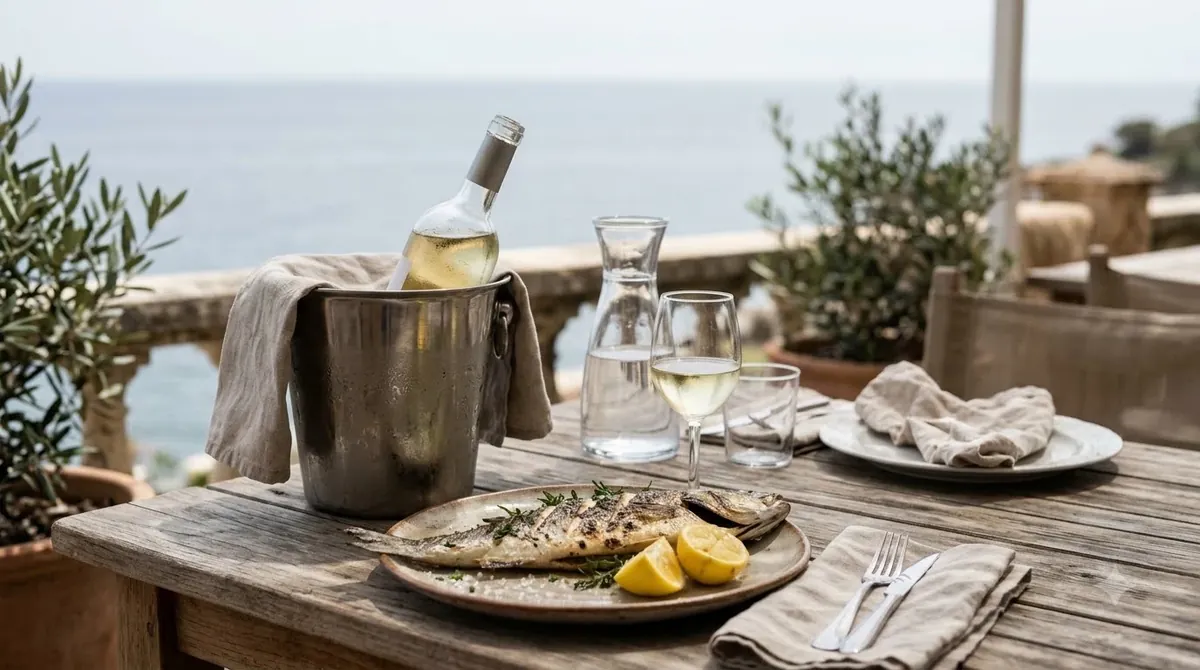
The signature white blend works especially well for casual dinners, outdoor lunches, seafood meals, and informal gatherings. Its combination of citrus character, fresh acidity, and modest alcohol gives it an easygoing personality. Drinkers who appreciate Sauvignon Blanc but want a softer, fruit-forward alternative may find the style appealing. It also makes sense for people exploring Portuguese wine for the first time because its flavor profile is relatively approachable.
There are some important limitations to consider. Someone who prefers heavily textured Chardonnay, substantial oak influence, or concentrated white Burgundy may find Casal Garcia comparatively simple. Its primary white wine is designed around freshness and immediate enjoyment rather than extended bottle development or complex aging characteristics.
Drinkers who are likely to enjoy it
- Casual white wine drinkers: People who appreciate citrus, green apple, and light-bodied wines.
- Seafood enthusiasts: Those who regularly prepare shrimp, grilled fish, sushi, or shellfish.
- Lower-alcohol wine shoppers: People looking for a white wine with less alcohol than many conventional table wines.
- Portuguese wine newcomers: Anyone interested in discovering Vinho Verde without beginning with a particularly demanding wine style.
- Social hosts: People who want a refreshing bottle for appetizers, picnics, and relaxed meals.
By contrast, full-bodied red wine enthusiasts may prefer something more substantial. A shopper who usually chooses Cabernet Sauvignon, Syrah, or heavily oaked Chardonnay should recognize that Casal Garcia White occupies a very different part of the wine spectrum.
For shoppers comparing approachable supermarket wine brands, the Barefoot wine range offers another useful reference point. The two brands have different portfolios and styles, so the better choice depends on whether freshness, fruit-forward character, or a particular sweetness level matters most.
Key Factors to Compare Before Buying Casal Garcia
The most useful purchasing considerations are grape composition, alcohol content, sweetness, acidity, and bottle style. These characteristics explain why Casal Garcia White tastes different from a conventional Chardonnay or a sweeter aromatic white wine.
| Factor | Casal Garcia White | What It Means for Buyers |
|---|---|---|
| Producer | Aveleda | Established Portuguese wine producer |
| Origin | Vinho Verde DOC, Portugal | Regional Portuguese white wine |
| Grape varieties | 4 varieties | Trajadura, Loureiro, Arinto, Fernão Pires |
| Alcohol | 9.5% ABV | Lighter than many conventional table wines |
| Residual sugar | 11 g/L | A useful indicator of the wine’s sweetness |
| Total acidity | 6.7 g/L | Supports its refreshing character |
| Standard bottle | 750 ml | Approximately 5 standard 5-ounce servings |
| Recommended serving | 46–50°F | Serve well chilled |
| Fermentation temperature | 16–18°C | Controlled fermentation preserves fresh aromas |
These figures come from the producer’s published technical sheet rather than assumptions based on the wider Vinho Verde category. Aveleda provides the production details, grape composition, and serving recommendations in its official Casal Garcia White technical sheet. They provide a useful starting point, although individual bottlings and other Casal Garcia styles should not automatically be assigned the same specifications.
Grape composition
The four grapes in Casal Garcia White are Trajadura, Loureiro, Arinto, and Fernão Pires. This combination brings together different aromatic and structural characteristics. Rather than relying on one dominant international grape, the blend reflects the local winemaking tradition of northwestern Portugal.
Loureiro is particularly associated with expressive floral and citrus aromas. Arinto contributes useful acidity, while Trajadura can provide fruit and roundness. Fernão Pires is another aromatic Portuguese variety that helps contribute to the blend’s approachable fruit character. The exact sensory contribution of each grape depends on growing conditions, ripeness, and winemaking decisions.
Alcohol and sweetness
The standard White technical sheet specifies 9.5% ABV and 11 grams per liter of sugar. These numbers help explain why the wine can feel relatively light and approachable. However, alcohol content and sweetness are different measurements. A wine with modest alcohol is not automatically sweet, and a wine with noticeable fruit aromas is not necessarily sugary.
Casal Garcia White is best approached as a fresh, fruit-forward wine that can have a gentle off-dry impression rather than as a dessert wine. Retail descriptions can differ in how they classify its sweetness, so shoppers should distinguish perceived fruitiness from measurable residual sugar.
The acidity also matters. The producer’s 6.7 grams per liter total acidity figure helps explain the wine’s refreshing character, especially when served cold. Its freshness makes it a practical partner for food rather than simply a wine intended to be consumed on its own.
Tip: Do not judge Casal Garcia White by its fruit aromas alone. Citrus, peach, and tropical fruit impressions can make a wine seem sweeter than it actually is. Consider its residual sugar, acidity, and overall balance together.
Step-by-Step: How to Choose and Serve Casal Garcia
Choosing the right Casal Garcia bottle becomes easier when the process starts with the occasion and preferred wine style. The signature white blend is the natural starting point, but other varieties may suit more specific preferences.
-
Decide whether you want white, red, rosé, or aromatic wine.
Start with the signature White Vinho Verde if you want a light, refreshing wine. Consider Alvarinho if you prefer a more focused single-grape expression. Rosé offers another direction for casual drinking, while the red bottling is more appropriate for people who want a traditional red-wine experience.
-
Consider the food you plan to serve.
For sushi, shrimp, and grilled fish, the standard white blend is a sensible choice. For richer meals, think about the sauce and preparation. Lemon, herbs, and lighter seasonings work particularly well with its fresh acidity.
-
Compare alcohol and sweetness.
The producer’s standard white blend contains 9.5% ABV and 11 g/L sugar. If a lighter, refreshing wine is your priority, these specifications provide a useful reference. For a more concentrated aromatic white, investigate the separate Alvarinho bottling rather than assuming every bottle in the range tastes alike.
-
Choose an appropriate serving temperature.
Chill the white wine to approximately 46–50°F. This corresponds to the producer’s recommended temperature of 8–10°C. Allow a bottle that has become excessively cold to warm slightly in the glass if its aromas seem muted.
-
Use a standard wine glass and sensible portions.
A 750 ml bottle contains approximately five standard 5-ounce servings. A medium-sized white wine glass provides sufficient room for aromas while keeping the wine easy to enjoy alongside food.
-
Open the bottle shortly before serving.
Unlike an older structured red wine that may benefit from decanting, Casal Garcia White generally needs no decanter. Open it, pour a small sample, and serve while it remains chilled.
-
Store any remaining wine properly.
Reseal the bottle and refrigerate it after opening. For the best fresh-fruit character, aim to finish still wine within approximately three to five days, recognizing that aroma and flavor can gradually decline.
This process keeps the purchasing decision practical. There is little reason to overcomplicate a wine whose principal appeal is freshness, accessibility, and compatibility with everyday food.
Casal Garcia Wine Types and Styles Explained
Casal Garcia is more than one white wine, although its White Vinho Verde is the signature reference point. Understanding the differences between the available styles helps shoppers avoid expecting every bottle to have the same acidity, body, alcohol, or flavor profile.
Casal Garcia White Vinho Verde
The signature white blend is the most recognizable starting point. It comes from the Vinho Verde DOC in Portugal and combines Trajadura, Loureiro, Arinto, and Fernão Pires. Its official specifications include 9.5% alcohol, 11 g/L sugar, and 6.7 g/L total acidity.
The expected flavor direction includes citrus and tropical fruit, with a refreshing finish. Retail descriptions also identify green apple, melon, peach, grapefruit, and lime impressions. The wine is light-bodied, and some descriptions mention a slight spritz that adds to its fresh character.
This style is particularly appropriate for seafood, sushi, salads, and uncomplicated chicken dishes. It is also an easy option for informal gatherings where guests may prefer lighter wines rather than substantial, heavily structured bottles.
Casal Garcia Alvarinho
Alvarinho is a separate wine in the portfolio and should not be confused with the four-grape signature blend. The producer identifies it as a single-variety wine with 12% ABV.
Its official description emphasizes floral aromas, vibrant freshness, and a long, balanced finish. This makes it an interesting alternative for shoppers who enjoy the freshness associated with Portuguese white wines but want a more focused expression of a particular grape.
The producer suggests serving it with oysters, vegetables prepared with garlic and olive oil, salmon with herbs and lemon, and seared tuna. These pairings illustrate its suitability for dishes with both delicate flavors and more substantial textures.
Casal Garcia Rosé
The brand also lists rosé as part of its wine range. Rosé can be a useful alternative for shoppers who want a wine with red-fruit associations while retaining the refreshing appeal of a chilled bottle.
However, shoppers should avoid assuming that the rosé has identical specifications to the white blend. Alcohol, sweetness, grape composition, and production details can differ between individual wines. The best approach is to evaluate the rosé as its own product rather than transferring the white wine’s technical figures to it.
Casal Garcia Red
The red wine offers a different experience from the brand’s signature white. Its producer describes the red bottling as aromatic and elegant, with ripe red-fruit notes and a delicate vanilla impression.
The published technical information for the red wine identifies Touriga Nacional, Alicante Bouschet, and Syrah as its grape varieties. This is a separate blend and should not be confused with the traditional white Vinho Verde combination.
Its fuller red-fruit character makes it more appropriate for people who enjoy red wines with savory meals. Grilled meats and dishes with moderate richness provide more natural pairing opportunities than delicate raw seafood.
Choosing between the styles
The following comparison summarizes the practical differences shoppers should consider.
- White: Best for citrus freshness, seafood, salads, and casual drinking.
- Alvarinho: Best for floral aromas, a single-grape expression, and more focused white-wine character.
- Rosé: Best for people who want a chilled wine with a different fruit profile.
- Red: Best for drinkers who prefer ripe red-fruit character and savory food pairings.
For another comparison involving refreshing sparkling and light-bodied wine, see our guide to La Marca Prosecco. Although Prosecco and Vinho Verde are different wine styles, both can work well for informal occasions where freshness is a priority.
Common Mistakes When Buying Casal Garcia
Most purchasing mistakes happen because shoppers assume all light Portuguese wines have identical sweetness, bubbles, and flavor. Casal Garcia is relatively straightforward, but understanding a few distinctions helps set realistic expectations.
Assuming Vinho Verde means green-colored wine
The term Vinho Verde refers to a Portuguese wine region and its wine designation, not a requirement that the wine be green in color. White Vinho Verde is generally pale in appearance, while rosé and red versions are also produced in the region.
The word verde is associated with youthfulness and the traditional emphasis on drinking many of these wines relatively young. Casal Garcia White follows this fresh, youthful style. Its identity comes from its Portuguese origin and grape blend, not from an unusual green appearance.
Expecting Champagne-style bubbles
Some Vinho Verde wines have a slight effervescence, but that does not make them equivalent to Champagne or Prosecco. Casal Garcia White may have a gentle spritz that contributes to its crisp impression, but it is not intended to provide the sustained mousse and pronounced bubbles of a traditional sparkling wine.
For a shopper seeking pronounced sparkling-wine characteristics, a bottle of Champagne, Cava, or Prosecco would be a more suitable purchase. Prosecco, for example, is generally produced from Glera grapes using the tank method, while Champagne and Cava undergo their second fermentation in the bottle.
Confusing fruitiness with high sweetness
Peach, melon, citrus, and tropical aromas can create an impression of sweetness even when the wine is relatively balanced by acidity. This distinction is important when choosing a bottle for someone who normally prefers dry white wine.
The producer’s 11 g/L sugar figure gives a more useful reference than simply describing the wine as fruity. It is better to consider sweetness alongside acidity and alcohol instead of relying on one tasting adjective.
Serving the wine too warm
Casal Garcia White is designed to be refreshing. Serving it at room temperature can make its freshness less apparent and its alcohol seem more noticeable. A temperature of 46–50°F is a better starting point.
Expecting a complex cellar wine
The signature white is intended primarily for youthful enjoyment. It is not designed to compete with long-aged white Burgundy or other premium wines whose appeal depends on extended maturation.
The producer says the white can be kept for approximately two years under suitable storage conditions, but recommends drinking it young. Shoppers seeking mature, developed flavors should consider a different category of wine.
Ignoring the food’s intensity
Light white wine can be overwhelmed by very rich sauces, heavily smoked meats, or intensely seasoned dishes. Conversely, a heavily tannic red wine can clash with delicate fish and seafood.
Casal Garcia White is a better match for meals where acidity and freshness can complement the ingredients rather than compete with them. Adjusting the sauce, seasoning, and preparation method can make a significant difference to the pairing.
Food Pairings, Serving and Storage Tips
Casal Garcia White works best with food that benefits from acidity and a light, fruity wine profile. Its strongest pairings include seafood, sushi, fresh salads, chicken, and vegetable dishes.
Seafood and fish
Seafood is one of the most natural categories to serve with Casal Garcia White. Grilled white fish, shrimp, scallops, steamed mussels, and simple shellfish preparations all complement the wine’s fresh profile.
The acidity helps balance lightly oily textures, while citrus aromas work naturally with lemon, herbs, and delicate seasonings. Sushi is another particularly sensible choice because the wine’s freshness can complement rice, seafood, and mild sauces without overpowering them.
Chicken and vegetarian meals
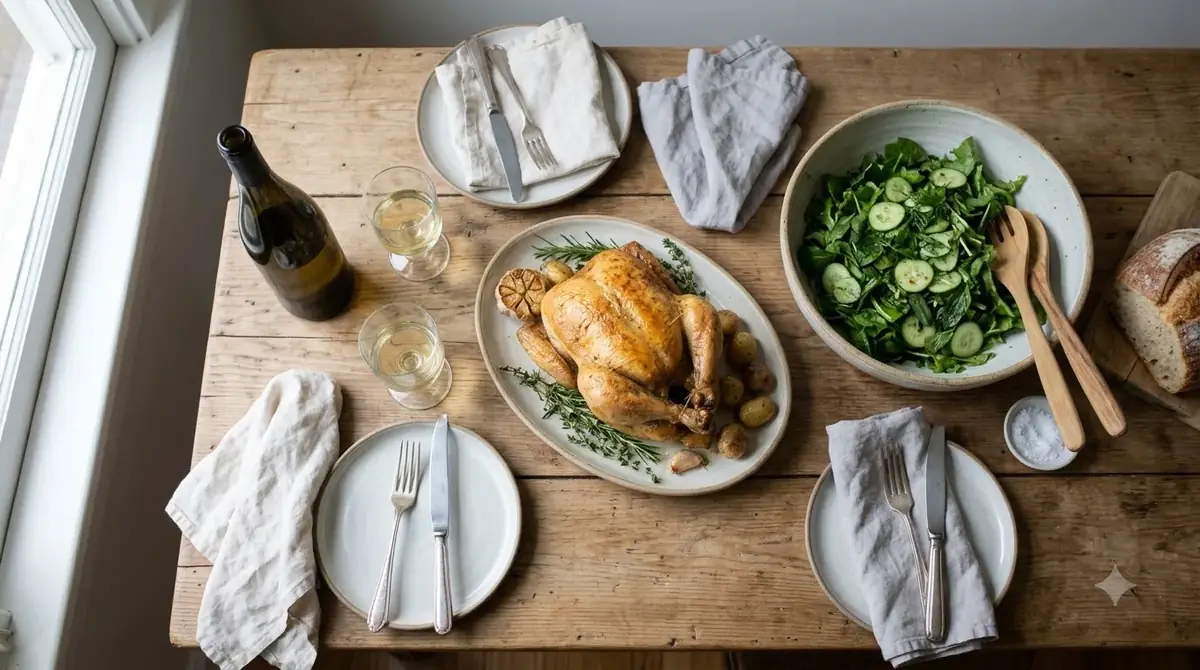
Chicken dishes with lemon, fresh herbs, and light seasoning make good companions. Roasted chicken with parsley, grilled chicken with citrus, and chicken salads are all practical options.
Vegetarian dishes can work equally well. Consider grilled zucchini, green salads, vegetable pasta, asparagus, and dishes featuring olive oil. Creamy vegetable pasta can also provide a pleasant contrast between the wine’s acidity and the richness of the sauce.
Spicy food and Asian-inspired meals
Casal Garcia can accompany moderately spicy dishes, particularly when they include citrus, vegetables, seafood, or a little sweetness. Shrimp dishes with aromatic herbs and lightly seasoned Asian-inspired meals are good starting points.
However, very hot chili preparations require more care. Alcohol and tannin can intensify perceived chili heat, so a lower-alcohol white such as Casal Garcia may be more comfortable than a full-bodied red. Extremely hot dishes can still overwhelm its delicate fruit character.
Serving temperature and glassware
Aveleda recommends serving the signature white between 8 and 10°C, approximately 46–50°F. Refrigerate the bottle before serving and pour moderate portions so the wine remains cool while guests eat.
A standard white wine glass is sufficient. There is no need for specialized sparkling-wine glassware because the wine is not a traditional sparkling style. A glass with a moderately narrow opening also helps preserve the fresh aromatic character.
Storage before and after opening
Keep unopened bottles in a cool, dry location away from direct sunlight and major temperature fluctuations. The producer’s recommendation is to consume the signature white young, although approximately two years of bottle storage may be possible under suitable conditions.
After opening, close the bottle securely and refrigerate it. Still wine generally retains useful freshness for approximately three to five days, although the best drinking window may be shorter for a delicate, youthful white. If the wine loses its fresh fruit aromas or develops an unpleasant oxidized character, its original appeal has declined.
For unopened bottles intended for longer storage, a consistent environment near 55°F is a useful general wine-storage target. Bottles with natural cork closures are traditionally stored on their sides to keep the cork from drying out.
For readers exploring more producers, grape varieties, and approachable wine styles, our Wine Brands resource provides another starting point for comparing labels and understanding different wine portfolios.
Frequently Asked Questions
Is Casal Garcia an authentic Portuguese wine brand?
Yes. Casal Garcia is produced by Aveleda in Portugal, and its signature white comes from the Vinho Verde DOC region. The brand’s published history identifies 1939 as its founding year, making it a long-established name in Portuguese wine.
Does Casal Garcia White contain sulfites?
Like many conventionally produced wines, Casal Garcia contains sulfites. Sulfites are used in winemaking for preservation and protection against oxidation. People who need specific ingredient or allergen information should consult the bottle labeling and producer information for the particular bottling.
Is Casal Garcia White suitable for making wine cocktails?
Yes. The official Casal Garcia website features cocktail preparations using the brand’s wines, including Casal Garcia Tonic and Casal Garcia Basil Smash. These provide alternatives to serving the white wine by itself, particularly for informal gatherings.
Who is the winemaker behind Casal Garcia White?
The official product information identifies Diogo Campilho as the winemaker. The technical sheet also names Susete Rodrigues as winemaker and identifies Diogo Campilho as head winemaker. These details refer to the published technical information for the signature white.
Can Casal Garcia White be used in cooking?
Its citrus-forward profile makes it a practical option for certain seafood sauces, light chicken preparations, and vegetable dishes. A small amount can be used to deglaze a pan or add acidity to a sauce. Avoid using a large quantity of wine that has already lost its fresh character after extended storage.
Casal Garcia is a worthwhile Portuguese wine brand to consider if freshness, approachable fruit, and lighter-bodied styles are priorities. Its signature White Vinho Verde is the clearest starting point, while Alvarinho, rosé, and red provide alternatives for different preferences and meals. Choose the style that suits the occasion, serve it at the appropriate temperature, and enjoy its strongest qualities while the wine is young and fresh.
More in Wine Brands
 Franzia White Zinfandel Price: Compare Box Sizes and ValueUpdated Nov 21, 2026
 Erath Wine Review: How to Choose the Right Oregon BottleUpdated Nov 21, 2026
 Franzia Sunset Blush Price: Compare Box Sizes and Get Better ValueUpdated Nov 21, 2026
 Franzia Sangria Review: Taste, Sweetness, Serving Tips and ValueUpdated Nov 21, 2026
 Franzia Chillable Red Price: 5L Box Costs and Buying TipsUpdated Nov 21, 2026
 Franzia Chardonnay Price: Compare Box Sizes and Find Better ValueUpdated Nov 21, 2026