

We may earn a commission when you buy through links on this page, at no extra cost to you. Learn more.
Grenache wine comes from one of the world’s most widely planted red grapes, and it is known for ripe red berry fruit, soft tannins, and a warm, generous style. The grape is called Grenache in France and much of the New World, Garnacha in Spain, Garnatxa in Catalonia, and Cannonau in Sardinia. Wines made from it range from light, fruity reds and rosés to powerful, concentrated bottlings from old vines.
This guide explains where grenache wine grows, how it tastes, why it is so often blended, and how to serve it. It also covers the different names you will see on labels, so you can tell when a bottle is the same grape. For a contrast with a firmer red style, see cabernet sauvignon wine, or browse Wine by Type for the other major styles.
Where Grenache Wine Grows
Grenache is believed to have started in Aragón, in northeastern Spain, and it spread across the Mediterranean over many centuries. According to the Swallow Don’t Spit guide to Garnacha and Grenache, the grape is one of the most ancient varieties in the world, and Spain now has around 70,000 hectares planted to it, the largest share of global plantings.
Grenache thrives in hot, dry conditions and ripens late, so it needs a long growing season. It is a natural fit for the warm regions of southern France, Spain, Sardinia, California, and Australia. Each place shapes the wine differently, but the basic fruit profile stays recognizable.
The wine is also widely sold abroad. The Swallow Don’t Spit guide names the United States, the United Kingdom, Australia, Spain, and France as major markets, which is one reason a grenache bottle is easy to find at most wine shops. That wide availability also means quality varies, so a little research into the producer or region pays off.
The Name Changes by Country
Grenache has many names, and the label does not always use the one you expect. In France it is usually written Grenache, and in Catalonia it appears as Garnatxa. Sardinia uses the name Cannonau, which is the same grape in a different tradition. Knowing these names helps you find the wine you want on a shop shelf or a restaurant list.
The name in Spain is Garnacha, which is also called Grenache Noir in some markets. In blends, a French label may simply say “Grenache” next to other grapes, while a Spanish bottle may name the variety only on the back label. Looking for the grape name on the back of the bottle is the quickest way to confirm what is inside.
| Country or region | Name used | Typical style |
|---|---|---|
| France (Rhône) | Grenache | Warm, structured reds, often blended |
| Spain | Garnacha | Fruit-forward reds and rosés |
| Catalonia | Garnatxa | Full, mineral reds from slate soils |
| Sardinia | Cannonau | Rich, savory reds |
Flavor, Tannin, and Body
Grenache wine is usually fruity and soft. Young bottles tend to show strawberries, raspberries, and cherries, with a warm, round texture and only moderate tannin. That softness makes it approachable even before the wine has aged.
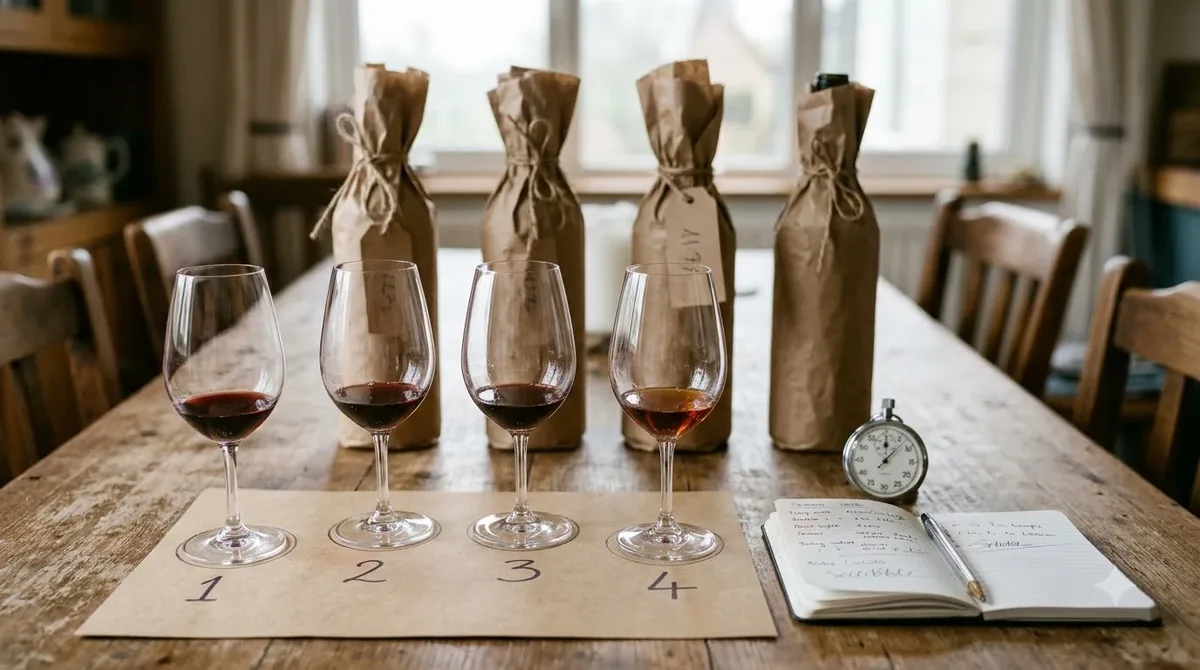
As grenache ages, the flavors deepen. Blackberry, spice, and earthy notes come forward, and oak can add a touch of vanilla or baking spice. Because the grape has relatively low tannin and color compared with many reds, it often reads lighter in the glass than its ripe fruit suggests, which is part of why it is so food-friendly.
Alcohol is usually high. The Swallow Don’t Spit guide lists a typical range between 13.5% and 15%, which gives the wine body and a warm finish. Acidity is moderate to low in many bottles, so a well-made grenache depends on balance from fruit and structure to keep it fresh.
Old vines bring more concentration. Wines from older, low-yield vineyards can taste more intense and complex than the same grape from younger plantings, and they often carry more of the spice and earth that people associate with mature grenache. Old bush vines are a good example, since their small crops concentrate flavor in each berry. Look for “old vines” or “vieilles vignes” on the label when you want that extra depth.
Grenache in Blends: The GSM Style
Grenache is among the most common grapes in blends, and the GSM style, made from Grenache, Syrah, and Mourvèdre, is the best-known example. Grenache supplies fruit and softness, Syrah adds color and structure, and Mourvèdre contributes body and grip. The result is a balanced red that works well with a wide range of food.
The Rhône Valley is the classic home of these blends. Châteauneuf-du-Pape, in particular, uses grenache as its main grape, while other southern French appellations use it in combination with local varieties. Winemakers in California and Australia have also adopted the GSM style, often with their own fruit-forward twist.
Spain uses grenache in blends too. Priorat, Rioja, and Navarra all combine it with other grapes, and the blend can soften the tannin of a more structured partner. If a bottle lists grenache alongside Syrah or Mourvèdre, the blend will usually show more fruit and warmth than a pure Cabernet or Tempranillo bottling.
Serving Grenache Wine
Serving temperature matters more for grenache than many people expect. Rosés and younger reds taste best cool, while fuller, old-vine bottles open up when they are slightly warmer. A few minutes in the refrigerator can make a noticeable difference on a warm day.
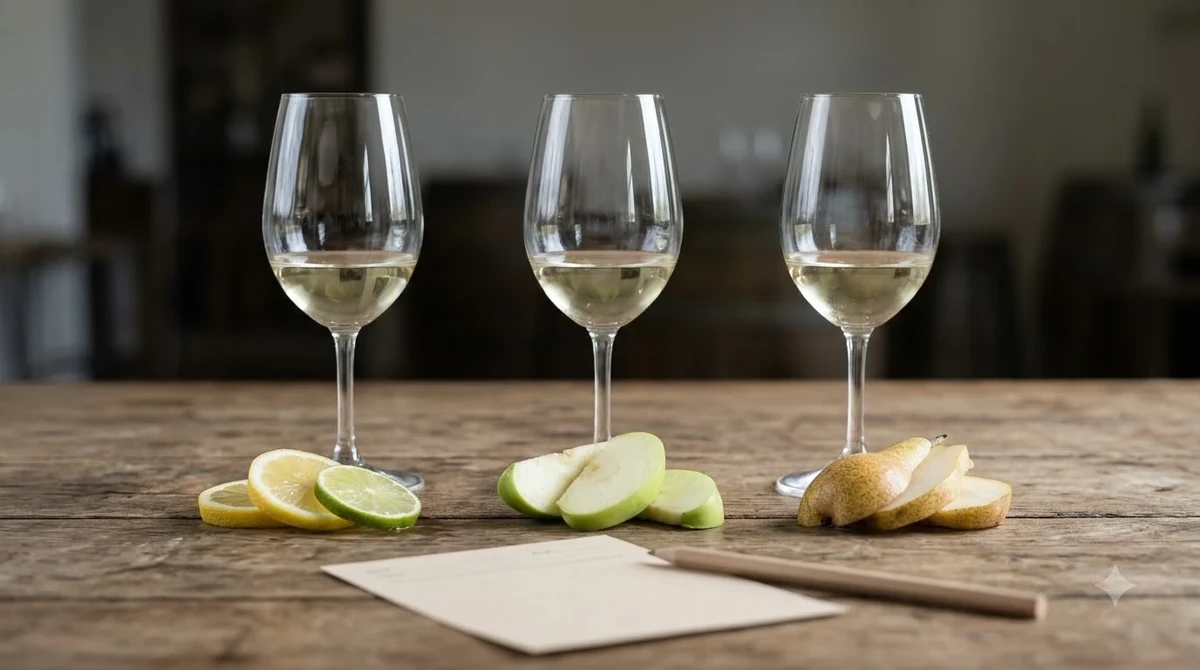
The Swallow Don’t Spit guide gives 8 to 10°C (46 to 50°F) for rosados, 12 to 14°C (54 to 57°F) for lighter reds, and 16 to 18°C (61 to 65°F) for old-vine, full-bodied reds. Those ranges are a good starting point for any grenache-based wine, whether it is a rosé from southern France or a Spanish red.
Tip: Give a young, full-bodied grenache blend a short time in the glass or a decanter before serving. The extra air softens the fruit and helps the spice come through.
Food pairings follow the same pattern. Lighter grenache suits roasted vegetables, grilled seafood, and herb-crusted lamb, while older, fuller wines go well with braised meats, stews, and roast duck. Mediterranean dishes such as paella, chilindrón, and fideuà are classic partners in Spain.
Frequently Asked Questions
Is grenache wine sweet?
Most grenache is dry. Its ripe fruit can taste generous, especially in young bottles, but the wine itself is usually fermented to dryness. If you want a sweeter style, look for a fruit-forward rosé or a labeled sweet wine, and check the back label for sweetness terms.
What is the difference between grenache and Garnacha?
They are the same grape. Grenache is the name used in France and many other countries, while Garnacha is the Spanish name. Styles vary by region rather than by name, so a Spanish Garnacha and a French Grenache can taste quite different.
Does grenache age well?
Many grenache wines are meant for drinking within a few years. Old-vine and well-made blends can age longer, developing blackberry, spice, and earthy notes. Check the producer’s guidance on the bottle or the winery website before cellaring.
What food goes best with grenache?
Grilled and roasted meats, herb-based dishes, and Mediterranean vegetables suit grenache well. Rosés work with seafood and salads, while fuller reds go with stews, braises, and roast poultry.
Start with a grenache-based blend from the Rhône or a fresh rosé to see how the grape tastes in different styles, and serve it at the right temperature. For a fuller picture of the grape family, read more about Wine by Type and compare the styles side by side.
More in Wine Types & Grapes
 What Does Mourvèdre Taste Like? Flavor Profile, Regions, and PairingsUpdated Nov 20, 2026
 What Does Marsanne Taste Like? Flavors, Styles, and Food PairingsUpdated Nov 20, 2026
 What Does Malvasia Taste Like? Styles, Flavors, and Food PairingsUpdated Nov 20, 2026
 What Does Grenache Blanc Taste Like? Flavor Profile, Styles, and PairingsUpdated Nov 20, 2026
 What Does Garnacha Taste Like? Key Flavors, Styles, and Pairing TipsUpdated Nov 20, 2026
 What Does Fruit Wine Taste Like? A Complete Flavor and Style BreakdownUpdated Nov 20, 2026