

We may earn a commission when you buy through links on this page, at no extra cost to you. Learn more.
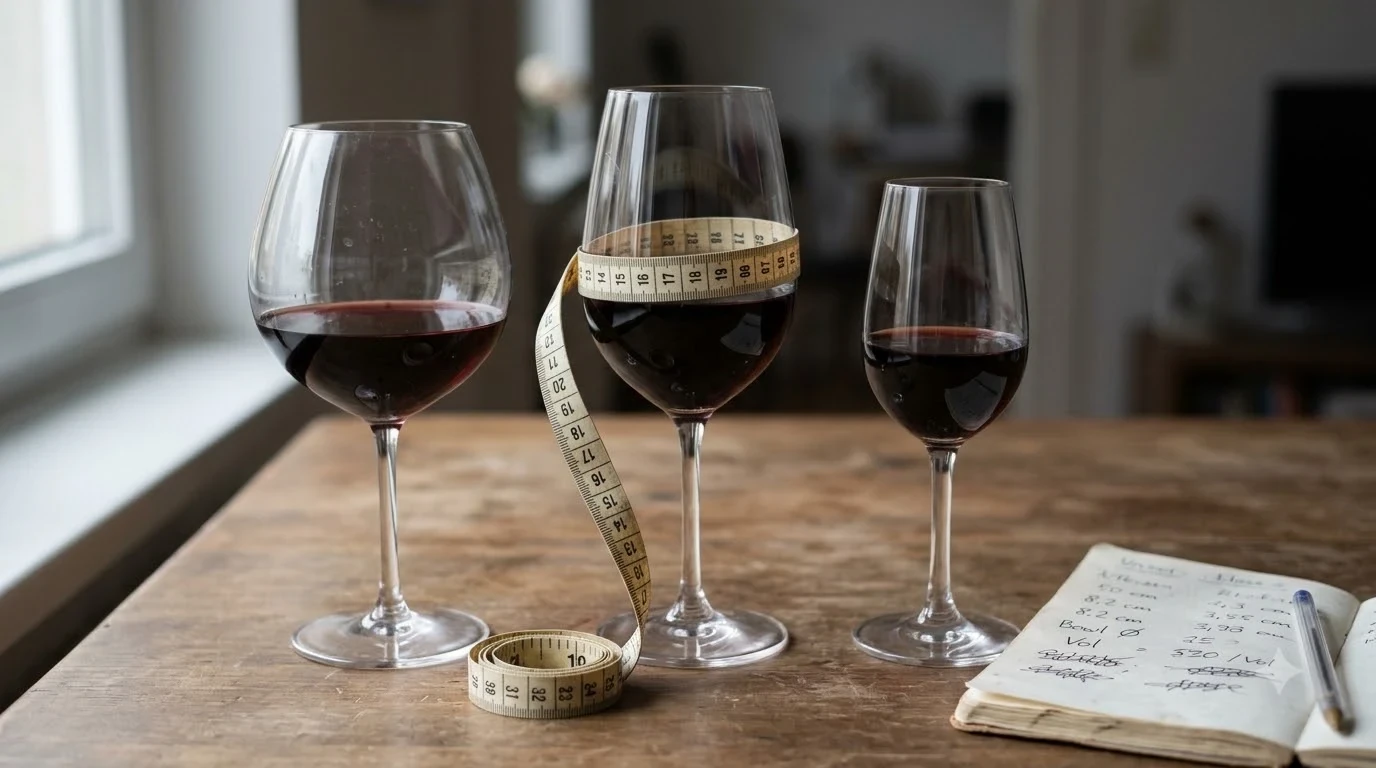
The best burgundy glasses have a broad, rounded bowl that opens up delicate red wines such as Pinot Noir, and most buyers do well with one wide-bowl set for reds and one all-purpose set for everything else. Burgundy glasses are wider than Bordeaux glasses, which concentrates the aroma of lighter, more perfumed reds. Choose the bowl width, the stem, and the glass material to match how you drink.
Burgundy glasses are named after the wine region in France, where Pinot Noir and Chardonnay are the main grapes. Many people buy one set and discover that it is also the easiest choice for a wide range of lighter wines, which is why the category keeps growing in popularity. The shape is often recommended for light-bodied reds with high aroma, but it works for many other wines too. This guide sorts Burgundy-style glasses by the kind of drinker they suit, so you can choose a set that fits your table and your habits.
Quick Comparison of Burgundy Glass Styles
Burgundy-style glasses come in several forms, from classic stemmed bowls to casual tumblers. The table compares the main types by bowl width, stem, and the wines and occasions they suit best.
| Glass style | Bowl width | Best wine | Best occasion |
|---|---|---|---|
| Classic stemmed Burgundy | Wide | Pinot Noir and light reds | Formal dinners and tastings |
| All-purpose red glass | Medium-wide | Most reds and some whites | Daily use |
| Stemless Burgundy-style | Wide | Light reds and casual pours | Patios and relaxed evenings |
| Crystal Burgundy glass | Wide and thin-walled | Premium tasting | Gifts and special bottles |
| Budget Burgundy set | Wide | Everyday reds | Households with frequent guests |
Best for Pinot Noir: The Classic Wide-Bowl Burgundy
The classic Burgundy glass has a large, round bowl and a tall stem. The wide opening lets the wine’s aroma reach your nose, which matters for lighter reds with delicate perfume. The Wikipedia entry on wine glasses describes this shape as broader than the Bordeaux glass and suited to delicate reds like Pinot Noir.
Why it stands out: A wide bowl gives you room to swirl, and the shape suits the bright fruit and floral notes common in Pinot Noir.
Keep in mind: The bowl is larger than most glasses, so pour a smaller amount to keep the wine from crowding the top of the glass.
Best for: Anyone who regularly opens Pinot Noir or other light, aromatic reds and wants a glass built for them.
Best for Everyday Reds: The All-Purpose Red Glass
An all-purpose red glass sits between a Bordeaux and a Burgundy in size. It handles a wide range of red wines, from a light Beaujolais to a fuller Syrah, without the extreme width of a dedicated Burgundy shape.
Why it stands out: A single medium-wide glass covers most of your red wine needs, so you do not need a cabinet full of shapes.
Keep in mind: It will not show off a delicate Pinot Noir as fully as a dedicated Burgundy bowl does.
Best for: Households that drink a variety of reds and want one set that performs reasonably well for most of them.
Best for Casual Patio Evenings: Stemless Burgundy-Style Tumblers
Stemless glasses with a Burgundy-style bowl are a relaxed option for outdoor dinners. They are sturdy, easy to carry, and less likely to tip over on a crowded table.

Why it stands out: Without a stem, the glass is simpler to store and handle. VinePair’s wine glass guide describes stemless glasses as more versatile and durable, and suggests them for casual, less complex wines.
Keep in mind: A stemless bowl warms faster because your hand is on the bowl, so a light red may taste warmer than it would in a stemmed glass.
Best for: Relaxed evenings and backyard gatherings where comfort matters more than the ceremony of tasting.
Best for Tasting Nights: Crystal Burgundy Glasses
Crystal Burgundy glasses are thinner and often brighter than standard glass. Many tasting-focused buyers choose them because the rim feels light and the wine’s color shows clearly through the walls.
Why it stands out: A thin rim is pleasant to drink from, and crystal can give a sharper look to a formal table. Historically, high-quality glasses were made with lead crystal, but health concerns have led to lead-free glass in most modern sets.
Keep in mind: Crystal is more fragile than standard glass, and it usually needs careful hand washing. Look for a clear label on lead content before you buy.
Best for: Wine lovers who host small tastings and want a set that makes the wine look its best.
Best for Budget-Minded Hosts: Everyday Burgundy Sets
A basic Burgundy set gives you the wide bowl without the premium finish. These sets are often sold in larger quantities, which suits families and hosts who expect guests on a regular basis.

Why it stands out: You get the right shape in a durable material, and replacing a broken glass is less of a concern.
Keep in mind: Basic sets may be thicker at the rim and less refined in the bowl. For a tasting dinner, a finer glass is worth the extra care.
Best for: Busy households that open reds several nights a week and want reliable, easy-to-clean glassware.
How to Choose Burgundy Glasses
Burgundy glasses are not the only shape worth owning, but a good set starts with the wines you drink. If Pinot Noir and light reds are your favorites, a wide bowl is a clear advantage. If you drink a mix of styles, an all-purpose shape is more flexible. The checklist below covers the details to compare before you buy.
- Bowl width: A wider bowl releases more aroma for light, perfumed reds.
- Stem or stemless: Stems keep your hand off the bowl. Stemless glasses are easier to store and carry.
- Material: Standard glass is durable, and crystal is thinner and more delicate.
- Set size: Six glasses is a practical minimum for a small dinner.
- Care: Check whether the set is dishwasher safe before you buy.
Shape matters, but it is not everything. VinePair’s wine glass guide notes that the idea of matching a glass shape to each wine became popular with Riedel’s marketing in the 1970s, and that a 2004 report in Gourmet found research did not support many of those claims. Treat a Burgundy glass as a good choice for Pinot Noir, not as a requirement for every bottle you open.
Think about the way you pour as well. A wide bowl is easy to fill too high, which can crowd the aroma and make a glass hard to swirl without spilling. Pour a modest amount, hold the glass by the stem, and let the wine open for a few minutes. Those small habits matter more than any single shape, and they work with almost any set you own.
Finally, consider storage. Wide bowls take more shelf space than standard red glasses, so measure your cabinet before buying a large set. A set you can reach easily gets used more often, and that is the real test of a good glass for everyday drinking.
Frequently Asked Questions
Why are Burgundy glasses wider than Bordeaux glasses?
According to the Wikipedia entry on wine glasses, Burgundy glasses have a broader bowl than Bordeaux glasses. That width suits delicate reds such as Pinot Noir, while the taller Bordeaux shape suits full-bodied reds.
Do I need Burgundy glasses for every red wine?
No. A Burgundy glass is best for light, aromatic reds. An all-purpose red glass works well for most other wines, and many people keep just two shapes at home.
Are stemless Burgundy glasses a good choice?
Stemless glasses are sturdy and practical for casual use. They warm the wine faster than a stem does, so they suit relaxed pours more than formal tastings.
How should I clean a wide Burgundy glass?
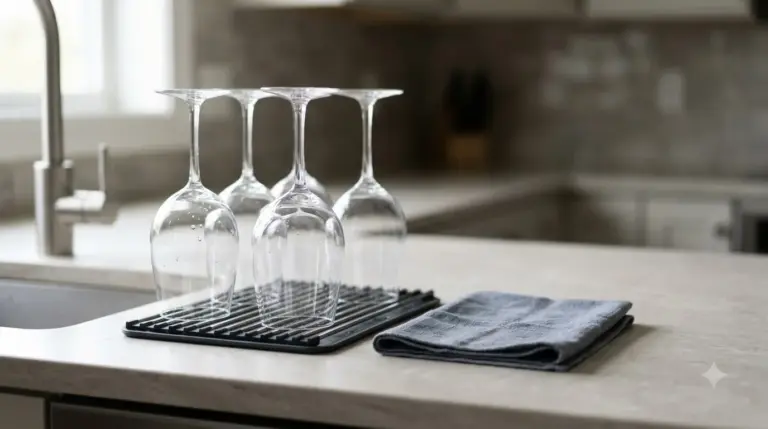
Hand washing with warm water and mild soap is the safest choice, especially for crystal. Dry the glass upside down with a lint-free cloth so the bowl stays clear and free of streaks.
A good Burgundy glass rewards the way you drink, and it can change how an ordinary weeknight dinner feels. Start with the wines you open most, choose a bowl width that suits them, and keep an all-purpose set for everything else. For a wider look at the category, browse the wine glasses guide or compare red wine glasses. If you are still learning how to handle stemware, see how to hold a wine glass.
More in Wine Glasses
 Spiegelau Crystal Wine Glasses That Bring Clarity to Every PourUpdated Nov 21, 2026
 Zalto Crystal Wine Glasses: Are They Worth the Investment?Updated Nov 21, 2026
 Villeroy And Boch White Wine Glasses for a More Cohesive TableUpdated Nov 21, 2026
 Zalto Wine Glasses On Sale: Find the Right Denk’Art GlassUpdated Nov 21, 2026
 Zwiesel Glas Champagne Glasses: Features, Quality and Buying AdviceUpdated Nov 21, 2026
 Zwiesel Glas Decanter Review: A Durable, Elegant Choice for Wine ServiceUpdated Nov 21, 2026