

We may earn a commission when you buy through links on this page, at no extra cost to you. Learn more.
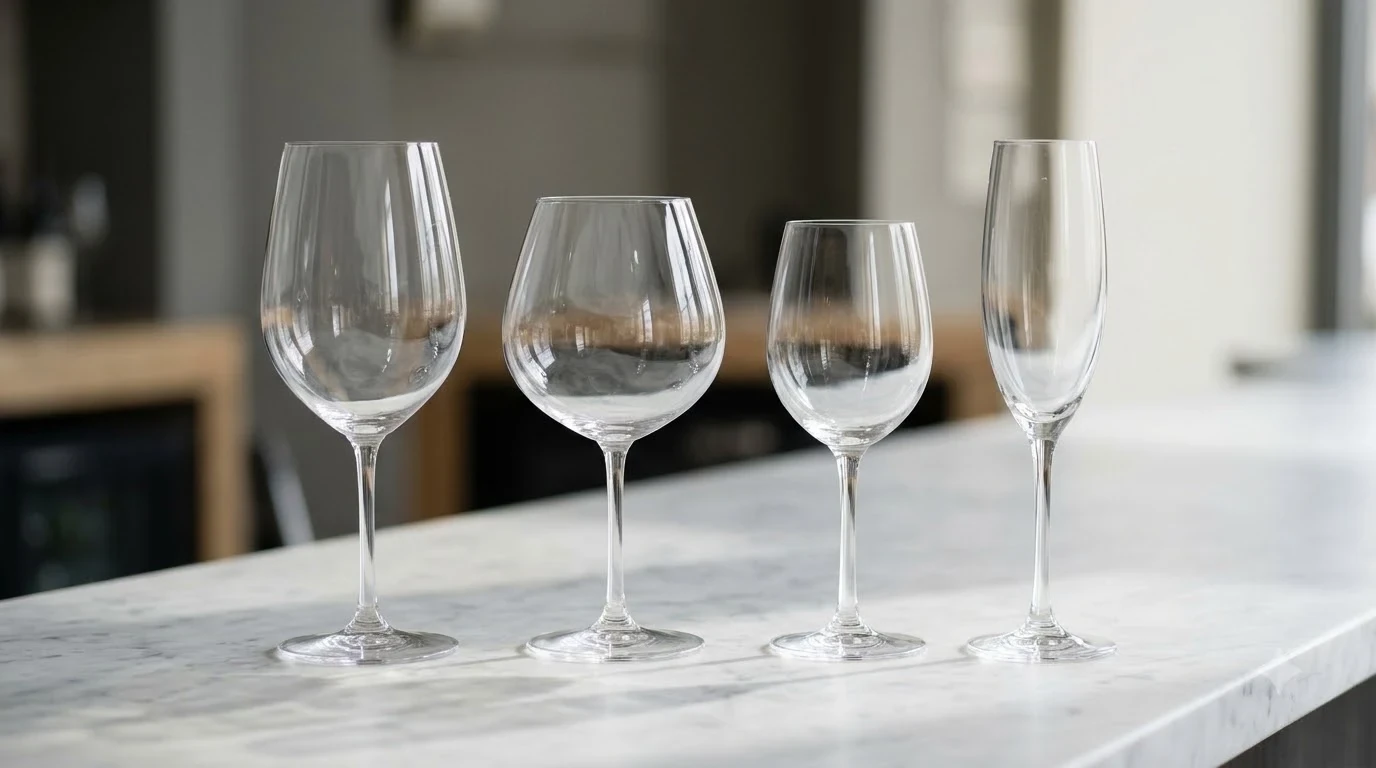
The stolzle wine glasses set of 4 is a good option for buyers seeking attractive, lead-free crystal glassware with practical everyday designs and several wine-specific shapes. Stölzle Lausitz offers both stemmed and stemless options, including its Power collection, so the exact four-piece configuration matters more than the set size alone. The main strengths are the brand’s established glassmaking background, its varied bowl designs, and the availability of dishwasher-safe options. Buyers should confirm the precise product name, capacity, and stem style before ordering because a set of four does not automatically mean four identical all-purpose stemmed glasses.
Stölzle Lausitz occupies an interesting position in the wine-glass market: its collections combine traditional European glassmaking with contemporary designs intended for regular home use. The Power collection is particularly relevant to shoppers comparing practical four-piece sets, while Quatrophil and other collections offer more specialized shapes and different visual styles. Understanding those distinctions helps prevent a common purchasing mistake: choosing a glass because it looks attractive in a photograph without considering how it will work with the wines served most often.
Specs and Key Features
The main appeal of a Stölzle four-piece wine-glass purchase is the combination of crystal clarity, recognizable glass shapes, and a choice between traditional stemware and more casual tumblers. The manufacturer offers several configurations, so the specifications below describe identifiable products rather than assuming every set contains the same design.
| Feature | What Buyers Should Know |
|---|---|
| Brand | Stölzle Lausitz |
| Relevant collection | Power |
| Four-piece options | White Wine Glass, White Wine Cup, and Red Wine Cup |
| Glass material | Lead-free crystal, according to the manufacturer’s product information and retailer listings |
| Stem options | Stemmed glasses and stemless cups |
| Example capacity | 12.75 oz for the Power White Wine Tumbler |
| Example top diameter | 2.25 inches for the Power White Wine Tumbler |
| Care | The Power White Wine Tumbler is listed as dishwasher safe |
| Intended use | Everyday wine service, casual entertaining, and home dining |
| Other collections | Quatrophil, Cocoon, Experience, Exquisit, and others |
One important distinction concerns the word cup. Stölzle uses both traditional wine-glass terminology and wine-cup terminology in its collection. A White Wine Glass Power Set of 4 is not the same product as a White Wine Cup Power Set of 4. The former is a stemmed design, while the latter is a stemless alternative. Similarly, the Red Wine Cup Power Set of 4 should not be confused with a traditional red wine stemware set.
The stemless Power White Wine Tumbler listed by Wayfair provides a useful example of a more clearly documented configuration. It holds 12.75 ounces, uses lead-free crystal, and has a 2.25-inch top diameter. Its dimensions and capacity make it a practical choice for shoppers who want a compact glass without a long stem. However, those figures should not be transferred to the separate stemmed Power White Wine Glass.
Material is another important consideration. Lead-free crystal is designed to provide the clarity associated with crystal glassware without using lead oxide as a glass ingredient. That makes it appealing to shoppers who want a refined appearance while avoiding traditional lead crystal. The exact feel, weight, and thickness still depend on the individual glass design, so the material description alone cannot establish how delicate a particular model will feel.
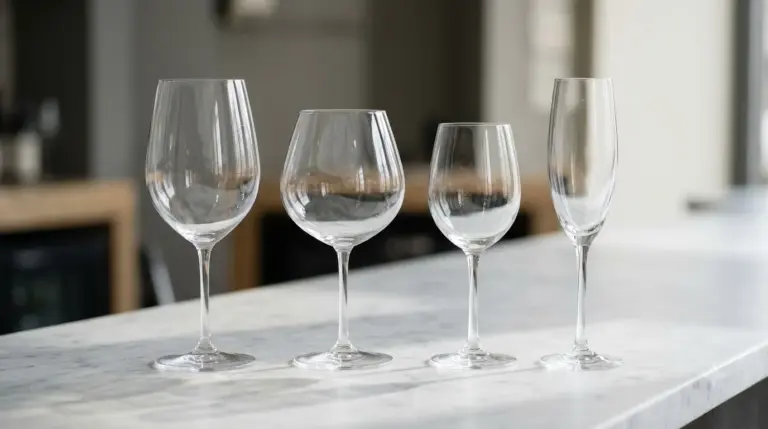
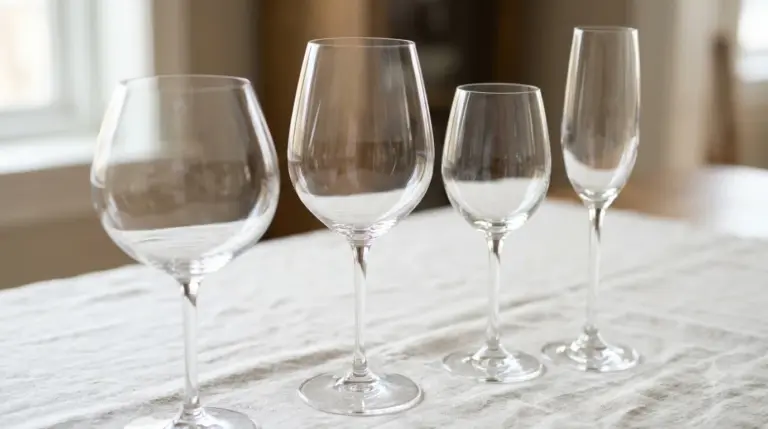
The brand’s wider selection also matters. Its assortment includes red wine, white wine, rosé, Bordeaux, and Burgundy glasses. This is useful because wine-glass shapes are not interchangeable in every situation. A larger bowl can accommodate swirling and provide more room for aromas, while a smaller opening can help concentrate aromas as the wine reaches the drinker. Buyers can compare the available configurations directly in the official Stölzle Lausitz wine-glass collection.
What Owners Like About the Power Collection
Customer feedback about Stölzle Power glassware emphasizes its contemporary appearance, useful proportions, and perceived durability. These characteristics help explain why the collection appeals to households looking for glassware that can work at an ordinary dinner as well as a more formal gathering.
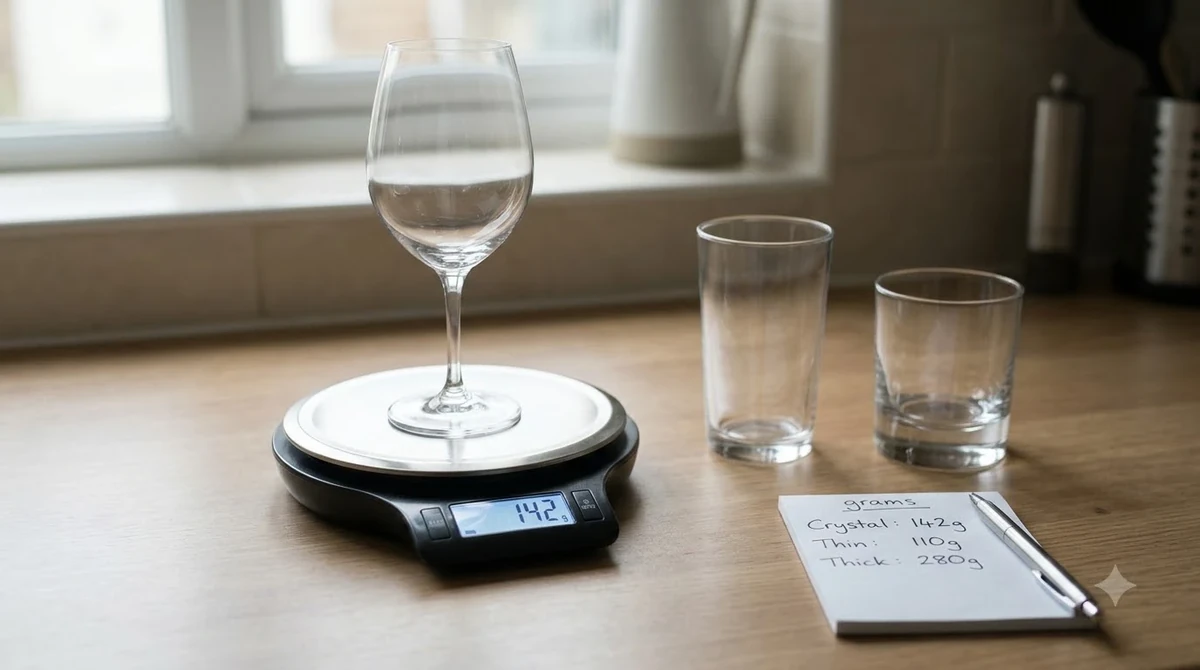
One recurring positive theme in the Wayfair customer-review summary is appearance. Buyers describe the Power White Wine Tumbler as modern, distinctive, and elegant. This is a meaningful advantage for people who prefer simple table settings but do not want generic-looking drinking glasses. The clean profile gives the glasses a recognizable appearance without relying on elaborate decoration or colored finishes.
Another positive theme is the perceived quality of the material. Crystal glass offers a clear presentation that allows the color of the wine to remain visible. That is particularly useful when serving wines with different appearances, such as pale Sauvignon Blanc, golden Chardonnay, salmon-colored rosé, or deeply colored Cabernet Sauvignon.
Owners also appreciate the proportions of the stemless Power Tumbler. Its 12.75-ounce capacity provides room for a sensible wine pour while leaving space above the liquid. A typical wine serving is approximately 5 ounces, so the glass has enough unused capacity for swirling without requiring a very large vessel.
The shape also has a functional purpose. Wayfair describes the Power Tumbler’s funnel-shaped profile as a design intended to direct the bouquet toward the drinker. This is a familiar principle in wine-glass design: the bowl provides space for aromatic compounds to collect, while the narrower opening helps concentrate them.
There is also a practical advantage to owning four matching glasses. A household can serve two couples without mixing different designs, or provide a consistent place setting for a small dinner. Four pieces are easier to accommodate in many kitchen cabinets than a larger assortment, although the height and footprint of the stemmed versions should still be considered.
The collection’s availability in different shapes is another strength. Someone who prefers conventional stemware can choose a stemmed white wine glass, while someone who wants less fragile-looking tableware can consider the stemless cups. The ability to choose between those formats makes the collection more adaptable than a range built around one fixed glass silhouette.
However, positive customer feedback should be interpreted carefully. A review summary describing a glass as sturdy does not mean it is unbreakable. Crystal glass can chip or break following impact, sudden temperature changes, or contact with other dishes. Buyers should treat perceived durability as a practical advantage, not as a reason to handle the glasses carelessly.
Common Complaints and Potential Drawbacks
The main drawback is that product naming and presentation can make it easy to confuse similar-looking four-piece configurations. Buyers also need to consider storage, handling, and the difference between a specialized wine shape and a genuinely versatile everyday glass.
The first concern is the stem-versus-stemless distinction. A listing that prominently displays the Power collection name may still refer to a White Wine Cup rather than a White Wine Glass. The difference is substantial in daily use. Stemmed glasses are held by the stem, keeping hands away from the bowl and reducing the transfer of warmth. Stemless glasses are shorter, easier to fit into many cabinets, and more convenient for casual settings, but the hand naturally contacts the bowl.
Capacity is another possible source of confusion. The documented 12.75-ounce capacity belongs to the Power White Wine Tumbler listed by Wayfair. It should not be treated as a universal capacity for every Power glass or every Stölzle four-piece set. Different collections and wine categories use different bowl proportions. A large Burgundy glass, for example, is designed around a different drinking experience from a compact white wine glass.
Some buyers may also find traditional stemware less convenient for storage. Tall glasses need sufficient cabinet clearance, and the stems can become vulnerable if pieces are stored too close together. A stemless cup removes the stem but still requires enough space to prevent bowls from knocking against each other.
Another consideration is the expectation of exceptional thinness. Buyers sometimes associate crystal glass with extremely delicate, lightweight tasting glasses. Stölzle offers multiple collections, including designs intended for functional everyday service. The exact rim thickness and balance depend on the selected model. Someone looking for an ultra-light handmade glass should compare the manufacturing method and construction of the specific range rather than assuming every crystal glass has the same feel.
Availability can also vary by configuration. The manufacturer’s US collection lists different Power products separately, and individual options may have different stock status. A shopper who wants four matching red wine glasses should not assume a white wine configuration can be substituted without changing the intended bowl shape.
Finally, dishwasher-safe does not mean risk-free. Even glassware approved for machine cleaning can be damaged by contact with cutlery, other glasses, or a crowded dishwasher rack. Careful placement remains important, particularly around the rim and stem.
Who Should Buy and Who Should Skip
Stölzle Power four-piece glassware is most suitable for people who want coordinated, attractive crystal glasses for regular home use. It is less suitable for shoppers who need an exact specialist shape, exceptionally lightweight handmade stemware, or a large matching collection without checking the available configurations.
Who should consider buying
Small households and couples: A four-piece configuration offers enough glasses for two people to entertain another couple. It is a practical starting quantity for a home that does not regularly host large dinners.
Everyday wine drinkers: The Power collection’s straightforward appearance works well with casual dining. A stemmed white wine glass can serve crisp whites and lighter rosés, while a suitable red wine shape offers more room for swirling fuller-bodied wines.
People who prefer modern tableware: The clean lines and crystal clarity suit contemporary kitchens and dining rooms. The stemless Power cups are particularly appealing to people who prefer a shorter silhouette.
Buyers seeking lead-free crystal: Stölzle’s lead-free crystal construction is a relevant feature for shoppers who want crystal-style clarity without traditional lead crystal.
Small-scale entertainers: Four matching glasses create a coordinated setting without requiring a full twelve-piece collection. They can be used for a small dinner, a wine-and-cheese evening, or a tasting involving two or three different bottles.
Who should skip it
Collectors seeking specialized tasting equipment: A general-purpose Power glass may not replace dedicated Burgundy, Bordeaux, or other varietal-specific shapes. Someone who regularly compares different wines may prefer a more specialized collection.
Buyers who want handmade glassware: Manufacturing method varies across the Stölzle assortment. If handmade construction is a firm requirement, check the individual product classification instead of choosing based on the brand name.
Households with very limited storage: Stemmed versions can take up considerable vertical space. A stemless configuration may be more convenient, but it still needs adequate shelf room to prevent contact between the glasses.
Large households that entertain frequently: Four glasses may be insufficient for regular parties. A six-piece or twelve-piece configuration could provide a more convenient matching collection.
For shoppers who are still comparing styles, the site’s guide to wine glasses provides a useful starting point. Those primarily interested in red wine should also consider the differences explained in the red wine glasses selection before deciding whether an all-purpose shape meets their needs.
How It Compares to Alternatives
Stölzle’s main advantage is the breadth of its collections rather than one universally superior glass. Power offers a practical contemporary option, while Quatrophil provides more specialized bowl proportions and a distinctive stemmed appearance.
Quatrophil is especially useful as a comparison because its specifications are documented in the manufacturer’s product catalog. The collection has separate red wine, white wine, Bordeaux, and Burgundy designs. That gives shoppers a clearer route toward matching a glass to the wine category they serve most frequently.
The following specifications illustrate the differences between several Quatrophil designs. They are not specifications for the Power four-piece sets, and they should not be used to estimate the dimensions of those products.
| Quatrophil Glass | Capacity | Height | Maximum Diameter |
|---|---|---|---|
| Red Wine | 570 ml | 250 mm | 96 mm |
| White Wine | 405 ml | 245 mm | 83 mm |
| Bordeaux | 645 ml | 255 mm | 102 mm |
| Burgundy | 710 ml | 245 mm | 116 mm |
The capacity differences are significant. The 710 ml Burgundy glass provides considerably more bowl volume than the 405 ml white wine glass. That extra room is useful for swirling aromatic Pinot Noir and other wines commonly served in broad-bowled Burgundy glasses. By comparison, the smaller white wine shape is more compact and appropriate for wines that generally benefit from a more contained bowl.
The Bordeaux glass has a different purpose. Its 645 ml capacity and 102 mm maximum diameter provide space for Cabernet Sauvignon and other structured reds. Cabernet Sauvignon commonly has high tannin, so a glass that allows the wine to be swirled and its aromas to develop can be useful during a meal or tasting.
The white wine design is a more natural match for Sauvignon Blanc, Riesling, and Chardonnay. Sauvignon Blanc and Riesling typically have high acidity, while Chardonnay generally has medium acidity. A smaller bowl can help maintain a focused aromatic presentation and makes it easier to serve white wines at an appropriate cool temperature.
Another comparison is between stemmed and stemless Power products. Stemmed glasses are generally more appropriate for formal service because they allow the drinker to hold the glass without warming the wine through direct contact with the bowl. Stemless cups are convenient for everyday meals, outdoor dining, and households that prefer a lower-profile design.
The broader assortment also includes Cocoon, Experience, Exquisit, and other collections. Those ranges give buyers alternatives in appearance, manufacturing approach, and glass shape. The best comparison is therefore not simply which collection has the most impressive name. It is which glass has the right proportions, construction, and practical dimensions for the wines and occasions involved.
For shoppers comparing stemless alternatives, the site’s stemless wine glasses guide can help establish whether a shorter glass is a better fit than traditional stemware. The wider Glassware Brands section is also useful for comparing Stölzle with other manufacturers before settling on a four-piece purchase.
Care, Storage, and Everyday Use
Proper care helps preserve the clarity and appearance of crystal glassware. Stölzle’s Power White Wine Tumbler is listed as dishwasher safe, but careful loading and suitable cleaning conditions are still important for avoiding chips, scratches, and cloudy surfaces.
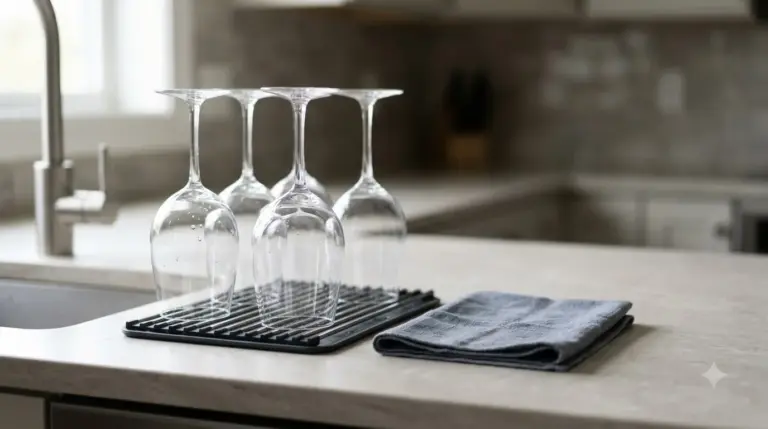
Start by separating the glasses from other dishes. Wine glasses should not touch one another in the dishwasher because vibration can cause repeated contact between delicate surfaces. Avoid placing cutlery, pans, or heavy plates where they could strike the bowls or rims during the wash cycle.
Use an appropriate dishwasher setting and detergent. Excessive heat and unsuitable cleaning products can affect glassware over time. For the specific Power Tumbler listed by Wayfair, dishwasher suitability is part of the published product information, but buyers should not automatically assume that every glass in every collection has identical care requirements. The Wayfair Power White Wine Tumbler listing provides the product-specific capacity and cleaning details.
Tip: When loading stemmed wine glasses, leave space around both the bowl and the stem. A glass that appears stable before the wash begins can still move during the cycle, so avoid crowding the rack or allowing neighboring items to touch.
Handwashing is another option, particularly for glassware that is unusually delicate or has a shape that does not sit securely in the dishwasher. Use lukewarm water, a mild detergent, and a soft sponge. Avoid gripping a wet bowl tightly while twisting the stem, as pressure in opposite directions can put unnecessary stress on the joint between the two parts.
Drying deserves attention too. A clean microfiber cloth can help remove water marks and fingerprints. Hold the glass by the bowl or base while polishing rather than twisting the bowl and stem in opposite directions. Allowing glasses to air-dry in a secure position is also reasonable if the surrounding environment is clean and free from dust.
Storage should prevent contact between individual pieces. Stemmed glasses are best stored upright in a cabinet with sufficient vertical clearance. Avoid stacking them unless the manufacturer explicitly designs that particular product for stacking. Stemless glasses are shorter, but their bowls can still become scratched or chipped if they are pushed together.
Temperature is another practical issue. Avoid pouring very hot liquid into a cold wine glass or moving a glass rapidly between extreme temperatures. Although crystal glassware is intended for beverage service, sudden thermal changes can create stress. Allow glasses to reach room temperature before using them in an unfamiliar temperature situation.
For wine service, the shape of the glass is only one part of the experience. A 5-ounce pour in a 12.75-ounce tumbler leaves room for the wine to move when gently swirled. White wines generally benefit from cooler serving temperatures than full-bodied reds, while the glass itself should be clean, odor-free, and completely dry before use.
When serving multiple wines, rinse the glass between different styles if changing from a strongly aromatic or sweet wine to a delicate dry wine. This prevents residual aromas and flavors from affecting the next pour. For a casual meal, one glass per guest may be sufficient; a more structured tasting may benefit from separate glasses for each wine.
These practices help make a four-piece set useful over the long term. Good storage and sensible cleaning are more important to glass longevity than choosing a particular collection name.
Frequently Asked Questions
Where is Stölzle Lausitz glassware made?
Stölzle Lausitz traces its glassmaking history to Weißwasser in Germany, where the company identifies 1889 as the founding year of its predecessor glassworks. The Lausitz region has a long association with glass production and glassmaking materials. This background is part of the brand’s identity, although buyers should distinguish historical origins from the manufacturing location of any particular item.
Does lead-free crystal contain no minerals?
No. Crystal glass can contain minerals and other ingredients that affect clarity, brilliance, and physical properties. The term lead-free means that lead is not used as the crystal’s defining lead-oxide ingredient. It does not mean the glass is chemically identical to ordinary soda-lime glass.
Can Stölzle glasses be used for sparkling wine?
Yes, although a dedicated sparkling wine glass is preferable for many occasions. Stölzle’s wider assortment includes champagne and sparkling wine glass shapes, including a Quatrophil Champagne Glass with a documented 290 ml capacity. A conventional white wine glass can also be useful for enjoying sparkling wines when aroma presentation is a priority.
How much wine should be poured into a crystal glass?
A standard serving is approximately 5 ounces, regardless of whether the glass has a larger maximum capacity. Leaving additional room helps release aromas and makes controlled swirling easier. A 750 ml wine bottle therefore provides approximately five standard 5-ounce servings.
Are all Stölzle wine-glass collections manufactured the same way?
No. The manufacturer’s assortment includes different manufacturing categories, including handmade and machine-made products. Construction details can influence the appearance, weight, rim, and overall feel of a glass. Buyers seeking a particular manufacturing method should compare the exact collection rather than assuming that all Stölzle products share the same construction.
Stölzle Lausitz offers a convincing selection for shoppers who want attractive lead-free crystal wine glasses in practical four-piece configurations. The Power collection is a sensible starting point for everyday use, but the correct choice depends on whether stemmed or stemless glassware and white or red wine proportions suit the household. Confirming the exact product configuration before ordering is the best way to get a matching set that works well at the table and remains useful for years.
More in Wine Glasses
 Spiegelau Crystal Wine Glasses That Bring Clarity to Every PourUpdated Nov 21, 2026
 Zalto Crystal Wine Glasses: Are They Worth the Investment?Updated Nov 21, 2026
 Villeroy And Boch White Wine Glasses for a More Cohesive TableUpdated Nov 21, 2026
 Zalto Wine Glasses On Sale: Find the Right Denk’Art GlassUpdated Nov 21, 2026
 Zwiesel Glas Champagne Glasses: Features, Quality and Buying AdviceUpdated Nov 21, 2026
 Zwiesel Glas Decanter Review: A Durable, Elegant Choice for Wine ServiceUpdated Nov 21, 2026