

We may earn a commission when you buy through links on this page, at no extra cost to you. Learn more.
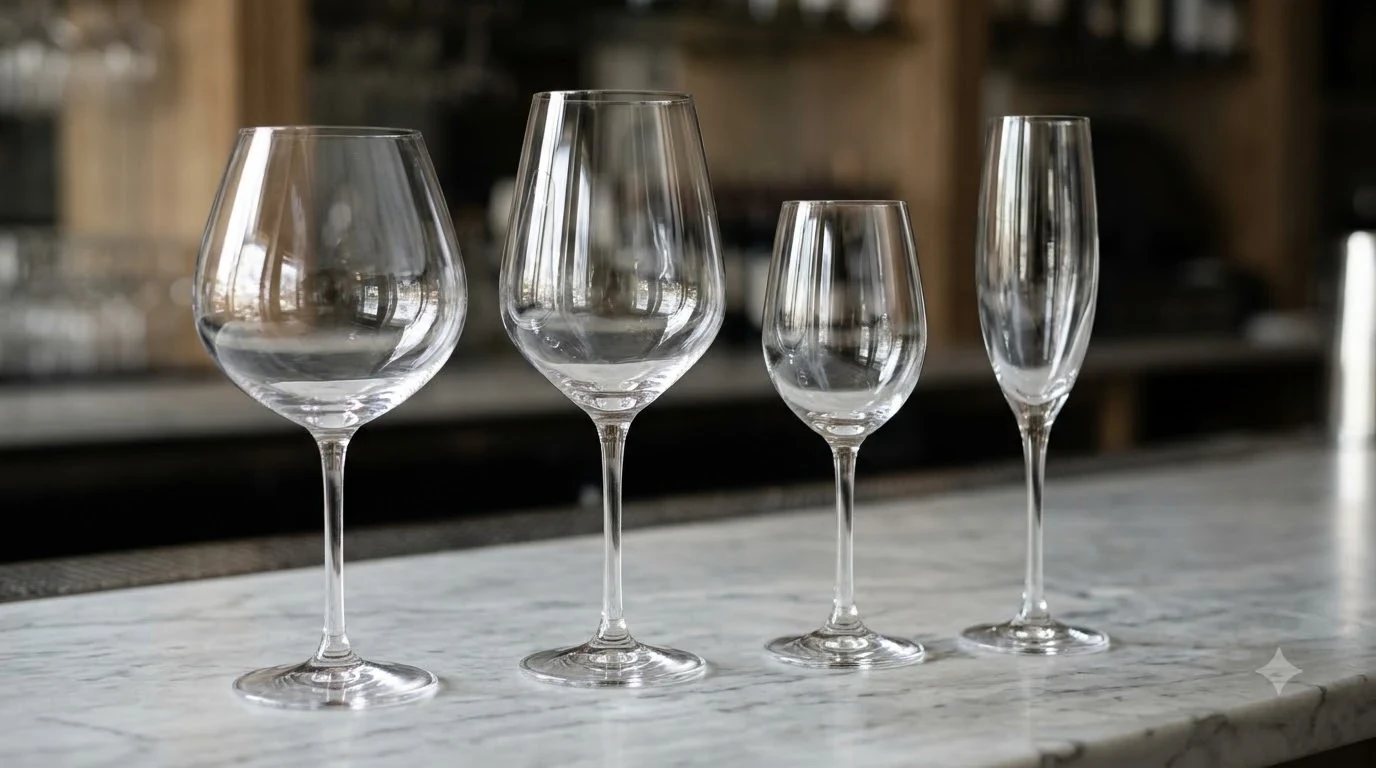
Waterford wine glasses on sale are worth considering if you want distinctive crystal stemware, carefully finished designs, and glass shapes suited to different wines without paying the full regular retail price. The strongest options include the traditional Lismore family, the more streamlined Elegance collection, and the accessible Marquis ranges. Before choosing a set, compare glass capacity, bowl shape, collection design, piece count, and cleaning requirements. A lower purchase price matters less if the glasses do not suit your table or everyday habits.
Waterford makes several styles of wine glass, from heavily patterned traditional crystal to simpler contemporary stemware. That variety gives shoppers plenty of choices, but it also makes comparing sale listings important. A pair of large red wine glasses is a different purchase from a four-piece set of smaller general-purpose glasses. This review looks at the collections, practical differences, potential drawbacks, and shopping considerations that matter before choosing a set.
Specs and Key Features of Waterford Wine Glasses
Waterford’s wine-glass range combines decorative crystal designs with shapes intended for different wine styles. The main distinction is between the traditional Lismore family, the more contemporary Elegance collection, and the Marquis ranges, which offer another approach to everyday tableware.
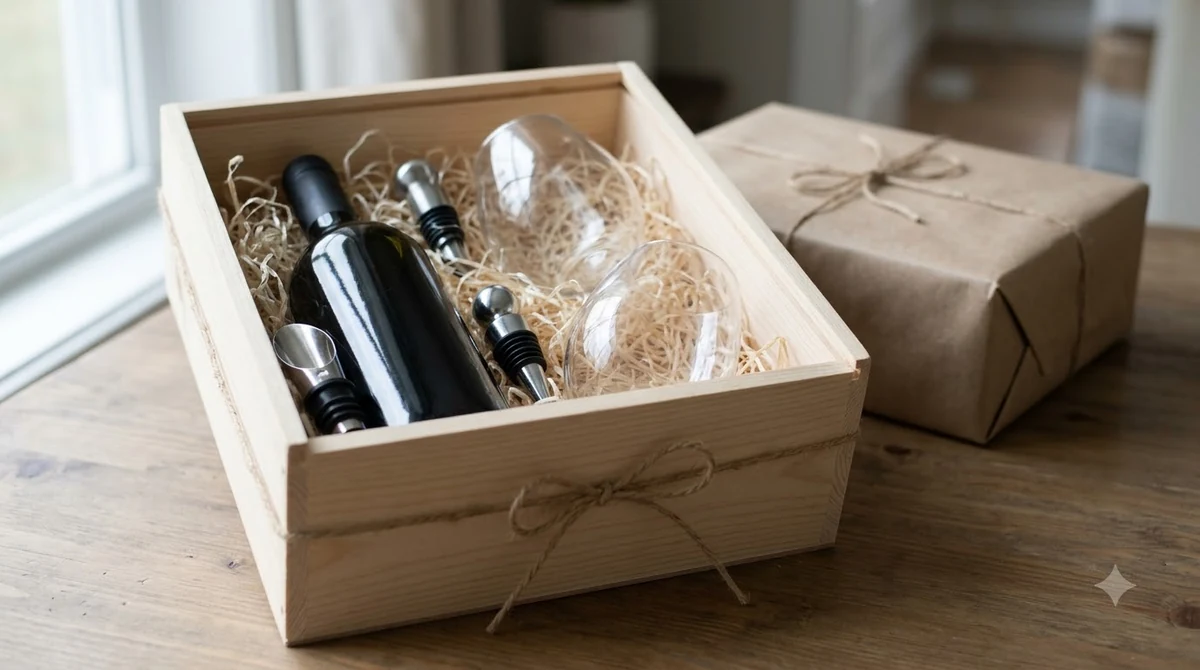
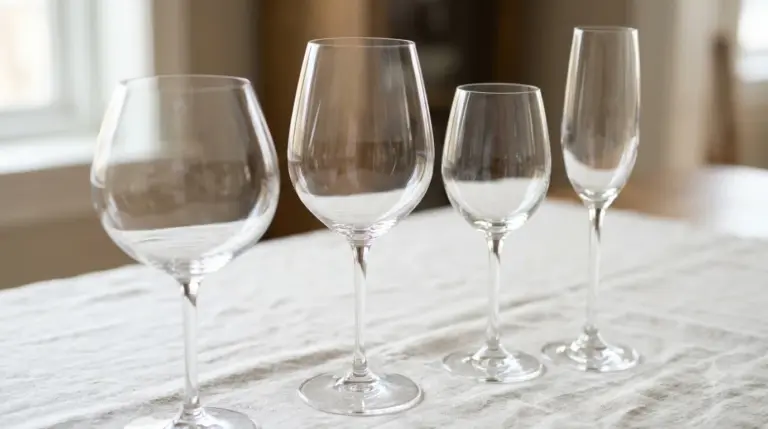
The official US collection includes individual wine glasses and coordinated sets. Capacities vary considerably, from the 7.5-ounce Marquis Vector white wine glass to the 25-ounce Elegance Cabernet Sauvignon glass. That difference affects more than appearance: bowl capacity influences how much room remains for swirling wine and releasing aromas.
Here are several representative models and their published specifications. Capacities and set configurations are taken from Waterford’s US wine-glass collection rather than estimates based on photographs.
| Collection | Glass type | Capacity | Set configuration |
|---|---|---|---|
| Lismore Essence | Goblet | 22 oz | 2 pieces |
| Lismore Essence | White wine | 11.5 oz | 2 pieces |
| Lismore Essence | Balloon wine | 17 oz | 2 pieces |
| Elegance | Cabernet Sauvignon | 25 oz | 2 pieces |
| Elegance | Chardonnay | 12.5 oz | 2 pieces |
| Elegance | Pinot Noir | 17.5 oz | 2 pieces |
| Marquis Markham | Wine glass | 10.5 oz | 4 pieces |
| Marquis Markham | Goblet | 13.5 oz | 4 pieces |
| Marquis Vector | Red wine | 9.5 oz | 2 pieces |
| Marquis Vector | White wine | 7.5 oz | 2 pieces |
These specifications show why shoppers should compare the actual glass rather than relying on the collection name alone. Two Waterford glasses can have noticeably different capacities and intended uses, even when both are marketed as wine glasses.
For example, a 25-ounce Cabernet Sauvignon glass provides considerably more bowl space than a 10.5-ounce Marquis Markham wine glass. The larger shape can accommodate a generous pour with room for swirling, while the smaller glass takes up less storage space and can be practical for conventional table settings.
Another important specification is the number of pieces included. A pair is convenient for a couple or a special gift, but a four-piece set is more practical for a small household that entertains occasionally. Larger households may prefer six or eight matching glasses to avoid mixing patterns during dinner parties.
Waterford also offers stemless options. These include Lismore Essence stemless deep-red wine glasses with a 20.5-ounce capacity and Elegance stemless wine glasses with a 16.5-ounce capacity. They provide an alternative for buyers who prefer a less traditional silhouette.
One limitation of product specifications is that capacity alone does not establish how well a glass performs with a particular wine. Bowl width, rim shape, stem proportions, and personal preference also influence the drinking experience. The published collection descriptions are useful starting points, but they should not be treated as independent performance testing.
What Buyers May Appreciate About the Design
Waterford’s strongest appeal is its recognizable visual character. The brand offers decorative patterns for formal entertaining alongside cleaner shapes for buyers who prefer their wine glasses to blend into a modern dining room.
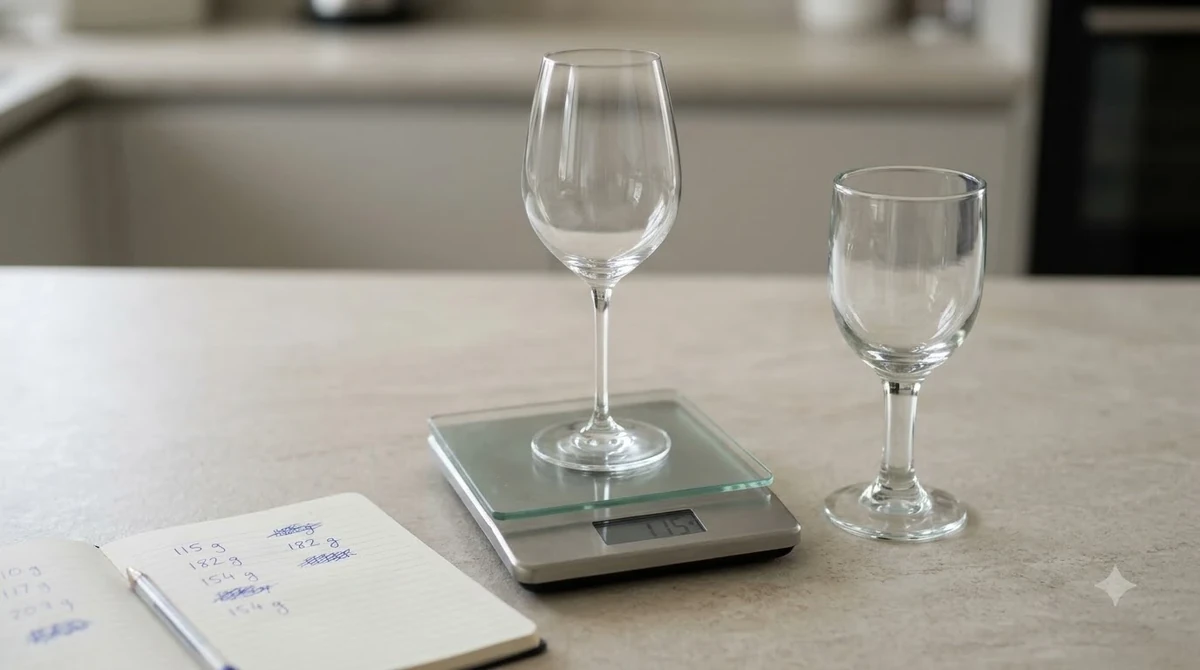
Lismore is the collection to examine first if traditional cut-crystal styling is the main attraction. Waterford describes its signature Lismore design as inspired by Lismore Castle. The collection has a distinctive decorative appearance, making it suitable for formal dining tables, anniversary gifts, and coordinated crystal collections.
Lismore and Lismore Essence
Lismore Essence is particularly useful to compare because the collection includes several wine-specific shapes. Its 22-ounce goblet, 17-ounce balloon wine glass, and 11.5-ounce white wine glass cover different serving preferences. A buyer who wants a consistent collection can select different shapes without moving to an unrelated design family.
The distinction between classic Lismore and Lismore Essence is important. The two names should not be treated as interchangeable product descriptions. Their individual glass shapes, capacities, and patterns can differ. Someone replacing a broken glass from an existing collection should compare the precise pattern and product description instead of ordering the first listing containing the word Lismore.
Elegance and its wine-specific shapes
Elegance is another attractive option for shoppers who prefer to select stemware according to grape variety. The collection includes dedicated Cabernet Sauvignon, Merlot, Bordeaux, Pinot Noir, Sauvignon Blanc, Pinot Grigio, and Chardonnay glasses.
This range gives buyers more choice than a conventional single-shape wine set. For example, the 25-ounce Cabernet Sauvignon glass is substantially larger than the 12.5-ounce Chardonnay glass. The 17.5-ounce Pinot Noir glass provides another capacity option for people who regularly serve lighter-bodied reds.
There is no requirement to purchase every variety-specific glass. A household that mostly drinks Sauvignon Blanc and Chardonnay may find two suitable white wine shapes sufficient, while someone who regularly serves Cabernet Sauvignon and Pinot Noir might prefer separate red wine glasses.
Marquis and Mastercraft
Marquis provides additional choices within Waterford’s wider glassware range. Marquis Markham includes 10.5-ounce wine glasses and 13.5-ounce goblets in four-piece configurations. Marquis Vector takes a different approach, with a 9.5-ounce red wine glass and a 7.5-ounce white wine glass.
These smaller capacities can appeal to people who prefer compact stemware. They also make sense when storage space is limited or when a dining table needs several matching glasses without oversized bowls dominating the place settings.
At the more decorative end, Mastercraft Irish Lace includes wine glasses that Waterford identifies as handcrafted in Ireland. The US collection lists 19-ounce red wine glasses and 17-ounce white wine glasses in pairs. This is a more specialized choice for buyers who prioritize craftsmanship and presentation over having a large everyday set.
The design differences are not simply cosmetic. A heavily patterned glass creates a more formal presentation, whereas a simpler silhouette can work across casual meals, wine tastings, and different table settings. Buyers should think about how often they will use the glasses before deciding which visual direction makes sense.
Common Complaints and Practical Limitations
Waterford wine glasses have several practical considerations that buyers should understand before purchasing. Their decorative appeal and premium positioning may suit special occasions, but delicate stemware, storage requirements, and cleaning routines can make them less convenient than ordinary everyday glasses.
Fragility and handling
Fine stemware requires careful handling regardless of brand. The rim is particularly vulnerable to damage, while the stem can break if excessive pressure is applied during washing or drying. This is an important consideration for busy households where several people share kitchen duties.
Waterford’s care instructions specifically warn against twisting the bowl and stem in opposite directions. That movement can place stress on the narrow connection between the two parts. When drying a glass, hold the bowl securely rather than applying opposing pressure to the stem.
Cleaning requires attention
Waterford recommends hand-washing its crystal with mild detergent and warm or moderately hot water. That recommendation may be inconvenient for people who expect all their tableware to go directly into the dishwasher.
There is a distinction between the company’s newer crystal formulation and its general care guidance. Waterford’s US FAQ says its newer formula has undergone testing for 150 domestic dishwasher cycles, but the company still recommends hand-washing to preserve brilliance. This does not mean every older or current glass should automatically be treated as dishwasher-safe.
The safest approach is to follow the care instructions for the specific product. If the listing does not establish dishwasher suitability, hand-washing is the more conservative option.
Storage takes planning
Large wine glasses can be awkward to store, particularly when their bowls are wide or their stems are tall. A 25-ounce Cabernet Sauvignon glass requires more cabinet clearance than a 7.5-ounce Marquis Vector white wine glass.
Decorative patterns also make it important to avoid contact between neighboring pieces. Storing glasses too tightly together can lead to accidental knocks when removing another item. Buyers with limited cabinet space should measure the available height and shelf depth before choosing larger stemware.
Matching older pieces can be difficult
Waterford’s collection names are not always enough to establish that two pieces will match. Pattern variations, different glass shapes, and changes in crystal formulation can affect the appearance of a replacement.
This matters particularly when buying individual clearance pieces to complete an existing set. A replacement that belongs to a related collection may still look different on the table. Compare the pattern, dimensions, and product name carefully, and contact customer service if a precise match is important.
Finally, a sale listing does not automatically make a glass a practical purchase. A decorative pair that spends most of its time in a cabinet may not be as useful as a more versatile set that fits regular meals and entertaining.
Who Should Buy Waterford Wine Glasses and Who Should Skip Them
Waterford is a strong candidate for buyers who value decorative crystal, coordinated table settings, and wine glasses that can serve as gifts or special-occasion pieces. It is less compelling for shoppers whose first priority is inexpensive, low-maintenance everyday glassware.
Who should consider buying
Collectors of traditional crystal: Lismore and Lismore Essence are natural starting points for shoppers who appreciate recognizable cut patterns. Their coordinated designs make it easier to build a collection of matching drinkware and table accessories.
People furnishing a formal dining room: Traditional goblets and larger red wine glasses can complement formal place settings. A coordinated set of four or six is useful for dinner parties where consistent presentation matters.
Wine enthusiasts with specific preferences: The Elegance collection is worth examining if the household regularly serves different grape varieties. Its dedicated glass shapes offer more selection than a basic universal wine-glass set.
Gift shoppers: A two-piece crystal set can make a thoughtful wedding, anniversary, housewarming, or milestone gift. Choosing a pattern that complements the recipient’s existing tableware is more important than selecting the largest glass available.
Buyers who enjoy maintaining fine tableware: People comfortable with hand-washing and careful storage are more likely to appreciate the long-term ownership experience of fine crystal.
Who should consider alternatives
Households with frequent breakages: If glasses regularly get knocked over or dropped, delicate crystal may create unnecessary replacement concerns. More practical everyday glassware may be a better fit.
People who rely on quick dishwasher cleanup: Anyone who wants to put every glass through a normal dishwasher cycle should compare simpler glassware alternatives and their care requirements.
Buyers who need a large matching set: A two-piece crystal set may become expensive to expand if matching pieces are unavailable later. Start with the complete number of glasses needed rather than assuming the collection will always have the same configurations in stock.
Minimalist households: Heavily cut patterns may look too decorative for people who prefer plain, lightweight stemware. A simpler collection or universal glass shape may be more appropriate.
For a broader comparison of materials, silhouettes, and everyday usability, the wine glasses buying guide is a useful next step. It helps put a premium crystal purchase into perspective alongside other types of stemware.
Shoppers focused primarily on red wine can also compare the available shapes with the recommendations in the red wine glasses guide. This is especially useful if a large Cabernet Sauvignon or Pinot Noir glass is the main reason for considering Waterford.
How Waterford Compares to Alternative Wine Glass Styles
Waterford’s main advantage is its combination of decorative crystal styling and a wide selection of shapes. However, it is not automatically the best choice for every wine drinker. Comparing the collection with simpler stemware and alternative glass designs helps clarify what the additional craftsmanship and visual detail actually provide.
Decorative cut crystal versus simple stemware
Traditional cut-crystal designs have a more prominent visual presence than plain glass. Lismore and Lismore Essence are designed to stand out on a table, particularly when paired with other coordinated pieces.
Simple stemware takes a quieter approach. It allows the wine’s color to remain the central visual feature and can be easier to coordinate with different dinnerware collections. People who frequently change their table settings may prefer this flexibility.
There is also a practical distinction. A highly decorative glass may require more attention when cleaning and storing it, particularly if its pattern includes detailed cuts. A plain glass generally offers fewer decorative surfaces to maintain.
Varietal-specific versus universal glasses
Waterford’s Elegance collection includes individual shapes for wines such as Cabernet Sauvignon, Chardonnay, and Pinot Noir. These options are attractive for enthusiasts who enjoy having dedicated glassware for different bottles.
A universal wine glass offers a simpler solution. Instead of buying separate sets for every grape variety, a household can use one moderately sized bowl for most wines. This reduces storage demands and makes serving guests easier.
Neither approach is automatically superior. A dedicated glass collection makes sense when the owner regularly compares wines and enjoys selecting different stemware. A universal shape is usually more practical when convenience matters more than specialized presentation.
Stemmed versus stemless glasses
Waterford also offers stemless options, including Lismore Essence and Elegance designs. These glasses can be easier to store in some cabinets and are an alternative for casual entertaining.
Traditional stemmed glasses have an advantage when serving chilled white wines and sparkling wines because the stem allows the drinker to hold the glass without placing a hand around the bowl. Stemless glasses are generally more informal, and holding the bowl can transfer warmth to the wine.
For people comparing different shapes, the stemless wine glasses guide provides another perspective on the balance between convenience and traditional wine service.
What the crystal formulation means
One detail that may matter to existing Waterford collectors is the company’s change in crystal formulation. According to its US customer-service FAQ, the newer formula replaces lead oxides with barium oxide. Waterford describes the new material as stronger and slightly lighter than its previous crystal.
The company also explains that differences in raw materials can result in variations in color and that the newer crystal may produce a different sound when tapped. These details are relevant when purchasing replacement pieces for an older collection.
For a new buyer, the practical point is straightforward: do not assume that every Waterford glass has identical material characteristics simply because the collection name is the same. Existing collectors should compare older and newer pieces in person when matching them is especially important.
For additional brand comparisons, the Glassware Brands resource provides a broader way to examine different manufacturers and their approaches to wine stemware.
Care, Storage, and Buying Considerations
Waterford crystal needs a little more attention than ordinary everyday glassware. Good washing habits, appropriate storage, and careful handling help preserve the appearance of the glasses and reduce the chance of accidental damage.
Hand-washing routine
Start by preparing a clean sink or washing basin with moderately warm water and mild detergent. Wash each glass individually rather than allowing several pieces to knock against one another.
Use a soft cleaning cloth and avoid abrasive pads, scouring powders, or aggressive cleaning chemicals. After washing, rinse thoroughly with clean water to remove detergent residue.
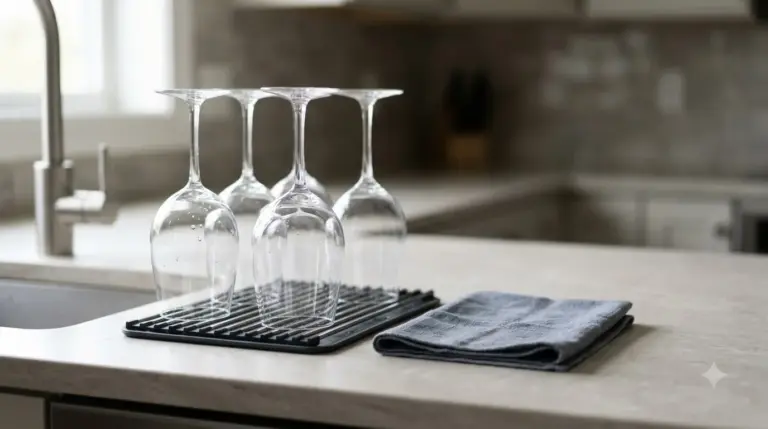
Dry the glass with a soft, lint-free cloth or allow it to air-dry on a suitable rack. Do not position the glass upside down on a hard drying surface because the rim is particularly vulnerable to damage.
Waterford also advises against exposing chilled crystal to sudden heat. Allow a cold glass to return toward room temperature before washing it in hot water. Likewise, avoid pouring very cold liquid into crystal that has just been washed with hot water.
Safe cabinet storage
Keep glasses separated so their bowls and stems do not strike one another when the cabinet is opened or closed. If the cabinet has adjustable shelves, leave enough clearance for the tallest glass in the collection.
A dedicated glassware cabinet can be particularly useful for larger Lismore Essence goblets and Elegance red wine glasses. Avoid stacking stemware unless the manufacturer specifically identifies the product as suitable for stacking.
Do not store fine stemware upside down on its rim. The rim is one of the most delicate areas of the glass, and unnecessary pressure can cause chips or cracks.
Inspecting a sale listing
Before completing an order, review the product description and make sure the listing identifies the exact collection and glass type. A listing for a Lismore goblet should not be confused with a Lismore Essence wine glass simply because both use similar naming.
Next, verify the number of glasses included. A two-piece set and a four-piece set serve different purposes, and a single glass may not provide the value or convenience expected from a matching pair.
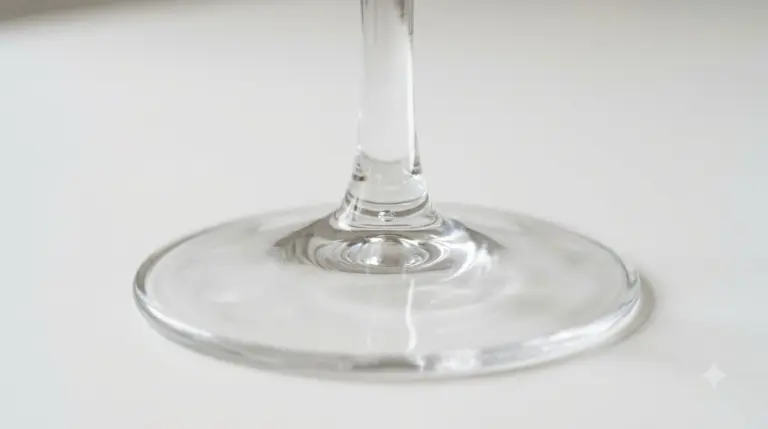
Look carefully at the product photographs. The bowl shape, pattern, stem proportions, and rim should match the intended product. If the listing includes multiple photographs, inspect the base and overall profile rather than relying on a close-up of the decorative pattern.
For discontinued or older pieces, ask whether the product is new, previously owned, or sold as a replacement item. The condition of the rim and stem is particularly important. Even a small chip can affect the usefulness of a wine glass.
Tip: Before choosing a Waterford set, compare the exact collection name, glass capacity, piece count, and care instructions. For a replacement purchase, match the pattern and individual glass shape rather than relying on the Lismore or Marquis name alone.
It is also sensible to review the retailer’s return policy and packaging arrangements. Crystal needs protective shipping materials, and a damaged delivery can turn an otherwise attractive purchase into an inconvenient return process.
For direct product information, Waterford’s official US wine-glass collection is the most useful starting point for checking current product names, configurations, and published capacities. Availability can change, so a collection page should not be treated as a guarantee that every design will remain available.
Buyers should also distinguish between a manufacturer’s general care recommendation and the instructions for an individual product. Waterford’s crystal care instructions explain why careful washing, temperature control, and gentle drying matter.
Frequently Asked Questions
Are older Waterford crystal wine glasses worth collecting?
They can interest collectors who appreciate discontinued patterns, historical variations, and matching tableware. Waterford does not provide its own appraisal service, so anyone buying older pieces as collectibles should seek an independent specialist’s opinion. Collectible appeal and everyday usefulness are separate considerations.
Can Waterford identify a discontinued wine-glass pattern?
Waterford states that it does not have the resources to identify every discontinued product pattern. Its customer-service FAQ points customers toward Replacements.com as one possible pattern-identification resource. Photographs of the bowl, stem, and base can help when requesting identification.
Does Waterford repair broken crystal wine glasses?
Waterford says it does not offer repair services for damaged crystal. The company suggests contacting a specialist in glass repair or restoration. A professional can assess whether a particular piece is suitable for restoration, although damage to a drinking rim deserves particular caution.
Is newer Waterford crystal made without lead?
Yes. Waterford explains that its newer crystal formulation replaces lead oxides with barium oxide. The company also identifies recyclability and reduced factory energy consumption as benefits of the newer formulation. Older lead-crystal pieces remain a separate product category, and Waterford says its food and beverage items undergo food-contact compliance testing.
Can two Waterford glasses from different production periods look slightly different?
Yes. Waterford explains that changes in raw materials can affect crystal color and that differences in shape and thickness can influence the sound produced when a glass is tapped. The newer formulation can also feel slightly lighter. Buyers completing an older set should therefore compare replacement pieces carefully rather than expecting every production period to look and feel identical.
Waterford wine glasses are most appealing to buyers who appreciate decorative crystal, distinctive collections, and carefully coordinated table settings. Lismore Essence is a strong place to begin for traditional styling, while Elegance offers more grape-specific shapes and Marquis provides additional configurations. Compare the exact glass, set size, condition, and care requirements before purchasing so that the chosen pieces become useful additions to the table rather than occasional cabinet decorations.
More in Wine Glasses
 Spiegelau Crystal Wine Glasses That Bring Clarity to Every PourUpdated Nov 21, 2026
 Zalto Crystal Wine Glasses: Are They Worth the Investment?Updated Nov 21, 2026
 Villeroy And Boch White Wine Glasses for a More Cohesive TableUpdated Nov 21, 2026
 Zalto Wine Glasses On Sale: Find the Right Denk’Art GlassUpdated Nov 21, 2026
 Zwiesel Glas Champagne Glasses: Features, Quality and Buying AdviceUpdated Nov 21, 2026
 Zwiesel Glas Decanter Review: A Durable, Elegant Choice for Wine ServiceUpdated Nov 21, 2026