

We may earn a commission when you buy through links on this page, at no extra cost to you. Learn more.
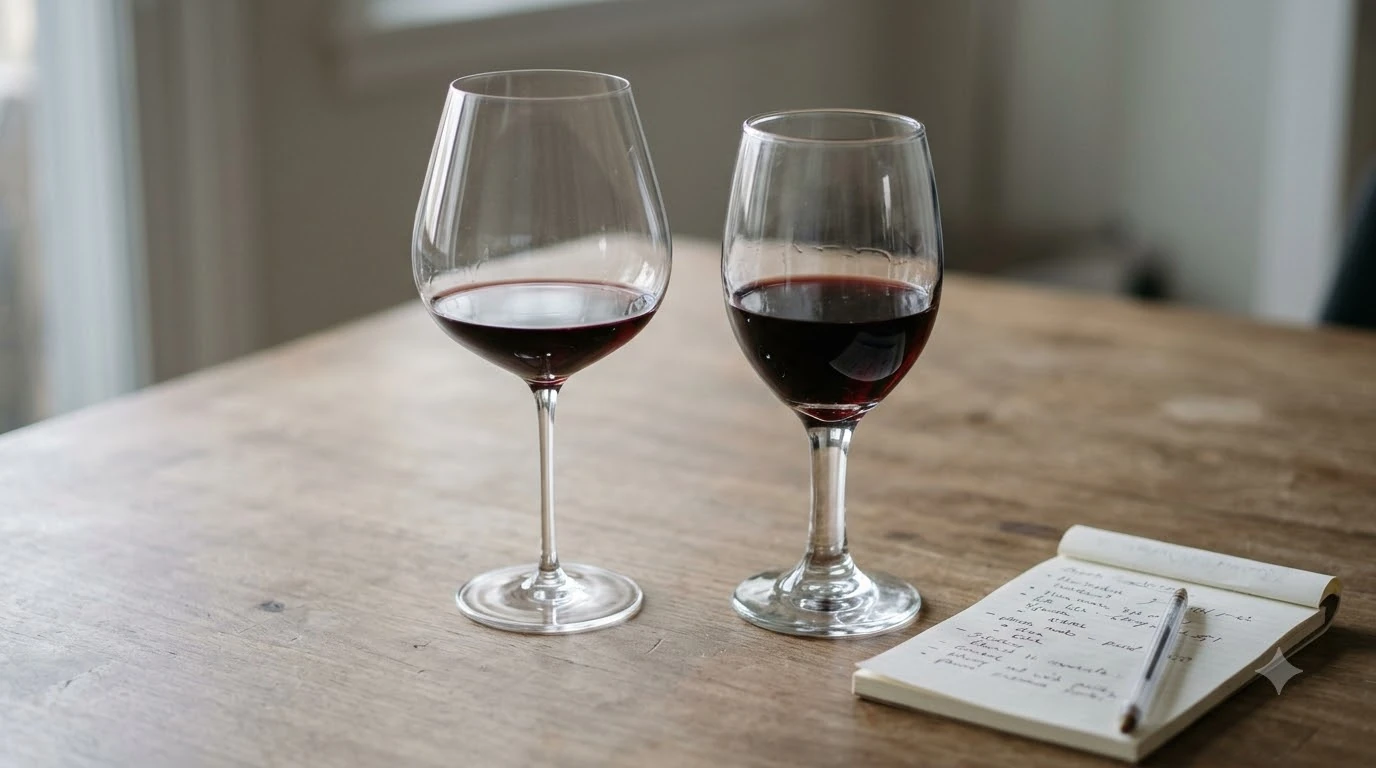
Orrefors red wine glasses are premium crystal stemware worth considering for wine drinkers who value refined Scandinavian design, generous bowls, and carefully shaped glasses for different red wine styles. The Björn Frantzén Bordeaux glass is particularly appealing for Cabernet Sauvignon and Syrah, while the larger Bourgogne design suits Pinot Noir. However, handmade construction, delicate crystal, and hand-washing requirements make some models better suited to special occasions than casual everyday use.
Orrefors has a long association with Swedish glassmaking, and its wine glass collections combine decorative appeal with practical differences in bowl size, shape, and construction. Rather than treating every red wine glass as interchangeable, the brand offers designs for different wine styles and serving preferences. The important decision is whether a particular Orrefors collection fits the wines regularly poured, the available storage space, and the amount of care a household is prepared to provide.
Specs and Key Features: The Björn Frantzén Handmade Edition
The Orrefors x Björn Frantzén Handmade Edition Bordeaux glass is a premium choice for structured red wines, combining a 76 cl capacity with mouth-blown, lead-free crystal. Its generous proportions and handmade construction give it a more specialized character than a basic all-purpose wine glass.
The collection was developed with chef Björn Frantzén and includes two executions: a standard collection and a Handmade Edition. The Handmade Edition Bordeaux glass is designed for full-bodied reds with substantial tannin, particularly Cabernet Sauvignon and Syrah. Orrefors explains that the bowl’s shape and capacity help aerate wine, soften the perception of tannins, and bring fruit aromas forward. The official Orrefors Handmade Edition product specifications provide the exact dimensions, material, and care instructions.
The physical specifications are important because a large wine glass requires more than an attractive appearance. The 235 mm height makes it a substantial piece of stemware, while its 107 mm width gives the bowl room for swirling. Its 76 cl capacity is generous, although that does not mean a glass should be filled anywhere near its maximum volume. A conventional 5 oz pour leaves considerable room for aromas to gather above the wine.
| Specification | Orrefors Handmade Bordeaux |
|---|---|
| Collection | Orrefors x Björn Frantzén Handmade Edition |
| Product type | Bordeaux red wine glass |
| Article number | 6402917 |
| Capacity | 76 cl / approximately 25.7 oz |
| Height | 235 mm / approximately 9.25 inches |
| Width | 107 mm / approximately 4.21 inches |
| Material | Lead-free crystal |
| Construction | Mouth-blown, handmade |
| Care specified by Orrefors | Hand wash |
| Intended wine styles | Full-bodied reds, including Cabernet Sauvignon and Syrah |
One distinction deserves attention before purchasing. The standard Frantzén red wine glass has a 75 cl capacity and is listed by Orrefors as dishwasher safe. The Handmade Edition Bordeaux glass has a 76 cl capacity and is specified for hand washing. These are closely related designs, but their construction and care instructions should not be assumed to be identical.
There is also a useful distinction between manufacturer and retailer information. Dillard’s describes the Frantzén red wine glass as dishwasher safe, but Orrefors specifies hand washing for the Handmade Edition. For the specific handmade model reviewed here, the manufacturer’s care instructions are the more appropriate guide.
For a closer look at how bowl proportions affect wine service, the principles discussed in this red wine glasses selection guide provide useful context.
What Owners Like About Orrefors Design and Performance
The strongest appeal of Orrefors red wine glasses is the combination of visual restraint and practical bowl design. The Frantzén Bordeaux model holds 76 cl, while the Geometry red wine glass holds 72 cl, showing that the brand favors substantial bowls without relying on one universal shape.
Orrefors has a recognizable Scandinavian design approach. Its glassware often emphasizes clean proportions, clarity, and the relationship between the bowl, stem, and foot. That approach makes the glasses suitable for formal dining tables without requiring elaborate decoration. Clear crystal also allows the wine’s color to remain the visual focus, which matters when serving deeply colored Cabernet Sauvignon, ruby-red Pinot Noir, or mature garnet-colored wines.
Generous bowls for aromatic development
A broad bowl gives wine more contact with air than a narrow vessel and creates space for swirling. This can be particularly useful with young Cabernet Sauvignon, Syrah, and other structured reds. The Frantzén Bordeaux glass is specifically intended for these fuller-bodied wines, while the 110 cl Bourgogne model provides an even broader balloon shape for lighter reds.
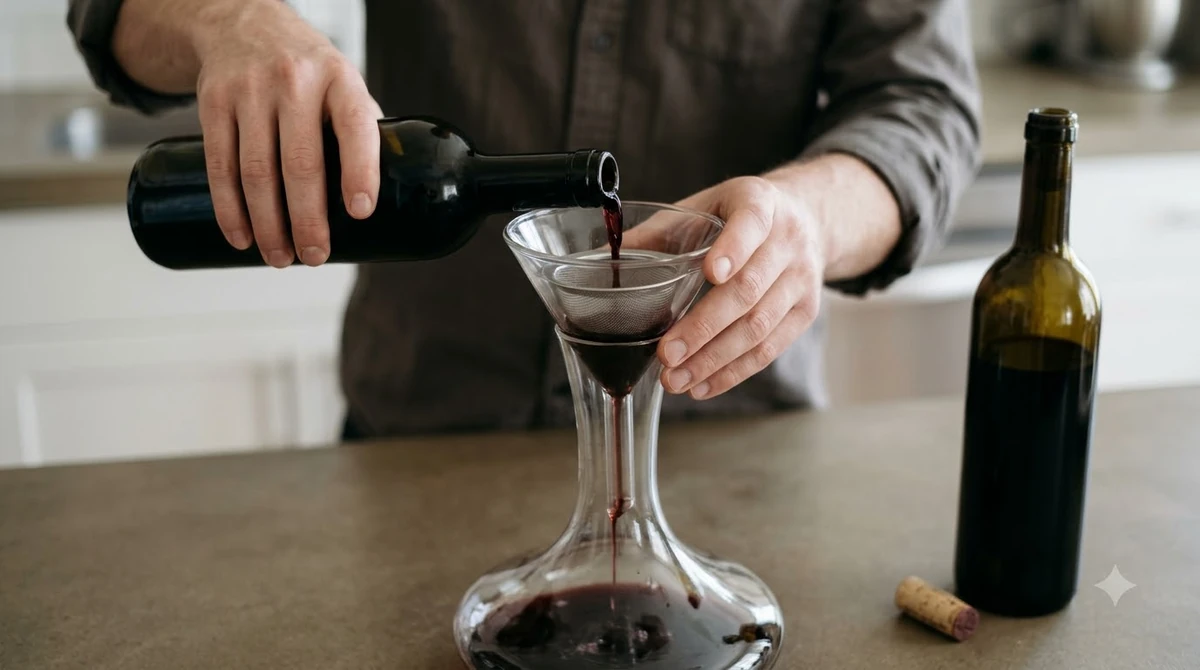
The distinction matters because wine aromas are not experienced in isolation. A glass influences how easily the wine can be swirled and how aromas collect above the liquid. A larger bowl can make the aromatic experience more accessible, although it does not replace proper serving temperature or appropriate decanting.
Crystal clarity and craftsmanship
The Handmade Edition uses lead-free crystal and mouth-blown construction. This gives the product a clear distinction from inexpensive mass-market glassware, particularly for buyers who value traditional glassmaking techniques. The glass is also part of a coordinated collection developed around the work of a named culinary collaborator.
Design consistency can be an advantage when assembling a complete table setting. Matching wine glasses, water glasses, and other stemware create a coherent presentation without introducing several unrelated design styles. Buyers who appreciate understated formal dining may find this more attractive than decorative patterns or colored glass.
There is an important qualification, however: product descriptions are not the same as independently verified owner feedback. Retailer pages provide useful construction and care information, but there is limited published owner-review evidence on the specific Handmade Edition model. Its design and specifications are documented; long-term satisfaction across a large sample of households should not be assumed.
Common Complaints and Practical Limitations
The main compromises are the delicate nature of handmade crystal, the amount of space required by large bowls, and the extra care associated with some collections. The 235 mm Frantzén Bordeaux glass and the 235 mm, 132 mm-wide Bourgogne glass are substantial pieces of tableware that need suitable storage and careful handling.
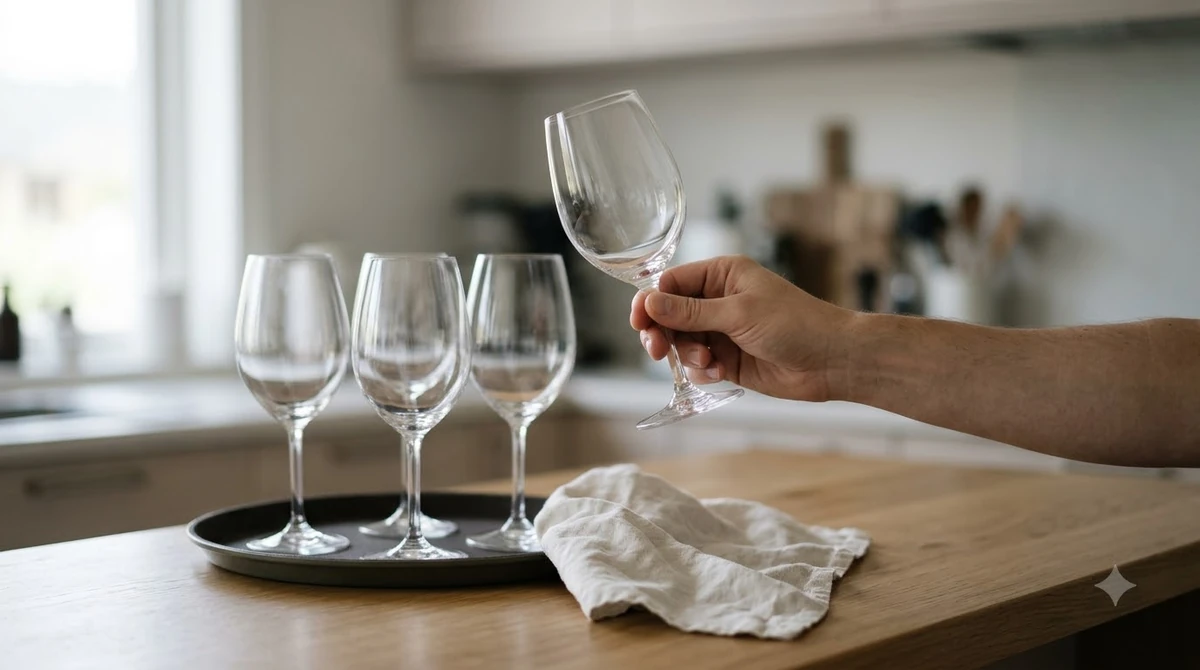
Hand washing is a particularly important consideration. Orrefors specifies hand washing for the Handmade Edition Bordeaux glass and the Geometry red wine glass. That requirement may be inconvenient for households accustomed to placing all their everyday glassware in a dishwasher.
It is important not to generalize this limitation to every Frantzén glass. The standard 75 cl version is listed as dishwasher safe by Orrefors, while the Handmade Edition has a different construction and care specification. A retailer may also use broad collection descriptions that do not clearly distinguish individual executions. Buyers should identify the exact product before relying on a retailer’s general care statement.
Large bowls require careful storage
A 76 cl glass is not necessarily difficult to use, but its dimensions can create practical problems. Tall stems may not fit comfortably in compact cupboards, and broad bowls require enough space to avoid contact with neighboring glasses. Storage racks designed for smaller everyday stemware may not accommodate the widest models.
The 110 cl Bourgogne glass is especially demanding in this respect. At 132 mm wide, it requires considerably more horizontal room than the 107 mm-wide Bordeaux model. A household buying a complete set should measure its cupboard shelves and consider the available space before committing to several large glasses.
Fragility and replacement considerations
Fine crystal should be handled carefully, particularly around the stem and the narrow connection between the bowl and stem. A sudden temperature change, accidental contact with another glass, or excessive pressure during washing can create avoidable risks. Handmade glassware also has a different production character from uniform, inexpensive everyday tumblers.
These limitations do not make the glasses unsuitable for regular use. They simply mean that owners should treat them as considered pieces of stemware rather than rough-use kitchen glasses. Buyers who frequently host large gatherings may prefer a more durable everyday set and reserve the most delicate Orrefors pieces for smaller dinners.
Who Should Buy and Who Should Skip Orrefors
Orrefors is a strong candidate for wine drinkers who appreciate well-designed crystal and regularly serve structured red wines. The 76 cl Frantzén Bordeaux model is particularly appropriate for Cabernet Sauvignon and Syrah, while the larger Bourgogne design offers another direction for Pinot Noir and aromatic whites.
It makes sense to consider the intended wine style before choosing a model. Cabernet Sauvignon typically has high tannin, so a generous Bordeaux-shaped bowl is a sensible match. Syrah can also have substantial tannin and concentrated fruit, making it another natural candidate. These wines benefit from room to swirl and develop aromas before each sip.
For drinkers who prefer Pinot Noir, the 110 cl Handmade Edition Bourgogne glass deserves closer attention. Its large balloon shape is designed for lighter red wines, allowing their aromatic character to develop in the bowl. This is a different purpose from simply choosing the largest available glass.
Buy Orrefors if these priorities matter
- You appreciate Swedish and Scandinavian-inspired glassware design.
- You regularly serve Cabernet Sauvignon, Syrah, Pinot Noir, or other quality red wines.
- You prefer generous bowls that provide room for swirling and aromatic development.
- You value lead-free crystal and, in the Handmade Edition, mouth-blown construction.
- You are comfortable hand washing delicate glassware.
- You want coordinated stemware for a formal dining room or carefully arranged home bar.
Consider alternatives if these needs matter more
- You need inexpensive glasses for large parties or frequent replacement.
- You want every piece of glassware to be dishwasher safe.
- You have limited cupboard height or shelf width.
- You prefer compact glasses that fit easily into everyday kitchen routines.
- You are more concerned with durability and practicality than handmade construction.
Orrefors is not automatically the right purchase for every wine enthusiast. A person who mainly drinks lighter reds from smaller pours may not benefit from an especially large Bordeaux bowl. Similarly, someone who drinks wine occasionally and wants low-maintenance glassware may find a simpler design more appropriate.
For mixed households serving red, white, and sparkling wines, a coordinated selection from the wider wine glasses category may provide better versatility than buying only large red wine bowls.
How It Compares to Other Orrefors Alternatives
The Frantzén Handmade Edition is not the only Orrefors option worth considering. The Geometry red wine glass and the standard Frantzén glass offer different combinations of proportions, construction, and care requirements, making the choice more about household priorities than brand prestige alone.
The most useful comparison is between the 76 cl Handmade Edition Bordeaux glass, the 75 cl standard Frantzén red wine glass, and the 72 cl Geometry red wine glass. All three are intended for red wine, but they differ in construction details and dimensions. Orrefors provides the official Geometry glass description and specifications for buyers comparing its distinctive design with the Frantzén collection.
| Feature | Frantzén Handmade | Frantzén Standard | Geometry |
|---|---|---|---|
| Capacity | 76 cl | 75 cl | 72 cl |
| Height | 235 mm | 235 mm | 200 mm |
| Width | 107 mm | 107 mm | 117 mm |
| Construction | Mouth-blown | Standard collection | Mouth-blown |
| Material | Lead-free crystal | Crystal glass | Crystal glass |
| Care | Hand wash | Dishwasher safe | Hand wash |
| Design | Orrefors x Björn Frantzén | Orrefors x Björn Frantzén | Claesson Koivisto Rune |
Frantzén Handmade versus Frantzén Standard
The most obvious difference is the construction. The Handmade Edition is mouth-blown, while the standard collection offers a more practical execution for everyday service. Their capacities are very close, at 76 cl and 75 cl respectively, and both have the same listed height and width.
For someone who prioritizes traditional glassmaking and is happy to hand wash each glass, the Handmade Edition is the more specialized option. For households that prefer dishwasher-compatible glassware, the standard version has a practical advantage according to Orrefors’ published product information.
The distinction is not that one necessarily makes wine taste better. Both are designed around the same general red wine purpose, and the choice should reflect construction preferences, handling requirements, and intended frequency of use.
Frantzén Handmade versus Geometry
Geometry has a more distinctive architectural appearance. Designed by Claesson Koivisto Rune, it uses the visual language of spheres, cylinders, and cones. The cup, stem, and foot form a coordinated geometric composition that differs from the more restrained Frantzén styling.
Geometry holds 72 cl, compared with the Handmade Bordeaux glass’s 76 cl. It is also shorter at 200 mm, although its 117 mm width makes it broader. That combination may suit buyers who prefer a wide bowl without the taller proportions of the Frantzén model.
Both collections involve mouth-blown glassware and hand washing for the specific models compared here. The choice therefore comes down largely to appearance, bowl proportions, and the overall design language preferred at the table.
Choosing between different bowl shapes
A large Bordeaux glass is a logical choice for full-bodied reds with substantial tannin. Cabernet Sauvignon, Syrah, and many Bordeaux-style blends are good examples. The broad opening and generous capacity allow room for swirling while leaving space above the wine for aromas.
A Bourgogne-style glass is a different proposition. The 110 cl Frantzén Handmade Edition is intended for lighter reds such as Pinot Noir and fuller whites such as Chardonnay. Its balloon-shaped bowl is designed to help the wine develop and reveal its aromatic layers.
Geometry offers another interpretation of the large red wine glass, combining a substantial 72 cl capacity with a shorter, wider silhouette. It may be the more appealing option for someone whose main consideration is the overall appearance of the glass rather than a dedicated Bordeaux or Bourgogne shape.
Care, Serving, and Storage Recommendations
Proper care helps preserve the clarity and appearance of crystal stemware, particularly handmade pieces. The most important distinction is between the care requirements of the individual collections: Orrefors specifies hand washing for Handmade Edition and Geometry models, while the standard Frantzén red wine glass is listed as dishwasher safe.
For hand washing, use lukewarm water and a small amount of mild dish soap. Avoid sudden temperature changes and do not hold the bowl and stem under opposing pressure. Supporting the bowl gently while washing the stem reduces unnecessary strain on the narrow connection between the two sections.
After washing, rinse thoroughly and dry with a clean, lint-free cloth. Avoid twisting the bowl against the stem when polishing. If a glass needs extra attention, use a gentle drying motion rather than applying pressure to remove stubborn marks.
Tip: When washing a handmade crystal wine glass, hold the bowl gently rather than twisting it while gripping the stem. The narrow connection between these sections is a vulnerable point, especially when the glass is wet and slippery.
Serving temperature matters as much as glass shape
A good wine glass cannot compensate for wine served at an unsuitable temperature. Full-bodied reds such as Cabernet Sauvignon and Syrah generally show well at 60 to 65 degrees Fahrenheit, while lighter reds such as Pinot Noir are often better around 55 to 60 degrees Fahrenheit.
These temperatures help maintain balance between fruit, acidity, alcohol, and tannin. Serving a full-bodied red too warm can make alcohol feel more prominent, while serving a lighter red too cold can suppress its aromatic expression.
When pouring into an Orrefors glass, a 5 oz serving is a useful standard. A 750 ml bottle provides approximately five such servings. Even a 76 cl Bordeaux glass should be filled modestly, leaving plenty of space for swirling and aroma collection.
Storage and cupboard organization
Store wine glasses upright in a stable cabinet when possible, with sufficient space between neighboring bowls. Avoid tightly packed shelves where stems or rims can collide. The 117 mm-wide Geometry and 107 mm-wide Frantzén models both need more room than many ordinary wine glasses.
Glassware should be completely dry before being stored for long periods. A clean cabinet also reduces the risk of dust collecting inside bowls. If the glasses are used only for special occasions, a dedicated shelf or padded storage arrangement can help prevent accidental contact with other tableware.
For households that prefer stemless designs for informal entertaining, stemless wine glasses offer a different storage and handling approach, although they do not provide the same traditional presentation as Orrefors stemware.
Frequently Asked Questions
These answers address the most practical purchasing questions, including crystal composition, serving choices, and differences between the Frantzén and Geometry collections. The specific model matters because Orrefors does not apply identical construction and care instructions to every red wine glass.
Are Orrefors red wine glasses made in Sweden?
Orrefors is a Swedish glassware brand with a history dating to 1898. However, the brand’s Swedish heritage should not be treated as proof that every individual glass is manufactured in Sweden. Buyers interested in the production location of a particular model should distinguish brand origin from the manufacturing information for that specific item.
Does lead-free crystal contain any lead at all?
Lead-free crystal is formulated without intentionally added lead oxide as the traditional crystal-forming ingredient. Crystal terminology can cover different glass compositions, so lead-free crystal and ordinary crystal glass should not automatically be treated as identical material specifications. Orrefors specifically identifies the Handmade Edition Bordeaux glass as lead-free crystal.
Can a large Bordeaux glass also be used for white wine?
Yes, a large Bordeaux glass can be used for fuller white wines, although it is not the most specialized choice for every white wine style. Chardonnay is a useful example because its medium acidity and fuller texture can work well in a roomier bowl. For delicate aromatic whites, a more compact glass may provide a more focused presentation.
How much wine should be poured into a 76 cl Orrefors glass?
A 5 oz serving is a useful standard pour, even when the glass has a much larger maximum capacity. The remaining space allows the wine to be swirled without spilling and gives aromas room to gather. Capacity describes the total volume the vessel can hold, not the recommended serving size.
Do handmade Orrefors glasses have to be perfectly identical?
Mouth-blown glassware is produced through a traditional process rather than being formed entirely through identical automated cycles. Small differences associated with handmade production may occur between individual pieces. Buyers who prefer highly uniform dimensions and appearance may find standard production glassware more suitable.
Orrefors red wine glasses are attractive choices for buyers who value Scandinavian design, crystal craftsmanship, and bowl shapes matched to particular wine styles. The Frantzén Handmade Edition Bordeaux glass is the standout option for structured reds, while Geometry provides a distinctive alternative and the larger Bourgogne model caters to Pinot Noir enthusiasts. Choose according to the wines regularly served, available storage, and willingness to hand wash delicate stemware.
More in Wine Glasses
 Spiegelau Crystal Wine Glasses That Bring Clarity to Every PourUpdated Nov 21, 2026
 Zalto Crystal Wine Glasses: Are They Worth the Investment?Updated Nov 21, 2026
 Villeroy And Boch White Wine Glasses for a More Cohesive TableUpdated Nov 21, 2026
 Zalto Wine Glasses On Sale: Find the Right Denk’Art GlassUpdated Nov 21, 2026
 Zwiesel Glas Champagne Glasses: Features, Quality and Buying AdviceUpdated Nov 21, 2026
 Zwiesel Glas Decanter Review: A Durable, Elegant Choice for Wine ServiceUpdated Nov 21, 2026