

We may earn a commission when you buy through links on this page, at no extra cost to you. Learn more.
Orrefors stemless wine glasses are an attractive choice for wine drinkers who want Scandinavian design, crystal clarity, and versatile everyday drinkware. The standout option is the More Stemless/Tumbler, designed by Erika Lagerbielke, with a 13-ounce capacity and a compact, rounded form. Its ability to serve wine, spirits, cocktails, and nonalcoholic beverages makes it particularly practical, although its open tumbler shape does not offer all the aromatic advantages of a dedicated stemmed wine glass.
Orrefors approaches glassware with an emphasis on clean proportions, functional design, and carefully considered materials. The More collection illustrates this philosophy through drinkware that looks refined without being reserved exclusively for formal occasions. Its stemless option is especially interesting for households that want one attractive glass for several types of beverages. However, choosing crystal drinkware requires some consideration of handling, washing, storage, and the kind of wine being served. This review examines the More Stemless/Tumbler, its construction, everyday performance considerations, and the situations in which a different wine glass may be a better investment.
Specs and Key Features
The Orrefors More Stemless/Tumbler combines crystal construction with a compact design intended for several beverage categories. Its 13-ounce capacity and approximately 4.61-inch height make it a relatively small, manageable option compared with larger stemmed wine glasses.
Designed by Erika Lagerbielke, the glass belongs to the More collection, which emphasizes practical drinkware with a consistent contemporary appearance. The rounded tumbler format removes the traditional stem and foot, producing a glass that sits directly on the table and can be used for wine or other beverages. This is an important distinction: the product is not simply a traditional red or white wine glass with its stem removed. It is a multifunctional tumbler that can accommodate wine without being specialized for a particular grape variety.
The following specifications are drawn from the Orrefors product listing and supporting retailer descriptions. Measurements are approximate where retailers describe them as such.
| Specification | Orrefors More Stemless/Tumbler |
|---|---|
| Designer | Erika Lagerbielke |
| Collection | More |
| Material | Crystal glass |
| Capacity | 13 US fl oz |
| Width | Approximately 3.31 inches |
| Height | Approximately 4.61 inches |
| Shape | Stemless tumbler |
| Care | Dishwasher safe according to the Orrefors product listing |
| Primary uses | Wine, water, beer, spirits, cocktails, and nonalcoholic beverages |
One detail deserves attention before purchasing: retailer listings do not always present identical care instructions. Orrefors and Dillard’s identify the More tumbler as dishwasher safe, while Nordstrom’s listing recommends hand washing. This difference makes it sensible to confirm the instructions supplied with the particular set being purchased rather than assume that every retailer’s listing covers every production or packaging variation.
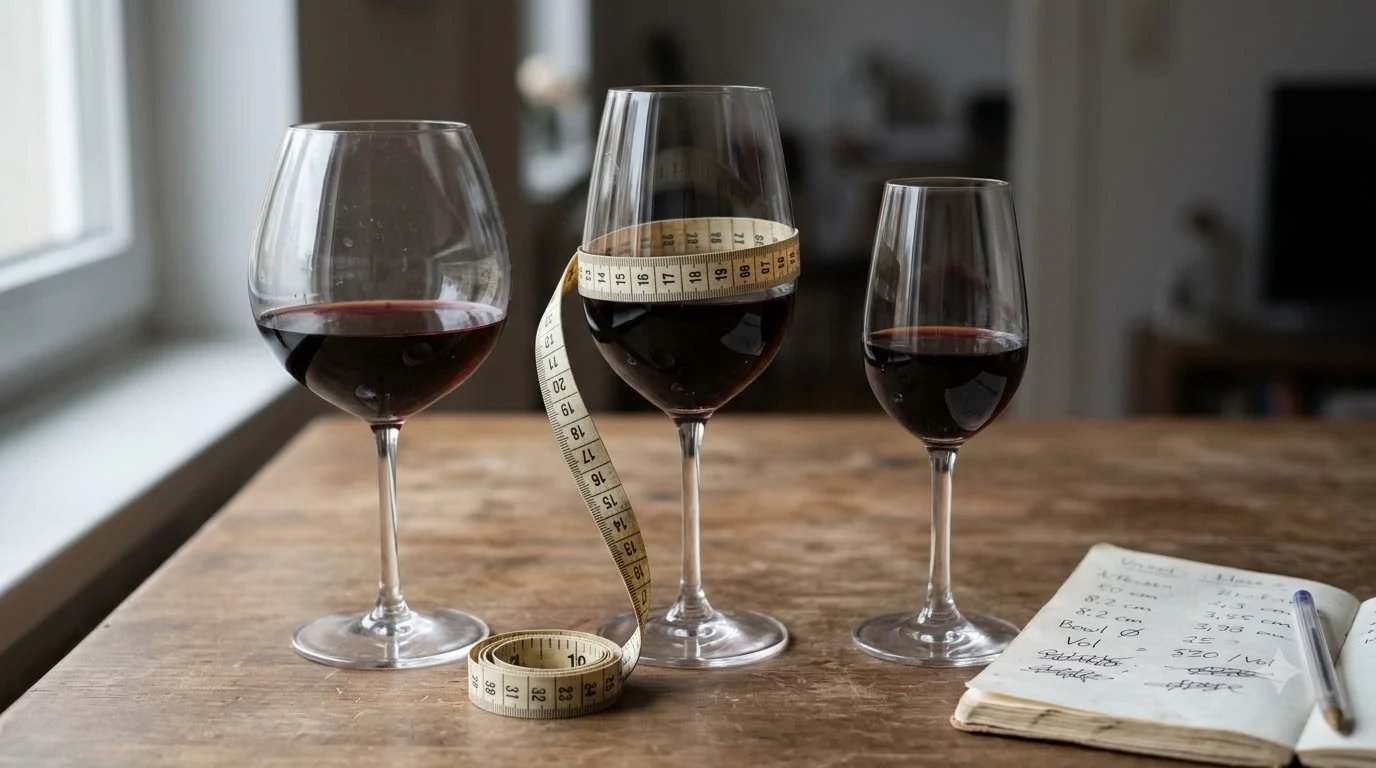
The capacity is also worth interpreting correctly. A 13-ounce glass is not intended to hold a full bottle of wine. A standard 750 ml bottle provides approximately five 5-ounce servings, leaving enough room in the tumbler for a sensible pour without filling it to the rim. The glass can also accommodate ice and mixed drinks, which helps explain its multifunctional positioning.
For wine drinkers comparing shapes and proportions, the broader stemless wine glasses category provides useful context. Orrefors sits toward the design-conscious end of this category, with an emphasis on crystal appearance and coordinated tableware rather than specialized tasting performance.
What Owners Like
The strongest appeal of the Orrefors More Stemless/Tumbler is its combination of understated appearance and practical versatility. Its compact dimensions, crystal construction, and multipurpose design make it suitable for everyday dining as well as more carefully arranged entertaining.
A clean, contemporary appearance. The More tumbler has a simple silhouette that works with different table settings. It does not rely on decorative patterns, elaborate engraving, or unusual colors to make an impression. This restraint is useful in a household where glassware needs to coordinate with several styles of dinnerware, serving pieces, and bar accessories. The design can look equally appropriate beside a casual weekday meal or a more formal dinner.
A manageable shape. A glass approximately 4.6 inches tall is easier to accommodate on many crowded tables than a tall stemmed wine glass. The absence of a narrow stem also changes how the glass is held. Some people prefer wrapping their fingers around a tumbler rather than balancing a bowl above a thin stem. One Nordstrom customer specifically described the More glasses as easy to hold and classy-looking, while also characterizing them as smaller than some traditional wine glasses.
Versatility beyond wine. Orrefors explicitly presents the More Tumbler for beverages including water, beer, wine, and liquor. Its product description also names rye whiskey, bourbon, gin, margaritas, mimosas, and gin and tonics. That range is useful because a household does not necessarily need separate glasses for every casual drink. A matching set can serve several purposes without making a home bar or kitchen cupboard feel crowded.
Crystal presentation. Crystal glass offers a bright, transparent appearance that helps show a wine’s color. This is particularly appealing for pale Sauvignon Blanc, golden Chardonnay, rosé, and ruby-colored Pinot Noir. Clear glass also makes it easier to see the appearance of cocktails, sparkling water, and other beverages. For buyers who value the visual presentation of a drink as much as the glass’s practical function, this is a meaningful advantage.
Designer identity. The More collection is associated with Erika Lagerbielke, giving the glass a recognizable design background rather than an anonymous generic shape. Buyers who appreciate coordinated Scandinavian-style interiors may find this more appealing than purchasing unrelated glassware from different manufacturers.
Everyday usefulness. A dedicated wine glass can be ideal for a particular grape or wine style, but it may spend much of its time in storage. The More tumbler has a broader role. It can move from serving red wine at dinner to holding water at lunch or a cocktail in the evening. That flexibility is particularly valuable in smaller kitchens and apartments where cupboard space matters.
These advantages explain why the More Stemless/Tumbler is worth considering even for buyers who already own traditional stemmed glasses. It fills a different role rather than attempting to replace every specialized piece of wine equipment.
Common Complaints
The main compromises involve wine-specific performance, fragility, and differences in care instructions across retailers. These concerns do not make the Orrefors glass a poor choice, but they should influence expectations before buying a complete set.
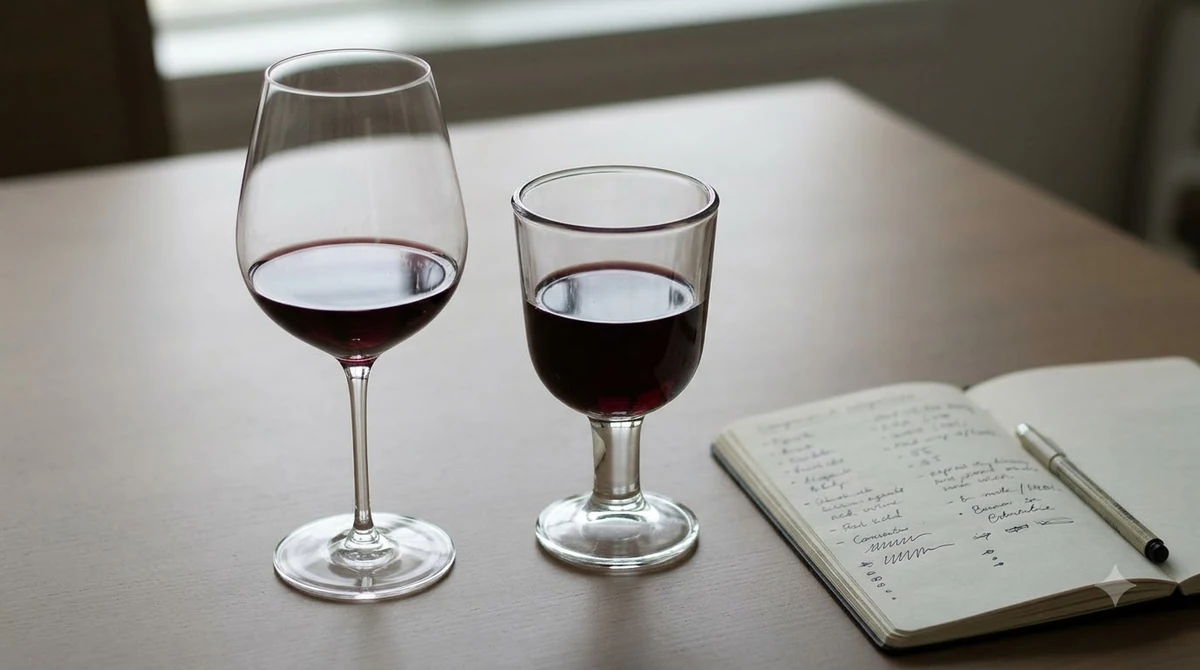
Less specialized wine aeration. A stemless tumbler generally provides less control over how wine aromas collect than a purpose-designed wine glass. Traditional wine glasses often use a bowl that narrows toward the rim, helping concentrate aromatic compounds near the nose. The More tumbler has a more general-purpose drinking shape, so it does not provide the same degree of aromatic focus as a dedicated Burgundy, Cabernet Sauvignon, or Sauvignon Blanc glass.
This distinction matters most when serving wines with complex aromatic profiles. A mature Pinot Noir, for example, can benefit from a wider bowl that provides room for its aromas to develop. A bold Cabernet Sauvignon may also benefit from a taller bowl that concentrates its aromas. The More tumbler remains perfectly usable for these wines, but buyers who regularly conduct structured tastings may prefer specialist glassware.
Greater exposure to fingerprints and hand warmth. Without a stem, the drinker’s hand comes into more direct contact with the bowl. Fingerprints may become more noticeable on transparent crystal, particularly under bright dining-room lighting. The hand can also warm a chilled white wine or rosé more quickly than when the glass is held by a stem. This is not necessarily a problem for casual drinking, but it can become inconvenient when serving wine that benefits from a consistently cool temperature.
Breakage remains possible. Crystal glass should not be confused with unbreakable drinkware. A stemless shape eliminates the possibility of snapping a delicate stem, but it does not prevent damage if the bowl strikes another glass, ceramic mug, countertop, or sink. A Nordstrom customer reported that one glass broke after tipping over in a dishwasher and hitting a coffee mug. That experience illustrates why spacing matters even when a product is marketed as dishwasher safe.
Conflicting washing recommendations. Orrefors and Dillard’s list dishwasher suitability for the More tumbler, while Nordstrom gives a hand-wash instruction for its listing. Buyers should take this difference seriously. Dishwasher suitability does not mean that a glass can safely knock against other items during a wash cycle. It also does not guarantee that every dishwasher detergent, temperature setting, or rack arrangement is equally suitable for crystal.
Smaller proportions than some wine drinkers expect. The 13-ounce capacity is versatile, but it is modest compared with large-format wine glasses that can hold considerably more air above a standard serving. Someone accustomed to a generous 20-ounce red wine glass may find the More tumbler compact. It is therefore important to consider the intended pour and the amount of space needed for swirling before deciding whether this size suits regular wine drinking.
No stemmed-glass temperature advantage. The lack of a stem is convenient for handling and storage, but it removes the traditional grip point that helps keep hands away from chilled wine. For a leisurely dinner featuring several glasses of white wine, this can be a disadvantage. The simplest solution is to serve smaller quantities and replenish them as needed rather than leaving a large pour sitting in a warm room.
Overall, the complaints point to a clear distinction between a versatile lifestyle tumbler and a specialist wine-tasting glass. The More design performs its intended multifunctional role more convincingly than it serves as a substitute for every style of traditional wine glass.
Who Should Buy and Who Should Skip
Orrefors More Stemless/Tumbler is best suited to buyers who value versatile crystal drinkware, restrained design, and practical everyday use. It is less suitable for wine enthusiasts who want a dedicated glass shape for every grape variety or who prioritize temperature and aroma control above convenience.
Who should consider buying it
Design-conscious households: The simple shape makes the More tumbler a natural fit for contemporary and Scandinavian-inspired interiors. Its clear crystal appearance does not compete with patterned plates, colorful table linens, or decorative serving dishes. People who prefer understated table settings may appreciate its clean proportions more than elaborate cut-glass designs.
Casual wine drinkers: Someone who enjoys a glass of Merlot with dinner, Pinot Noir on weekends, or Chardonnay during a relaxed evening does not necessarily need a specialist glass for every occasion. The 13-ounce capacity accommodates an ordinary wine serving while leaving room above the liquid. For casual enjoyment, that level of performance can be sufficient.
Apartment dwellers and smaller households: The shorter form is convenient where cupboard height and shelf organization are limited. A versatile set can reduce the need to store several different types of tumblers and casual wine glasses. Its ability to serve both alcoholic and nonalcoholic beverages also makes it useful when entertaining guests with different preferences.
Hosts who serve several beverage types: The More tumbler is especially practical when a dinner party includes wine, water, cocktails, and spirits. A coordinated set creates a consistent visual appearance across the table without requiring a separate glass for every drink. Its suitability for margaritas, mimosas, and gin and tonics also extends its usefulness beyond wine service.
People buying coordinated drinkware: The More collection includes additional glassware, allowing buyers to explore a matching approach to table presentation. This is appealing to people who want their everyday tumblers and wine glasses to share a similar design language.
Who should skip it
Dedicated wine tasters: Buyers who regularly compare Cabernet Sauvignon, Pinot Noir, Riesling, and Chardonnay may prefer specialized glass shapes. A dedicated wine glass offers more control over the relationship between bowl width, aroma concentration, and serving temperature. The More tumbler is not designed to optimize each of those characteristics.
People who prioritize chilled white wine: The stemless format makes it easier for the hand to warm the bowl. If long dinners routinely involve chilled Riesling, Sauvignon Blanc, or sparkling wine, a traditional stemmed glass may be more convenient.
Households that need highly durable everyday glassware: If drinkware is frequently handled by children, stacked tightly in cupboards, or washed in crowded dishwasher racks, a more impact-tolerant material may be a sensible choice. Crystal is attractive, but it still requires careful handling.
Buyers who prefer oversized red wine bowls: A 13-ounce tumbler may feel restrictive to people who want plenty of room for swirling a complex red wine. A larger dedicated red wine glass is likely to offer a more suitable experience.
For a broader comparison of traditional shapes and practical alternatives, the wine glasses category is useful. Buyers who primarily serve Cabernet Sauvignon, Merlot, and other structured reds can also compare options in the red wine glasses category.
How It Compares to Alternatives
The More Stemless/Tumbler occupies a useful middle ground between specialist wine stemware and general-purpose drinking glasses. Its strongest advantage is versatility, while traditional stemmed glasses have the advantage when wine aroma and serving temperature are the main priorities.
The most relevant comparison is with other glass formats rather than assuming that all stemless products offer identical performance. Bowl shape, capacity, rim diameter, and overall height can significantly change how comfortable a glass feels and how well it serves a particular drink.
Orrefors More versus traditional stemmed wine glasses
A traditional wine glass has three principal components: a bowl, a stem, and a base. The bowl determines the amount of room available for wine and air, while the stem provides a grip that keeps the hand away from the liquid. The base supports the glass and allows it to stand securely on a level surface.
The More tumbler removes the stem and base, creating a compact drinking vessel. This makes it easier to store in many cupboards and reduces the risk of damage to a narrow stem. However, it also makes temperature management less convenient and provides a more general-purpose bowl shape.
For a dinner featuring a full-bodied Cabernet Sauvignon, a traditional larger-bowled red wine glass is usually the more specialized option. For casual Merlot, a glass of table wine with dinner, or water alongside a meal, the More tumbler may be the more convenient choice.
Orrefors More versus generic stemless glasses
Generic stemless glasses can provide the same basic convenience of a short, stem-free design. Their construction and dimensions vary considerably, so buyers should not assume that a similar appearance means similar capacity, weight, or durability.
The Orrefors More option distinguishes itself through its designer attribution, crystal construction, and coordinated collection. Its 13-ounce capacity is also clearly identified in several retailer listings. These characteristics make it appealing to shoppers who value design consistency rather than simply looking for the cheapest functional tumbler.
Orrefors More versus specialist tasting glasses
Specialist tasting glasses are designed around wine characteristics rather than multifunctional service. A wide bowl can be useful for aromatic Pinot Noir, while a more tapered shape may help focus the aromas of other wine styles. White wine glasses generally have narrower proportions than many red wine glasses to help preserve delicate aromas.
The More tumbler is not intended to replace these specialized forms. It is better viewed as an additional glass for relaxed meals, entertaining, and everyday drinks. A household can reasonably own both a set of More tumblers and a smaller number of specialist stemmed glasses for occasions when wine presentation matters more.
Orrefors also offers dedicated wine glasses within its wider collection. Its official More Stemless/Tumbler product description explains the glass’s intended versatility, while the broader collection makes it possible to consider different shapes for more specialized wine service.
The decision therefore comes down to use rather than prestige alone. A stemless tumbler is not automatically inferior to a stemmed glass, and a crystal construction does not automatically make a glass suitable for every tasting situation. The right choice depends on whether the priority is convenience, presentation, aroma, temperature control, or a combination of those factors.
Care and Everyday Handling
Proper care helps maintain the clarity and appearance of crystal drinkware. Although Orrefors identifies the More tumbler as dishwasher safe, gentle handling and sensible storage remain important because crystal can break when it strikes hard surfaces.
Wash with sufficient space. If using a dishwasher, arrange each glass so that it cannot touch neighboring glasses, mugs, plates, or utensils during the wash cycle. A crowded rack increases the possibility of movement and impact. The Nordstrom owner report involving a glass that tipped over and struck a coffee mug demonstrates why this precaution matters.
Consider hand washing. Hand washing is a sensible alternative when the glasses have visible fingerprints, when the dishwasher rack is crowded, or when the specific retailer’s instructions recommend it. Use warm water and a mild dishwashing liquid rather than abrasive cleaners. A soft sponge or cloth is preferable to a rough scouring pad.
Dry carefully. Allow excess water to drain before polishing with a clean, lint-free cloth. Avoid gripping the glass too tightly while drying, especially around its rim. Holding the bowl securely with a soft cloth can reduce fingerprints while minimizing pressure on the glass.
Store with separation. Place the glasses upright on a stable shelf with enough space between them. Avoid forcing several tumblers into a narrow cupboard compartment. If stacking is necessary, confirm that the specific design is intended to be stackable rather than assuming that the rounded form can safely support another glass.
Keep the rim protected. The rim is particularly important because chips can affect drinking comfort and make the glass unsuitable for normal service. Avoid knocking the glass against faucets, sink edges, countertops, or other pieces of drinkware. Inspect each glass before using it for guests.
Tip: For the safest everyday routine, wash the More tumbler by hand with warm water and mild detergent, dry it with a lint-free cloth, and store it upright with space between neighboring glasses. Even if a particular listing describes it as dishwasher safe, avoiding contact with other items helps reduce accidental breakage.
Care is especially important when the glasses are used for several types of beverages. Red wine can leave visible residue around the bowl if glasses are left unwashed, while cocktails containing citrus or sweet mixers can leave sticky deposits. Rinsing promptly after use makes cleaning easier and helps preserve the clear appearance of crystal.
For a dinner party, it is also useful to prepare the glasses before guests arrive rather than polishing them at the table. This gives the host time to inspect the rims, remove fingerprints, and organize the drinkware according to the beverages being served. These small habits help maintain the refined presentation that makes crystal drinkware appealing in the first place.
Frequently Asked Questions
Are Orrefors stemless wine glasses lead-free?
The product descriptions for the More Stemless/Tumbler identify the material as crystal glass but do not provide a specific lead-content declaration for every listing. Buyers who require confirmation about lead content should request the relevant material specification directly from the manufacturer before purchasing. This is particularly important when material composition is a purchasing requirement rather than simply a preference for crystal clarity.
Can Orrefors stemless glasses be used for sparkling wine?
The More tumbler can physically hold sparkling wine, but its broad tumbler format is not designed specifically to preserve carbonation. A dedicated sparkling wine glass or flute provides a more specialized shape for serving Champagne and other sparkling wines. The More glass is better suited to casual service when multifunctionality matters more than preserving bubbles for an extended period.
How many glasses should a household own?
A household that regularly entertains four guests may find an eight-glass collection more convenient than purchasing only four pieces. This provides room for replacement and additional drinks without requiring immediate washing during a gathering. Smaller households that primarily use the glasses for everyday meals may find a four-piece set sufficient.
Can stemless crystal glasses be used for hot drinks?
The More Stemless/Tumbler is presented as drinkware for wine, spirits, beer, water, and other beverages, not as a heat-resistant coffee or tea glass. Sudden temperature changes can stress glass materials, so it should not be treated as a thermal mug. For hot beverages, choose drinkware specifically identified by its manufacturer as suitable for hot-liquid service.
Can replacement glasses be purchased individually?
Replacement availability depends on the retailer, the particular More product listing, and current inventory. The article number 6310103 identifies the official four-piece 44 cl More tumbler listing, while 6310110 identifies a separate two-piece listing in Orrefors’ European product catalog. Providing the exact article number when contacting a retailer can help distinguish the intended glass from other products in the collection.
Orrefors More Stemless/Tumbler is a compelling option for buyers who want attractive crystal drinkware that can serve wine, cocktails, spirits, and everyday beverages without taking up the space of tall stemware. Its 13-ounce capacity, Erika Lagerbielke design, and versatile shape make it particularly suitable for relaxed entertaining and contemporary home settings. Choose it for convenience and understated presentation, but consider dedicated stemmed wine glasses if aroma development and temperature control are central to your wine experience.
More in Wine Glasses
 Pottery Barn Crystal Wine Glasses: Features, Quality and Buying AdviceUpdated Nov 21, 2026
 Nachtmann Red Wine Glasses: A Closer Look at Vinova CrystalUpdated Nov 21, 2026
 Nude Stemless Wine Glasses Review: Elegant Crystal for Everyday WineUpdated Nov 21, 2026
 Paksh Decanter Review: Features, Capacity, and Wine-Serving PerformanceUpdated Nov 21, 2026
 Marquis Red Wine Glasses Review: Find the Right Fit for Red WineUpdated Nov 21, 2026
 Marquis White Wine Glasses: Elegant Stemware for Everyday White WineUpdated Nov 21, 2026