

We may earn a commission when you buy through links on this page, at no extra cost to you. Learn more.
Govino white wine glasses are a practical choice for anyone who wants reusable, shatterproof drinkware for patios, picnics, poolside gatherings, and everyday casual wine service. The current 12-ounce stemless model uses BPA-free Tritan Renew material, features a distinctive thumb notch, and is designed to provide glass-like clarity without the risk of broken drinking glasses. Its main compromise is that it cannot completely reproduce the weight, feel, or traditional presentation of real glass stemware.
Traditional wine glasses remain the standard for formal dinners and dedicated tasting sessions, but they are not always convenient outside the dining room. Pool decks, boats, camping trips, and outdoor parties create situations where a dropped glass can become a serious inconvenience. Govino addresses that problem with lightweight reusable drinkware designed specifically for situations where conventional glassware is less practical. This review examines its construction, everyday performance, cleaning requirements, and suitability for different wine drinkers.
Specs and Key Features of Govino White Wine Glasses
The current Govino white wine glass combines a 12-ounce capacity with a stemless shape and shatterproof construction. Its defining features are the Tritan material, polished rim, and thumb-shaped indentation, which make it more distinctive than an ordinary reusable plastic cup.
The manufacturer positions this model as an alternative to fragile glassware rather than a replacement for every type of wine glass. Its transparent appearance makes it appropriate for serving white wine, while its compact construction suits casual indoor and outdoor occasions. Govino’s official 12-ounce white wine glass specifications describe the material, capacity, design, and available pack configurations.
| Specification | Details |
|---|---|
| Product | Govino Shatterproof White Wine Glass |
| Capacity | 12 fluid ounces |
| Construction | Stemless |
| Material | Tritan Renew copolyester |
| BPA status | BPA-free |
| Design feature | Trademark thumb notch |
| Rim | Polished drinking rim |
| Dishwasher compatibility | Yes, current dishwasher-safe model |
| Breakage resistance | Shatterproof construction |
| Available configurations | 2-pack, 4-pack, and 8-pack |
| Manufacturing location | Austin, Texas, USA |
| Intended beverages | White wine, sparkling wine, cocktails, and other drinks |
The 12-ounce capacity is particularly useful for white wine because it provides enough room for a moderate serving while leaving space above the liquid. A standard wine pour is approximately 5 ounces, so the glass has sufficient capacity for a conventional serving without filling it to the rim. Leaving headspace also makes it easier to swirl wine gently and appreciate its aromas.
Material is an important distinction. Govino uses Tritan Renew, a copolyester material, rather than conventional soda-lime glass or crystal. This construction provides the lightweight, shatterproof qualities that make the product suitable for outdoor use. It also gives the glass a clear appearance that displays the color of Sauvignon Blanc, Chardonnay, Pinot Grigio, and other white wines.
The thumb notch is more than a decorative detail. It creates a natural gripping point that can make a stemless glass easier to hold while standing, walking, or entertaining guests. The polished rim is another notable feature because the drinking edge is one of the areas where plastic drinkware can feel noticeably different from traditional wine glasses.
For additional comparisons before choosing a set, the white wine glasses buying guide can help explain why bowl shape, opening width, and capacity matter for different wine styles.
What Owners Like About the Govino Design
The strongest appeal of Govino white wine glasses is their combination of practical durability and recognizable wine-glass styling. They are particularly useful when traditional glassware creates unnecessary concerns about accidental breakage.
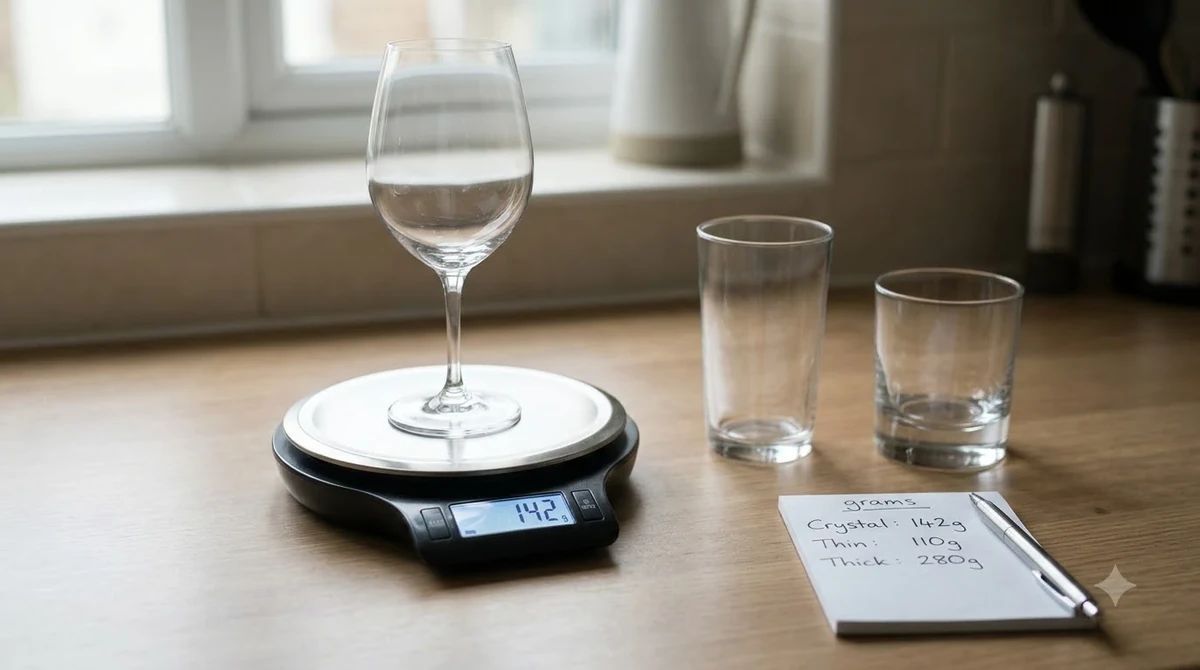
Shatterproof construction is the main advantage. A conventional wine glass can break when knocked off a patio table, dropped beside a swimming pool, or packed carelessly for a picnic. Govino’s reusable polymer construction removes much of that concern. The glasses are therefore attractive for homeowners who entertain outdoors and people who want wine service in locations where glass containers are discouraged or prohibited.
The Kitchn’s review of Govino outdoor wine glasses provides a useful example of this everyday appeal. Its reviewer described using Govino glasses around a swimming pool where traditional glassware was not permitted. The reviewer also appreciated their clear appearance, stemless design, and suitability for both adults and children. That experience illustrates the product’s intended role: making casual entertaining easier without relying on disposable cups.
Another positive feature is the grip. The thumb notch gives users a designated place to hold the glass, which can make handling feel more secure than holding an ordinary smooth-sided tumbler. This is especially useful when guests are standing around a backyard gathering or carrying drinks between a kitchen and patio.
The shape also avoids one of the common disadvantages of stemmed wine glasses. A traditional stem provides a convenient way to hold the bowl without transferring as much warmth from the hand, but it also creates a fragile point that can break during storage or handling. Govino removes that vulnerable stem altogether.
Its appearance is another reason owners consider it a step above disposable plastic cups. The clear material allows the wine’s color to remain visible, and the tulip-like profile looks more appropriate on a dining table than a standard party tumbler. The design is casual rather than formal, but that is exactly where the product is most convincing.
Independent feedback also suggests that the updated construction addresses some earlier weaknesses. Drinkhacker’s review describes the newer glasses as thicker and sturdier than previous versions. The reviewer specifically identifies the improvement in dishwasher performance as a welcome change after experiencing deformation with older glasses.
The thinner drinking lip reported by The Kitchn is another favorable design development. A thick plastic rim can make wine drinking feel less refined, particularly for people accustomed to crystal or thin-rimmed glassware. A more carefully finished rim helps reduce that difference, even though the overall material remains plastic.
For households that entertain regularly, reusability is another advantage. Rather than repeatedly replacing disposable cups, owners can wash and store the same glasses for future occasions. The 2-pack, 4-pack, and 8-pack configurations also provide flexibility for couples, smaller households, and people who host larger groups.
Overall, the appeal is straightforward: Govino makes serving wine in less formal environments easier, with fewer concerns about broken glass, awkward carrying, or storing delicate stemware.
Common Complaints and Practical Limitations
Govino white wine glasses solve a specific problem, but their construction also introduces limitations. The biggest compromises concern the feel of plastic, the differences between product generations, and the expectations of people who prefer traditional wine-tasting glassware.
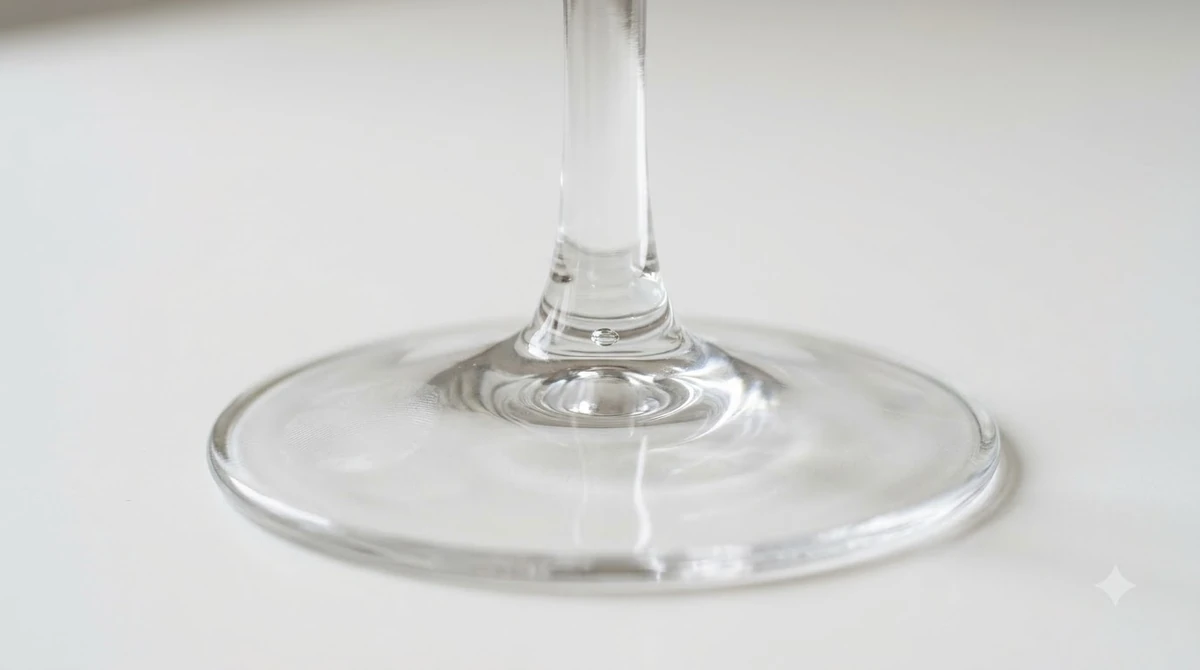
The first consideration is material perception. Tritan can provide impressive clarity, but it is still a polymer rather than glass. People who enjoy the weight, temperature, and tactile feel of crystal may notice the difference immediately. Even a carefully finished plastic rim cannot make the complete drinking experience identical to a thin-rimmed glass vessel.
This distinction matters more during formal wine service than during a casual afternoon outdoors. At a dinner featuring several wines, a dedicated stemmed glass may provide a more familiar presentation. For a backyard lunch with chilled Pinot Grigio, however, the difference may be much less important.
Another potential concern is confusion between older and newer Govino products. Earlier generations had different material and dishwasher characteristics. Drinkhacker specifically describes older versions as thinner and prone to losing their shape when exposed to dishwasher conditions. The newer construction was reported to be noticeably sturdier.
This history makes product identification important. A shopper should not assume that every older Govino glass has the same dishwasher compatibility as the current white wine model. The manufacturer’s current product description identifies the 12-ounce glass as dishwasher safe, while its general care guidance distinguishes dishwasher-safe drinkware from its separate hand-wash-only collection.
Some users may also dislike the stemless shape. Without a stem, the hand sits closer to the bowl and liquid. This is not necessarily a problem for casual service, but wine enthusiasts who carefully manage serving temperature may prefer traditional stemmed glasses.
For example, a crisp Sauvignon Blanc is generally served around 45 to 50 degrees Fahrenheit. Holding a conventional glass by its stem helps reduce direct contact with the chilled wine’s bowl. A stemless Govino glass does not provide the same separation, so it is sensible to serve smaller quantities and replenish them as needed.
Surface appearance is another consideration with reusable polymer drinkware. Repeated handling, contact with abrasive cleaning materials, and careless storage can affect the appearance of clear plastic. Scratches may become more noticeable over time, especially when the glasses are stored loosely with metal utensils or other hard objects.
Finally, the shatterproof design should not be confused with indestructibility. A product that resists ordinary breakage can still become damaged, scratched, or deformed through unsuitable handling. Treating the glasses as durable reusable drinkware rather than disposable objects is the better approach.
These limitations do not make the glasses unsuitable. They simply establish where the product fits: practical everyday and outdoor service rather than specialized formal stemware.
Who Should Buy Govino White Wine Glasses and Who Should Skip Them
Govino white wine glasses make the most sense for people who regularly serve wine in places where traditional glassware is inconvenient. They are less compelling for buyers whose main priority is formal presentation or the traditional sensory experience of wine tasting.
Who should consider buying them
Outdoor entertainers are among the clearest candidates. If a backyard patio, deck, garden, or pool area is a regular entertaining space, shatterproof drinkware can make hosting less stressful. Guests can carry their glasses around without the same risk associated with conventional stemware.
Pool and beach users also benefit from the design. Some swimming pools and outdoor facilities restrict traditional glass containers. A reusable polymer alternative provides a more suitable way to serve chilled white wine, sparkling wine, or nonalcoholic drinks where permitted.
Campers and travelers may appreciate the lightweight construction. Traditional wine glasses need careful packing, padding, and storage. A stemless shatterproof design is easier to incorporate into casual travel equipment, picnic baskets, and camping supplies.
Families and frequent hosts have another reason to consider this model. A shared set of clear drinkware can work for wine service, water, juice, and other beverages. The 12-ounce capacity is also easier to handle than larger drinkware for some users.
People replacing disposable cups may find the reusable design useful for recurring gatherings. Instead of purchasing disposable plastic cups for every event, they can maintain a dedicated collection of reusable glasses.
Who should consider alternatives
Dedicated wine enthusiasts may prefer traditional stemmed glassware for formal tastings. A purpose-designed bowl can influence how wine is directed toward the nose and how aromas collect above the liquid. Govino provides a practical drinking vessel, but it is not intended to replace every specialized wine glass.
Formal dinner hosts may prefer crystal or conventional glass for a coordinated table setting. Stemmed glasses often create a more traditional appearance, particularly alongside fine dinnerware and formal place settings.
Collectors of fine glassware are unlikely to see Govino as a replacement for their preferred stemware. Its value lies in providing a second category of drinkware for situations where delicate glasses are inconvenient.
Buyers who dislike plastic should also consider alternatives. Even high-quality Tritan has a different tactile quality from glass. If the feel of the drinking rim and the weight of the bowl are central to the buying decision, a conventional glass model will probably be more satisfying.
There is no reason to treat the choice as exclusive. A household can maintain traditional wine glasses for formal meals and Govino glasses for the patio, garden, and outdoor occasions. That combination often makes more practical sense than expecting one glass style to perform equally well in every setting.
How Govino Compares to Traditional Wine Glasses and Alternatives
Govino competes most directly with reusable plastic wine glasses, acrylic drinkware, and conventional glass stemware. Each category has different advantages, so the right choice depends on where the glasses will be used and how important traditional wine presentation is.
Traditional stemmed wine glasses remain the reference point for formal wine service. Their bowls are available in shapes designed around different grapes, and their stems allow drinkers to hold the glass without placing their hands directly around the bowl.
Govino takes a different approach. Its stemless construction, thumb notch, and shatterproof material prioritize convenience and durability. It is not trying to provide the same delicate experience as crystal. Instead, it makes wine service possible in environments where fragile glassware is less practical.
Compared with ordinary disposable plastic cups, Govino offers a more recognizable wine-glass shape and a reusable construction. The polished rim and transparent material also create a more intentional presentation. Disposable cups may be suitable for large one-time events, but they do not offer the same emphasis on repeated use.
Acrylic wine glasses provide another alternative. They are commonly selected for outdoor entertaining because they are lighter and less fragile than conventional glass. However, acrylic and Tritan are different material categories, and their performance characteristics should not be assumed to be identical. Buyers should compare the actual manufacturer’s cleaning instructions, clarity claims, and durability information rather than relying only on the word plastic.
The choice becomes clearer when the intended use is considered:
| Glassware category | Main advantage | Main limitation | Best use |
|---|---|---|---|
| Govino Tritan | Shatterproof reusable design | Plastic rather than glass | Patios, pools, picnics |
| Traditional glass | Familiar wine-drinking feel | Can break when dropped | Everyday and formal dining |
| Crystal stemware | Traditional presentation and refined rim | Requires more careful handling | Formal dinners and tastings |
| Acrylic drinkware | Lightweight outdoor convenience | Performance varies by product | Casual entertaining |
| Disposable plastic cups | Convenient for one-time service | Not designed for long-term reuse | Large temporary gatherings |
Drinkers who want a broader selection can also compare conventional wine glasses for different serving situations. For red wine in particular, larger bowls and appropriate openings can be useful for varieties such as Cabernet Sauvignon, Syrah, and Pinot Noir.
For buyers who want to understand the broader market, the Glassware Brands resource offers another starting point for comparing different manufacturers and their approaches to wine presentation.
Govino is the more logical choice when avoiding broken glass matters more than having traditional stemware. Conventional glass is the stronger choice when the quality of the tasting experience and formal presentation take priority.
Care, Cleaning, and Storage Recommendations
The current Govino white wine glass is dishwasher safe, which makes routine cleaning more convenient than with many older versions of the product. However, following the manufacturer’s handling recommendations is important for maintaining its appearance and shape.
Govino recommends that its dishwasher-safe drinkware can be cleaned in both household and commercial dishwashers. The manufacturer also advises against squeezing the glasses between heavy glassware. This is a practical precaution because excessive pressure during loading can contribute to deformation.
For routine dishwasher cleaning, use the following approach:
- Remove leftover wine and rinse the glass if it will not be washed immediately.
- Check that the particular glass belongs to the dishwasher-safe collection rather than the hand-wash-only range.
- Place the glasses securely so that heavier dishes and glassware cannot press against them.
- Avoid unsuitable loading arrangements that place excessive pressure on the rim or sides.
- Turn off the extended heated drying cycle, following Govino’s recommendation.
- Buff the glasses dry with a clean lint-free cloth when necessary.
- Store the glasses in a clean location where they will not be scratched by utensils or other equipment.
Hand washing is also a sensible option for owners who prefer more control over the cleaning process. Use a soft, non-abrasive sponge and ordinary dishwashing detergent. Avoid scouring pads, rough brushes, and abrasive cleaning powders that can damage the clear surface.
Govino specifically recommends removing sunscreen or lip gloss with a soft, non-abrasive sponge before dishwasher cleaning. This is particularly relevant for glasses used around swimming pools and beaches, where sunscreen can transfer from hands to drinkware.
Tip: Keep a separate storage area for reusable plastic wine glasses. Avoid placing them beneath heavy cookware or allowing metal utensils to rub against their surfaces. This simple habit can help preserve their clarity and prevent unnecessary scratches.
Temperature is another important consideration. Govino says its current glasses can accommodate warm beverages but advises against boiling liquids and microwave use. For wine service, this restriction is unlikely to be a problem because white wine, rosé, and sparkling wine are generally served chilled.
For white wine, a practical serving range is approximately 45 to 50 degrees Fahrenheit for lighter styles such as Pinot Grigio and Sauvignon Blanc. Fuller-bodied Chardonnay is generally served around 50 to 55 degrees Fahrenheit. A smaller pour helps maintain the intended temperature, particularly during warm outdoor gatherings.
Storage should be equally straightforward. Allow washed glasses to dry completely before putting them away. Avoid stacking them in a way that creates excessive pressure or friction. If the collection is used frequently for outdoor events, a dedicated cupboard or protective storage container can help keep the glasses clean between occasions.
One important distinction deserves repeating: Govino sells different drinkware collections, and not every product has identical dishwasher instructions. The current 12-ounce white wine glass is advertised as dishwasher safe, but older or hand-wash-only versions should not automatically be treated the same way.
These care habits make the glasses easier to maintain and reduce the likelihood of premature cosmetic damage.
Frequently Asked Questions
Can Govino white wine glasses hold sparkling wine?
Yes. Govino identifies its 12-ounce white wine glass as suitable for some sparkling wine service. However, it is not a traditional champagne flute, so it will not provide the same narrow shape used to concentrate bubbles and aromas. For a casual celebration, its larger opening can be convenient for serving sparkling wine alongside other drinks.
Can Govino white wine glasses be used for red wine?
Yes. They can hold red wine as well as white wine, although the 12-ounce white wine design is not a dedicated large-bowled red wine glass. A standard 5-ounce pour leaves room for gentle swirling. For fuller-bodied reds such as Cabernet Sauvignon, a larger conventional bowl may provide a more suitable tasting experience.
Do Govino glasses have a stemless design advantage when traveling?
Yes. Removing the stem eliminates a particularly vulnerable part of traditional wine glass construction. Their compact stemless shape also makes them easier to arrange in picnic baskets and travel storage than many tall stemmed glasses. Protective packing is still sensible because the surfaces can be scratched by hard objects.
Can Govino glasses be used for wine tastings?
They can be used for informal tastings, wine classes, and outdoor tasting events. Their clear material allows participants to examine wine color, while the thumb notch makes carrying glasses convenient. For professional comparative tastings, however, standardized glassware is generally preferable because consistent bowl shapes help make comparisons between samples more controlled.
Does the thumb notch make Govino glasses easier to identify?
Yes. The distinctive indentation provides a recognizable visual feature that separates Govino drinkware from ordinary stemless tumblers. It can also help guests distinguish their glasses during informal gatherings. For larger events, adding separate drink markers or assigning glasses to guests can provide additional identification.
Govino white wine glasses are a sensible addition to a household that enjoys wine outdoors or frequently entertains in places where conventional glassware is inconvenient. Their 12-ounce capacity, shatterproof Tritan construction, and recognizable thumb-notch design make them practical for casual service. Keep traditional stemware for formal tastings and special dinners, and use Govino when convenience and resistance to breakage matter more than the traditional feel of glass.
More in Wine Glasses
 Spiegelau Crystal Wine Glasses That Bring Clarity to Every PourUpdated Nov 21, 2026
 Zalto Crystal Wine Glasses: Are They Worth the Investment?Updated Nov 21, 2026
 Villeroy And Boch White Wine Glasses for a More Cohesive TableUpdated Nov 21, 2026
 Zalto Wine Glasses On Sale: Find the Right Denk’Art GlassUpdated Nov 21, 2026
 Zwiesel Glas Champagne Glasses: Features, Quality and Buying AdviceUpdated Nov 21, 2026
 Zwiesel Glas Decanter Review: A Durable, Elegant Choice for Wine ServiceUpdated Nov 21, 2026