


We may earn a commission when you buy through links on this page, at no extra cost to you. Learn more.
Hudson Bay wine glasses are best understood as a search for wine glassware associated with Hudson’s Bay, the Canadian department store, rather than one specific glass model. Its historical assortment included established manufacturers such as Riedel and Mikasa, with options ranging from functional stemware to decorative entertaining glasses. The important buying consideration is identifying the actual manufacturer, glass construction, capacity and care requirements before choosing a set.
Shopping for wine glasses under a retailer’s name can make product identification confusing. A listing associated with Hudson’s Bay might refer to a traditional Riedel wine glass, a decorative Mikasa design or another manufacturer’s glassware. Those products can have very different shapes, handling characteristics and maintenance requirements.
This review examines the documented glassware associated with Hudson’s Bay, explains what distinguishes the recognizable options and identifies the details worth checking before purchasing. It also considers whether these glasses make sense for everyday wine drinking, formal entertaining or a mixed household collection.
Specs and Key Features
The main distinction is that Hudson’s Bay has historically offered wine glasses from established glassware manufacturers rather than one clearly defined Hudson’s Bay wine glass model. Historical product coverage identifies Riedel and Mikasa as two examples, with substantially different designs and intended uses.
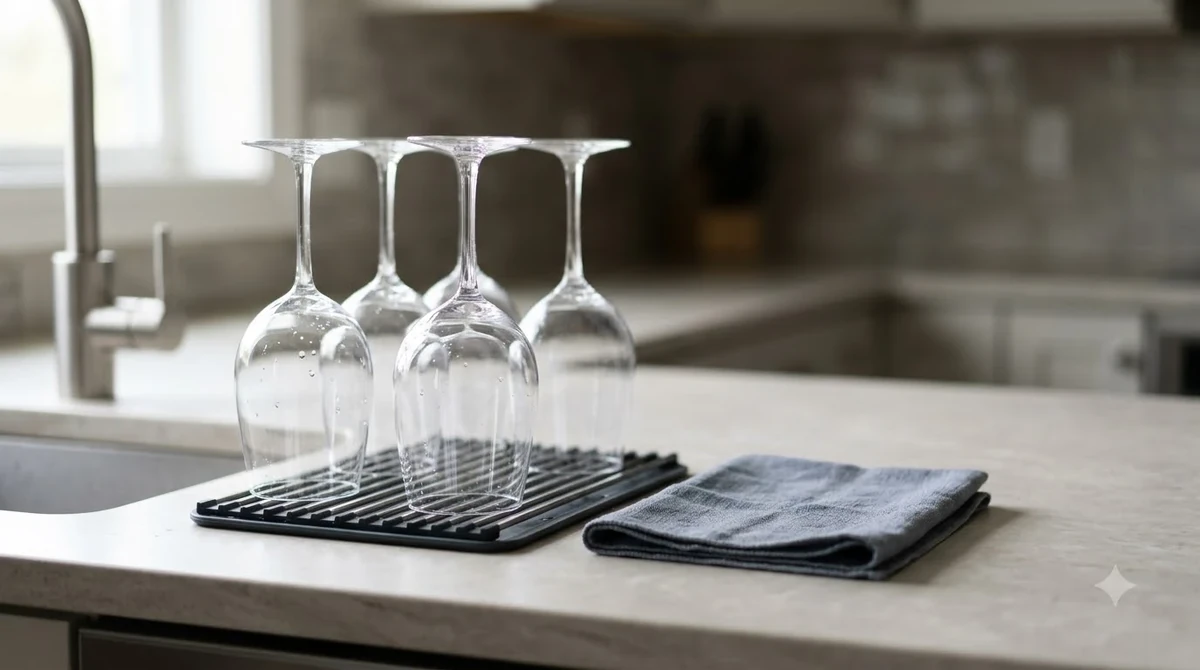
The available product descriptions provide useful specifications for identifying those historical options. They do not establish that the same products remain available today, so buyers should treat the details as documented product examples rather than a guarantee of current inventory.
| Documented glassware | Capacity | Set size | Construction or design | Care |
|---|---|---|---|---|
| Riedel Cabernet and O Viognier assortment | Not specified | 8 glasses | Full lead crystal | Described as dishwasher safe |
| Mikasa Lustre Dots Gold Wine Glass | 14 oz | 4 glasses | Decorative metallic dots and gold-tinted bases | Hand washing recommended |
| Riedel Vinum Pinot Noir | Not specified | Not specified | Varietal-specific stemware | Check individual product instructions |
| Mikasa Lustre Dots Gold Stemless Wine Glass | Not specified | 4-piece collection listing | Decorative stemless design | Check individual product instructions |
The Riedel assortment is particularly interesting because it combines two different wine categories. Four Cabernet glasses and four O Viognier glasses create a more specialized collection than a set of eight identical all-purpose glasses. That arrangement can be useful for households that regularly serve both red and white wine.
The Mikasa Lustre Dots Gold design takes a different approach. Its 14-ounce capacity provides room for a measured pour, while the metallic decoration and tinted base give the glass a more distinctive appearance. However, the decorative finish introduces additional care considerations that are less important with undecorated everyday stemware.
Riedel’s current manufacturer catalog provides another useful distinction: its glassware is organized into red wine, white wine, sparkling wine and everyday categories. Collections such as Performance, Winewings, Ouverture and Veritas illustrate why the manufacturer and specific collection matter more than a retailer’s name alone. Buyers can explore the Riedel glassware catalog to understand the range of shapes available.
What Owners Like
The strongest appeal of the documented Hudson’s Bay glassware is variety. The historical Riedel and Mikasa examples demonstrate two distinct approaches: functional wine-focused stemware and decorative glasses intended to make a stronger impression at the table.
Riedel’s varietal-specific assortment is particularly appealing to people who serve different wines throughout the week. Cabernet Sauvignon benefits from a generous bowl that provides room for swirling, while white wines such as Viognier are generally served in glasses with more restrained bowl proportions. Having separate glasses for these styles gives a table a more intentional appearance.
The Riedel assortment also offers practical variety within one purchase. A household receiving four Cabernet glasses and four O Viognier glasses can accommodate different wine preferences without buying eight identical vessels. This is useful for dinner parties where guests might choose a substantial red wine or a more aromatic white.
Another advantage is the manufacturer’s established focus on glassware. Riedel offers distinct categories for red, white and sparkling wine, along with everyday and specialty options. This makes it easier to select glassware according to drinking habits instead of choosing a decorative design without considering its intended function.
The appeal of decorative Mikasa glassware
Mikasa’s Lustre Dots Gold design has a different attraction. Metallic dots and gold-tinted bases create a noticeable visual effect without requiring elaborate table decorations. The 14-ounce capacity also gives the glasses enough space for wine, although their decorative character makes them particularly suitable for occasions when presentation matters.
For someone assembling a coordinated dining collection, matching decorative glassware can be more appealing than mixing unrelated designs. The historical Mikasa collection included other coordinated entertaining pieces, allowing buyers to consider a consistent visual style across the table.
The four-glass format is another practical feature. It gives a household enough matching glasses for a small dinner gathering without requiring a large collection of specialty stemware. Four glasses can also be easier to store than an assortment of different shapes and sizes.
Everyday usability
Durability and ease of handling are important considerations alongside appearance. Traditional wine glasses have three main structural elements: bowl, stem and foot. Each contributes to how the glass feels in the hand, how easily it can be swirled and how much care it requires.
Wine Enthusiast explains that stemmed glasses help keep hands away from the bowl, reducing unwanted warming and fingerprints. Its guidance also highlights the importance of swirling for releasing aromas. These characteristics make traditional stemware attractive for people who regularly pay attention to wine presentation and serving temperature.
For a broader look at the advantages and disadvantages of traditional stemware, the wine glasses buying guide provides a useful starting point for comparing different designs and household needs.
Common Complaints
The biggest limitation of researching Hudson’s Bay wine glasses is that historical retailer listings do not establish a consistent current product range. A buyer searching for a particular glass might encounter an old Mikasa or Riedel reference without being able to confirm whether that exact design is still sold.
This matters because wine glasses are often purchased as replacement pieces. Someone who owns six glasses from an older collection might want two additional matching pieces, but a similar-looking glass from another manufacturer will not necessarily have the same height, rim thickness or bowl proportions.
Product identification is therefore essential. A retailer’s name is not enough to establish the manufacturer, collection, country of origin or construction material. Buyers should distinguish between the actual product brand and the store where a historical listing appeared.
Decorative finishes require extra attention
The historical Mikasa Lustre Dots Gold glasses illustrate another potential drawback. Their decorative finish makes them visually distinctive, but the documented product instructions specifically exclude dishwasher cleaning.
That requirement can be inconvenient for households that prefer to put all their dinnerware into the dishwasher after a gathering. Hand washing four decorative glasses after a dinner party may be manageable, but maintaining a much larger collection requires additional time.
Metallic decoration also changes how buyers should approach cleaning. Abrasive sponges, aggressive detergents and rough handling can be unsuitable for decorated surfaces. A soft cloth, warm water and gentle detergent are the safer approach described in the historical product coverage.
Different sets may not serve the same purpose
Another potential complaint is that specialized glassware does not automatically make a complete everyday collection. A set containing four Cabernet glasses and four Viognier glasses is useful for two wine styles, but it may not be the most convenient option for someone who wants one uncomplicated glass for every occasion.
Similarly, decorative 14-ounce glasses may work beautifully for entertaining but may be less appealing to someone who values uncomplicated storage and dishwasher convenience.
Buyers should also consider the fragility of the glass. Thin stems, delicate rims and elaborate decorative details can require more careful storage than ordinary drinking glasses. Even when a manufacturer describes crystal as dishwasher safe, that does not mean every dishwasher arrangement or cleaning cycle is equally suitable.
Tip: Before purchasing replacement glasses, compare the existing glass’s height, bowl width, rim diameter and foot size. A matching manufacturer name alone does not guarantee that two different collections will look or feel identical.
Who Should Buy and Who Should Skip
Glassware associated with Hudson’s Bay is worth investigating if the intended purchase is a recognizable manufacturer’s product rather than an exclusive retailer-branded design. Riedel and Mikasa offer distinctly different possibilities, making the actual collection more important than the retailer reference.
Buyers who appreciate varietal-specific stemware should pay particular attention to the Riedel examples. The documented eight-piece assortment, with four Cabernet glasses and four O Viognier glasses, provides a useful model for a household that regularly serves both red and white wine.
People who prioritize visual presentation may prefer the Mikasa Lustre Dots Gold design. Its 14-ounce capacity, metallic decoration and gold-tinted base suit more decorative dining arrangements. It is also a more distinctive option for a coordinated entertaining collection.
Who is likely to appreciate these options?
- Wine enthusiasts: People who enjoy Cabernet Sauvignon, Viognier and other varietal-specific wines may appreciate the separation between different glass shapes.
- Entertainers: Households hosting dinners for four or more guests may value coordinated sets and visually distinctive designs.
- Glassware collectors: People who already own Riedel or Mikasa pieces may want to identify historical collections and find compatible replacements.
- Formal dining enthusiasts: Buyers who enjoy decorative table settings may appreciate metallic accents and carefully coordinated glassware.
- Gift shoppers: A matching set of four or eight glasses can make a useful housewarming or wedding gift when the recipient’s preferences are known.
Who should consider other options?
- Dishwasher-first households: Anyone who wants minimal maintenance should avoid decorative glassware with hand-washing requirements.
- Minimalist buyers: Someone who needs only one practical glass shape may find varietal-specific sets unnecessarily complicated.
- Frequent outdoor entertainers: Long-stemmed crystal glasses are not always the most convenient option for patios, picnics or crowded outdoor gatherings.
- Replacement buyers: Anyone trying to match an older set should avoid assuming that a similar-looking glass is an exact replacement.
- Budget-conscious households: Buyers who prioritize quantity and everyday durability over specialized shapes may prefer straightforward glassware sets.
For buyers primarily interested in red wine, comparing bowl proportions and handling characteristics is particularly important. The red wine glasses guide explains the differences between larger Cabernet-style bowls and broader Burgundy-style glasses.
Likewise, people who prefer casual entertaining can consider stemless wine glasses as an alternative. They generally offer more compact storage and a lower center of gravity, although holding the bowl can warm chilled wine.
How It Compares to Alternatives
The documented Hudson’s Bay assortment is better evaluated by comparing the actual manufacturers and glass styles than by treating the retailer name as a separate glassware brand. Riedel and Mikasa illustrate two different priorities, while stemless glassware and universal stemware provide additional alternatives for everyday use.
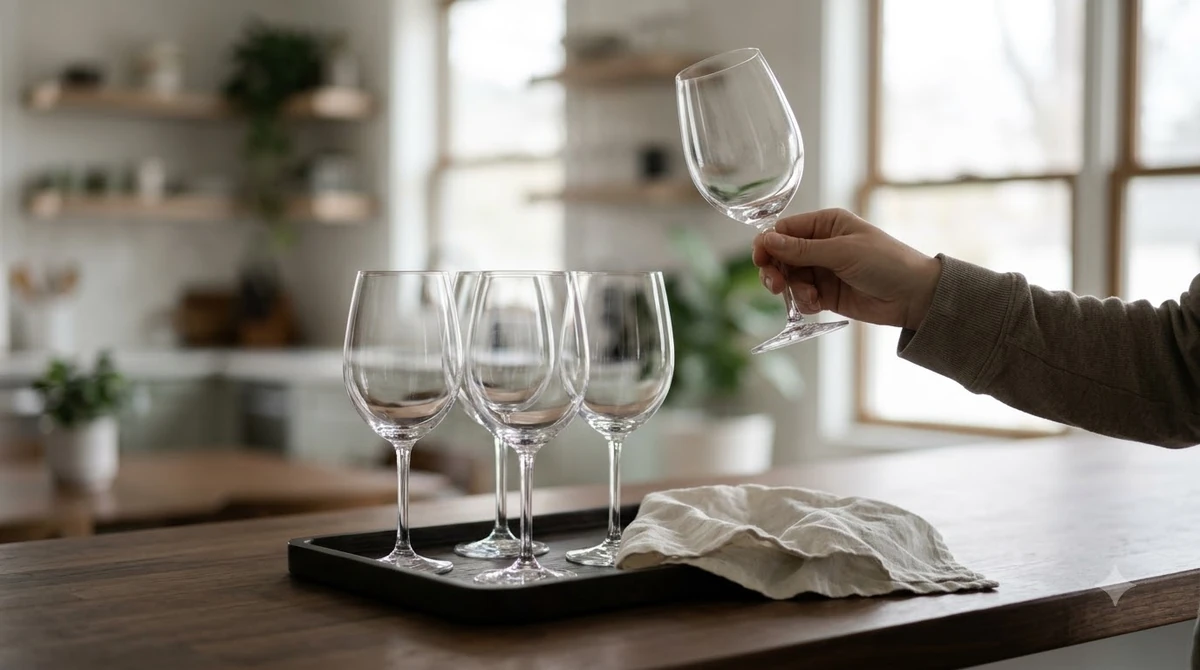
Riedel is the more wine-focused option among the documented examples. Its varietal-specific glasses are intended to accommodate differences between wine styles, and its wider catalog includes dedicated red, white and sparkling categories. Mikasa’s Lustre Dots Gold design places greater emphasis on decorative presentation and coordinated entertaining.
Riedel versus decorative Mikasa
The most important distinction is intended use. Riedel’s Cabernet and Viognier assortment is designed around different wine categories, while Mikasa’s decorative 14-ounce glass places greater emphasis on appearance and general entertaining.
For a Cabernet Sauvignon drinker, a suitably shaped red wine glass provides room for swirling and aromatic development. For someone serving Chardonnay, Viognier or Sauvignon Blanc, a smaller or more moderately sized bowl can help maintain a cooler serving temperature during a meal.
Mikasa’s decorative design is less focused on matching particular grape varieties. Its metallic details and gold-tinted base make it a visually distinctive serving option, but the hand-washing requirement is a meaningful disadvantage for buyers who prefer low-maintenance glassware.
Stemmed versus stemless designs
Traditional stemmed glasses have an advantage for temperature-sensitive wine. Holding the stem instead of the bowl helps prevent the warmth of the hand from changing the wine’s temperature, which is particularly useful for Sauvignon Blanc, Riesling and sparkling wine.
Stemless glasses have practical advantages in less formal settings. They are generally shorter, easier to store and less vulnerable to damage involving a narrow stem. Wine Enthusiast also discusses their usefulness for casual gatherings and outdoor occasions in its article about the advantages and limitations of stemless wine glasses.
However, stemless glasses are not automatically better for every wine. A warm hand can change the temperature of a chilled white wine, and the lack of a stem makes conventional swirling more difficult.
Universal glasses versus varietal-specific glasses
A universal wine glass is a sensible alternative for households that regularly drink several wine styles but do not want separate sets for each grape variety. A moderately sized bowl with a tapered opening provides a useful compromise between aromatic space and temperature control.
Varietal-specific glasses become more attractive when a particular wine category dominates the household’s drinking habits. Someone who frequently opens Cabernet Sauvignon or Pinot Noir may appreciate a more specialized bowl, while a casual drinker may find a universal glass entirely adequate.
Riedel’s broad catalog demonstrates that specialized and everyday options can exist within the same manufacturer’s range. That flexibility is useful for buyers who want to start with a basic collection and add more specific glass shapes later.
What makes the better purchase?
The better choice depends on three considerations: wine preference, maintenance expectations and visual style. Riedel makes more sense for a buyer interested in wine-specific glass shapes, while decorative Mikasa glassware is more appropriate for someone who prioritizes presentation and accepts hand washing.
For a practical household collection, six matching universal glasses may be more useful than eight specialized glasses that see limited use. For frequent formal entertaining, a combination of four red wine glasses and four white wine glasses may be more appropriate.
There is no requirement to purchase every glass in a particular manufacturer’s range. A small, well-chosen collection that accommodates the wines regularly served is generally easier to maintain and store.
Frequently Asked Questions
Are Hudson Bay wine glasses made in Canada?
The Hudson’s Bay retailer name does not establish where an individual wine glass was manufactured. Country of origin depends on the actual manufacturer and collection. Buyers interested in locally produced glassware should look for an explicit manufacturing location in the individual product description rather than relying on the retailer’s Canadian identity.
Can lead crystal wine glasses be used for regular wine drinking?
Traditional lead crystal has historically been used for decorative and functional drinkware. However, lead-containing crystal requires additional consideration for prolonged beverage storage because lead can migrate into liquids over time. For routine everyday drinking, lead-free crystal or ordinary glass is a straightforward alternative.
What glass capacity is suitable for a standard wine serving?
A standard wine serving in the United States is commonly 5 ounces. A glass with a capacity of 12 to 18 ounces can provide adequate headspace for a moderate pour, although the ideal capacity depends on bowl shape and intended wine style. The historical 14-ounce Mikasa design is one example of a glass with room beyond the serving itself.
Can different Riedel glass collections be mixed at the same dinner table?
Yes. Different collections can be used together as long as their dimensions and appearance work with the table setting. Mixing a Cabernet glass with a Viognier glass is also practical because the different shapes serve different wine styles. Matching the glass height and overall visual character can help maintain a coordinated presentation.
Should wine glasses be stored upright or upside down?
Storing glasses upright on a clean shelf is generally a sensible option because the rim is less likely to bear the glass’s weight. Inverted storage can trap odors or moisture inside the bowl and may place pressure on delicate rims. A padded or divided cabinet shelf can help prevent glasses from knocking against each other.
Hudson’s Bay wine glasses are best evaluated by identifying the manufacturer and specific collection rather than assuming that the retailer name describes one consistent product. The historical Riedel and Mikasa examples demonstrate how different the available designs, capacities and care requirements can be. For a satisfying purchase, prioritize the glass shape that suits the wines you drink, the maintenance you can accommodate and the number of matching pieces your household actually needs.
More in Wine Glasses
 Spiegelau Crystal Wine Glasses That Bring Clarity to Every PourUpdated Nov 21, 2026
 Zalto Crystal Wine Glasses: Are They Worth the Investment?Updated Nov 21, 2026
 Villeroy And Boch White Wine Glasses for a More Cohesive TableUpdated Nov 21, 2026
 Zalto Wine Glasses On Sale: Find the Right Denk’Art GlassUpdated Nov 21, 2026
 Zwiesel Glas Champagne Glasses: Features, Quality and Buying AdviceUpdated Nov 21, 2026
 Zwiesel Glas Decanter Review: A Durable, Elegant Choice for Wine ServiceUpdated Nov 21, 2026