

We may earn a commission when you buy through links on this page, at no extra cost to you. Learn more.
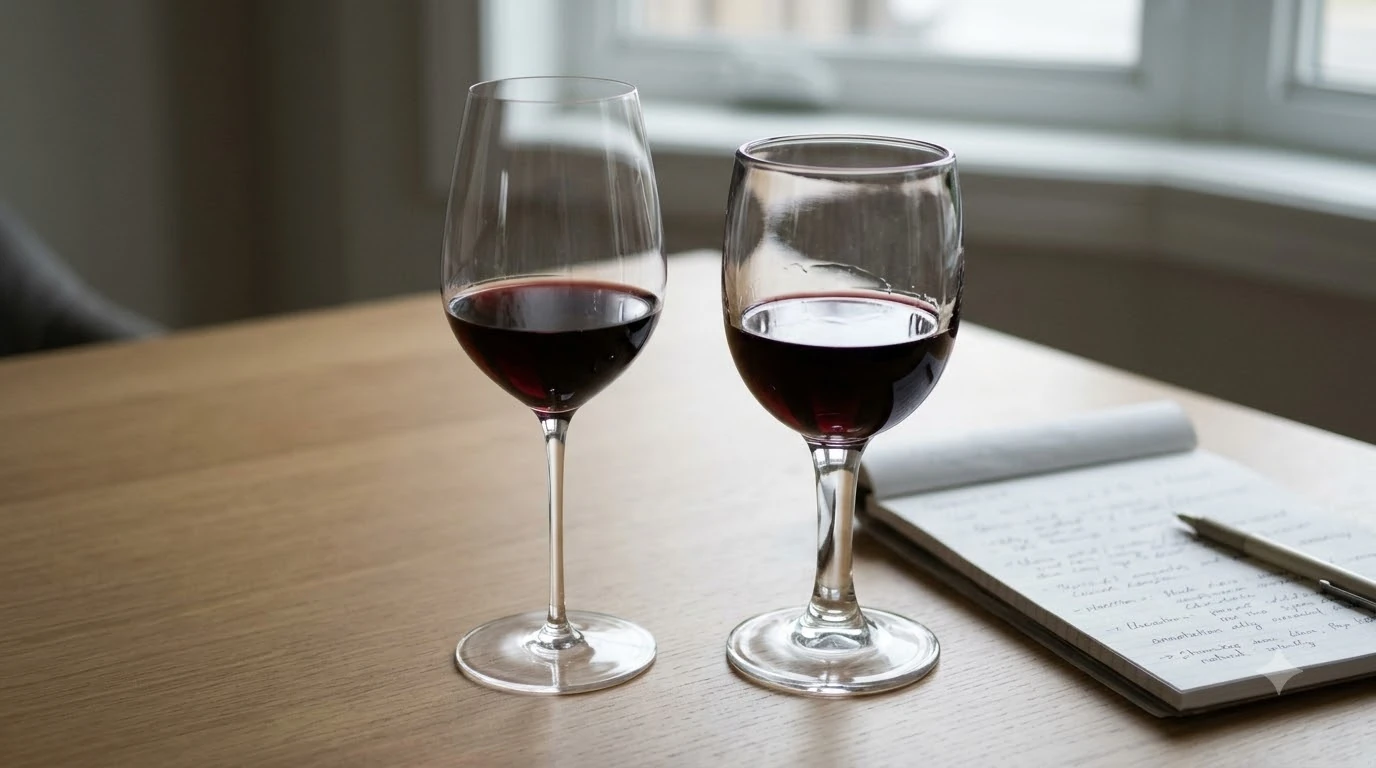
Gabriel Glas red wine glasses are versatile lead-free crystal wine glasses designed to bring out the aromas and flavors of Cabernet Sauvignon, Pinot Noir, Merlot, and other red wines without requiring a separate glass for every grape. The range includes the machine-blown StandArt and the handmade Gold Edition, both featuring the same distinctive, gently tapered bowl. StandArt is the more practical choice for regular entertaining, while Gold Edition appeals to wine enthusiasts who prefer exceptionally lightweight, hand-blown stemware.
Choosing a wine glass can become surprisingly complicated when every grape variety seems to have its own recommended bowl. Gabriel-Glas takes a different approach with a universal design intended to accommodate everything from powerful California Cabernet Sauvignon to delicate Oregon Pinot Noir. Its combination of a broad bowl, narrower opening, thin rim, and elegant stem makes it an interesting option for anyone looking to simplify a wine-glass collection. The main decision is whether the practical construction of StandArt or the lighter handmade Gold Edition better suits the way the glasses will be used.
Specs and Key Features of Gabriel-Glas Red Wine Glasses
Gabriel-Glas combines a generously sized bowl with a relatively narrow opening to accommodate different red wine styles. The StandArt and Gold Edition share the same fundamental design, but their manufacturing methods create noticeable differences in weight and feel.
The StandArt is the machine-blown option, made from a single piece of lead-free crystal. Its bowl, pulled stem, and foot are formed without the conventional joints or glued connections associated with some multi-piece stemware. The manufacturer gives its height as approximately 230 mm, with a 95 mm bowl width and a 66 mm opening. These proportions provide room for swirling while keeping the opening controlled enough to concentrate the wine’s aromas.
The Gold Edition follows the same overall silhouette but is completely hand-blown. According to the manufacturer, two artisans work together for approximately 15 minutes to create each glass. This construction produces an especially light finished product, averaging around 90 grams, compared with approximately 150 grams for StandArt. The difference is immediately relevant to anyone who prioritizes the tactile experience of lifting and holding a wine glass.
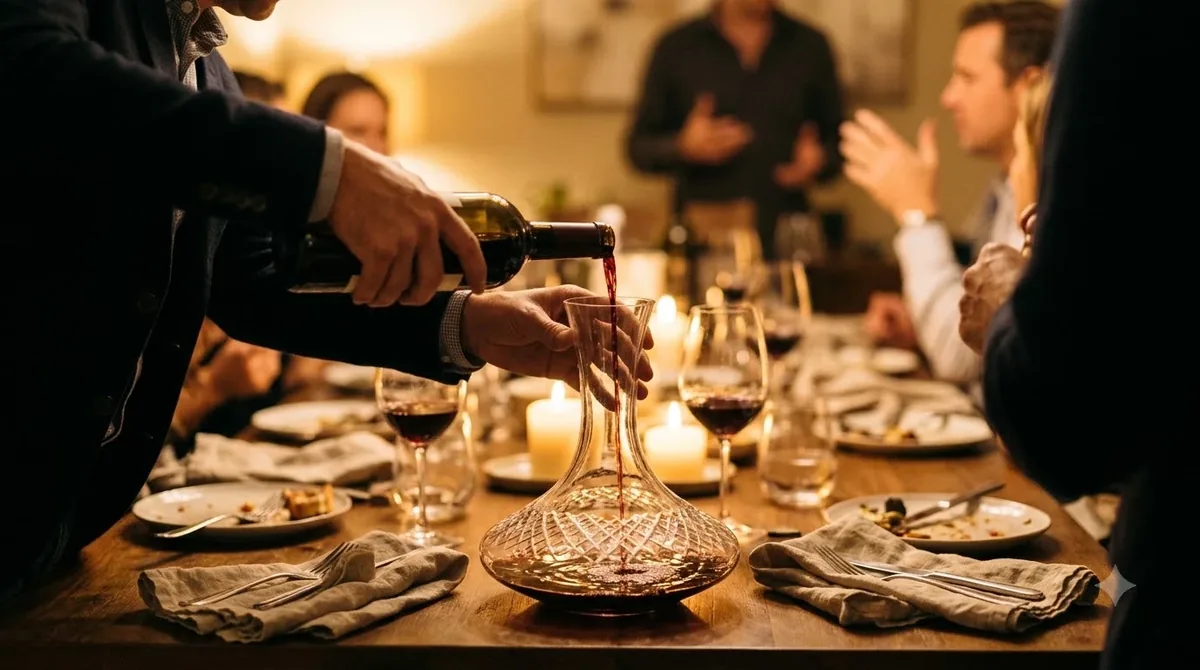
Both versions have a stated capacity of approximately 510 ml, or 17.29 fluid ounces. This is generous enough to allow a standard five-ounce serving to occupy only part of the bowl, leaving useful room for swirling and aroma development. Capacity should not be confused with a recommended serving size: filling the entire glass would leave little room to evaluate the bouquet comfortably.
| Specification | StandArt | Gold Edition |
|---|---|---|
| Material | Lead-free crystal | Lead-free crystal |
| Production | Machine-blown | Hand-blown |
| Height | 230 mm | 230 mm |
| Bowl width | 95 mm | 95 mm |
| Rim width | 66 mm | 66 mm |
| Capacity | 510 ml | 510 ml |
| Approximate weight | 150 g | 90 g average |
| Construction | Single-piece design | Handmade construction |
| Dishwasher-safe | Yes | Yes |
| Intended use | Everyday and entertaining | Fine wine enjoyment and special occasions |
The numbers explain why these glasses appeal to different types of wine drinkers. StandArt prioritizes a balance of weight, structural design, and regular usability. Gold Edition retains the same basic dimensions but removes approximately 60 grams of weight through its handmade production process. Neither version is a dedicated Cabernet, Burgundy, or Bordeaux glass; the defining characteristic is versatility.
The rim is another important feature. StandArt uses a laser-cut rim that is diamond-polished, giving the drinking edge a fine profile. The manufacturer describes the rim as chip-resistant, although that should not be interpreted as protection against every impact. Gold Edition also emphasizes a particularly thin rim, contributing to its delicate feel.
For a broader look at how bowl dimensions, rim thickness, and stem construction affect purchasing decisions, the guide to red wine glasses provides useful context. Gabriel-Glas stands out because it attempts to combine characteristics associated with several traditional glass shapes rather than specializing in one grape.
What Owners and Wine Writers Like About the Design
The strongest attraction of Gabriel-Glas is its universal bowl, which gives red wine enough room to open while remaining adaptable to white and sparkling wine. Its slim rim, balanced proportions, and understated appearance also make it appealing for both casual dinners and more formal wine service.
The bowl has a broad lower section and gently tapering sides. This shape creates space for wine to move when the glass is swirled, increasing the exposed surface area and helping release aromatic compounds. The narrower opening then directs those aromas toward the nose. It is a familiar principle in traditional wine-glass design, but Gabriel-Glas applies it in a form intended to work across numerous styles.
For a Cabernet Sauvignon from Napa Valley, the bowl provides space to swirl a wine with substantial body and tannin. For a Pinot Noir from Oregon or Burgundy, the same shape offers room to explore more delicate red-fruit, floral, and earthy aromas. It also avoids the need to switch between several glasses when a dinner includes different wines.
The universal concept is particularly useful for households with limited storage. Rather than maintaining separate collections for Bordeaux blends, Burgundy reds, Chardonnay, and Sauvignon Blanc, a household can use the same basic glass for multiple bottles. This is a practical advantage for people who enjoy wine regularly but do not want cabinets filled with specialized stemware.
Bon Appétit’s review of the StandArt highlights its slightly conical silhouette, thin stem, and refined drinking rim. The publication also discusses the advantages of its machine-blown, single-piece construction, which avoids the connection points found in traditional multi-part designs. Read the Bon Appétit StandArt review for an independent perspective on the design and everyday appeal.
Another appealing feature is the restrained appearance. Gabriel-Glas does not rely on elaborate colored decoration, oversized branding, or unusually shaped stems. The clear crystal allows the color of the wine to remain the focus. That makes the glasses suitable for a dining table where visual consistency matters, especially when serving several different wine styles during one meal.
The manufacturer also emphasizes the clarity of its lead-free crystal. The material is intended to provide good light transmission, making it easier to appreciate the color and visual development of a red wine. This is useful for comparing the appearance of a young ruby-colored Grenache with a more mature wine showing garnet or brick-colored edges.
The five-ounce serving recommended by Gabriel-Glas is another sensible detail. A 510 ml bowl offers substantially more room than the liquid itself occupies, so there is space for swirling without bringing the wine close to the rim. That makes the glass useful for structured tasting sessions as well as ordinary meals.
Overall, the positive case for the range rests on three connected characteristics: versatility, refined proportions, and the availability of two construction methods. StandArt offers the more practical interpretation, while Gold Edition gives additional attention to weight and handmade character.
Common Complaints and Practical Limitations
Gabriel-Glas has several attractive features, but its design is not ideal for every household. Its relatively tall profile, fine rim, and substantial bowl require some consideration, especially in kitchens with crowded cabinets or frequent handling.
The first limitation is fragility. Although the StandArt has single-piece construction and a specially finished rim, it remains a crystal wine glass. It can break if dropped, knocked against a hard surface, or crowded between other dishes. Gold Edition is particularly delicate in feel because of its much lighter weight and handmade stem. Buyers who regularly use thick restaurant tumblers may need time to become comfortable handling either version.
The manufacturer explicitly explains that Gabriel-Glas is not unbreakable. It also states that glasses broken after use are not replaced under its standard damage policy. This distinction matters because descriptions of chip resistance and structural durability should not be mistaken for a guarantee against accidental breakage.
The second concern is physical size. At approximately 230 mm tall, the glass may not fit comfortably beneath every kitchen cabinet shelf or inside compact cupboards. Its 95 mm bowl width also requires more storage space than narrow, traditional wine stems. Before purchasing a complete set, measure the available cabinet height and shelf spacing.
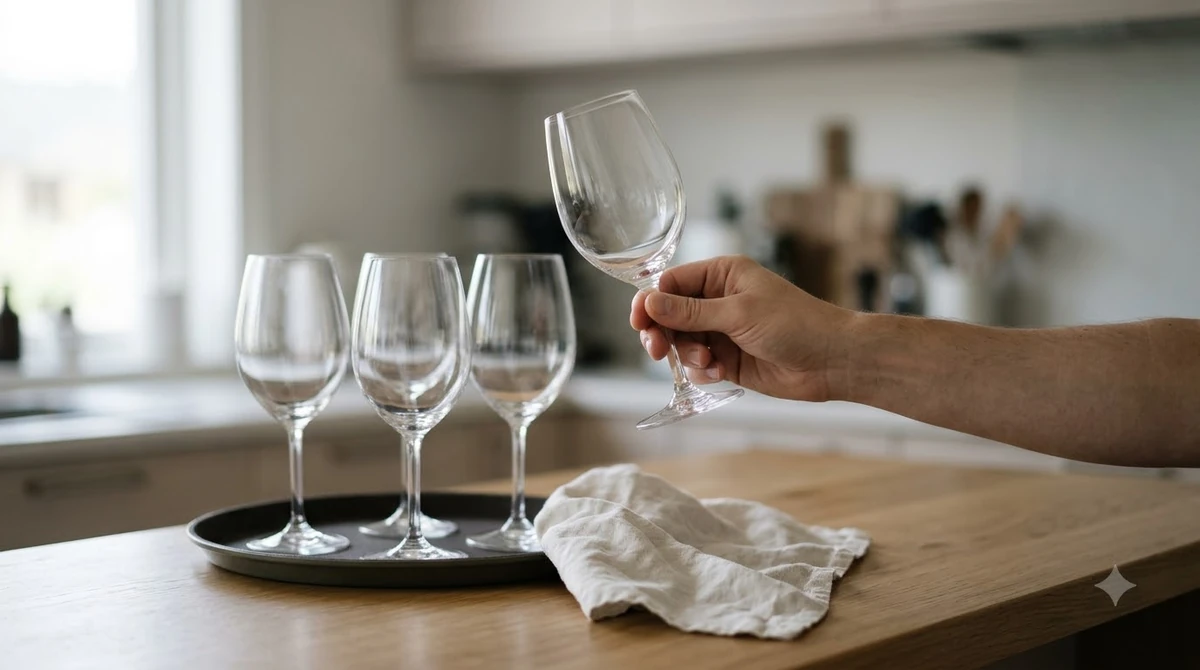
Dishwasher compatibility is useful, but it does not remove the need for careful loading. A glass can be dishwasher-safe and still break if another item strikes its bowl during a cycle. The manufacturer recommends stable positioning on the top rack with enough separation between glasses. Households with crowded dishwashers may prefer handwashing, particularly for Gold Edition.
Some wine drinkers may also question whether a universal glass can deliver the same experience as dedicated varietal stemware. A large Burgundy-style bowl, for example, can provide a different presentation for delicate Pinot Noir, while a traditional Bordeaux glass may have a different height and shape intended for Cabernet-based wines. Gabriel-Glas prioritizes convenience and a consistent drinking experience instead of offering a different silhouette for every grape.
This is not necessarily a defect. It is a design choice that suits people who prefer one dependable shape. However, collectors who enjoy comparing specialized glass profiles may find the universal approach limiting. A person who regularly hosts formal comparative tastings might still want dedicated Burgundy or Bordeaux stemware alongside Gabriel-Glas.
Another consideration is the distinction between the two editions. The Gold Edition can be more appealing to someone who values handmade production, but its low weight does not automatically make it a better-performing wine glass. Both versions share the same fundamental proportions, so the difference is primarily in construction and handling rather than a completely different approach to wine presentation.
Finally, the glasses have a pronounced stem and broad bowl rather than the compact proportions of stemless alternatives. This is an advantage for people who want to hold a glass by the stem and avoid warming the wine with their hands. It is less convenient for outdoor dining, crowded patios, and situations where glasses are frequently moved around.
These limitations make the buying decision fairly straightforward. People who want elegant, versatile crystal stemware will find plenty to appreciate, but buyers who need virtually unbreakable everyday glasses should consider more substantial alternatives.
Who Should Buy Gabriel-Glas and Who Should Skip It
Gabriel-Glas is best suited to wine drinkers who appreciate elegant crystal stemware but prefer a single versatile glass instead of maintaining separate collections for every grape variety. The StandArt is the more sensible everyday option, while Gold Edition is aimed at buyers who place greater value on handmade craftsmanship and extremely low weight.
StandArt is a particularly suitable choice for regular red wine drinkers. Its approximately 150-gram weight gives it a more substantial feel than the handmade alternative, while its single-piece construction and dishwasher-safe design make it practical for routine entertaining. Someone who serves Cabernet Sauvignon on Friday, Pinot Noir on Saturday, and Chardonnay at Sunday brunch can use the same glass throughout the weekend.
It also makes sense for households replacing mismatched stemware. Buying a consistent set creates a coordinated appearance at dinner parties without requiring several specialized glass collections. The broad 510 ml capacity is useful for guests who enjoy swirling wine, and the recommended five-ounce pour leaves enough room for the aromas to develop.
Gold Edition is better suited to collectors and enthusiasts who appreciate handmade glassware. Its average weight of approximately 90 grams creates a noticeably different handling experience. The hand-blown construction gives each glass individual characteristics, making it attractive for special occasions, thoughtful gifts, and wine-focused dining rooms.
It is also appropriate for people who place considerable importance on the physical details of stemware. A very thin rim and lightweight body can make a glass feel refined during a tasting. However, buyers should recognize that the delicate feel requires careful handling, even though the manufacturer describes the crystal as dishwasher-safe.
Who may prefer another type of wine glass?
There are several situations where another style makes more sense. Households with young children, frequent outdoor entertaining, or limited cabinet space may prefer sturdier, shorter glasses. People who routinely wash dishes in a heavily loaded dishwasher may also find a more substantial design easier to manage.
Dedicated wine collectors may prefer to maintain several bowl shapes. A large Burgundy glass can be appealing for delicate Pinot Noir, while Bordeaux-specific designs can suit structured Cabernet Sauvignon and Merlot blends. Gabriel-Glas is intended to cover both categories reasonably well, not to reproduce every characteristic of specialized stemware.
Likewise, people who prefer stemless glassware may want to explore other options. A stemless design is easier to store in some cabinets and less likely to tip over because it has no narrow stem. However, it places the hand closer to the bowl, which can warm the wine more quickly.
The wider selection in wine glasses can help buyers compare universal crystal stemware with more specialized designs. Those seeking compact alternatives can also review stemless wine glasses before committing to a full set of traditional stems.
In short, Gabriel-Glas is a strong match for people who value presentation, versatility, and crystal construction. It is less appropriate for buyers whose first priority is maximum impact resistance or who specifically want separate glasses for each wine variety.
How Gabriel-Glas Compares to Alternative Wine Glass Styles
Gabriel-Glas occupies the universal-stemware category, combining a broad lower bowl with a narrower opening in one adaptable design. Its most useful comparisons are therefore with traditional Bordeaux glasses, Burgundy glasses, and everyday stemless tumblers rather than with a single competing model.
A Bordeaux-style glass is generally designed around structured red wines such as Cabernet Sauvignon, Cabernet Franc, and many Bordeaux blends. It typically has a tall bowl that gives these wines room to breathe while presenting a relatively controlled opening. This makes it a natural choice for people who primarily drink full-bodied reds and want dedicated stemware for that purpose.
A Burgundy-style glass generally has a wider, rounder bowl. This design is frequently associated with Pinot Noir and other aromatic wines that benefit from generous room for swirling. Its proportions can make delicate aromas particularly accessible, but the large bowl also requires more cabinet space and can feel oversized for everyday service.
Gabriel-Glas takes a middle position. Its 95 mm bowl width provides useful space for swirling, while its 66 mm opening gives the shape a more controlled profile. The same dimensions are intended to work for different grape varieties rather than matching the traditional proportions of one region.
For someone who frequently serves several wine styles during one meal, that flexibility can be more useful than maintaining separate Bordeaux and Burgundy sets. Consider a dinner that begins with Sauvignon Blanc, continues with Pinot Noir, and finishes with a fuller-bodied Cabernet Sauvignon. A universal glass allows guests to use the same stemware without requiring the host to replace every glass between courses.
Stemless tumblers provide a different set of advantages. They are often easier to fit into cabinets and less vulnerable to stem breakage. They also suit casual settings such as outdoor dining or relaxed gatherings where traditional stemware may be inconvenient. However, they do not provide the same separation between the hand and the wine bowl, and their wider openings can produce a different aroma presentation.
The most useful distinction is therefore the intended environment. Gabriel-Glas prioritizes an elegant traditional stem with a versatile bowl. Bordeaux and Burgundy glasses emphasize specific wine styles, while stemless designs prioritize convenience and compact handling.
The two Gabriel-Glas editions also compare differently with each other. StandArt is the more substantial and practical version, with machine-blown construction and an approximate weight of 150 grams. Gold Edition is handmade, averages approximately 90 grams, and is intended for people who appreciate a more delicate physical experience. The manufacturer describes their basic bowl shape and dimensions as the same.
Neither construction method changes the basic serving approach. A five-ounce pour remains appropriate for a 510 ml bowl, and both versions can accommodate red, white, rosé, and sparkling wines. The choice is therefore not about selecting a better shape for Cabernet or Pinot Noir. It is about deciding how much importance to place on weight, manufacturing technique, and everyday handling.
For a broader comparison of manufacturers and construction approaches, the Glassware Brands overview is another useful resource. It helps put universal crystal designs into context alongside other approaches to stemware.
Frequently Asked Questions
These answers address additional purchasing, delivery, and practical questions about the Gabriel-Glas range. They are particularly useful for buyers deciding whether to order a complete set or start with a smaller purchase.
Where is Gabriel-Glas headquartered?
Gabriel-Glas identifies itself as an Austrian company founded by Swiss wine critic René Gabriel. The brand has a North American distribution operation serving customers in the United States, Canada, and Mexico, subject to its stated regional shipping arrangements. Its international company background is distinct from the location of its North American customer service operation.
Can Gabriel-Glas be used for sparkling wine?
Yes. The manufacturer explicitly includes sparkling wine among the styles suitable for its universal glass. Its bowl provides more room for examining aromas than a conventional narrow flute, although it will not preserve bubbles in exactly the same way as a traditional flute or tulip-shaped sparkling wine glass. It is a reasonable choice when aroma presentation is a priority.
Does the manufacturer offer replacements for glasses broken after use?
The North American FAQ states that glasses broken after use are not replaced. For damage during transportation, the company requests photographs of the broken products and packaging, together with proof of purchase, within 48 hours of receipt. Buyers should retain their original packaging until they have inspected their order.
Can Gabriel-Glas be returned if it is not the right fit?
Gabriel-Glas North America describes a 30-day refund period for qualifying direct purchases. The returned products must be unused, undamaged, and in their original packaging, and the customer is generally responsible for return shipping. Purchases from other retailers are subject to those retailers’ own return policies.
How many glasses should a household buy to begin with?
A household that usually entertains two people can begin with four glasses to accommodate occasional guests without maintaining a large collection. Households that regularly host four to six wine drinkers may find a six-glass set more convenient. The best starting quantity depends on storage space, entertaining frequency, and whether replacement glasses will be readily available.
Gabriel-Glas offers a convincing combination of universal design, lead-free crystal, and refined proportions for people who enjoy several styles of wine. StandArt is the practical starting point for everyday red wine service, while Gold Edition is the more specialized choice for enthusiasts who appreciate lightweight handmade stemware. Either version can serve as a versatile centerpiece for a carefully chosen wine-glass collection.
More in Wine Glasses
 Spiegelau Crystal Wine Glasses That Bring Clarity to Every PourUpdated Nov 21, 2026
 Zalto Crystal Wine Glasses: Are They Worth the Investment?Updated Nov 21, 2026
 Villeroy And Boch White Wine Glasses for a More Cohesive TableUpdated Nov 21, 2026
 Zalto Wine Glasses On Sale: Find the Right Denk’Art GlassUpdated Nov 21, 2026
 Zwiesel Glas Champagne Glasses: Features, Quality and Buying AdviceUpdated Nov 21, 2026
 Zwiesel Glas Decanter Review: A Durable, Elegant Choice for Wine ServiceUpdated Nov 21, 2026