

We may earn a commission when you buy through links on this page, at no extra cost to you. Learn more.
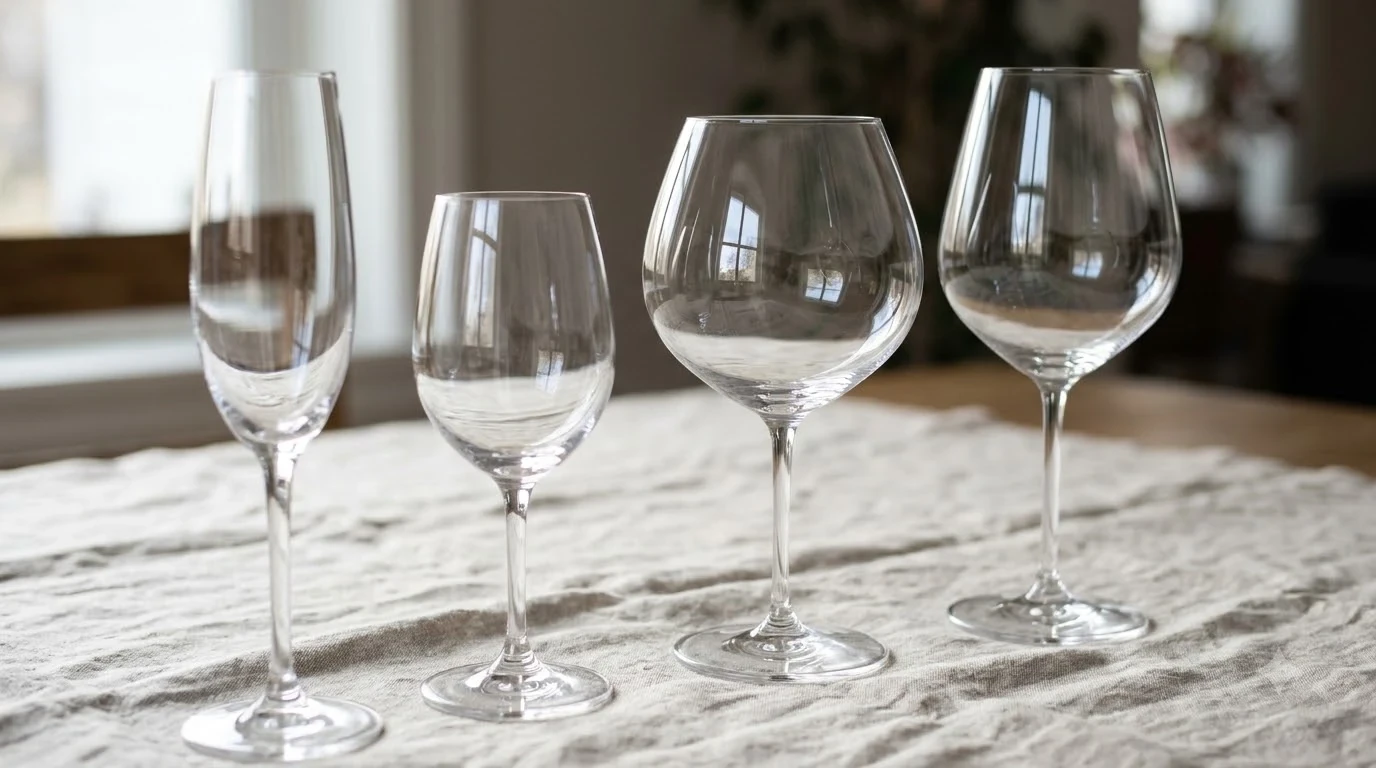
Bormioli Rocco white wine glasses offer reliable Italian-made clarity, laser-cut rims, and dishwasher-safe durability for everyday pours without the fragility of mouth-blown crystal. Across core collections like Electra, InAlto Uno, and Planeo, these lead-free Star Glass stems balance thin lips with reinforced pulled stems that hold up well to regular weeknight dinners. They lack the featherlight delicacy of ultra-luxury hand-blown stems, yet they remain a smart, practical choice for home hosts who want crisp aroma delivery and low-stress cleanup.
Founded in Italy in 1825, Bormioli Rocco produces machine-made stemware engineered for both commercial dining rooms and home tables. Rather than selling a single universal stem, the manufacturer divides its white wine catalog into distinct bowl shapes and capacities tailored to different serving habits and wine styles. Evaluating the exact dimensions, glass chemistry, and owner feedback across these lines clarifies which model belongs in a kitchen cabinet and where compromises appear.
Bormioli Rocco White Wine Glasses: Specs and Key Features
Bormioli Rocco builds its flagship white wine stems from proprietary lead-free Star Glass paired with one-piece hot-pulled stems and laser-cut rims. According to the Bormioli Rocco USA white wine catalog, the brand spans 12 white wine products across eight collections ranging from 8.5 ounces to 15.75 ounces.
Star Glass is a lead-free, barium-free chemical formulation developed to match the optical brightness and neutral color rendition of traditional crystal without heavy metals. On technical product sheets published by Bormioli Luigi, the parent glassmaking group, this refined composition and manufacturing process deliver a 30 percent increase in breakage resistance compared with standard glass while remaining 100 percent recyclable. Because the material contains zero lead or BPA, it neither clouds easily under normal care nor imparts off-odors to delicate aromatic whites.
Two structural treatments set these stems apart from basic department-store glassware. First, each stem is hot-pulled directly from the base of the bowl as a single continuous piece of glass, eliminating weak glue joints or visible mold seams where the bowl meets the stem. Second, the manufacturer applies its proprietary XLT surface treatment to the stem, creating an invisible protective shield against the twisting forces and surface abrasions that commonly cause stems to snap during hand-drying or dishwasher unloading.
| Collection & Model | Capacity | Height | Max Diameter | Weight / Pack | Bowl Profile |
|---|---|---|---|---|---|
| Electra Medium Wine Glass | 14.75 oz | 8.5 in | 3.4 in | 0.36 lb (Set of 6) | Angled double-cone silhouette |
| InAlto Uno Medium Wine Glass | 15.75 oz | 8.7 in | 3.7 in | 0.34 lb (Set of 6) | Classic round bowl with subtle angle |
| Planeo White Wine Glass | 12.75 oz | 7.9 in | 3.2 in | 0.37 lb (Set of 4) | Delicately squared base, tapered rim |
| Exclusiva Chardonnay Glass | 12.50 oz | Not stated | Not stated | Not stated (Set of 6) | Ribbed faceted bowl |
| Restaurant White Wine Glass | 14.75 oz | 8.5 in | 3.5 in | Not stated (Set of 4) | Smooth squared hospitality profile |
| Florian White Wine / Spritz | 12.80 oz | Not stated | Not stated | Not stated (Set of 4) | Textured vintage-inspired bowl |
Across the lineup, rim thickness stays remarkably uniform because Bormioli Rocco uses a focused laser beam to slice and fire-polish the top edge rather than leaving a rolled bead. A beadless, laser-cut rim lets chilled wine glide smoothly onto the palate without catching on the lip. Shoppers comparing broader white wine glasses will notice that capacities cluster tightly between 12.5 ounces and 15.75 ounces, leaving ample headspace above a standard 5-ounce pour so aromas can collect below the tapered opening.
What Owners Like About Bormioli Rocco Stemware
Verified buyers consistently praise Bormioli Rocco white wine glasses for combining crystal-like clarity with dependable resilience during regular dishwasher cycles and casual entertaining. Owner feedback across direct brand listings and specialty kitchen retailers highlights optical brilliance, comfortable hand balance, and reliable longevity as the primary reasons households repurchase sets.
Optical neutrality is the most frequently noted strength when pouring pale straw-colored wines like Pinot Grigio, Sauvignon Blanc, or unoaked Chablis. Because Star Glass avoids the faint greenish cast common in basic soda-lime glass, tasters can judge the true hue and rim variation of a chilled white against a white tablecloth. At 0.34 to 0.37 pounds per stem, models like the InAlto Uno and Electra feel substantial enough to sit flat and steady on outdoor patio tables without feeling clunky in the hand.
Durability under everyday kitchen conditions earns equally strong marks from home hosts. According to verified customer reviews on Bormioli Rocco USA, buyers report that the Electra 14.75-ounce stems withstand frequent dinner parties and routine dishwashing better than fragile boutique crystal that chips at the slightest tap against a faucet. Specialty retailer Sur La Table’s InAlto Uno product overview also points out that the smooth one-piece pulled stem adds noticeable flex under pressure, helping the glass survive minor knocks that would snap a two-piece glued stem.
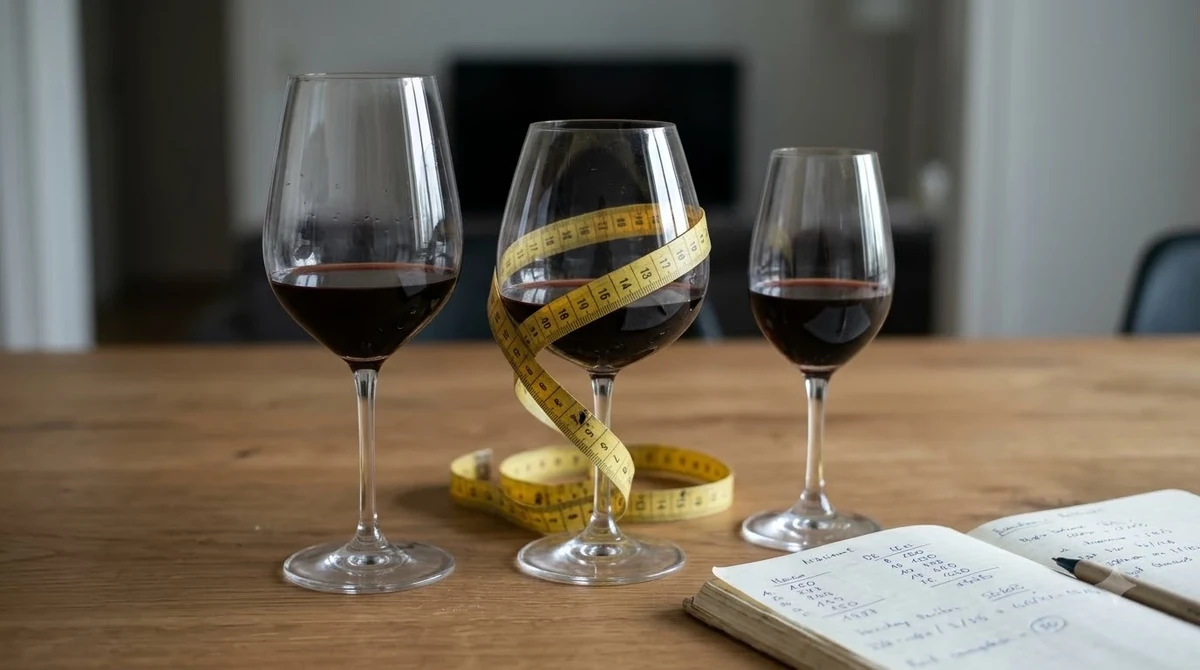
Tip: Pour 5 ounces of chilled white wine—about one-third of the bowl on a 14.75-ounce Electra or 15.75-ounce InAlto Uno glass—so the liquid sits right at the widest point of the bowl for maximum surface aeration while leaving room to swirl without spilling.
Common Complaints and Limitations
While Bormioli Rocco stems outperform standard soda-lime glassware in clarity and toughness, they are not indestructible tempered tumblers and occasionally show minor mass-production quirks. Understanding these limitations helps prevent avoidable breakage and sets realistic expectations before unboxing a set.
The most common point of confusion involves thermal and impact resistance. Unlike Bormioli Rocco’s tempered barware—such as the Rock Bar and Bodega tumblers tested in Wirecutter’s drinking glass testing—stemmed Star Glass wine glasses are not thermally tempered. Per Bormioli Rocco’s official care documentation, exposing non-tempered wine stems to abrupt temperature swings—such as pouring hot tap water into a glass straight from a 45°F refrigerator—can trigger thermal stress cracks. Similarly, although XLT treatment reinforces the stem against abrasion, dropping a laser-cut rim onto a stone countertop or granite sink edge will still chip or shatter the glass.
A secondary complaint centers on subtle manufacturing tolerances and cabinet fit. Because these glasses are machine-pulled at high volume in Italy, occasional sets exhibit faint horizontal wave marks in the bowl or slight height variations of a millimeter or two when lined up side by side. Additionally, tall 8.5-inch to 8.7-inch stems like Electra and InAlto Uno require generous vertical clearance on standard top dishwasher racks; households with low-profile upper racks often have to angle the stems carefully or wash them on a stemware-specific bottom rack tine.
Who Should Buy and Who Should Skip
Bormioli Rocco white wine glasses fit everyday wine drinkers, frequent dinner hosts, and casual enthusiasts who want sommelier-inspired bowl geometry without babying delicate hand-blown crystal. They are less suitable for collectors seeking featherlight artisanal stems or households needing shatterproof outdoor drinkware.
Who Should Buy
- Weeknight and Dinner-Party Hosts: Anyone serving crisp Sauvignon Blanc at 45°F to 50°F or fuller Chardonnay at 50°F to 55°F gets a laser-cut rim and aroma-trapping taper that holds up to weekly dishwasher runs.
- Design-Minded Minimalists: Buyers drawn to architectural silhouettes will appreciate the crisp angular break of Electra, the Aldo Cibic-designed proportions of InAlto Uno, and the squared base of Planeo.
- Single-Glass Household Buyers: Because the 14.75-ounce Electra and 15.75-ounce InAlto Uno are rated as medium multipurpose stems, one set handles crisp whites, dry rosés, and lighter reds like Pinot Noir without crowding small cabinets.
Who Should Skip
- Fine-Wine Purists Chasing Featherlight Weight: Machine-pulled Star Glass stems weigh roughly 0.34 to 0.37 pounds, noticeably heavier in the hand than ultra-thin mouth-blown European crystal.
- Poolside or Deck Entertainers: Tall stemmed crystal-style glasses tip easily on uneven outdoor tables and break into sharp shards on concrete or stone; stemless or tempered options belong outdoors instead.
How Bormioli Rocco Compares to Alternatives
Within its own catalog and against rival machine-made glassware, Bormioli Rocco white wine glasses occupy a practical middle ground between thick restaurant tumblers and fragile boutique crystal. Choosing the right stem comes down to matching bowl diameter to wine body and deciding whether a multipurpose medium stem or a dedicated white-only shape makes more sense for a given kitchen.
Inside the Bormioli Rocco lineup, the clearest division sits between the Planeo 12.75-ounce glass and the larger medium wine models. According to Bormioli Rocco USA product specifications, the Planeo measures 7.9 inches tall with a 3.2-inch maximum diameter, creating a narrower chimney tailored specifically to crisp, high-acid whites like Pinot Grigio, Albariño, and unoaked Sauvignon Blanc served at 45°F to 50°F. By contrast, the InAlto Uno Medium Wine Glass—designed by Italian architect Aldo Cibic—stretches to 8.7 inches tall with a 3.7-inch diameter and 15.75-ounce capacity, offering extra surface area for fuller oak-aged Chardonnay served at 50°F to 55°F as well as lighter reds.
Shoppers cross-shopping broader wine glasses will also notice how Bormioli Rocco compares with sister brand Bormioli Luigi and other European machine-made crystal producers. Bormioli Luigi manufactures professional hospitality stems with similar lead-free formulas, while Bormioli Rocco targets retail households with slightly more accessible pack sizes of four or six stems and distinctive architectural silhouettes like the faceted Exclusiva 12.5-ounce Chardonnay glass. Compared with standard thick-rimmed department-store soda-lime glassware, Bormioli Rocco’s laser-cut edges and XLT-reinforced pulled stems deliver cleaner palate entry and better resistance to stem twisting without jumping to fragile hand-blown weight.
Matching Bormioli Rocco Bowl Shapes to White Wine Styles
Selecting the right Bormioli Rocco collection starts with matching bowl width and rim taper to the acidity, oak aging, and serving temperature of the white wines poured most often. A glass that concentrates citrus aromatics on a crisp Riesling can mute the creamy texture of barrel-fermented Chardonnay, while an overly wide bowl lets delicate sparkling or high-acid whites warm up too quickly.
For zesty, high-acid white wines such as Sauvignon Blanc, Grüner Veltliner, Vermentino, and dry Riesling—typically served chilled between 45°F and 50°F—a narrower bowl with a pronounced inward taper preserves bright aromatics and directs wine toward the center of the tongue. The Planeo 12.75-ounce White Wine Glass and the Exclusiva 12.5-ounce Chardonnay Glass fit this role well, keeping the liquid column compact so a 5-ounce pour stays cool longer while funneling volatile green-apple and lime notes straight to the nose.
Fuller-bodied whites like California or Burgundy Chardonnay, Viognier, and white Rhône blends benefit from a wider bowl diameter and slightly warmer serving temperatures between 50°F and 55°F. The InAlto Uno 15.75-ounce glass, with its 3.7-inch bowl width, and the Electra 14.75-ounce glass, at 3.4 inches wide, give rich whites space to open up when swirled. Households that also pour Pinot Noir or Beaujolais at 55°F to 60°F can use these medium models across both courses before stepping up to wider bowls for big cabernets, which are covered in dedicated guides to red wine glasses.
Care, Dishwashing, and Storage Best Practices
Following Bormioli Rocco’s handling guidelines keeps Star Glass rims chip-free and prevents cloudy mineral deposits over hundreds of wash cycles. Although the brand rates its white wine stems as dishwasher safe, a few simple loading and temperature habits dramatically extend their lifespan.
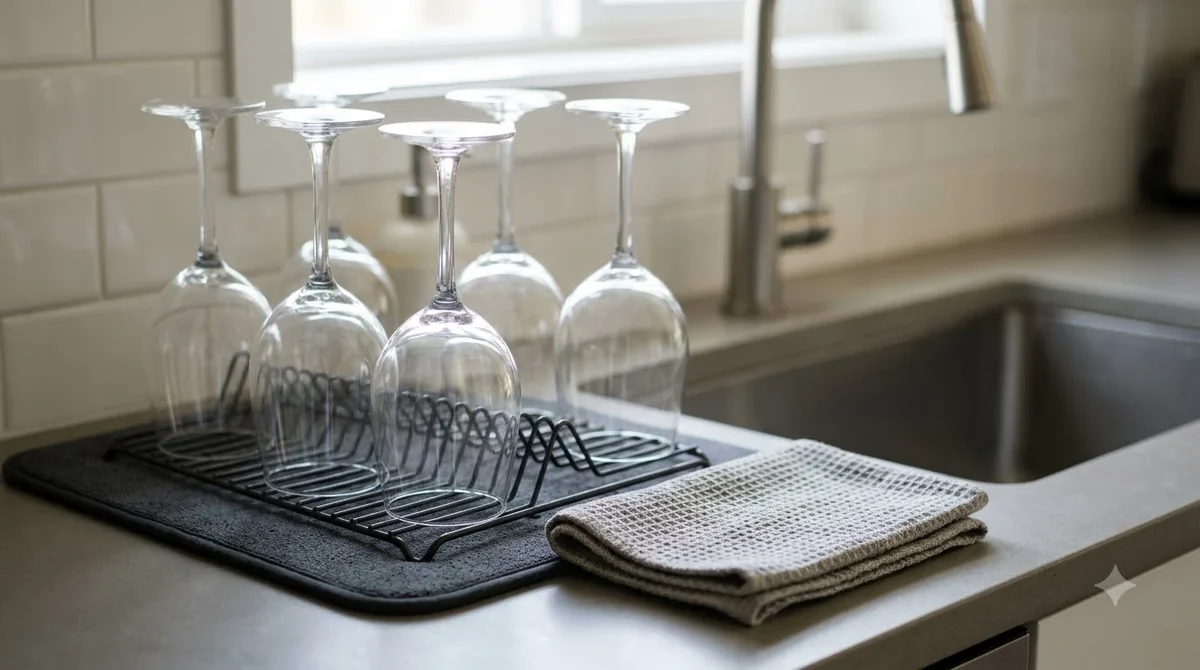
Before initial use, Bormioli Rocco’s care guidelines recommend washing new glasses thoroughly to remove factory packing dust and checking each laser-cut rim for shipping nicks. When loading a dishwasher, place stems on the top rack spaced at least half an inch apart so water jets cannot knock adjacent bowls together, and avoid wedging tall 8.5-inch to 8.7-inch stems under low-clearance upper spray arms. As Wirecutter’s drinkware care guidance notes, letting hot glassware cool inside the machine with the door cracked open prevents thermal shock and keeps warm glass from cracking when set onto a cold stone countertop.
For hand-drying and cabinet storage, grip the bowl gently with a lint-free microfiber cloth rather than twisting the bowl and base in opposite directions, which puts torque on the stem even with XLT surface protection. Store Bormioli Rocco stems upright on a flat shelf rather than upside down on their thin laser-cut rims, where the weight of the glass rests directly on its most delicate edge. Readers comparing care requirements across additional Glassware Brands will find that upright storage and mild, non-abrasive detergent preserve Star Glass brilliance for years.
Frequently Asked Questions
Are Bormioli Rocco white wine glasses made with lead crystal?
No, Bormioli Rocco white wine glasses contain zero lead, barium, or heavy metals. According to Bormioli Rocco’s material specifications, the brand uses a proprietary lead-free Star Glass crystal formulation produced in Italy.
Which Bormioli Rocco white wine glass is best for both white and red wine?
The InAlto Uno 15.75-ounce Medium Wine Glass and the Electra 14.75-ounce Medium Wine Glass work best as multipurpose stems for both white and red wines. Specialty retailer Sur La Table explicitly lists the 15.75-ounce InAlto Uno for red, white, and rosé wines thanks to its 3.7-inch bowl diameter and 8.7-inch height.
Can Bormioli Rocco white wine glasses go in the microwave or freezer?
No, standard Star Glass stemmed wine glasses are not rated for microwave or freezer use. Bormioli Rocco’s official product guidelines warn against putting non-tempered stemware in the microwave or subjecting cold glasses to sudden temperature spikes, which can cause thermal fracture.
What is Bormioli Rocco USA’s return policy if a glass arrives chipped?
According to Bormioli Rocco USA’s official return policy, unused glassware in its original packaging can be returned within 30 days of delivery, with Bormioli Rocco USA covering return shipping costs when items arrive damaged or incorrect.
How many glasses come in a box of Bormioli Rocco white wine glasses?
Most Bormioli Rocco white wine collections are packaged in sets of four or six stems depending on the line. Electra, InAlto Uno, InAlto Tre Sensi, and Exclusiva white wine glasses are sold in sets of six on Bormioli Rocco USA, whereas Planeo, Restaurant, and Florian white wine glasses come in sets of four.
Bormioli Rocco white wine glasses strike a dependable balance between Italian glassmaking aesthetics and practical everyday resilience. Choosing the narrower Planeo for crisp, high-acid whites or the broader Electra and InAlto Uno medium stems for fuller Chardonnay and mixed pours ensures clean aroma delivery across casual dinners and larger gatherings alike.
More in Wine Glasses
 Spiegelau Crystal Wine Glasses That Bring Clarity to Every PourUpdated Nov 21, 2026
 Zalto Crystal Wine Glasses: Are They Worth the Investment?Updated Nov 21, 2026
 Villeroy And Boch White Wine Glasses for a More Cohesive TableUpdated Nov 21, 2026
 Zalto Wine Glasses On Sale: Find the Right Denk’Art GlassUpdated Nov 21, 2026
 Zwiesel Glas Champagne Glasses: Features, Quality and Buying AdviceUpdated Nov 21, 2026
 Zwiesel Glas Decanter Review: A Durable, Elegant Choice for Wine ServiceUpdated Nov 21, 2026