

We may earn a commission when you buy through links on this page, at no extra cost to you. Learn more.
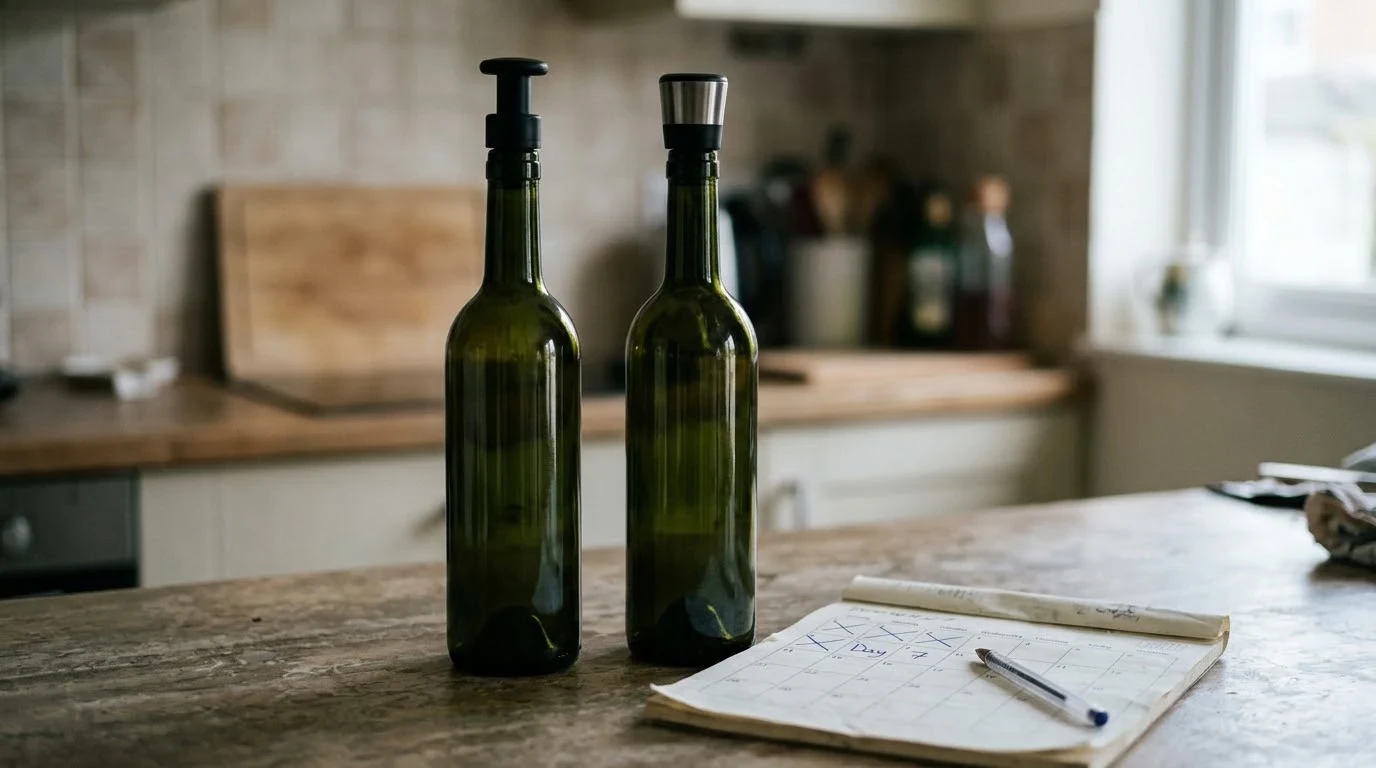
A laguiole wine stopper is a reusable wine accessory that combines decorative French-inspired styling with practical bottle-sealing features, making it an appealing choice for preserving opened still wine and organizing a home bar. The range includes wooden cone stoppers with stainless steel inserts, all-metal alternatives, and natural-cork designs included in larger wine accessory sets. The right choice depends on the sealing mechanism, the bottle type, and whether appearance or everyday practicality matters most.
A wine stopper is a small accessory, but its construction makes a noticeable difference to everyday convenience. A well-fitting stopper helps limit exposure to air, keeps dust and other contaminants out of an opened bottle, and makes it easier to save wine for another occasion. Laguiole-branded accessories offer several approaches, from wood-topped cone designs to combination wine sets that include a corkscrew and other serving tools.
One important distinction is that the Laguiole name appears across different product lines and manufacturers. A wooden cone stopper, a natural-cork stopper in a Jean Dubost gift set, and a dedicated champagne closure are not interchangeable products. Understanding those differences makes it easier to choose an accessory that suits the bottles and occasions it will actually serve.
Specs and Key Features of Laguiole Wine Stoppers
The most useful starting point is the construction of the individual stopper. The Laguiole 3414 BXR combines a stainless steel insert, a beechwood top, and two rubber sealing rings, while the 3425 BXR uses a stainless steel cone design with a rubber seal.
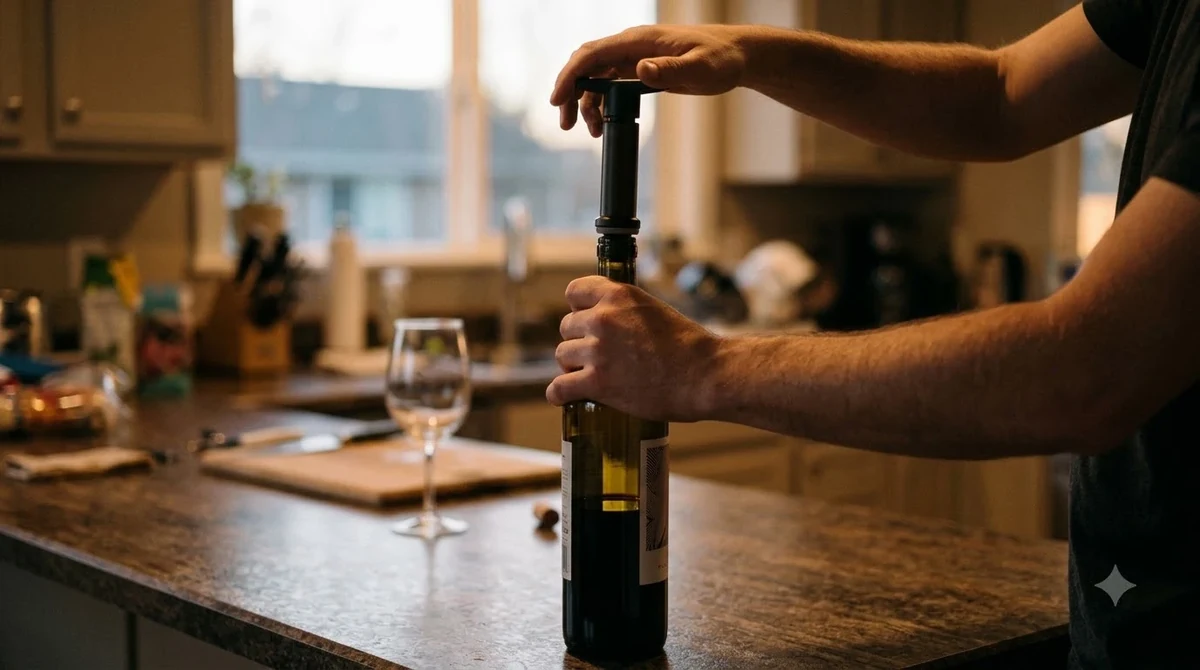
The 3414 BXR is particularly interesting for buyers who prefer natural-looking bar accessories. Its wooden top provides a warmer appearance than an entirely metallic stopper, while the stainless steel insert supplies the structural component that enters the bottle neck. Its two rubber rings provide the contact points that help hold the stopper securely in place.
The 3425 BXR takes a simpler metallic approach. Its stainless steel construction and rubber sealing ring give it a more understated appearance, making it an alternative for people who prefer metal accessories over decorative wood. Both models are listed at 4 inches in height, so neither should be mistaken for a particularly compact bottle-top accessory.
Other Laguiole products use different construction methods. The Jean Dubost Laguiole wine set, for example, includes a stopper made from chromed steel, resin, and natural cork. That combination is distinct from the stainless steel cone designs and should be evaluated as a separate product rather than assumed to have identical sealing characteristics.
| Product | Main materials | Height or dimensions | Sealing feature | Best application |
|---|---|---|---|---|
| Laguiole 3414 BXR | Beechwood and stainless steel | 4 inches high | Two rubber rings | Still wine |
| Laguiole 3425 BXR | Stainless steel | 4 inches high | Rubber sealing ring | Still wine |
| Jean Dubost Laguiole set stopper | Chromed steel, resin, natural cork | 1 1/4 inches diameter, 2 inches long | Natural cork construction | Everyday wine service |
| Laguiole Lapeyre | Chromed metal | 9.5 cm high, 3.5 cm diameter | Champagne closure | Sparkling wine |
These specifications come from the individual retailer listings and product catalog, so they should be considered model-specific rather than universal Laguiole specifications. The distinction matters because a stopper’s height, diameter, and sealing materials influence how it fits and how it should be used.
For buyers who want a closer look at the beechwood model’s listed construction and dimensions, the Laguiole 3414 BXR product specifications provide a useful reference.
What Owners and Everyday Users Can Appreciate
The strongest reasons to consider a Laguiole wine stopper are its reusable construction, decorative appearance, and selection of materials. The wooden cone design offers a more traditional presentation, while the metal version provides a restrained look that works with different bar setups.
For regular wine drinkers, the 3414 BXR’s two rubber sealing rings are a practical feature. They help create contact between the stopper and the bottle opening, reducing the chance of the accessory feeling loose during ordinary use. The retailer describes the design as fitting most wine bottles, although bottle-neck dimensions can vary, so compatibility should not be treated as universal.
The wooden top also gives the accessory a useful decorative role. Beechwood, olivewood, rosewood, and walnut are identified as finish options in the product listing. These different appearances can make it easier to coordinate a stopper with wooden serving boards, glassware, and other accessories on a home bar.
The stainless steel cone design has a different appeal. It avoids making wood the main visual feature and offers a relatively straightforward material combination. Buyers who prefer matching metal accessories may find this approach more appropriate, especially when their bar already includes stainless steel cocktail tools or a metal wine cooler.
Another advantage is that Laguiole products appear in coordinated wine accessory collections. The manufacturer’s catalog illustrates a four-piece wine accessory set containing a stopper, thermometer, pourer, and corkscrew. It also identifies a three-piece set containing a corkscrew, stopper, and bottle ring. These combinations can be convenient for people building a wine-serving collection rather than purchasing individual accessories.
The Jean Dubost Laguiole set offers another route. It combines a natural-cork stopper with a folding waiter’s corkscrew and linen storage pouch. Williams Sonoma identifies the corkscrew’s Sandvik stainless steel components and olivewood handle, giving the set a coordinated appearance that may appeal to gift buyers.
There is an important limitation to the available owner-feedback evidence: product specifications and retailer descriptions establish what these accessories are made from, but they do not demonstrate a particular storage duration or prove that every bottle will receive an airtight seal. Buyers should judge the accessory by its construction and actual fit rather than expecting a decorative stopper to perform like a specialized vacuum-preservation system.
Common Complaints and Practical Limitations
The most important limitation is that a standard wine stopper is not automatically suitable for sparkling wine. The Laguiole 3414 BXR retailer listing explicitly advises against using that model with sparkling bottles, so buyers should choose a dedicated champagne closure instead.
Another consideration is bottle compatibility. The 3414 BXR is described as fitting most wine bottles, but this does not mean every bottle neck has identical dimensions. An unusually wide, narrow, or irregular opening can affect how firmly a cone stopper sits. A rubber ring may provide useful contact, but it cannot compensate for every possible difference in bottle geometry.
Wooden components also require more consideration than an all-metal design. Beechwood and other decorative woods have a different surface character from stainless steel, and unnecessary soaking or prolonged exposure to water is best avoided. Buyers who prefer accessories that can be cleaned with minimal attention may favor a simpler metal construction.
The 4-inch height of the 3414 BXR and 3425 BXR is another point to consider. These stoppers have a noticeable presence above the bottle opening, which suits a decorative serving setup but may be inconvenient in crowded refrigerator compartments or when storing several bottles close together.
A further limitation concerns preservation expectations. A stopper closes the bottle opening, but it does not remove the oxygen already present in the remaining wine or reverse oxidation that has already occurred. Wine quality can still decline after opening, even when a closure is properly fitted.
Still wines generally keep for approximately 3 to 5 days in the refrigerator after opening, depending on the wine, its condition, and how it is handled. A stopper is therefore best understood as one part of sensible short-term storage rather than a way to preserve an opened bottle indefinitely.
Finally, the Laguiole name should not be treated as proof that every stopper shares the same construction or manufacturing origin. The Jean Dubost set and the different Laguiole catalog products have distinct specifications. Buyers should identify the actual product and its maker before assuming that a particular material, warranty, or origin applies to the entire range.
Who Should Buy and Who Should Skip a Laguiole Stopper
A Laguiole wine stopper makes the most sense for someone who wants a reusable closure with a decorative appearance and a practical place in a home wine-serving collection. The wooden cone models are particularly suitable for still-wine drinkers who appreciate wood details and want a visible accessory on their bar.
The 3414 BXR is a reasonable candidate for buyers who like a beechwood finish and prefer two rubber sealing rings. Its 4-inch height and stainless steel insert give it a recognizable cone-style format. The 3425 BXR offers a more metallic alternative for people who do not particularly want a wooden top.
The Jean Dubost Laguiole gift set may be a better choice for someone who needs several wine-opening tools rather than another standalone stopper. Its folding waiter’s corkscrew, natural-cork stopper, and linen pouch create a coordinated package. The corkscrew also incorporates a foil cutter and bottle opener, making the set useful for ordinary table service.
There are also buyers who should consider other closure types. Someone who frequently opens sparkling wine should prioritize a dedicated champagne stopper. The regular cone models are not substitutes for closures designed to retain carbonation under pressure.
Likewise, someone seeking several additional days of wine preservation through oxygen removal should investigate specialized preservation equipment rather than relying exclusively on a decorative stopper. A simple closure is convenient for short-term storage, but its function is different from a vacuum pump or inert-gas preservation system.
People with limited refrigerator space may also prefer a shorter stopper. The 4-inch height of the two cone models is worth considering before purchasing, particularly if bottles will be kept upright on a refrigerator shelf.
For gift buyers, the choice is largely about the recipient’s existing collection. Someone who already owns a corkscrew may appreciate a standalone wooden stopper, while a new wine enthusiast could get more practical use from a coordinated set containing multiple tools.
How It Compares to Alternative Laguiole Wine Accessories
The most useful comparison is between the different sealing approaches rather than between unrelated products carrying similar branding. The Laguiole catalog and retailer listings show several distinct options, each intended for a different serving or storage situation.
Wooden cone versus stainless steel cone
The 3414 BXR uses a beechwood top, stainless steel insert, and two rubber sealing rings. Its design places more emphasis on decorative materials while maintaining a reusable cone-style closure. The 3425 BXR uses a stainless steel cone and rubber sealing ring, providing a simpler metallic appearance.
For a bar cart with wood serving boards or traditional accessories, the beechwood version may be the more visually coordinated choice. For a minimalist setup featuring metal tools and glassware, the stainless steel version may fit better. Both are listed at 4 inches in height and neither should be selected as a dedicated sparkling-wine stopper.
Standalone stopper versus natural-cork gift-set stopper
The Jean Dubost Laguiole set offers a different approach through its combination of chromed steel, resin, and natural cork. Its stopper measures 1 1/4 inches in diameter and 2 inches long, making it notably different in proportions from the 4-inch cone models.
The main benefit is the broader package. The set also contains a waiter’s corkscrew with a Sandvik stainless steel spiral and foil cutter, plus an olivewood handle and linen pouch. This makes it more useful as an all-in-one gift, although someone who only needs a replacement stopper may not need the additional equipment.
Standard wine stopper versus champagne stopper
The champagne category requires special attention because sparkling wine creates internal pressure. The Laguiole catalog identifies a dedicated champagne bottle stopper, article number 40268575, with a pakka wood component. The separate Lapeyre stopper is also categorized as a champagne stopper by Galaxus and measures 9.5 cm high by 3.5 cm in diameter.
These products serve a different purpose from the 3414 BXR and 3425 BXR cone closures. A sparkling wine bottle needs a closure designed to hold its carbonation rather than an ordinary stopper intended for still wine.
For additional information on the coordinated Jean Dubost option, the Williams Sonoma product description identifies the stopper materials and the included corkscrew and pouch.
These distinctions make the buying decision relatively straightforward: choose a wooden cone for appearance and reusable still-wine service, a stainless steel cone for a more understated design, a gift set for multiple wine-opening functions, or a dedicated champagne closure for sparkling bottles.
Care, Cleaning, and Storage Tips
A reusable wine stopper should be cleaned after contact with wine and allowed to dry before storage. The cleaning routine should reflect its materials, particularly when the accessory includes wood, natural cork, rubber, or resin rather than being made entirely from metal.
For a wooden cone stopper such as the 3414 BXR, use a soft damp cloth to clean the exposed surfaces. Avoid prolonged soaking, abrasive scouring pads, and harsh cleaning products that could damage the wooden finish. Pay particular attention to the stainless steel insert and rubber sealing rings, since wine residue around these areas can affect cleanliness and everyday handling.
After cleaning, dry the accessory with a clean towel and leave it in a ventilated location until completely dry. This is especially useful for wooden components, which should not be left wet inside a closed drawer or storage container.
The 3425 BXR has a simpler stainless steel construction, but its rubber sealing component still deserves attention. Wash away visible wine residue, rinse carefully, and dry the stopper before putting it away. Inspect the rubber ring periodically for cracks, looseness, or visible deterioration.
Natural-cork stoppers require a similarly careful approach. Avoid excessive water exposure and allow the material to dry properly. A stopper that becomes damaged, misshapen, or noticeably loose should be replaced rather than forced into a bottle opening.
Storage position also matters. WebstaurantStore specifically recommends keeping a bottle upright when the 3414 BXR is inserted. This makes sense for a reusable stopper that is not designed to behave like a traditional natural cork closure.
For opened still wine, refrigeration is generally the practical choice. Keep the bottle securely closed, store it upright when using the stopper, and avoid repeated exposure to warm temperatures. A typical opened still wine may remain enjoyable for approximately 3 to 5 days under refrigeration, although the actual result varies with the wine and its handling.
Anyone building a coordinated serving collection can pair the stopper with a suitable wine drip stopper for cleaner pouring, or organize the accessories on a dedicated bar cart. These accessories have different jobs: a bottle stopper closes an opened bottle, while a drip stopper helps manage wine during service.
For a broader look at other manufacturers and wine-serving accessories, the Accessory Brands section provides a useful starting point when comparing materials, construction, and designs.
Tip: Before buying, identify whether the stopper is intended for still wine or sparkling wine. A 4-inch wooden or stainless steel cone stopper should not be assumed to provide the pressure-resistant closure needed for a champagne bottle.
Frequently Asked Questions
Is Laguiole a place or a wine accessory manufacturer?
Laguiole is also the name of a French village associated with traditional knife-making. The name appears on products from different manufacturers and commercial collections, so it does not identify one single manufacturer for every wine accessory. Checking the maker and model number is useful when comparing authenticity, materials, and product support.
Can a Laguiole wine stopper fit a half bottle?
A half bottle generally has a smaller capacity than a standard 750 ml bottle, but capacity alone does not establish the dimensions of its neck. Compatibility depends on the opening’s diameter and shape rather than the amount of wine the bottle holds. A cone-style stopper should be checked for a secure fit before being used with an unfamiliar bottle format.
Does a Laguiole stopper prevent wine from developing sediment?
No. Sediment can form naturally in certain wines as pigments and tannins combine and settle over time. A stopper closes the bottle opening but does not remove sediment or prevent its formation. Older red wines and some unfiltered wines may therefore require careful pouring even when properly closed.
Can a Laguiole wine stopper be used with screw-cap bottles?
A stopper may physically fit some screw-cap bottle openings, but compatibility is not guaranteed. Screw-cap bottles use threaded neck finishes that can differ from conventional wine bottle openings. A stopper should never be forced into a neck that does not accept it securely.
What should buyers inspect before purchasing a used Laguiole stopper?
Inspect the sealing rings for deformation, missing sections, or hardened rubber, and examine the metal for corrosion or damage. On wooden models, look for splitting, deep scratches, and signs of moisture damage. Also confirm the model identification so the product’s materials and intended use can be verified before purchase.
A Laguiole wine stopper is a worthwhile accessory to consider when attractive materials and reusable everyday function are equally important. The beechwood 3414 BXR and stainless steel 3425 BXR are distinct still-wine options, while the natural-cork gift-set stopper and dedicated champagne closures serve different needs. Choosing the correct construction for the bottle type will matter more than the name or appearance alone.
More in Wine Accessories
 Coravin Vs Vacu Vin: Choose the Right Wine Saver for Your BottlesUpdated Nov 21, 2026
 Zwilling Wine Stopper Review: Preserve Open Bottles LongerUpdated Nov 21, 2026
 Wine Enthusiast Wine Preserver Review: Features, Benefits and LimitationsUpdated Nov 21, 2026
 Wine Enthusiast Wine Stopper: An Easier Way to Reseal Open BottlesUpdated Nov 21, 2026
 Vintorio Wine Opener: Two-Step Cork RemovalUpdated Nov 21, 2026
 Zwilling Wine Aerator Review: Aerate, Pour, and Seal With One ToolUpdated Nov 21, 2026