

We may earn a commission when you buy through links on this page, at no extra cost to you. Learn more.
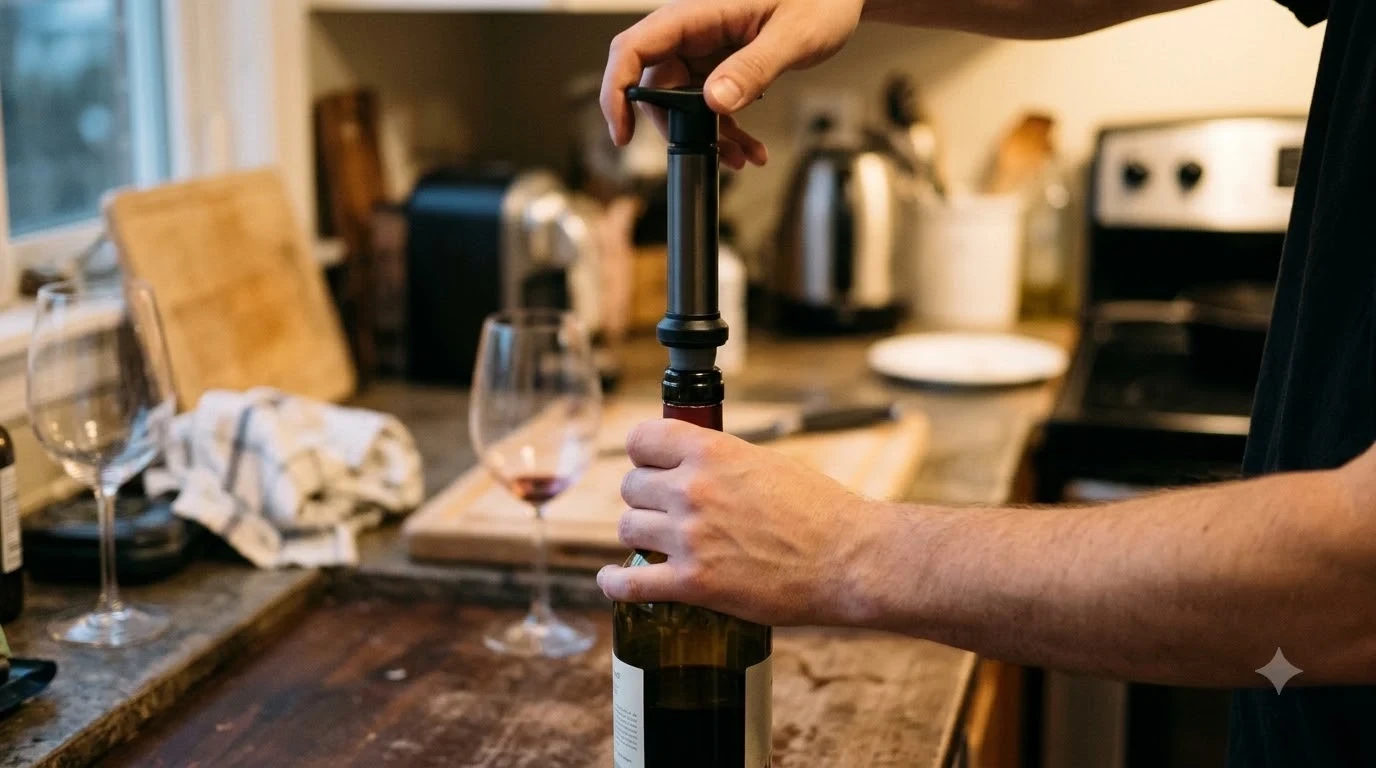
The circle joy wine stopper is a practical wine-preservation accessory for people who want to seal opened bottles, reduce air exposure, and keep unfinished wine organized between servings. Circle Joy offers several versions, including compact manual vacuum stoppers, stainless steel designs, multi-bottle pump sets, and automatic electric models. Its strongest selling points are straightforward operation, compact storage, and a useful date-marking feature, although the manufacturer’s freshness claims should be treated as targets rather than guarantees.
An opened bottle of wine does not have to be finished in one evening. A dependable stopper makes it easier to enjoy a glass with dinner, save the remainder for another occasion, and keep the refrigerator organized. Circle Joy has several preservation accessories rather than one universally defined stopper, so understanding the differences between its products is important before choosing one. This review examines the available designs, their practical advantages, potential limitations, and the features that matter most in everyday wine storage.
Specs and Key Features
Circle Joy’s wine stopper range focuses on vacuum preservation, compact construction, and simple bottle sealing. The standard manual versions emphasize convenience, while the stainless steel and automatic versions add different materials and operating features.
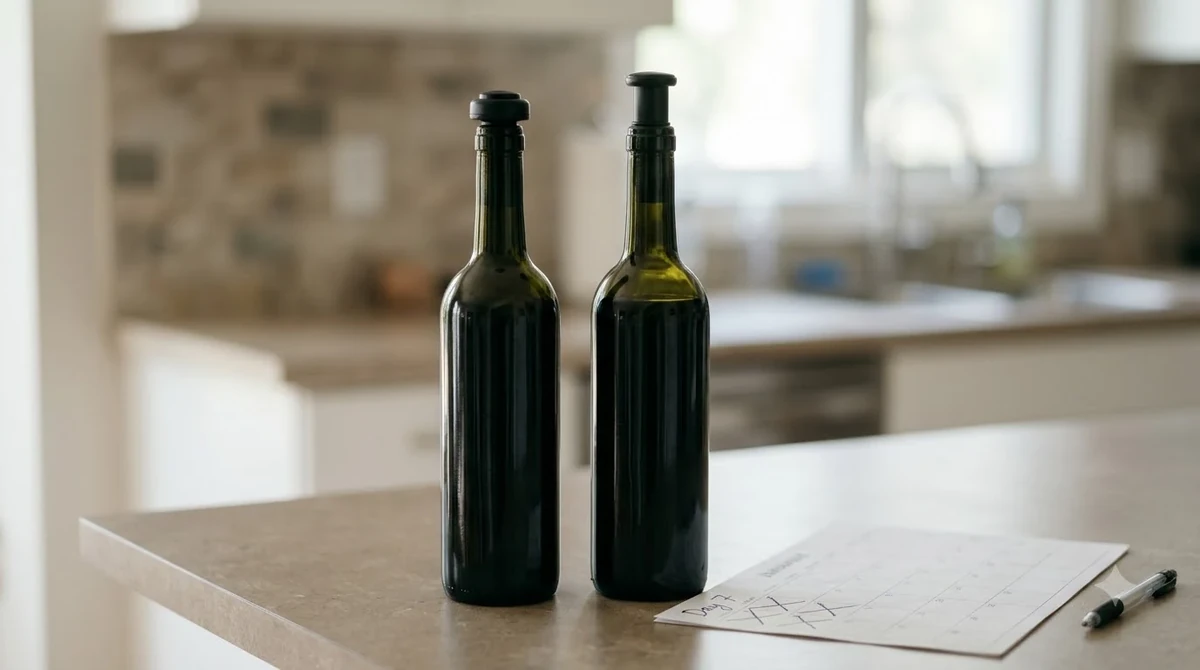
The manufacturer’s catalog identifies three useful categories: standard vacuum stoppers, stainless steel vacuum stoppers, and a vacuum pump with multiple stoppers. There is also an automatic electric vacuum stopper with an LED display and rechargeable operation. These are related products, but their construction and operating methods are not interchangeable.
| Feature | Circle Joy product information | Practical significance |
|---|---|---|
| Standard stopper | Manual vacuum stopper | Suitable for routine bottle preservation |
| Preservation claim | Up to 7 days | Manufacturer’s stated target, not a guaranteed result |
| Date marking | Integrated date scale | Helps track when a bottle was sealed |
| Stainless steel version | Brushed stainless steel exterior | Offers a more polished appearance |
| Storage | Compact design | Convenient for refrigerator storage |
| Multi-bottle set | One pump and multiple stoppers | Designed for up to 4 bottles simultaneously |
| Automatic model | Electric vacuum operation | Reduces the effort required to create a seal |
| Automatic display | LED screen | Shows operating progress and battery condition |
| Automatic charging | Micro-USB cable | Requires occasional battery charging |
One particularly useful feature is the date scale. After opening a bottle, it is easy to lose track of how long it has been stored, especially when several wines are kept in the refrigerator. A date indicator provides a simple visual reminder without requiring a separate label or note.
The stainless steel version is another appealing option. Circle Joy describes its exterior as brushed stainless steel, which gives the accessory a more refined appearance than a basic plastic stopper. This is particularly relevant for people who leave wine accessories visible on a kitchen counter or incorporate them into a serving area.
There is an important distinction between the manual and automatic products. The standard vacuum stopper relies on a manual sealing process, whereas the automatic version activates its electric vacuum function after being placed over the bottle neck. The latter includes an LED screen and rechargeable battery, so it has additional electronic components to maintain.
Circle Joy also offers a set intended to preserve as many as four bottles simultaneously. This is a different proposition from buying one individual stopper. It makes more sense for households that regularly keep several opened bottles available rather than people who occasionally save a single glass of wine.
The manufacturer’s specifications are available on its official wine accessories catalog. Since Circle Joy uses similar product names across different kits, identifying the exact configuration is important when comparing packaging and included components.
What Owners Like
The main appeal of Circle Joy’s preservation accessories is convenience. The compact format, date-marking feature, and choice of manual or automatic operation address several everyday frustrations associated with keeping unfinished wine.
There is an important limitation to the available owner-feedback evidence: published feedback on Circle Joy’s electric wine opener kits does not necessarily represent independent feedback on every standalone stopper. The KP-1127 review, for example, discusses a complete electric opener kit containing preservation accessories. Its observations are useful for understanding the broader product experience, but they should not be treated as proof that every Circle Joy stopper performs identically.
With that distinction in mind, several advantages stand out.
Convenient everyday preservation
A stopper is most useful when it removes friction from an ordinary routine. Someone opening a bottle of Cabernet Sauvignon for dinner might want only one or two glasses. A properly seated stopper allows the remaining wine to be put away without replacing the original cork or transferring the liquid into another container.
Circle Joy’s compact manual designs are intended for this kind of use. They avoid the need for a large countertop appliance and can be kept with other wine accessories. The smaller storage footprint is particularly useful in apartments, shared kitchens, and refrigerators with limited shelf space.
The convenience also extends to entertaining. A host serving two different red wines can close both bottles after dinner instead of leaving them exposed overnight. A dedicated multi-bottle set is particularly interesting for households that frequently open several bottles during gatherings.
A date scale that solves a small problem
The date-marking feature is one of the most practical details in the standard stopper range. People often remember when they opened a bottle initially but forget the date after a busy weekend or a few days away from home.
A visual marker makes it easier to distinguish a recently opened bottle from one that has already been sitting in the refrigerator. This is useful when several bottles have similar appearances or when different household members share wine.
The feature does not measure freshness, acidity, or oxidation. It is simply a reminder. Nevertheless, a small organizational feature can make a preservation accessory more useful over time.
More than one design option
Circle Joy’s range gives buyers a choice between a conventional manual product and a more technologically involved automatic model. This flexibility is useful because not everyone wants an electronic accessory for a task that can be performed manually.
The stainless steel exterior also gives the product a more attractive appearance. For someone arranging a dedicated bar cart, matching the stopper to an existing collection of metal wine tools can make the setup look more coordinated.
Owner comments about the broader Circle Joy electric opener range provide some additional context. The independent KP-1127 review describes positive feedback concerning its polished appearance, comfortable handling, convenient charging base, and one-touch operation. These are observations about the larger kit rather than a direct evaluation of the standalone stopper, but they suggest that convenience and presentation are recurring attractions of the brand’s accessories.
Common Complaints
Circle Joy’s wine stoppers have several limitations worth considering, particularly the distinction between advertised preservation time and actual wine quality. Buyers should also consider model differences, sealing technique, and the additional maintenance required by electronic products.
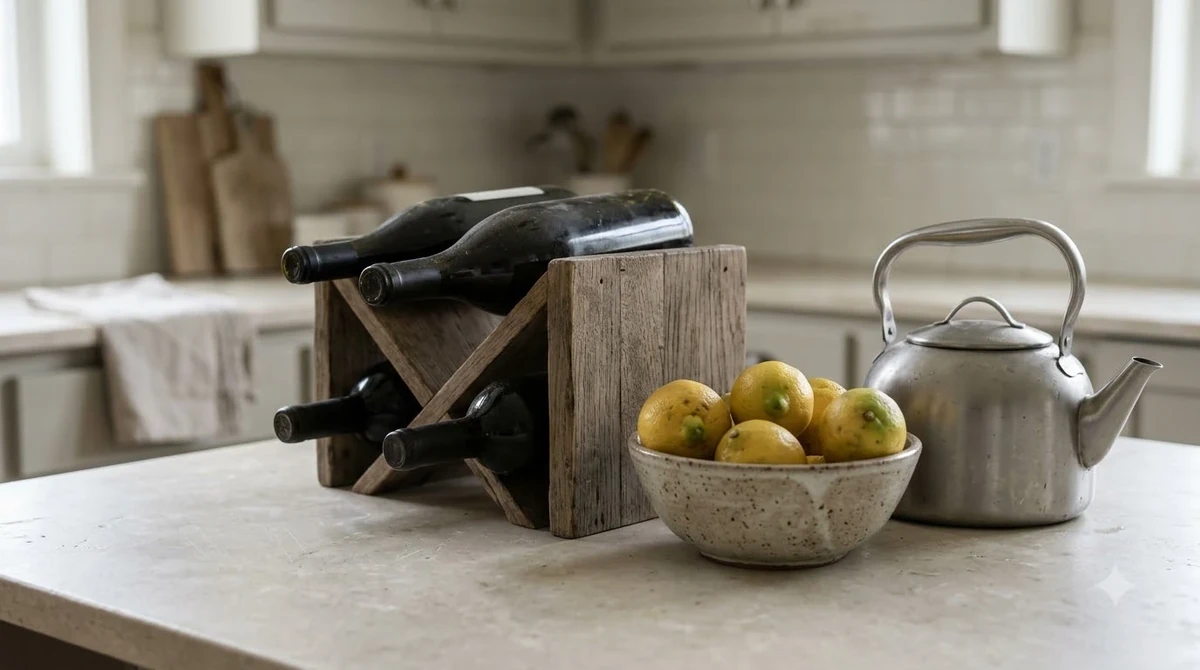
The most important issue is that a vacuum stopper does not completely stop the chemical processes that affect wine after opening. It can reduce air exposure, but the wine’s condition will continue to change depending on its style, storage temperature, remaining volume, and handling.
The seven-day claim needs perspective
Circle Joy advertises preservation for up to seven days on its standard vacuum stopper products. This is a manufacturer claim, not a promise that every bottle will taste unchanged after a full week.
Wine preservation depends on several factors. A bottle that is nearly full has less empty space than one containing only a single glass. A delicate Pinot Noir can show changes in aroma differently from a structured Cabernet Sauvignon. Temperature and the amount of oxygen introduced during pouring also matter.
For everyday purposes, it is sensible to treat the seven-day figure as an upper promotional target rather than a universal storage recommendation. Most opened still wines are better enjoyed within approximately three to five days when refrigerated.
Keeping the bottle cool is important even when using a vacuum stopper. Refrigeration slows many of the processes responsible for deterioration. Red wine does not need to remain at refrigerator temperature when served, however. A bottle of light-bodied red can be allowed to warm slightly before pouring, while a full-bodied red generally benefits from serving around 60 to 65 degrees Fahrenheit.
Different versions can cause confusion
Circle Joy’s product family contains several similar-looking preservation accessories. A manual stopper, an electric vacuum stopper, and a stopper supplied with a multi-piece wine opener set do not necessarily have identical construction or operating requirements.
This matters because buyers may assume that every model has the same material, charging system, or included accessories. For example, the automatic standalone model uses a rechargeable Micro-USB connection, while some newer electric opener sets use USB-C charging for the opener itself.
These specifications should not be transferred from one product to another. A charging specification for an electric corkscrew does not establish the charging requirements of a separate automatic stopper.
Vacuum sealing requires proper placement
Any vacuum stopper depends on a secure fit around the bottle neck. If the stopper is not fully inserted or the sealing surface is damaged, air may enter and reduce its effectiveness.
The instructions for Circle Joy’s CJ-EKPQ16 set specifically identify incomplete insertion and insufficient pumping as possible causes of sealing problems. Although that manual describes a particular bundled accessory, the underlying principle applies to vacuum stoppers generally: correct placement matters.
Buyers should also avoid forcing a stopper into a bottle neck that appears incompatible. Bottle openings can vary, and a tight or poorly aligned fit may make removal difficult.
Electronic models add maintenance
The automatic vacuum stopper is convenient, but its electronics create additional considerations. Battery condition, charging availability, and the operation of the automatic mechanism become part of the ownership experience.
Someone who only opens one bottle occasionally may find a manual stopper more practical. There is little reason to maintain a rechargeable device for a task that takes only a short time with a conventional accessory.
For anyone considering the automatic option, the Micro-USB charging requirement is particularly relevant. It is an older connection compared with USB-C, so buyers who have standardized their household charging equipment may prefer a simpler manual design.
Tip: Do not leave an opened bottle of wine at room temperature simply because it has a vacuum stopper. Seal it promptly, store it in the refrigerator, and use the date marker to keep track of when it was opened. A vacuum seal helps reduce air exposure, but refrigeration remains an important part of everyday wine preservation.
Who Should Buy and Who Should Skip
Circle Joy’s manual wine stopper is best suited to people who regularly have unfinished bottles and want an uncomplicated way to close them. The automatic version is more appropriate for buyers who value reduced manual effort and appreciate electronic convenience.
Choosing the right version depends less on the appearance of the accessory and more on how often it will be used. A household opening one bottle every few days has different needs from a host who routinely keeps four bottles open during dinner parties.
Who should consider buying one
Occasional wine drinkers: People who enjoy one glass after work rather than finishing a bottle in one sitting can benefit from a reusable stopper. A compact manual version is easy to keep in a kitchen drawer and does not require a complicated setup.
Households with several open bottles: People who enjoy different wines throughout the week may appreciate the date scale and multi-bottle preservation options. Being able to identify when a bottle was opened helps avoid confusion when several wines are stored together.
People who enjoy organized wine accessories: The brushed stainless steel design may appeal to buyers who want their wine tools to match other kitchen or serving equipment. It can also make a useful addition to a small home wine station.
Frequent entertainers: A multi-bottle pump and stopper set may be more convenient than purchasing several unrelated individual accessories. Circle Joy specifically describes one set as capable of preserving four bottles simultaneously.
People who prefer automatic operation: The electric vacuum model is worth considering if the reduced manual effort is more important than avoiding batteries and charging cables.
Who should skip it
People who always finish a bottle: If a bottle is typically consumed in one evening, a specialized preservation accessory may not offer much practical value. A simple replacement cork can be sufficient for brief storage between pours.
Collectors storing expensive wines for extended periods: A basic vacuum stopper is not a substitute for a proper wine-preservation system. It should not be treated as a way to protect an opened collectible wine indefinitely or maintain its original condition for weeks.
People who mainly drink sparkling wine: A conventional vacuum stopper is not the ideal choice for maintaining carbonation. Sparkling wines require a pressure-resistant sparkling wine closure designed specifically for that purpose.
Minimalist buyers: The automatic version may be unnecessary if a manual stopper already meets the household’s needs. A rechargeable accessory introduces another item that requires storage and occasional charging.
Buyers who need a verified universal fit: The available product descriptions do not establish compatibility with every bottle-neck design. Anyone who regularly uses unusual bottle formats should confirm the dimensions and compatibility of the specific product before purchasing.
There is also a distinction between preserving wine and preventing spills while pouring. Someone mainly concerned about drips around the bottle neck may get more practical value from a dedicated wine drip stopper. The two accessories perform different jobs and can complement each other.
How It Compares to Alternatives
Circle Joy competes in a category that includes basic bottle stoppers, manual vacuum systems, automatic vacuum sealers, and sparkling wine closures. Its main advantage is offering several approaches within one accessory range rather than relying on a single design.
The most useful comparison is not simply between brands. It is between preservation methods and the level of convenience each method provides.
Circle Joy versus a basic silicone stopper
A basic silicone stopper is usually the simplest option. It closes the bottle opening without requiring a pump, battery, or separate mechanism. For someone who only needs a temporary closure between dinner and the following day, this may be entirely sufficient.
Circle Joy’s vacuum products are intended to remove some air from the bottle rather than simply cover the opening. The date scale also adds an organizational feature that ordinary silicone closures may not provide.
The trade-off is additional complexity. A basic stopper is generally easier to clean, store, and use, while a vacuum system offers a different preservation approach.
Circle Joy versus manual vacuum pumps
A traditional manual vacuum pump works by fitting a stopper into the bottle and repeatedly operating a pump until resistance indicates that air has been removed. It is a straightforward mechanical method that does not depend on a rechargeable battery.
Circle Joy’s standard vacuum products belong to this general preservation category, while its automatic model offers a more convenient electric alternative. The best choice depends on whether the buyer values a simple mechanical tool or a powered system.
A multi-bottle manual pump set may be particularly appealing to people who regularly store several opened wines. Circle Joy’s catalog describes one configuration for up to four bottles, which is more useful for larger households than a single stopper.
Circle Joy versus electric vacuum sealers
An electric vacuum sealer reduces the physical effort required to create a seal. Circle Joy’s automatic model is designed to activate its vacuum process when positioned over the bottle neck. Its LED display also provides operating and battery information.
This approach can be convenient for people who prefer automated accessories. However, electric products introduce battery maintenance and charging considerations that a manual stopper avoids.
The automatic Circle Joy design uses Micro-USB charging, an important detail for anyone comparing it with newer rechargeable kitchen equipment. Buyers should distinguish this standalone accessory from electric wine opener sets that may have different charging arrangements.
Circle Joy versus sparkling wine stoppers
Sparkling wine presents a different preservation problem because carbon dioxide escapes after opening. A standard vacuum stopper is not the appropriate substitute for a closure specifically designed to maintain pressure.
A Champagne or Prosecco bottle should be closed with a suitable sparkling wine stopper. This is especially important if the remaining wine is intended for another occasion rather than immediate consumption.
For still wines such as Merlot, Chardonnay, Sauvignon Blanc, and Cabernet Sauvignon, a conventional vacuum stopper is a more relevant option. The choice of closure should follow the wine style rather than appearance alone.
For buyers comparing different types of wine accessories, the broader Accessory Brands section can help put preservation tools into the context of other useful wine equipment.
How to Choose a Model
Choosing the right Circle Joy wine stopper begins with identifying how many bottles need to be preserved, how much manual effort is acceptable, and whether appearance or electronic convenience matters most.
The range is broad enough that buyers should avoid selecting an item simply because its product photograph resembles another model. A few practical checks can make the decision much easier.
Choose manual operation for simplicity
A standard manual vacuum stopper is a sensible starting point for most households. It offers a reusable way to close an opened bottle without depending on a rechargeable battery.
The date scale is especially useful for someone who regularly opens a bottle over several evenings. It provides a simple way to track storage time, while the compact size makes it easier to keep the accessory near the wine refrigerator.
For people who want a practical tool rather than another electronic gadget, the manual option is generally the more straightforward choice.
Choose stainless steel for appearance
The stainless steel vacuum stopper is worth considering if material appearance matters. Circle Joy describes this version as having a brushed stainless steel exterior, which provides a more refined finish than a plain stopper.
It may suit a kitchen where wine accessories remain visible on a counter or serving station. However, a stainless steel exterior should not automatically be interpreted as proof that every internal component is made from the same material.
Choose a multi-bottle set for entertaining
Households that frequently serve several wines should consider the multi-bottle vacuum pump and stopper set. Circle Joy states that its set can preserve up to four bottles at once.
This can be useful after a dinner party when guests have sampled several different bottles. Instead of finding separate closures, a dedicated set keeps the preservation accessories together.
It is also worth considering whether the household genuinely needs four-bottle capacity. Someone who usually opens only one bottle may find that a single manual stopper offers better simplicity.
Choose automatic operation for convenience
The automatic vacuum model is intended for buyers who want less manual involvement. Its automatic vacuum function, LED display, stainless steel exterior, and rechargeable Micro-USB connection distinguish it from the simpler manual versions.
It is a more specialized option, so the added electronics should offer a meaningful benefit before becoming the preferred purchase. If charging and maintaining another kitchen appliance sounds inconvenient, a manual stopper is likely the better fit.
It is also important to confirm exactly what comes in the package. Some Circle Joy products are standalone accessories, while others are supplied as part of larger wine opener sets containing multiple tools.
Think about the wine you drink most often
Most vacuum stoppers are intended for still wines. A household that regularly drinks red and white wine can use the same general preservation approach, although the wines may have different storage and serving requirements.
For example, a remaining bottle of Sauvignon Blanc should generally be refrigerated promptly. A bottle of Cabernet Sauvignon can also be refrigerated after opening, then brought closer to its preferred serving temperature before the next glass.
For sparkling wine, a dedicated pressure-retaining closure is the better option. This distinction matters more than choosing between stainless steel and a conventional exterior.
Finally, buyers interested in exploring more wine-related gifts and accessories may also enjoy browsing a wine advent calendar, particularly when planning seasonal gifts for someone who enjoys trying different bottles.
Frequently Asked Questions
Does the Circle Joy wine stopper work with screw-cap bottles?
Vacuum stoppers are designed around a bottle opening that accepts the stopper securely. Screw-cap bottles have different neck and closure arrangements, so compatibility should not be assumed. The original screw cap is generally the simplest option for resealing a compatible screw-cap bottle.
Can a Circle Joy wine stopper be used for Champagne?
A standard vacuum stopper is not the preferred closure for Champagne or other sparkling wines. These wines contain dissolved carbon dioxide that creates pressure inside the bottle. A dedicated sparkling wine stopper is designed to retain that pressure and help preserve carbonation.
Does a vacuum stopper change the alcohol content of wine?
A vacuum stopper is a closure accessory, not a wine-processing device. Its purpose is to reduce air exposure rather than alter the wine’s alcohol concentration. It does not function as a filtration or alcohol-removal system.
Can a vacuum stopper be used with half bottles of wine?
A half bottle can generally benefit from a suitable stopper if its neck accepts the closure securely. However, a bottle with less remaining wine contains a larger volume of air above the liquid, which can make preservation more challenging. Smaller bottle formats should also be checked for stopper compatibility.
Why does an opened bottle sometimes develop a vinegar-like smell?
Wine exposed to oxygen and certain microorganisms can develop volatile acidity, including acetic acid, which contributes to vinegar-like aromas. A stopper helps limit exposure but cannot reverse deterioration that has already occurred. Proper refrigeration and timely consumption remain important after opening.
The Circle Joy wine stopper range offers practical options for preserving unfinished still wine, from simple manual closures to stainless steel and automatic designs. Its date scale, compact construction, and multi-bottle configurations are useful features, but the advertised seven-day preservation period should not be treated as a guarantee of unchanged quality. For most households, a manual vacuum stopper is the sensible starting point, while frequent entertainers and buyers who prefer automation may find the larger sets or electric model more appealing.
More in Wine Accessories
 Coravin Vs Vacu Vin: Choose the Right Wine Saver for Your BottlesUpdated Nov 21, 2026
 Zwilling Wine Stopper Review: Preserve Open Bottles LongerUpdated Nov 21, 2026
 Wine Enthusiast Wine Preserver Review: Features, Benefits and LimitationsUpdated Nov 21, 2026
 Wine Enthusiast Wine Stopper: An Easier Way to Reseal Open BottlesUpdated Nov 21, 2026
 Vintorio Wine Opener: Two-Step Cork RemovalUpdated Nov 21, 2026
 Zwilling Wine Aerator Review: Aerate, Pour, and Seal With One ToolUpdated Nov 21, 2026