


We may earn a commission when you buy through links on this page, at no extra cost to you. Learn more.
The best cheap wine of the month club for budget-conscious drinkers is Splash Wines, particularly for people who want larger shipments and straightforward everyday selections. Firstleaf is another strong choice for personalized recommendations, while Naked Wines suits customers who prefer choosing their own bottles. The right subscription depends on bottle quantity, delivery frequency, shipping costs, wine preferences, and how easily you can pause or cancel.
A wine subscription can make discovering new bottles easier, but an inexpensive introductory shipment does not necessarily mean an affordable long-term membership. Some clubs prioritize large cases, others personalize selections through taste questionnaires, and some operate more like membership-based wine shops. Comparing these differences before joining helps prevent unwanted shipments and unexpected recurring charges. This roundup focuses on five services with different approaches to affordable wine delivery, including options for casual drinkers, regular households, and people who enjoy exploring unfamiliar producers.
Quick Comparison of Affordable Wine Clubs
The strongest budget options serve different drinking habits rather than following one universal subscription format. Splash Wines emphasizes larger shipments, Firstleaf offers personalized selections, and Naked Wines gives members greater control over individual purchases.
| Wine Club | Best For | Bottles | Delivery Schedule | Main Advantage |
|---|---|---|---|---|
| Splash Wines | Lowest-cost bulk buying | 6 or 15 | Monthly or one-time bundles | Large selections and included shipping on plans |
| Wine Insiders | Case purchases | 12 | Every 12 weeks | Full-case selection |
| Naked Wines | Choosing individual bottles | Customer selected | Order when needed | Flexible wine selection |
| Firstleaf | Personalized recommendations | 6 or 12 | Monthly, every 2 or 3 months | Preference-based selections |
| Wine of the Month Club | Traditional monthly deliveries | 2 | Monthly, every 2 months or quarterly | International winery discovery |
These differences matter because a six-bottle subscription and a two-bottle subscription solve different problems. Someone who opens wine several evenings a week might appreciate a larger shipment, while a household that enjoys one bottle over a weekend may prefer a smaller delivery. Shipment frequency also affects storage requirements and how much wine accumulates before the next delivery.
For a broader overview of wine-related equipment and accessories that can complement a subscription, the Accessories Library provides another useful starting point.
Best for Low-Cost Bulk Buying: Splash Wines
Splash Wines is a compelling option for households that prioritize quantity and everyday drinking value over a highly specialized tasting experience. Its selection of six- or fifteen-bottle shipments makes it particularly relevant for people who regularly share wine with friends or keep several bottles available for dinner.
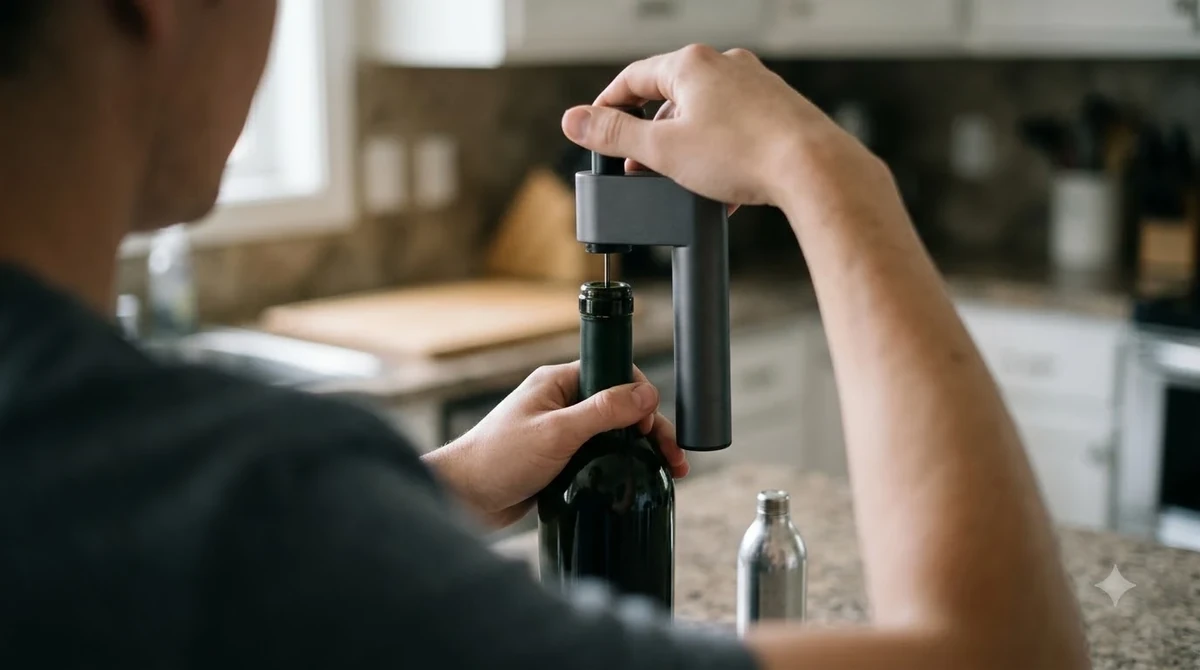
According to Rate This Wine’s comparison, Splash Wines offers monthly subscription shipments and one-time bundles. The availability of one-time purchases is especially useful because customers can replenish their wine supply without necessarily committing to another recurring delivery. This flexibility distinguishes it from services that focus primarily on scheduled shipments.
Shipping is another important consideration. Rate This Wine identifies included shipping as an advantage of Splash Wines subscription plans. That makes comparing the delivered cost of a shipment easier than evaluating a wine club that adds separate transportation charges at checkout.
Why larger shipments make sense
A larger case can reduce the inconvenience of ordering wine frequently. Instead of waiting for a new delivery every few weeks, customers can keep several styles available for different meals and occasions. A fifteen-bottle selection may be particularly practical for households that entertain regularly or share wine among several adults.
However, quantity alone does not guarantee that every bottle will suit your preferences. A bulk shipment is less appealing if most of its wines remain unopened because the selection does not match your usual choices. Consider whether you prefer reds, whites, or a mixture before choosing a bundle.
It also helps to think about storage. Fifteen bottles require considerably more space than six, especially if the household already has wine, spirits, or entertaining supplies. A cool, dark location away from direct sunlight and heating appliances is preferable to a sunny kitchen counter.
Potential drawbacks
The main compromise with a bulk-oriented wine club is that the purchasing decision revolves around getting a larger assortment. Customers looking for an educational experience, detailed regional exploration, or highly individualized recommendations may prefer Firstleaf or Wine of the Month Club.
Before selecting a recurring plan, determine how often the household actually finishes its existing bottles. A monthly shipment can become excessive if wine consumption varies considerably from one month to another.
Best fit: Regular wine drinkers who want convenient replenishment, larger shipments, and the option of buying one-time bundles instead of relying exclusively on recurring deliveries.
Best for Full-Case Shopping: Wine Insiders
Wine Insiders is worth considering for people who prefer receiving a complete case rather than a small assortment every month. Its twelve-bottle shipment format suits households that regularly serve wine at meals, entertain guests, or prefer purchasing several bottles in one order.
Rate This Wine describes its recurring shipment schedule as approximately every twelve weeks. That arrangement provides a different budgeting rhythm from monthly wine subscriptions. Instead of receiving wine every few weeks, members can plan around larger deliveries several times throughout the year.
The advantages of a twelve-bottle format
A twelve-bottle case offers room for a more varied home selection. Customers can allocate bottles to different meals, occasions, and personal preferences instead of depending on a small shipment to cover every situation.
For example, a household might reserve lighter whites for seafood dinners, medium-bodied reds for pasta, and fuller reds for grilled beef. Having several styles available can make it easier to choose an appropriate bottle without making another purchase.
Wine Insiders is also relevant for customers who prefer planning ahead. A shipment every twelve weeks provides a predictable purchasing cycle, provided the household consumes wine consistently enough to justify the quantity.
Watch the delivery charges
The most important comparison is the total delivered cost rather than the advertised case price alone. Rate This Wine lists separate shipping charges for Wine Insiders, which means transportation should be included when evaluating the cost per bottle.
Divide the complete shipment total by twelve to calculate the delivered cost of each bottle. This simple calculation allows a meaningful comparison with clubs that include shipping or offer smaller deliveries.
Another consideration is whether you actually want twelve bottles selected as a single purchase. Customers with limited storage or irregular drinking habits may find a smaller subscription more practical.
Wine Insiders makes the most sense for buyers who already understand their general wine preferences and can use a complete case over several weeks. It is less suitable for someone who wants to try only one or two new bottles at a time.
Best fit: Households that regularly consume wine, prefer full-case purchasing, and can plan around a delivery cycle of approximately three months.
Best for Choosing Your Own Bottles: Naked Wines
Naked Wines is a strong alternative for customers who want the flexibility of a wine shop combined with membership benefits. Rather than automatically sending a fixed assortment every month, its membership model allows customers to select individual bottles and decide when to place orders.
Food Network identifies Naked Wines as a value-oriented subscription option that connects customers with independent winemakers. This approach appeals to curious drinkers who enjoy discovering producers and want more involvement in the selection process.
How the membership model works
The main difference is that the monthly account-funding arrangement is not the same as receiving an automatic shipment of wine. Members contribute funds to an account that can be used toward future purchases. The timing and composition of an order are therefore more flexible than a conventional monthly box.
This can be useful for people who already have enough wine at home. Rather than accepting another delivery simply because a recurring shipment is scheduled, members can wait until they need more bottles.
The ability to choose wines also makes the service appealing to people with established preferences. Someone who prefers dry Italian reds, crisp Spanish whites, or fruit-forward Australian wines can focus on those categories instead of receiving an assortment that may contain unfamiliar styles.
Why independent winemakers matter
Exploring independent producers can introduce customers to regions and grape varieties they might overlook in a conventional supermarket. A customer familiar with California Cabernet Sauvignon, for example, might use a wine membership to discover Spanish Tempranillo, Portuguese red blends, or Italian Sangiovese.
That flexibility can make a wine subscription more interesting over time. Rather than receiving similar bottles repeatedly, customers can gradually expand their knowledge of wine-producing regions and styles.
What to consider before joining
The account-funding system requires some attention. Monthly contributions should not be confused with an automatic delivery of a particular number of bottles. Customers need to understand how account balances work, what happens to accumulated funds, and which conditions apply if they stop participating.
Food Network reports that members can edit their settings, skip contributions, or cancel. That flexibility is useful, although customers should still review the current membership terms before joining.
Shipping thresholds also deserve attention. An order that looks inexpensive before delivery may become less attractive once transportation is included. Planning purchases around the minimum order requirements can help avoid placing several small orders unnecessarily.
Best fit: People who prefer selecting their own wine, exploring independent producers, and deciding when to place an order rather than accepting an automatic monthly assortment.
Best for Personalized Recommendations: Firstleaf
Firstleaf is particularly suitable for beginners and casual wine drinkers who want help finding bottles that match their preferences. Its personalization system uses a customer questionnaire and feedback to guide future selections, reducing the amount of independent research required before each shipment.
Food Network identifies Firstleaf as its best overall wine subscription selection. The publication describes a starting questionnaire that helps determine customer preferences before the first six-bottle selection is assembled. This makes the service appealing to people who know what flavors they enjoy but are unfamiliar with grape varieties and wine-producing regions.
A preference-based approach
Wine preferences are often easier to describe through everyday experiences than through technical terminology. Someone might prefer smooth, fruity reds, dislike strongly acidic whites, or enjoy wines with noticeable oak character without knowing the precise grape varieties that produce those characteristics.
A questionnaire can translate those preferences into a more targeted starting selection. Customer feedback then provides another source of information for future recommendations.
For example, someone who enjoys Pinot Noir but finds Cabernet Sauvignon too tannic can use their feedback to guide future selections toward softer red wines. Someone who prefers refreshing whites can communicate a preference for higher-acidity styles such as Sauvignon Blanc.
Choosing a shipment schedule
Firstleaf offers six- and twelve-bottle shipments, with delivery intervals of monthly, every two months, or every three months, according to Rate This Wine. These options give customers more control over how quickly their wine supply grows.
The six-bottle format is a practical starting point for someone who wants to explore several recommendations without receiving a full case. A twelve-bottle shipment may be more convenient for households that drink wine regularly and have sufficient storage.
Customers should compare the regular shipment terms with any introductory offer. A reduced first delivery can make trying a service attractive, but the ongoing subscription is what determines whether the membership remains suitable for the household budget.
Who might prefer another club?
Firstleaf is less compelling for people who want complete control over every individual bottle. Its main attraction is guided selection rather than a traditional wine-shopping experience.
It may also be unnecessary for experienced drinkers who already know the regions, producers, and grape varieties they enjoy. Those customers might get more value from choosing individual wines through Naked Wines.
For beginners, however, a guided selection can make discovering new wines less intimidating. Rating bottles and recording which styles work best can turn each shipment into a practical learning experience.
Best fit: Beginners and casual drinkers who appreciate personalized recommendations, smaller shipment options, and the opportunity to discover new wine styles through feedback.
Best for Traditional Monthly Deliveries: Wine of the Month Club
Wine of the Month Club is a suitable choice for customers who prefer a traditional subscription experience built around a small, curated selection. Its standard shipments contain two bottles from different international wineries, making it a practical option for people who do not want a large case arriving regularly.
According to the club’s official FAQ, customers can select one red and one white, two reds, or two whites through its Premier Series. This variety provides a useful degree of customization while retaining the simplicity of a two-bottle shipment.
What arrives in each shipment
The two-bottle format is particularly attractive for occasional wine drinkers. Rather than accumulating six or twelve bottles at once, customers receive a smaller assortment that can be explored over several dinners or shared with another wine enthusiast.
Wine of the Month Club also includes Cellar Notes with its shipments. These materials provide wine profiles, tasting information, suggested food pairings, recipes, and introductions to the wineries represented in the selection.
That educational component is useful for people who want more context than a bottle label provides. Learning about the producer, region, and suggested food pairings can help customers understand why a particular wine tastes different from another bottle.
Flexible delivery arrangements
The club offers monthly, every-other-month, and quarterly shipment schedules. Customers can therefore choose a delivery rhythm that better matches their consumption habits.
A monthly schedule suits households that enjoy trying new wines regularly. An every-other-month or quarterly arrangement may be more appropriate for occasional drinkers who want to avoid accumulating too many bottles.
Prepaid memberships are another option. According to the official FAQ, these memberships end after the selected number of shipments, unlike ongoing memberships that continue until cancellation.
Shipping and delivery considerations
Shipping charges are separate and vary according to destination, the number of bottles, and the number of shipments. This makes it important to calculate the delivered cost before choosing a membership.
The club states that orders are processed within two business days and that typical delivery takes three to seven business days after processing. However, certain destinations can take longer, and weather conditions can delay shipments.
Alcohol delivery also requires planning. The company requires someone over 21 to sign for the shipment in person. A customer who works away from home throughout the day should consider whether a suitable delivery address is available.
The club also publishes shipping restrictions for certain states and addresses. Its FAQ excludes several states, P.O. boxes, military addresses, and international addresses. Customers should verify eligibility before purchasing.
For further details about its delivery and membership policies, consult the official Wine of the Month Club FAQ.
Best fit: Casual wine drinkers, traditional subscription customers, and gift buyers who prefer two curated bottles with accompanying tasting and food-pairing information.
How to Choose an Affordable Wine Subscription
The right subscription should match your actual wine consumption rather than simply offering the largest advertised selection. Compare the regular delivered cost, bottle quantity, wine styles, and membership flexibility before making a decision.
1. Calculate the real cost per bottle
The first step is comparing the complete cost of a shipment with the number of bottles received. Include shipping, handling charges, and any recurring membership contributions that are not immediately spent on wine.
For example, a shipment containing six bottles has a different cost structure from one containing twelve. A larger shipment may reduce the transportation cost per bottle, but that advantage disappears if half the case remains unopened for months.
Do not compare an introductory shipment with another club’s regular membership. Calculate the ongoing cost using the standard terms that apply after the initial offer.
2. Match shipment size to consumption
A household that opens one bottle each week might find a six-bottle shipment more manageable than a twelve-bottle case. A household that regularly hosts dinners may appreciate larger deliveries.
As a practical reference, a standard 750 ml bottle provides approximately five glasses when poured at the usual five-ounce serving size. Six bottles therefore represent approximately thirty glasses, while twelve provide approximately sixty.
Think about how many adults regularly drink wine in the household and how often bottles are opened. A subscription should replenish the supply at a reasonable pace rather than create a storage problem.
3. Decide how much selection control you want
Wine subscriptions generally follow three approaches. Curated clubs select bottles for customers, personalized services use preferences and feedback to guide recommendations, and membership-based shops allow customers to choose their own wines.
Firstleaf is a reasonable starting point for people who want recommendations. Naked Wines makes more sense for customers who want to select individual bottles. Wine of the Month Club provides a more traditional curated experience.
There is no universal advantage to one approach. The best option depends on whether convenience or personal control matters more.
4. Review cancellation and skipping policies
Subscription flexibility is especially important for people with changing schedules or irregular wine consumption. Check whether you can pause shipments, skip a delivery, change the delivery frequency, or cancel through an online account.
Also distinguish between prepaid memberships and ongoing subscriptions. A prepaid membership usually has a defined number of shipments, while an ongoing arrangement may continue charging the payment method until cancellation.
Read the cancellation instructions before completing the first purchase. If a membership requires contacting customer support, make sure you understand the available contact methods and processing deadlines.
5. Consider the wine styles included
A low-cost shipment is only useful if you enjoy the wines. Consider whether the club offers red-only, white-only, or mixed selections and whether you can communicate preferences before the next delivery.
For red wine drinkers, approachable varieties such as Merlot and Pinot Noir may be useful starting points. Cabernet Sauvignon typically has higher tannin, while Merlot generally has softer tannins and Pinot Noir tends to have lower-to-medium tannin with higher acidity.
White wine preferences also differ. Sauvignon Blanc and Riesling generally have higher acidity, while Chardonnay usually has medium acidity. Knowing these differences can help customers describe the styles they prefer when completing a questionnaire.
6. Check delivery requirements
Wine delivery involves additional requirements that do not apply to ordinary household packages. Many carriers require an adult signature, and the recipient must be at least 21 years old.
Check whether the club ships to your state, whether your address is eligible, and whether someone can be available to receive the package. Weather restrictions and carrier delays can also affect arrival dates.
Tip: Before joining any wine club, compare the regular cost of a shipment, shipping charges, bottle quantity, and cancellation policy in one place. A useful budget comparison should reflect the cost of wine you actually receive, not an introductory offer that applies only to the first delivery.
Once a subscription arrives, store bottles away from direct sunlight and excessive temperature changes. A consistent storage environment near 55 degrees Fahrenheit is a useful reference for longer-term storage. Opened still wines generally keep for approximately three to five days in the refrigerator, while sparkling wines are usually best consumed within one to three days.
Customers who enjoy organizing their home entertaining area can also consider a cheap bar cart for keeping everyday wine accessories together. If seasonal wine gifting is more appealing, a cheap wine advent calendar offers a different way to discover bottles throughout the holiday season.
Frequently Asked Questions
Can wine clubs deliver to every US state?
No. Alcohol shipping regulations differ by state and can also vary by individual ZIP code. Some destinations prohibit direct-to-consumer wine shipments, while others require specific permits or carrier arrangements. Always verify that the destination is eligible before purchasing a membership.
Does someone need to be home when wine is delivered?
Generally, yes. Alcohol deliveries typically require an adult signature from someone at least 21 years old. Some carriers also request identification to verify the recipient’s age. A business address or another approved location where an eligible adult is available can make receiving shipments easier.
Can a wine club subscription be purchased as a gift?
Many wine clubs offer prepaid gift memberships that provide a predetermined number of shipments. These arrangements are different from ongoing subscriptions because they normally end after the selected deliveries are completed. Before ordering, confirm whether the recipient must activate the membership and whether someone must be available to sign for each shipment.
What happens if a wine shipment arrives damaged?
Contact the wine club’s customer support department promptly and retain the original packaging if possible. Photograph broken bottles, damaged cartons, and any visible leakage to document the issue. Replacement, refund, and claim procedures depend on the individual company’s published policies.
Are wine subscriptions suitable for people who prefer organic wine?
Some subscription services specialize in organic, biodynamic, or low-intervention wines, while general-purpose clubs may offer these styles only occasionally. Organic certification, growing practices, and winemaking methods are different considerations, so customers should look for specific producer and certification information. A general budget subscription should not automatically be assumed to contain exclusively organic wines.
The best cheap wine of the month club is the one that provides enjoyable bottles without sending more wine than your household can use. Splash Wines is a strong starting point for bulk purchases, Firstleaf suits customers who want personalized recommendations, and Naked Wines offers flexibility for people who prefer choosing their own bottles. Compare regular shipment terms and delivery requirements before joining so your subscription remains convenient and affordable over time.
More in Wine Accessories
 Coravin Vs Vacu Vin: Choose the Right Wine Saver for Your BottlesUpdated Nov 21, 2026
 Zwilling Wine Stopper Review: Preserve Open Bottles LongerUpdated Nov 21, 2026
 Wine Enthusiast Wine Preserver Review: Features, Benefits and LimitationsUpdated Nov 21, 2026
 Wine Enthusiast Wine Stopper: An Easier Way to Reseal Open BottlesUpdated Nov 21, 2026
 Vintorio Wine Opener: Two-Step Cork RemovalUpdated Nov 21, 2026
 Zwilling Wine Aerator Review: Aerate, Pour, and Seal With One ToolUpdated Nov 21, 2026