


We may earn a commission when you buy through links on this page, at no extra cost to you. Learn more.
If you are wondering what does ruby port taste like, expect a rich, sweet, full-bodied fortified red wine bursting with fresh blackberry, raspberry, black cherry, and plum flavors backed by subtle dark chocolate and baking spice. Because it ages briefly in large vats or stainless steel tanks that limit oxygen exposure, it keeps a vibrant ruby-purple color and juicy primary fruit rather than developing nutty caramel notes. Most bottles sit around 19% to 20% ABV and deliver a velvety, warming finish balanced by firm grape tannins and moderate acidity.
Walking down the fortified wine aisle can feel intimidating when every bottle shares the same Portuguese heritage yet promises a completely different experience in the glass. Among all Wine by Type categories, ruby port serves as the most approachable, fruit-driven entry point into Portugal’s famous dessert wine tradition. Understanding how its flavor profile works makes it far easier to pour at the right temperature, pair with dinner or dessert, and pick a bottle suited to your palate.
What It Is
Ruby port is the youngest, most widely produced style of red port wine from Portugal, crafted to preserve bright red and black fruit flavors and a deep crimson hue. Winemakers achieve its signature sweetness and strength by halting fermentation early with a neutral grape brandy, locking in natural grape sugars while raising the alcohol level.
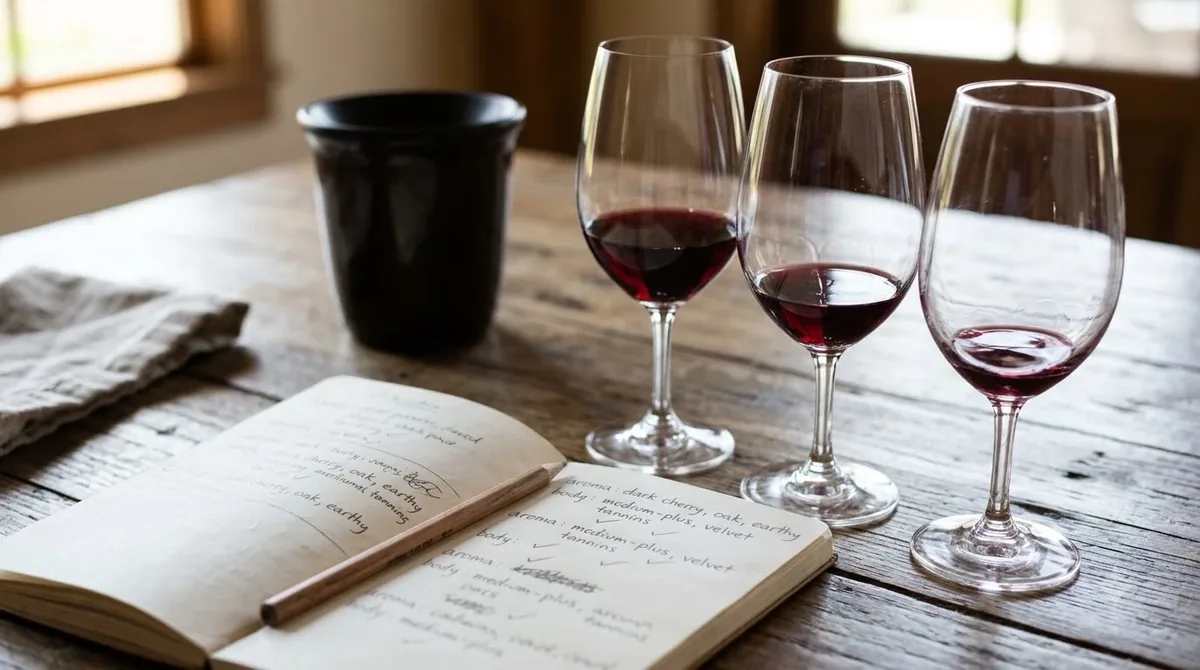
Unlike dry table wines where yeast consumes nearly all the sugar in the grape must, port production interrupts fermentation roughly halfway through. According to Wine Folly, adding a neutral grape spirit—known locally as aguardente—kills the yeast cells so substantial residual sugar remains in the finished wine. This fortification step pushes the final alcohol by volume to between 19% and 20% ABV in most commercial bottlings, giving the wine weight and warmth without making the sweetness feel cloying.
Once fortified, standard ruby port rests for an average of two to three years in large oak vats, concrete tanks, or stainless steel vessels. Because these oversized containers expose very little surface area of the wine to oxygen, the liquid avoids the slow oxidative browning that transforms barrel-aged styles. Producers then fine, cold-filter, and blend wines from multiple harvests to create a consistent, ready-to-drink house profile that needs no extra cellar time.
Flavor and Styles
On the palate, ruby port delivers an immediate wave of ripe red and dark berries layered over cocoa, plum jam, and gentle warmth. Within the broader ruby family, however, different aging rules and grape selections create noticeable shifts in structure, tannin grip, and depth.
Your first sip typically opens with aromas of crushed blackberries, black cherries, raspberries, and red plums. As the wine coats the mid-palate, secondary notes of dark chocolate, cassis, and sweet baking spices like cinnamon emerge from the native Portuguese grape skins. Reviewers at Decanter note that young ruby port captures a vigorous, fiery personality where firm tannins and medium acidity keep the rich residual sugar from tasting syrupy. That interplay is very different from what does tawny port taste like, since small-barrel aging swaps fresh berry punch for toasted nuts, butterscotch, and dried figs.
It also contrasts sharply with what does white port taste like, which leans toward golden citrus, stone fruit, and honeyed almond notes rather than dark berry richness. Even within the red ruby umbrella, the Instituto dos Vinhos do Douro e Porto (IVDP) recognizes a clear ladder of styles that build upon the baseline fruit profile:
| Ruby Port Style | Aging & Harvest | Core Flavor Profile | Decanting Needed? |
|---|---|---|---|
| Standard Ruby | Multi-vintage blend; 2–3 years in large vats or tanks | Fresh raspberry, black cherry, plum, and light cocoa | No |
| Reserve Ruby | Selected higher-grade lots; aged slightly longer in large oak | Concentrated blackberry, dark plum, baking spice, and velvety chocolate | No |
| Late Bottled Vintage (LBV) | Single harvest; aged 4–6 years in large wood vats | Dense black currant, jammy cherry, dark chocolate, and firmer tannins | Only if unfiltered |
| Vintage Port | Top single harvest; 2–3 years in wood, then decades in bottle | Intense wild berries and bitter chocolate in youth; dried fruit and leather with age | Yes, always |
Where It Grows
Authentic ruby port comes exclusively from the Douro Valley in northern Portugal, one of the oldest demarcated wine regions in the world. Steep, terraced vineyards carved into schist hillsides along the Douro River create harsh growing conditions that force grapevines to produce small, intensely flavored berries.
Protected from damp Atlantic weather by the Marão and Montemuro mountain ranges, the Douro experiences freezing winters and scorching, arid summers. Under these extremes, vines dig deep through fractured schist rock to find water, concentrating natural sugars, color pigments, and tannins inside thick grape skins. While dozens of indigenous varieties are permitted under regional regulations, most ruby blends rely on five flagship red grapes: Touriga Nacional, Touriga Franca, Tinta Roriz (known in Spain as Tempranillo), Tinta Barroca, and Tinto Cão.
Each grape brings a distinct building block to the finished blend. Touriga Nacional supplies deep violet color, blueberry aromatics, and structured tannins, while Touriga Franca contributes bright raspberry fruit and subtle cinnamon spice. Tinta Roriz and Tinta Barroca add plush mid-palate body and early-ripening jamminess, giving blenders the raw material to craft a balanced wine year after year. Historically, young wines traveled downriver to lodges in Vila Nova de Gaia across from Porto to mature in cooler coastal air, though many estates now age their stock directly in the Douro.
How to Serve
Serving ruby port slightly below room temperature—around 60°F to 64°F (16°C to 18°C)—keeps its berry flavors crisp and prevents the alcohol from tasting hot. Pouring a modest 3-ounce serving into a small tulip-shaped glass focuses the aromatics while respecting the wine’s richness.
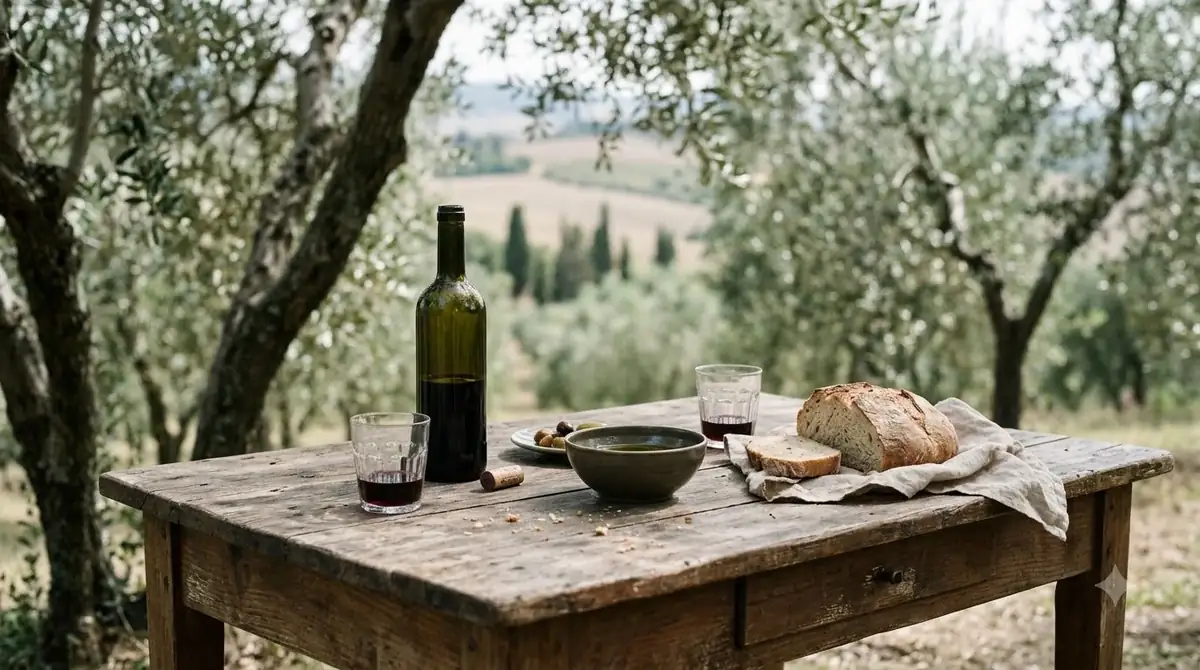
Temperature control makes the biggest difference in how ruby port tastes at the table. If a bottle sits on a warm kitchen counter, the 19% to 20% alcohol can dominate the nose and make the residual sugar feel heavy. Placing the bottle in the refrigerator for about 15 to 20 minutes before pouring brings it right into the ideal cellar range, sharpening the red fruit and tightening the finish.
Because standard and reserve ruby ports are filtered before bottling, they do not throw heavy sediment and require zero decanting—you can pull the stopper cork and pour immediately. Use a small port glass or a standard white wine glass filled no more than a third full so you have room to swirl without spilling. Once opened, re-cork the bottle and store it in the refrigerator, where the higher alcohol and sugar levels keep the fruit fresh for roughly two to three weeks.
Tip: Never serve ruby port in oversized Cabernet stems or fill the glass to the brim; a small 3-ounce pour in a narrow-rimmed tulip glass keeps the alcohol balanced and concentrates the berry aromas.
Food Pairing
Ruby port thrives alongside salty, pungent cheeses and rich chocolate desserts that mirror its sweetness or cut through its velvety texture. Its juicy acidity and moderate tannins also allow it to stand up to berry tarts, roasted nuts, and savory reductions.
The most celebrated savory match is creamy blue cheese such as English Stilton or French Roquefort. The sharp, salty tang of the blue veins collides with the sweet black cherry and plum fruit of the port, creating a classic sweet-and-savory contrast that softens both elements. Aged hard cheeses like sharp Cheddar, aged Manchego, and Parmigiano-Reggiano also work well, as their crystalline protein texture and nutty saltiness balance the wine’s plush body.
On the dessert side, match the weight of the wine with dark chocolate truffles, flourless chocolate cake, fudgy brownies, or mixed berry galettes. Milk chocolate and overly sugary white frostings can sometimes taste cloying next to sweet fortified wine, whereas bittersweet cocoa echoes ruby port’s natural dark chocolate undertones. If you enjoy crisp, fruit-forward white wines like what does chenin blanc taste like earlier in the meal, transitioning to a small glass of ruby port alongside dark chocolate or walnuts provides a smooth, high-impact finish.
How to Choose a Bottle
Selecting a bottle of ruby port comes down to matching the tier on the label to your occasion, whether you want a casual sipping wine, a cooking staple, or a richer after-dinner pour. Checking a few key label terms ensures you get the exact level of fruit concentration and structure you expect.
Start by deciding between a standard Ruby and a Reserve Ruby. Standard bottlings—simply labeled “Ruby Port” or “Fine Ruby”—are light on their feet, bright, and fruit-forward, making them reliable choices for casual weeknight sipping, sangria or winter cocktails, and simmering down into pan sauces for steak or duck. Reserve Ruby bottlings come from higher-scoring vineyard lots selected by the house blenders, offering deeper color, darker blackberry concentration, and a longer, spicier finish.
Look for the official paper seal issued by the IVDP—known as the Selo de Garantia—draped over the neck and capsule of the bottle. This numbered guarantee confirms that the wine was grown, fortified, and approved in Portugal’s Douro region rather than made as an imitation elsewhere. Finally, check the cork style: bottles topped with a reusable T-stopper cork are filtered and ready to open anytime, whereas driven straight corks on unfiltered LBV or Vintage bottlings signal wines meant for careful decanting.
Frequently Asked Questions
Is ruby port sweet or dry?
Ruby port is distinctly sweet, typically containing around 100 grams per liter of residual sugar. Winemakers stop fermentation early by adding neutral grape spirit, leaving natural grape sweetness intact while balancing it with medium acidity and firm grape tannins.
How is ruby port different from tawny port?
Ruby port ages for just two to three years in large vats or stainless steel tanks that limit oxygen exposure, preserving bright red color and fresh berry flavors. Tawny port ages for many years in small wooden barrels, allowing gradual oxidation that turns the wine amber-brown and creates caramel, hazelnut, and dried fig flavors.
Do you need to refrigerate ruby port after opening?
Yes, storing an opened bottle of ruby port in the refrigerator slows oxidation and preserves its fresh berry aromas. Thanks to its higher alcohol and sugar content, a re-corked bottle stays vibrant in the fridge for two to three weeks, though you should let each pour warm slightly before drinking.
Can you cook with ruby port?
Ruby port is one of the best fortified wines for cooking because its bright red berry flavors and natural sugars reduce into a glossy, flavorful glaze. Chefs frequently simmer it with shallots and stock for steak pan sauces, poach pears or figs in it, or stir a splash into dark chocolate ganache.
Whether poured alongside a wedge of salty Stilton or sipped slowly after dinner with bittersweet chocolate, ruby port offers an immediate burst of Douro Valley fruit without requiring years of cellar patience. Once you know what to look for on the label and chill the bottle just slightly before serving, every glass delivers rich berry character and balanced warmth.
More in Wine Types & Grapes
 Zinfandel Sugar Content: Dry Red vs. White Zinfandel GramsUpdated Nov 21, 2026
 Best Zinfandel Substitute Options for Sipping and CookingUpdated Nov 21, 2026
 Zweigelt Food Pairing: Best Dishes, Cheeses, and Serving TipsUpdated Nov 21, 2026
 Zinfandel Tannins Explained: How Structure Shapes Every BottleUpdated Nov 21, 2026
 Zinfandel Sweetness Level: Dry Red vs. Sweet White Zin ExplainedUpdated Nov 21, 2026
 Xinomavro Food Pairing: Best Dishes, Styles, and Serving TipsUpdated Nov 21, 2026