

We may earn a commission when you buy through links on this page, at no extra cost to you. Learn more.
The best insulated wine glasses use a double-walled body with a gap between the layers, which slows heat moving from your hand into the wine and keeps a chilled white cooler for longer. The insulation is useful outdoors, at picnics, and at long tables where the wine sits out. Look for a sealed double wall, a stable base, and a rim that feels comfortable, since the open top is where most of the heat exchange still happens.
Insulated glasses have grown more common as people want a glass that keeps its temperature without a bottle cooler. The idea borrows from the vacuum flask: two nested walls with a gap that blocks much of the heat moving through the body. The result is a glass that stays cold longer and does not warm as quickly in the hand. If you are comparing standard options first, our wine glasses guide covers traditional shapes and materials.
Quick Comparison of Insulated Glass Styles
Insulated wine glasses come in a few forms, including double-wall stemmed glasses, double-wall stemless tumblers, and insulated flutes for sparkling wine. The table compares them on the points that matter most in use: how well they hold temperature, how they handle in the hand, and how easy they are to clean.
| Style | Insulation | Hand feel | Cleaning | Good fit |
|---|---|---|---|---|
| Double-wall stemmed glass | Good body insulation | Stem keeps the bowl off the hand | Check the gap for residue | Dinners and sit-down meals |
| Double-wall stemless tumbler | Good, with a short body | Easy to grip | Simple to rinse | Outdoor and casual use |
| Insulated flute | Good for chilled sparkling | Tall and narrow | Narrow opening needs a brush | Chilled sparkling wine |
| Single-wall glass | Minimal | Warms faster in the hand | Simplest of all | Quick indoor pours |
Best for Outdoor Picnics and Patio Evenings
An insulated glass suits a picnic, a patio, or a garden party where the wine sits in the sun for longer than it would at a dinner table. The double wall slows the transfer of outside heat into the wine, which helps a chilled white or rosé stay in its intended range for longer. The Wikipedia entry on vacuum flasks explains that a near-vacuum between two walls blocks most heat transfer by conduction and convection, which is the same principle a double-wall glass relies on.
Why it stands out: the wine stays cooler between pours, so you do not have to refill from an ice bucket as often.
Keep in mind: the open rim is the weak point. Heat still reaches the wine through the top, so a glass with a lid or a shallow pour helps on very warm days.
Best for: hosts who serve outdoors and want a glass that holds its temperature without extra ice.

- Material
- Stainless steel
- Capacity
- 12 oz
- Set Size
- 2 tumblers, lids, straws
- Care
- Hand wash only
Picnics, hikes and patio evenings are the use cases this stemless pair is written around. Double-wall vacuum-insulated stainless steel keeps drinks cold or hot, and each 12 oz tumbler comes with a lid and a straw for sip-and-go convenience. The lightweight, unbreakable build handles beach, pool and camping trips, and the marble finish adds a bit of color.
Pros & ConsView
- Double-wall vacuum insulation for hot or cold
- Lids and straws come with the pair
- Unbreakable stainless build for outdoor use
- Hand wash only
- Opaque walls hide the wine color
Best for Chilled White Wine and Rosé
White wine is best served a little warmer than a fridge, and Wine Folly’s serving guide gives 49–55°F (7–12°C) for full-bodied and rosé styles, with cooler ranges for sparkling and light whites. An insulated glass helps the wine stay close to that range once it is poured, especially when you sip slowly. A stemmed double-wall glass also keeps the bowl away from the hand, which makes a difference in a warm room.
Why it stands out: the insulation slows the rise in temperature, so the wine tastes the way you poured it for longer.
Keep in mind: an insulated glass does not chill wine on its own. Start with a bottle that is already at the right temperature, then let the glass hold it there.
Best for: people who drink white or rosé over an afternoon and want the wine to stay crisp.

- Material
- 304 stainless steel, copper lined
- Capacity
- 12 oz (355 ml)
- Insulation
- Triple insulated, vacuum
- Care
- Hand wash only
Poolside and patio sessions need a glass that stays cold and survives a bump. This one is triple insulated, double walled, vacuum sealed, and copper lined, so wine stays chilled to the last drop without sweating onto your hands or the table. A TwistLock stem lets you drink stemmed or stemless, and an EasySlider lid keeps splashes and debris out.
Pros & ConsView
- Triple insulated and copper lined for cold wine
- Detachable stem switches between two styles
- Stay-dry exterior protects tables and hands
- Hand wash only
- 12 oz capacity limits a generous pour
Best for Red Wine That Should Stay Cool
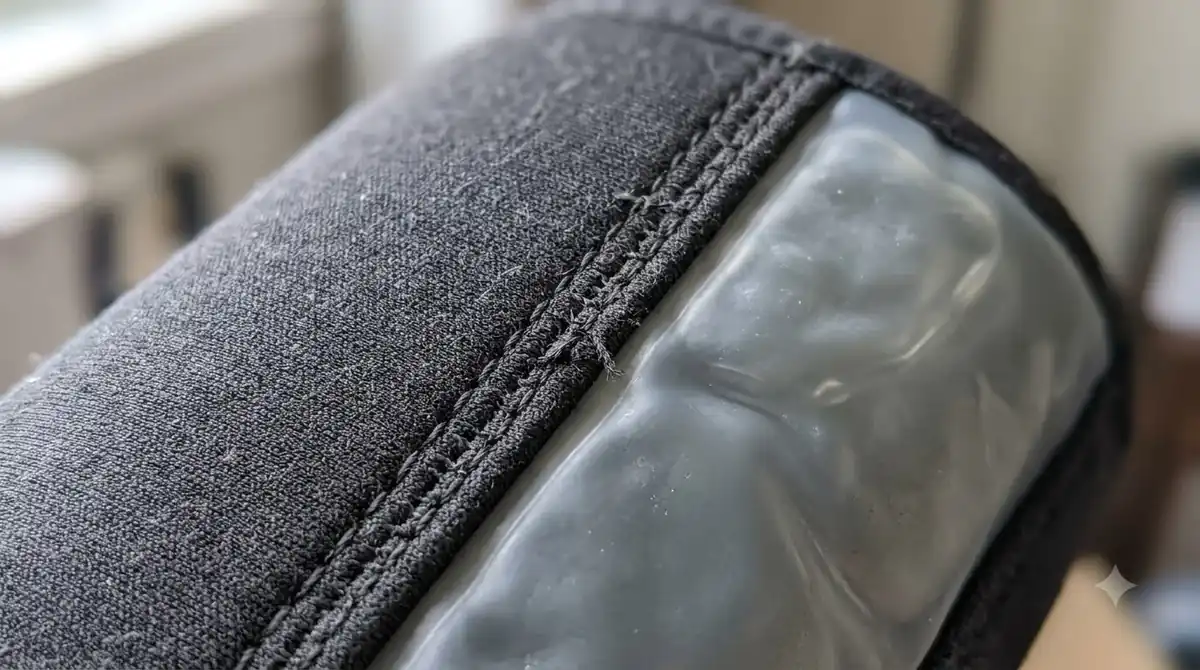
Red wine is served a little cooler than room temperature. Wine Folly’s serving guide gives 55–60°F (12–15°C) for light and medium-bodied reds and 60–68°F (15–20°C) for bold reds. A double-wall glass slows the rise in temperature that happens when a warm hand holds the bowl. That matters most for lighter reds served in a warm room, where the wine can drift above its ideal range within a few minutes.
Why it stands out: the insulation keeps a light red closer to its intended serving range, and it reduces the warming effect of a hand on the bowl.
Keep in mind: bold reds are served closer to room temperature, so a very cool glass may suppress aroma. Match the glass to the wine rather than chilling everything.
Best for: lighter reds served in warm rooms or outdoors, where the glass helps the wine stay where it should be.

- Material
- Borosilicate glass
- Capacity
- 10 oz
- Set Size
- 4 glasses
- Care
- Hand wash only
Reds that should stay cool in the glass benefit from a double wall that suspends the wine in an inner chamber to preserve its serving temperature. This set of four borosilicate glasses holds 10 oz each, with four mouth-blown dimples that give a natural grip. They look like conventional glassware, and are described as stronger than common glass plus microwave and freezer safe.
Pros & ConsView
- Double wall holds the wine's serving temperature
- Mouth-blown dimples give a natural grip
- Borosilicate glass is microwave and freezer safe
- Hand wash only
- No lids, so no spill protection
Best for Sparkling Wine and Toasts
An insulated flute keeps chilled sparkling wine cooler for longer than a single-wall glass, which helps bubbles stay lively through a toast or a long reception. The tall, narrow bowl also keeps the wine’s surface area small, which slows the loss of carbonation. Wine Folly notes that sparkling and light-bodied whites are best served very cold, which is where insulation has a clear benefit.
Why it stands out: the glass holds the cold longer, and the narrow shape keeps the bubbles visible.
Keep in mind: narrow double-wall flutes are harder to clean, so a bottle brush and a warm rinse work better than a sponge.
Best for: celebrations, outdoor toasts, and any occasion where sparkling wine sits out for a while.

- Material
- 18/8 stainless steel
- Capacity
- 12 oz
- Set Size
- 4 tumblers with lids
- Hold Time
- Cold 9 hrs, hot 3 hrs
A four-pack is handy for toasts, since everyone at the table gets a matching tumbler. These 12 oz stainless steel glasses use double-wall vacuum insulation, which the maker says keeps drinks cold up to 9 hours or hot up to 3 hours. Each has a BPA-free, gasket-sealed lid for splash resistance. The multi-color finish looks festive, though the steel body suits casual celebrations better than formal flutes.
Pros & ConsView
- Four tumblers cover a small toasting group
- Keeps drinks cold up to 9 hours
- Gasket-sealed BPA-free lids resist splashes
- Hand wash only
- Steel body is not a traditional flute shape
Best for Easy Handling and Everyday Use
A stemless double-wall tumbler is the simplest insulated option. It is short, wide, and sits steadily on a table or in a cooler bag. VinePair’s wine glass guide describes stemless designs as more versatile and less fragile than stemmed glasses, and that holds for insulated versions too, since the body does the work without a stem to break.
Why it stands out: it is easy to grip, hard to tip, and suits casual evenings and travel.
Keep in mind: the wide bowl exposes more of the wine to air, and the hand warms the body more directly than a stem would allow. Pour smaller amounts if you want the wine to stay cold.
Best for: people who want one durable glass for everyday use and simple cleaning.

- Material
- 18/8 recycled stainless steel
- Capacity
- 11 fl oz
- Lid
- Press-fit slider lid
- Care
- Dishwasher safe, BPA-free
A polished cream gloss finish gives this tumbler a tidier look for guests on a deck or a boat dock. Double-wall vacuum insulation keeps wine crisp and cool, and the press-fit slider lid blocks spills. The tumblers stack for packing, and a soft silicone base cushions landings, which keeps the table quiet. Cleanup is easy because it is dishwasher safe.
Pros & ConsView
- Stackable design packs easily for trips
- Silicone base cushions and quiets landings
- Dishwasher safe and BPA-free
- No stem option, so it is a tumbler only
- 11 oz holds a smaller pour
How to Choose Insulated Wine Glasses
Start with where you will use the glass and which wine you pour most often. A sealed double wall is the core feature, and the rest of the choice depends on the setting. The points below cover the details that affect daily use. Our wine glasses category lists current options grouped by style and material.
- Sealed double wall: confirm the gap is closed at the rim so no moisture gets in.
- Stem or stemless: a stem keeps the bowl away from the hand; stemless is more durable and easier to carry.
- Rim comfort: a rounded lip feels better than a sharp edge, especially for long sipping.
- Base stability: a wide foot resists tipping on grass or uneven tables.
- Cleaning: check that the design is dishwasher safe if you plan to use it often.
- Capacity: a standard wine glass is about 125 mL for a sixth of a bottle, while restaurant pours are often larger.
Frequently Asked Questions
How well do insulated wine glasses keep wine cold?
A double-wall glass slows heat transfer from the room and from your hand, so the wine stays cool for longer than in a single-wall glass. The effect depends on how warm the room is and how much wine you pour, so chill the bottle first for best results.
Do insulated glasses change the taste of wine?
They do not change the wine itself. By keeping the temperature steady, they help the wine show the flavors you expect. A glass that is too cold can mute aroma, so match the temperature to the style of wine.
Can I put insulated wine glasses in the dishwasher?
Some are, but it depends on the maker. Check the care instructions, since high heat and harsh detergents can affect the seal. Hand washing is the safer option for long-term use.
What wine temperature should I aim for in an insulated glass?
Wine Folly’s serving guide suggests about 55–68°F (12–20°C) for reds depending on body, and about 38–55°F (3–12°C) for whites and sparkling wines depending on style. Chill the bottle first, then use the glass to hold that temperature.
An insulated wine glass is most useful outdoors, with chilled white or sparkling wine, and for lighter reds in a warm room. The double wall does the work, and the right shape depends on how you serve. For more on how to hold a glass without warming the wine, read our guide on how to hold a wine glass, and for lighter options, see our red wine glasses roundup.
More in Wine Glasses
 Spiegelau Crystal Wine Glasses That Bring Clarity to Every PourUpdated Nov 21, 2026
 Zalto Crystal Wine Glasses: Are They Worth the Investment?Updated Nov 21, 2026
 Villeroy And Boch White Wine Glasses for a More Cohesive TableUpdated Nov 21, 2026
 Zalto Wine Glasses On Sale: Find the Right Denk’Art GlassUpdated Nov 21, 2026
 Zwiesel Glas Champagne Glasses: Features, Quality and Buying AdviceUpdated Nov 21, 2026
 Zwiesel Glas Decanter Review: A Durable, Elegant Choice for Wine ServiceUpdated Nov 21, 2026