

We may earn a commission when you buy through links on this page, at no extra cost to you. Learn more.
This whispering angel wine review finds that Whispering Angel is a polished, dry Provence rosé with fresh red-fruit character, gentle acidity, a rounded texture, and a smooth finish. Made by Château d’Esclans in southern France, it combines Grenache, Cinsault, Rolle (Vermentino), and Syrah in a pale-colored style designed for easy drinking. It is particularly appealing to people who enjoy refreshing, food-friendly rosé rather than sweet pink wine. Its main selling points are its consistent style, approachable flavor profile, and versatility at the table.
Whispering Angel has become one of the recognizable names in premium Provence rosé. Its pale appearance and elegant presentation attract attention, but the more important buying questions concern its dryness, flavor, texture, and suitability for different occasions. Understanding those characteristics makes it easier to decide whether this bottle belongs at a summer gathering, dinner party, seafood meal, or casual evening at home.
Who This Is For
Whispering Angel is best suited to drinkers who prefer dry, refreshing rosé with a little more texture than a very light summer wine. Its combination of fruit, freshness, and a rounded palate makes it a flexible choice for entertaining and everyday meals.
The wine comes from Château d’Esclans in Provence, a French region particularly associated with pale, dry rosé. Its style emphasizes freshness and balance rather than pronounced sweetness, heavy oak, or powerful tannins. The result is a wine that can appeal to someone moving from crisp white wine toward rosé, as well as an experienced drinker looking for an approachable bottle to serve with food.
One important distinction is that Whispering Angel is not a dessert-style rosé. Although its fruit aromas can suggest strawberries, redcurrants, or ripe peaches, those impressions do not mean the wine tastes sugary. The producer explicitly describes its profile as bone dry, with a full, lush texture and smooth finish. That combination is particularly useful for shoppers who enjoy fruity aromas but prefer a dry finish.
It also makes sense for hosts who want one bottle to accompany several different dishes. Shellfish, light pasta, chicken, and pork are among the food matches listed in Enotria’s product information for the 2024 wine. Rather than choosing a separate wine for every course, a chilled bottle can cover several lighter dishes at the same meal.
However, shoppers who specifically want sweet rosé should look elsewhere. People who prefer intense oak, powerful red-wine tannins, or concentrated dark-fruit flavors may also find Whispering Angel relatively restrained. Its appeal lies in refinement and drinkability, not maximum intensity.
For readers comparing different expressions of the label, the dedicated Whispering Angel rosé overview provides another useful starting point. The broader Wine Brands collection can also help put the producer into context alongside other wine names.
Key Factors to Compare
The most useful buying criteria are sweetness, grape composition, alcohol, acidity, body, and production method. These characteristics explain why Whispering Angel tastes different from sweeter rosé wines and why it works particularly well with certain foods.
Its defining characteristic is the relationship between a dry finish and a rounded mouthfeel. The wine can feel relatively generous without tasting sweet, while fresh fruit and acidity keep it from becoming heavy. Looking beyond bottle color and branding gives a much clearer picture of what is inside.
| Buying factor | Whispering Angel information | What it means |
|---|---|---|
| Wine style | Dry Provence rosé | Refreshing rather than sugary |
| Country | France | French Mediterranean wine style |
| Region | Provence | Known for pale rosé wines |
| Grape varieties | Grenache, Cinsault, Rolle, Syrah | Fruit, freshness, and structure |
| Alcohol | 13% ABV | A moderately full alcohol presence |
| Serving temperature | 8–12°C | Approximately 46–54°F |
| Fermentation | Temperature-controlled stainless steel | Preserves a fresh fruit profile |
| Producer’s aging potential | 1–2 years | Generally intended for relatively early enjoyment |
| 2024 residual sugar | 0.2 g/L | Very dry measured profile |
| Standard bottle size | 750 ml | Approximately five 5-ounce servings |
These figures come from Château d’Esclans’ producer information and Enotria’s 2024 product specification. The residual sugar and grape percentages are vintage-specific information, rather than universal figures that should automatically be applied to every bottle. For the 2024 listing, Enotria identifies Grenache at 58%, indigenous varieties at 22%, and Cinsault at 20%. The producer’s broader description also identifies Rolle and Syrah among the varieties used.
Sweetness is particularly important because many shoppers mistake fruity aromas for residual sugar. Redcurrant, strawberry, and peach impressions can make a wine seem sweet in the glass even when its actual sugar content is very low. Whispering Angel’s 2024 residual sugar figure of 0.2 g/L supports its classification as a distinctly dry wine.
Acidity is another useful comparison point. A rosé needs enough freshness to balance its fruit and texture, especially when served alongside food. The 2024 Enotria listing gives a total acidity of 8 g/L expressed as tartaric acid, while its pH is listed at 3.39. These measurements help explain the wine’s refreshing character, although they do not independently determine how every drinker will perceive its acidity.
The alcohol figure deserves attention too. At 13% ABV, Whispering Angel is not an especially low-alcohol wine. Its fresh presentation may make it feel light and easy to drink, but its alcohol content remains important when choosing serving sizes and planning a meal.
For another perspective on its style, Château d’Esclans’ official Whispering Angel description explains the producer’s grape varieties, production approach, serving recommendation, and intended flavor profile.
Step-by-Step: How to Choose a Bottle
Choosing Whispering Angel is straightforward once the intended occasion, vintage, bottle size, and preferred drinking style are clear. A few practical checks help avoid buying the wrong wine or serving it in a way that hides its freshness.
-
Decide whether you actually want dry rosé.
Start with the sweetness question. Whispering Angel is bone dry, not a sweet strawberry-style wine. If the intended drinker prefers crisp white wine, dry rosé, or light Mediterranean wines, its profile is likely to be a good match. Someone who regularly chooses Moscato or sweet blush wine may prefer a sweeter alternative.
-
Identify the intended occasion.
For a picnic, outdoor lunch, or casual gathering, its refreshing style makes sense. For a seafood dinner, shellfish, grilled fish, or light pasta, it can function as a versatile table wine. For a formal occasion, the recognizable label and pale presentation also make it a suitable hosting choice.
-
Compare the vintage information.
Do not assume that every vintage has an identical blend or exactly the same tasting profile. The 2024 Enotria listing, for example, specifies 58% Grenache, 22% indigenous grapes, and 20% Cinsault. The producer’s general description also includes Rolle and Syrah. Vintage-specific composition is more useful than assuming a permanent recipe.
-
Check bottle size and serving requirements.
A standard 750 ml bottle provides approximately five servings when poured in 5-ounce glasses. For four guests, one bottle provides a little more than one glass per person; for eight guests, two bottles provide a more practical quantity if everyone wants a full serving.
-
Choose an appropriate retailer.
Purchase from a reputable wine merchant that stores its bottles properly. Rosé should not be exposed to prolonged heat or direct sunlight, since poor storage can compromise freshness. A bottle that has been kept in a consistently cool environment is preferable to one displayed under strong lighting or near a warm window.
-
Plan the serving temperature.
Château d’Esclans recommends 8–12°C, or approximately 46–54°F. Refrigerate the bottle before serving and avoid pouring it straight from an excessively cold freezer. The objective is to retain freshness while allowing the wine’s aromas and texture to remain noticeable.
-
Consider the food before opening it.
Choose a meal that supports dry fruit flavors and acidity. Shellfish, chicken with a cream sauce, light pasta, pork, and veal are specifically listed in Enotria’s food recommendations for its 2024 listing. This gives the bottle a practical role beyond simply serving it as an aperitif.
The final decision should be based on drinking preferences rather than popularity alone. Whispering Angel is recognizable, but its value depends on whether the recipient actually enjoys pale, dry, fruit-driven Provence rosé. A well-chosen bottle is one that suits the people and food around the table.
Tip: Chill Whispering Angel in the refrigerator before serving and aim for approximately 50°F. If the bottle becomes too cold, allow it a few minutes in the glass so its red-fruit, floral, and herbal aromas become easier to appreciate.
Types and Styles Explained
Understanding the grape blend and winemaking choices helps explain Whispering Angel’s particular style. It is a Provence rosé built around freshness, subtle fruit, and a rounded texture rather than a heavy, dark, or sweet expression.
Grenache is an important component of the wine. In rosé blends, it contributes ripe red-fruit character and a generous impression on the palate. Its presence helps provide the approachable fruit profile that makes the wine suitable for drinking without a complicated food pairing.
Cinsault contributes another dimension to the blend. It is widely used in southern French rosé production and is associated with fresh, delicate fruit character. Its inclusion helps maintain a lighter overall impression and complements Grenache’s broader fruit profile.
Rolle, also known as Vermentino, contributes freshness and aromatic detail. It is an important white grape in Mediterranean wine production and can provide citrus and herbal impressions. Syrah is also identified in the producer’s variety list, adding another potential element of structure and fruit character to the blend.
These grapes do not necessarily appear in identical proportions in every vintage. The 2024 Enotria specification is particularly useful because it provides actual proportions for that listed wine rather than relying on a generalized description. It gives Grenache 58%, indigenous grapes 22%, and Cinsault 20%.
Why the pale color matters
The pale pink appearance is characteristic of the Provence rosé style, but color alone does not tell shoppers whether a wine is sweet, dry, light, or complex. Rosé color is influenced by grape varieties and the amount of contact between grape skins and juice during production.
In the case of Whispering Angel, the producer emphasizes careful processing and freshness. Its description explains that the grapes are harvested at night, optically sorted, and handled through controlled processing before fermentation. These choices form part of the production approach behind its delicate presentation.
Why stainless steel matters
Château d’Esclans identifies temperature-controlled stainless-steel fermentation as a central part of Whispering Angel production. Stainless steel does not introduce the vanilla, toast, or spice impressions associated with new oak barrels. This allows fruit, acidity, and the character of the grape blend to remain prominent.
The producer also describes bâtonnage twice weekly. This technique involves stirring the lees, the yeast deposits remaining after fermentation. Lees contact can contribute texture and a rounded impression, helping explain why Whispering Angel can feel fuller than some extremely light rosés without becoming heavy or obviously oaky.
Decanter’s profile provides additional context for the broader Château d’Esclans range. It identifies Rock Angel, Garrus, Les Clans, and The Palm alongside Whispering Angel. The publication describes Rock Angel as the more intense and nuanced option, which is useful for shoppers who want a more substantial Provence rosé.
Readers interested in exploring other expressions can also consult the dedicated Whispering Angel wine information and the separate Whispering Angel white wine overview to distinguish the product names and styles before purchasing.
Common Mistakes When Buying and Drinking Whispering Angel
The most common mistakes involve confusing fruitiness with sweetness, serving the wine too cold, expecting a powerful red-wine profile, or pairing it with food that overwhelms its delicate character. Avoiding these errors makes the bottle more enjoyable and helps set realistic expectations.
The first mistake is assuming that a pink wine must be sweet. Whispering Angel is specifically described by its producer as bone dry. Its fruit aromas and rounded mouthfeel can give an impression of richness, but the 2024 residual sugar specification of 0.2 g/L makes clear that it is not a sugary rosé.
A second mistake is expecting every vintage to taste exactly the same. Wine is an agricultural product, and vintage conditions influence grape ripeness, acidity, and the eventual blend. Even when a producer maintains a recognizable house style, small changes in the proportions of Grenache, Cinsault, Rolle, and Syrah can affect the finished wine.
Another mistake is treating pale color as evidence of poor concentration. Color intensity and flavor intensity are not interchangeable. A pale rosé can still have a rounded texture and a meaningful aromatic profile. Whispering Angel’s producer explicitly describes its taste as full and lush despite its delicate appearance.
Overchilling is also counterproductive. Very cold wine can suppress aromatic expression and make the palate seem less expressive. The producer’s recommended range is 8–12°C, so keeping the bottle within that range is more useful than serving it nearly frozen.
Food pairing deserves similar attention. Although the wine is flexible, it is not a universal match for every dish. Highly tannic red wine is generally a better match for some richer red-meat preparations, while delicate rosé can become less noticeable beside heavily smoked, intensely spiced, or very hot food.
Chili heat deserves particular care. Alcohol can amplify the perception of heat, so a 13% ABV wine may seem more warming alongside aggressively spicy dishes. For heavily seasoned food, milder seasoning, fresh herbs, or creamy accompaniments can help the wine remain part of the meal rather than disappearing behind the flavors.
Finally, avoid purchasing solely because of the bottle’s recognizable name. A wine’s reputation does not automatically make it the right choice for every palate. Someone who prefers sweet rosé, strong oak, or intensely aromatic wines may find another style more satisfying. The best buying decision begins with the actual flavor profile rather than the label.
Care and Storage Tips
Whispering Angel is intended for relatively early enjoyment, so careful storage and correct serving conditions matter more than long-term cellaring. The producer lists an aging potential of 1–2 years and recommends serving the wine at 8–12°C.
Before opening, keep the bottle in a cool, dark location away from sunlight, kitchen heat, and significant temperature changes. A consistent storage environment helps protect the wine’s fresh fruit character. For longer-term bottle storage, a temperature near 55°F is a useful general target for wine, although Whispering Angel is not primarily intended as a long-term cellar purchase.
For bottles with natural cork closures, horizontal storage helps keep the cork in contact with the wine during extended storage. Avoid leaving rosé bottles upright for months in a warm room, particularly near windows or appliances that generate heat.
Serving temperature is one of the easiest ways to improve the drinking experience. Château d’Esclans recommends 8–12°C. In Fahrenheit, this is approximately 46–54°F. A refrigerator is generally a convenient way to chill the wine before dinner, while a bucket containing ice and water can help maintain its temperature during a meal.
Use ordinary wine glasses with enough room to swirl the wine gently. A 5-ounce pour is a sensible serving size and allows the wine to be enjoyed without filling the glass to its rim. A standard 750 ml bottle provides about five such servings.
After opening
Once opened, recork the bottle or use a suitable wine stopper and return it to the refrigerator. A practical general guideline for opened still wine is approximately 3–5 days, although freshness gradually declines and rosé is usually most enjoyable soon after opening.
Keep the bottle upright in the refrigerator once it has been opened to reduce the surface area exposed to oxygen. Before serving another glass, allow the wine to warm slightly if it has become colder than the recommended range.
Do not leave an opened bottle on a dining table overnight. Exposure to oxygen and warmer room temperatures can gradually reduce its freshness and aromatic character. If the wine develops noticeably dull fruit, an unpleasant oxidized aroma, or an unappealing taste, it is no longer showing its intended profile.
There is little reason to keep a newly purchased bottle for many years. The producer’s stated aging potential of 1–2 years indicates that freshness is central to the intended experience. For most buyers, purchasing a bottle for relatively near-term enjoyment makes more sense than treating it like a collectible red wine.
Frequently Asked Questions
Is Whispering Angel a Champagne or sparkling wine?
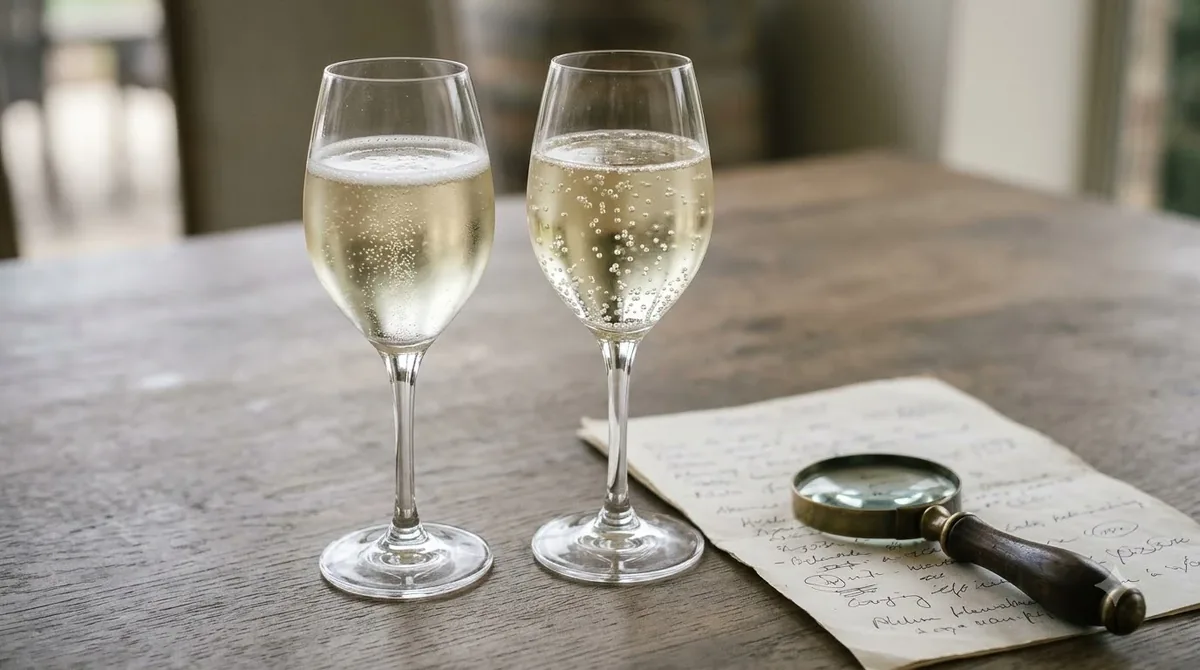
No. Whispering Angel is a still rosé wine from Provence, France. It is not made as Champagne or another sparkling wine, so it does not have the bubbles associated with traditional-method or tank-method sparkling wines.
Does Whispering Angel contain sulfites?
Enotria’s 2024 product information identifies sulphur as an allergen. Sulfur dioxide and related sulfites are commonly associated with wine production and preservation. People who need detailed ingredient or allergen information should consult the relevant bottle and producer information for the particular vintage.
Is Whispering Angel suitable for a vegetarian or vegan diet?
Wine suitability can depend on the fining materials used during production, not simply the grape varieties. A wine can be made from plant-based ingredients but still involve animal-derived processing aids. Buyers following strict vegan or vegetarian requirements should seek confirmation for the specific vintage from the producer or retailer.
Can Whispering Angel be served in a regular white wine glass?
Yes. A standard white wine glass is suitable for Whispering Angel and provides enough space to appreciate its aromas. A glass with a slightly narrower opening can also help concentrate its delicate floral and fruit characteristics.
What is the difference between Whispering Angel and Rock Angel?
Both are associated with Château d’Esclans, but they are not identical expressions. Decanter describes Rock Angel as the bigger, more intense, and more nuanced rosé, while Whispering Angel is the more approachable reference point. The choice depends on whether the drinker prefers a lighter, more immediately accessible style or greater intensity and structure.
Whispering Angel is a strong option for anyone seeking a dry, polished Provence rosé with refreshing fruit, a rounded texture, and broad food-pairing potential. Its 13% alcohol content, low residual sugar in the 2024 specification, and stainless-steel production help explain its distinctive balance. Choose it for dry-rosé occasions, serve it properly chilled, and enjoy it while its freshness is at its best.
More in Wine Brands
 Louis Latour Wine Price: Compare Bottles by Style and TierUpdated Nov 20, 2026
 Yellow Tail Moscato Price: What to Expect Before You BuyUpdated Nov 20, 2026
 Sutter Home Sweet Red Review: Find the Right Food PairingsUpdated Nov 20, 2026
 Franzia Chillable Red Review: Find the Right Serving StyleUpdated Nov 20, 2026
 Veuve Clicquot Rose Review: Flavor, Food Pairings and Buying AdviceUpdated Nov 20, 2026
 Rombauer Wine Price: Compare Bottles Before You BuyUpdated Nov 20, 2026