

We may earn a commission when you buy through links on this page, at no extra cost to you. Learn more.
The josh rose price typically falls around $10 to $18 for a standard 750 ml bottle in the United States, depending on the retailer, location, and availability. Josh Cellars Rosé is an approachable California wine with strawberry, white peach, and citrus flavors. It offers a light-bodied, refreshing style suited to casual meals, outdoor gatherings, and everyday occasions. Comparing local retailers before purchasing can help you understand whether a particular bottle represents reasonable value.
Josh Cellars Rosé occupies an accessible part of the California rosé market, appealing to shoppers who want recognizable fruit flavors without choosing a particularly expensive bottle. Its combination of strawberry aromas, citrus freshness, and moderate alcohol makes it versatile enough for several occasions. However, the amount you pay is only one part of the buying decision. Bottle size, vintage, retailer pricing, storage conditions, and your preferred sweetness level all influence whether this wine is a suitable purchase.
Who This Wine Is For
Josh Cellars Rosé is particularly suitable for shoppers looking for a light-bodied California rosé with familiar fruit flavors and a refreshing finish. Its 12.5% ABV and standard 750 ml format make it a straightforward option for casual entertaining and ordinary meals.
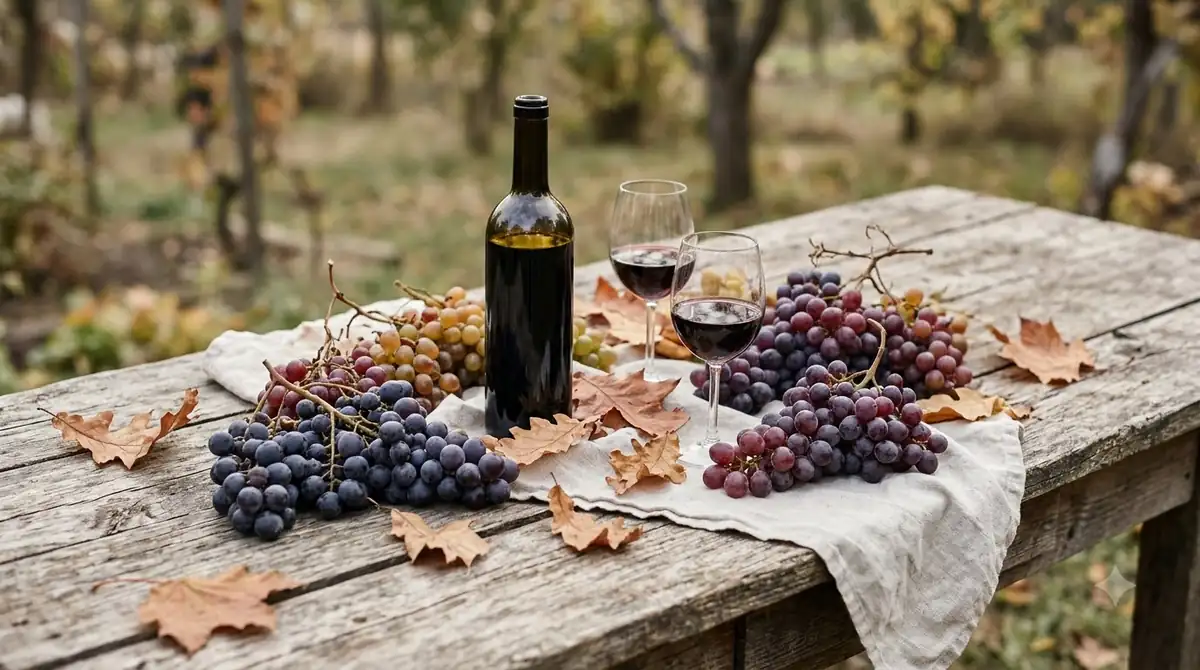
The wine is a reasonable choice for someone who enjoys strawberries, white peach, citrus, and delicate floral aromas. Josh Cellars describes its Rosé as crisp and refreshing, with fresh strawberries, white flowers, and stone fruits on the nose. On the palate, the producer highlights citrus, white peach, and strawberry flavors. H-E-B additionally describes raspberry notes, a soft texture, and a juicy finish. These characteristics make the wine approachable for drinkers who prefer fruit-forward whites and rosés rather than heavy reds.
It can also suit people who want one bottle that works across different types of food. The producer recommends grilled shrimp, ceviche, and fresh summer berries. These suggestions reflect the wine’s lighter structure and refreshing fruit character. It can also accompany simple seafood dishes, vegetable salads, and lightly seasoned chicken without overwhelming the food.
Budget-conscious shoppers should consider the wine’s everyday positioning rather than expecting the complexity of a premium, age-worthy rosé. Its appeal is convenience, familiar flavors, and versatility. Someone planning a casual lunch, picnic, or small gathering may find these qualities more useful than elaborate winemaking techniques or extensive aging potential.
However, this is not necessarily the right purchase for every rosé drinker. People who prefer extremely mineral-driven Provence wines, particularly delicate sparkling rosés, or intensely structured wines may want a different style. Similarly, shoppers who prefer noticeably sweet pink wines should distinguish fruity aromas from actual residual sugar before deciding.
Shoppers who want an overview of the wine itself can also explore this Josh Cellars Rosé overview before comparing bottles and retailers.
Key Factors to Compare Before Buying
Before comparing retailers, establish what constitutes a comparable bottle. Josh Cellars Rosé is generally sold in a 750 ml format with approximately 12.5% alcohol, so comparing the same size and product makes price differences easier to understand.
The following details provide a practical starting point for evaluating the wine and its value.
| Buying factor | Typical detail | Why it matters |
|---|---|---|
| Wine category | California rosé | Identifies the general style and origin |
| Standard bottle | 750 ml | Allows consistent price comparisons |
| Alcohol content | 12.5% ABV | Helps establish the wine’s strength |
| Serving temperature | 45–50°F | Preserves freshness and fruit character |
| Typical serving | 5 oz | Provides a consistent pouring reference |
| Approximate servings | 5 glasses per bottle | Helps estimate quantities for gatherings |
| Primary fruit notes | Strawberry, peach, citrus | Indicates the expected flavor profile |
| Storage after opening | 3–5 days refrigerated | Helps reduce unnecessary waste |
The standard bottle size is especially important when comparing prices. A retailer may offer the same wine in a different format or display a unit price that makes a larger container appear cheaper. For a consistent comparison, calculate the cost per 750 ml rather than comparing shelf prices alone.
Alcohol content is another useful specification. H-E-B and Wine Enthusiast both identify 12.5% ABV for the wine, making that a reasonable reference when comparing listings. A retailer might display slightly different descriptive information or a different vintage, so the specific product listing matters. For a more detailed breakdown, see the Josh Cellars Rosé alcohol content guide.
Vintage also deserves attention. Rosé is generally appreciated for freshness, and different bottlings can have slightly different fruit characteristics. Wine Enthusiast’s reviews of the 2023 and 2024 Josh Cellars Rosé illustrate this point: the earlier review describes raspberry, papaya, and white nectarine characteristics, while the later review emphasizes peach, nectarine, strawberry, citrus blossom, and dried sage.
These differences do not automatically mean that one vintage is better for every buyer. They show why tasting descriptions should be interpreted in relation to the particular bottling being sold. A retailer’s generic description may cover multiple vintages rather than a single specific production year.
Understanding the retail price range
For a practical US shopping benchmark, expect approximately $10 to $18 for a 750 ml bottle. H-E-B lists the wine at $10.96, while Target has displayed listings around $10.99 to $12.99; WinesRate reports California retailer listings between $14.99 and $17.99. These examples support a broad retail range rather than a universal national price, and prices vary by state and retailer.
Location can make a noticeable difference. A supermarket with a substantial wine department may price the bottle differently from an independent wine shop. State alcohol regulations, local taxes, distribution arrangements, and retailer operating costs can also affect the final amount.
For shoppers comparing several stores, the important question is whether the difference is meaningful enough to justify traveling to another location. A modest price difference may not matter if the less expensive retailer is inconvenient or does not have the preferred bottle available.
Step-by-Step: How to Find the Right Bottle
A sensible buying process starts with a realistic budget and ends with checking the specific bottle you intend to purchase. Following a few straightforward steps can prevent confusion between similarly named wines and inconsistent retailer listings.
-
Establish your budget.
Begin with a working range of approximately $10 to $18 for a standard 750 ml bottle. This gives you a useful comparison point without assuming that every retailer offers the same price. If you are buying several bottles for a gathering, multiply the expected bottle cost by the number required before deciding how much to spend.
-
Confirm the wine name.
Look for Josh Cellars Rosé rather than another wine from the Josh Cellars portfolio. The producer offers multiple wine styles, including Sauvignon Blanc, Chardonnay, Merlot, and Cabernet Sauvignon. A similar label or shared brand name does not mean that the wine has the same characteristics.
-
Compare bottle sizes.
Use 750 ml as the standard comparison format. This bottle contains approximately five traditional 5 oz servings. If a retailer lists a different volume, calculate its equivalent 750 ml cost before deciding that it offers better value.
-
Review the vintage information.
Rosé tasting profiles can vary between vintages. Wine Enthusiast’s reviews of the 2023 and 2024 bottlings demonstrate differences in their reported aromatic and palate descriptions. If you prefer a particular fruit profile, use vintage-specific tasting information rather than assuming every bottle tastes exactly alike.
-
Check the retailer’s product information.
Compare the listed ABV, bottle size, and California origin. A typical listing identifies 12.5% alcohol and a 750 ml bottle. Make sure the retailer’s listing refers to the same rosé rather than another Josh Cellars wine.
-
Choose a convenient retailer.
Compare supermarkets, independent wine shops, and available online listings. Availability and shipping rules differ by state, and a retailer’s displayed price may not include every applicable charge. The producer’s website provides a store locator to help customers locate its wines.
-
Inspect the bottle before serving.
Look for signs of leakage, a damaged closure, or unusual storage conditions. Choose a bottle that has been stored away from excessive heat and direct sunlight. Once purchased, refrigerate it before serving to preserve the refreshing style.
Following these steps is particularly useful when buying Josh Cellars Rosé for an event. For example, a gathering of ten people may require two standard bottles if each person receives one 5 oz glass. If guests are likely to have additional servings, plan accordingly rather than relying on the approximate five-glass capacity of each bottle.
Tip: Compare the same 750 ml Josh Cellars Rosé across at least two local retailers. Confirm the product identity and vintage before treating a difference in displayed prices as a genuine saving.
Types and Styles Explained
Understanding the broader rosé category helps clarify what Josh Cellars offers. Rosé is a wine style rather than a single grape variety, and its color, body, acidity, and flavor depend on the grapes and winemaking decisions involved.
Josh Cellars describes its rosé as light-bodied and refreshing, with citrus, white peach, and strawberry characteristics. This makes it a fruit-forward California example rather than a wine marketed primarily around extended bottle aging or powerful structure.
California fruit-forward rosé
California rosé can encompass numerous grape varieties and production approaches. Josh Cellars identifies its Rosé as a blend of grapes sourced from distinct California vineyards. Its published flavor profile includes strawberries, white peach, citrus, and floral aromas.
This combination is useful for drinkers who want recognizable fruit character. It can work as an aperitif or accompany dishes such as grilled shrimp, ceviche, and summer salads. The wine’s light body also makes it easier to serve alongside a range of casual foods than a heavily extracted red wine.
Dry versus sweet rosé
Fruit-forward does not automatically mean sweet. Strawberries, peaches, and citrus can create an impression of ripe fruit even when a wine finishes dry. Wine Enthusiast’s review of the 2023 Josh Cellars Rosé describes a dry mineral finish, providing useful context for buyers who prefer a less sweet style.
Shoppers who prefer sweetness should distinguish between perceived fruitiness and residual sugar. A wine with prominent strawberry aromas can still taste relatively dry. If a distinctly sweet rosé is the goal, a wine explicitly described as sweet or off-dry may be a closer match.
How Josh Cellars compares with Provence-style rosé
Provence rosé is often associated with delicate fruit, fresh acidity, and mineral characteristics. Josh Cellars shares the refreshing character expected from many rosés, but its published tasting descriptions emphasize strawberries, white peach, and citrus.
That difference matters when choosing a bottle for a particular preference. Someone looking for prominent fruit flavors may appreciate Josh Cellars, while a drinker seeking a particularly restrained, mineral-driven profile may prefer exploring wines from Côtes de Provence.
Other rosé styles worth understanding
Rosé also appears in sparkling forms, including sparkling wines made through traditional bottle fermentation and other production methods. These wines can offer bubbles and a different texture from a still California rosé.
Josh Cellars Rosé is presented as a still wine, not a sparkling rosé. Therefore, shoppers should not expect the carbonation or celebratory character associated with sparkling wines. If bubbles are essential, a separate sparkling rosé is a more appropriate choice.
For shoppers exploring the wider category, the Wine Brands section offers a useful starting point for comparing producers and understanding the different wine categories available.
For additional product-specific details, the official Josh Cellars Rosé product page provides the producer’s tasting notes, food-pairing suggestions, and store-locator information.
Common Buying Mistakes
Several purchasing mistakes can make an otherwise straightforward wine purchase confusing. The most common problems involve comparing unrelated products, misunderstanding tasting terminology, and assuming that a single displayed price represents the entire market.
Confusing the brand with the specific wine
Josh Cellars produces several wine styles, so the brand name alone is not enough to identify a product. Rosé, Chardonnay, Sauvignon Blanc, and Cabernet Sauvignon have different flavor profiles and intended uses.
Make sure the listing identifies Rosé specifically. This is especially important when using retailer search results, which may show multiple products from the same producer in a single results page.
Assuming fruit-forward means sugary
One frequent misunderstanding is equating strawberry and peach flavors with sweetness. Aromas and flavor impressions do not establish the actual residual sugar level.
Josh Cellars emphasizes fresh fruit and citrus, while Wine Enthusiast’s 2023 review describes a dry finish. Buyers who strongly prefer sweet wine should avoid making a decision based only on fruit-related tasting notes.
Comparing different bottle sizes
A 750 ml bottle and a larger-format container should not be compared by shelf price alone. The larger container might have a higher total cost but a lower equivalent cost per milliliter.
Use the same bottle size whenever possible. This simple approach prevents misleading comparisons and makes it easier to evaluate retailer differences.
Expecting every vintage to taste identical
Wine is an agricultural product, and differences between vintages can affect aroma, flavor, and overall balance. Reviews of the 2023 and 2024 Josh Cellars Rosé describe different combinations of fruit, citrus, and aromatic characteristics.
A previous review can provide useful background, but it should not be treated as a guarantee that a newer bottling will taste exactly the same. This is particularly important for buyers who are selecting a wine based on a specific tasting description.
Ignoring storage conditions
Even a reasonably priced wine can disappoint if it has been stored in excessive heat or direct sunlight. Rosé depends on freshness, so poor storage can reduce its appealing fruit character.
A bottle that has been kept in a cool, stable environment is preferable to one that has spent extended periods in a hot display area or near a sunny window.
Another common mistake is buying a bottle for a food pairing without considering seasoning. Light rosé can work well with seafood, but strongly acidic sauces, very spicy dishes, and heavily flavored ingredients may change how the wine tastes. A simple preparation often allows the fruit and refreshing character to remain more noticeable.
Care, Serving, and Storage Tips
Josh Cellars Rosé is best enjoyed chilled, with a serving temperature of approximately 45–50°F. Proper refrigeration and sensible storage help maintain its fresh fruit flavors and make the bottle more enjoyable after opening.
For serving, place the bottle in a refrigerator for several hours before the meal. If you need to chill it more quickly, an ice bucket containing cold water and ice can help. Avoid leaving the bottle in a freezer for an extended period, since forgotten bottles can freeze and potentially damage their closures.
Temperature affects the wine’s aromatic expression. If served too warm, the alcohol can become more noticeable and the wine may seem less refreshing. If served excessively cold, some of its strawberry, white peach, and floral characteristics can become harder to detect.
A standard 5 oz pour is a practical serving size for a 750 ml bottle. This provides approximately five glasses, making it straightforward to calculate how many bottles are needed for a dinner or gathering. Use appropriately sized white wine glasses rather than very large red wine glasses, as a smaller bowl can help retain the wine’s fresh aromas.
Food pairing and serving ideas
The producer specifically recommends fresh summer berries, grilled shrimp, and ceviche. These combinations make sense because the wine’s citrus and fruit characteristics can complement the delicate flavors of seafood and fresh produce.
Other suitable dishes include a simple green salad, grilled white fish, mild chicken dishes, and soft cheeses. For a summer meal, a plate of grilled shrimp with lemon, fresh herbs, and a light salad provides a natural match.
Acidity is an important consideration when pairing rosé. Highly acidic foods generally need a wine with sufficient acidity to keep the combination balanced. Lemon-heavy seafood dishes, for example, can make a low-acid wine taste flat. Josh Cellars’ citrus-forward description makes fresh seafood an appropriate direction to explore.
For spicy dishes, moderate the chili level rather than assuming a fruit-forward wine will automatically work. Alcohol can amplify the sensation of chili heat. A mildly seasoned shrimp dish is generally a safer pairing than an extremely hot preparation.
Storing an unopened bottle
Store unopened rosé in a cool, dark location away from temperature fluctuations. A storage temperature near 55°F is a useful general target for wine, although short-term refrigerator storage is practical for a bottle intended to be served chilled soon.
Keep bottles away from direct sunlight, heating appliances, and hot kitchen cabinets. Extended exposure to heat can damage fresh aromas and create undesirable flavor changes.
Keeping opened rosé fresh
Once opened, reseal the bottle with its original closure or a suitable wine stopper and place it in the refrigerator. Still wines generally retain acceptable freshness for approximately 3–5 days after opening, although the exact result depends on oxygen exposure and storage conditions.
Try to minimize the amount of air in the bottle and avoid leaving it uncorked on a dining table overnight. If the remaining wine develops noticeably stale aromas, loses its fresh fruit character, or tastes unpleasantly oxidized, its best drinking window has likely passed.
For anyone who regularly drinks only one glass at a time, a smaller bottle or a plan to use the remaining wine within several days can help prevent waste.
Frequently Asked Questions
Is Josh Cellars Rosé made from one grape variety?
No single grape variety is identified as the exclusive grape for this wine in the producer’s product description. H-E-B describes it as a blend sourced from distinct California vineyards. This means shoppers should not automatically assume that every vintage has the same varietal composition.
Does Josh Cellars Rosé need to be decanted?
Generally, no. This light-bodied rosé is intended to be enjoyed fresh rather than opened well in advance for extensive aeration. Opening the bottle shortly before serving is normally sufficient to allow its fruit aromas to develop in the glass.
Can Josh Cellars Rosé be used for a wine spritzer?
Yes. Its fruit-forward profile makes it suitable for a simple spritzer with chilled sparkling water. A starting ratio of three parts rosé to one part sparkling water provides a lighter drink while retaining the wine’s strawberry and citrus character.
Can Josh Cellars Rosé be used in cooking?
Yes. A small amount can be incorporated into seafood sauces, light vegetable preparations, or a marinade for chicken. Avoid reducing it excessively over high heat, which can concentrate acidity and produce a less balanced result.
Does Josh Cellars offer direct shipping for this rosé?
The producer’s website states that direct wine shipping is no longer offered through its website and directs shoppers to its Find Josh Near You service. Availability therefore depends on local retailers and the applicable state distribution rules. Checking the producer’s locator is a practical way to identify nearby stockists.
Josh Cellars Rosé is a practical California option for shoppers who enjoy light-bodied wine with strawberry, white peach, and citrus characteristics. Its typical US retail range of approximately $10 to $18 for a 750 ml bottle makes it accessible for casual meals and everyday entertaining, although local prices vary. Compare the same bottle across retailers, serve it chilled, and choose it for its refreshing fruit-forward style rather than expecting a complex, age-worthy rosé.
More in Wine Brands
 Louis Latour Wine Price: Compare Bottles by Style and TierUpdated Nov 20, 2026
 Yellow Tail Moscato Price: What to Expect Before You BuyUpdated Nov 20, 2026
 Sutter Home Sweet Red Review: Find the Right Food PairingsUpdated Nov 20, 2026
 Franzia Chillable Red Review: Find the Right Serving StyleUpdated Nov 20, 2026
 Veuve Clicquot Rose Review: Flavor, Food Pairings and Buying AdviceUpdated Nov 20, 2026
 Rombauer Wine Price: Compare Bottles Before You BuyUpdated Nov 20, 2026