


We may earn a commission when you buy through links on this page, at no extra cost to you. Learn more.
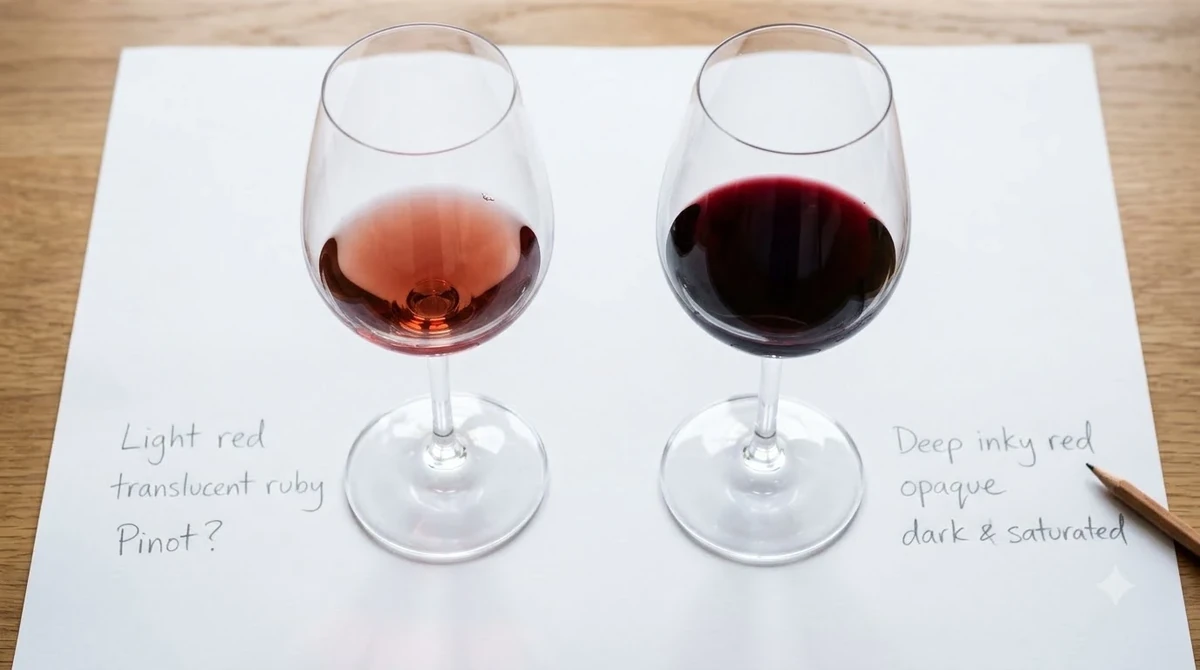
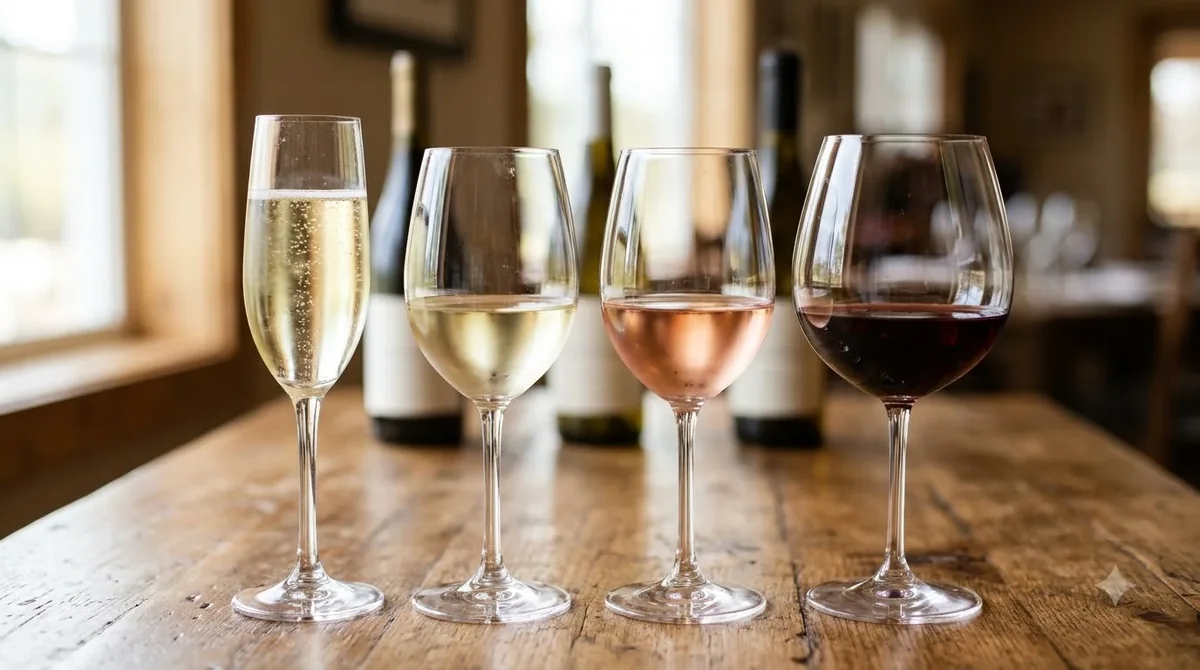
Despite the literal English translation of “green wine,” the actual vinho verde color is never bright green, appearing instead in white, rosé, and red styles. Most bottles exported to the United States are pale straw-yellow whites that occasionally catch a faint greenish glint around the rim of the glass. Across its home region in northwestern Portugal, winemakers also produce crisp pink rosés and deeply pigmented, inky reds.
The confusion around this Portuguese favorite stems entirely from language rather than winemaking chemistry. In Portuguese, calling a wine “verde” refers to its youth, freshness, and early release rather than its pigment in the glass. Once you look past the name, the region offers a distinct spectrum of shades driven by native grape varieties, coastal climates, and cellar choices.
What Is Vinho Verde Color?
Vinho Verde is a protected Portuguese Designation of Origin that spans white, rosé, and red wines, meaning there is no single hue attached to the name. While shoppers in American wine shops overwhelmingly encounter pale white bottlings, the official regional rules cover all three traditional wine colors in both still and sparkling formats.
According to Wine Folly’s guide to wine hues, white Vinho Verde sits within the standard yellow-white wine spectrum, displaying light straw or lemon tones with only a subtle, fleeting green tint. That faint greenish reflection comes from harvesting white grapes early in a cool coastal climate while chlorophyll-adjacent pigments and high natural acidity remain intact. Unlike novelty dyed beverages, authentic bottles never contain artificial coloring.
Beyond white wines, the region produces vibrant pink rosés and remarkably dark red wines that surprise first-time visitors to northern Portugal. Because the name translates directly to “green wine,” casual drinkers often expect an emerald pour or assume the wine is made from unripe fruit. In reality, “verde” signals that the wine is meant to be enjoyed young—typically within one to three years of harvest—while its fruit aromatics and crisp acidity are at their brightest.
Flavor and Styles Across the Color Spectrum
Each color category of Vinho Verde delivers a distinct sensory profile, ranging from zesty, citrus-driven whites to tart, deeply stained reds. Understanding how pigment connects to grape variety and winemaking helps you predict what will land in your glass before you pull the cork.
White Vinho Verde (Vinho Verde Branco) accounts for the vast majority of exports and shows a pale lemon to light straw hue, sometimes paired with tiny dissolved carbon dioxide bubbles that create a gentle spritz. Reviewers at Wine Folly note primary flavors of lemonade, pink grapefruit, lime zest, yellow apple, and white blossom, supported by high acidity and zero tannin. Single-varietal whites made from Alvarinho or Loureiro tend to show a slightly deeper golden-straw color, richer stone-fruit texture, and greater aging potential than entry-level blends.
Rosé Vinho Verde (Vinho Verde Rosado) displays shades ranging from pale salmon to bright watermelon pink, depending on how long the juice stays in contact with red grape skins. Made from native red varieties like Espadeiro, Padeiro, or Touriga Nacional, these rosés deliver crisp red berry notes of strawberry and raspberry backed by refreshing, lemonade-like acidity. According to VinePair’s overview of Vinho Verde, red Vinho Verde (Vinho Verde Tinto) is the outlier of the family: made primarily from the Vinhão grape, it pours an opaque, inky purple-red with medium tannins, high acidity, and tart dark-berry flavors.
| Vinho Verde Style | Visual Appearance in Glass | Primary Grape Varieties | Key Tasting Notes |
|---|---|---|---|
| White (Branco) | Pale straw to light lemon, often with a faint green rim tint | Alvarinho, Loureiro, Arinto, Trajadura, Avesso, Azal | Lime zest, green apple, lemonade, white blossom, crisp minerality |
| Rosé (Rosado) | Pale salmon to bright coral pink | Espadeiro, Padeiro, Touriga Nacional | Wild strawberry, raspberry, tart cherry, zesty citrus |
| Red (Tinto) | Deep, opaque purple-red to inky ruby | Vinhão (Sousão), Borraçal, Amaral, Alvarelhão | Sour blackberry, wild raspberry, rustic earth, brisk acidity |
Where It Grows and How Geography Shapes Hue
All certified Vinho Verde comes from the historic Minho region in northwestern Portugal, where Atlantic Ocean weather systems keep temperatures cool and rainfall abundant. You can explore the broader geography in our guide on where Vinho Verde is from, as local microclimates directly influence grape ripeness and wine color.
The demarcated region is divided into nine official sub-regions: Monção e Melgaço, Lima, Amarante, Ave, Baião, Basto, Cávado, Paiva, and Sousa. Closer to the coast, such as in the Lima Valley, cool ocean breezes preserve high malic acid and yield pale, floral white wines dominated by Loureiro. Further inland, sheltered valleys like Monção e Melgaço experience warmer, sunnier summers that allow Alvarinho grapes to ripen more fully, resulting in wines with a richer straw-gold hue and fuller body.
Southern and inland sub-regions such as Amarante and Paiva provide the extra warmth needed for native red grapes to reach phenolic maturity while retaining signature northern acidity. Here, the teinturier grape Vinhão—which possesses red flesh as well as dark skin—produces red wines so deeply colored they stain both the glass and the teeth. Landscape also plays a role in the region’s nickname: lush green hills, mossy granite walls, and verdant vine canopies give the countryside an emerald appearance year-round.
How to Serve Different Colors of Vinho Verde
Serving temperature and glassware make a noticeable difference in how each style expresses its color, aromatics, and natural crispness. Because high acidity is the common thread across white, rosé, and red bottlings, proper chilling keeps every style balanced and refreshing.
White and rosé Vinho Verde should be served well chilled at 38°F to 45°F (3°C to 7°C), straight from the refrigerator or after twenty minutes in an ice bucket. A standard white wine glass with a slightly tapered bowl concentrates delicate citrus and floral aromas while showcasing the pale straw or pink clarity. If you open a bottle with a gentle spritz, pouring down the center of the glass releases a lively bead of tiny bubbles.
Red Vinho Verde breaks traditional red-wine rules and tastes best with a light cellar chill around 50°F to 55°F (10°C to 13°C) rather than warm room temperature. Serving red Vinhão slightly cool softens its sharp acidity and highlights bright wild-berry fruit without letting tannins feel overly astringent. Traditional Portuguese taverns even serve red Vinho Verde in small white ceramic bowls called malgas, which show off the wine’s dramatic purple-red foam against the bright glaze.
Tip: Check the bottle shape before chilling—tall, slender Bordeaux-style bottles usually hold classic lightly spritzy blends, while wider Burgundy-shaped bottles typically contain still, single-varietal whites with deeper straw color and richer texture.
Food Pairing by Wine Color
Matching your meal to the specific shade in your glass is straightforward once you treat white, rosé, and red Vinho Verde according to their weight and acidity. Across the board, the region’s brisk natural freshness cuts cleanly through salt, oil, and rich sauces.
Pale white Vinho Verde pairs effortlessly with fresh seafood, shellfish, ceviche, fish tacos, and crisp summer salads dressed in citrus vinaigrette. Its low-to-moderate alcohol and zesty lime profile also complement spicy Asian dishes, California rolls, and herb-driven poultry without overwhelming delicate flavors. You can explore broader pairing principles across different wine types when planning multi-course seafood menus.
Rosé Vinho Verde bridges the gap between seafood and light meats, working well alongside grilled shrimp, salmon, Mediterranean mezze platters, and mild goat cheeses. When you encounter an inky red Vinho Verde, treat it like a rustic, high-acid food wine built for hearty fare: grilled sardines, roasted pork, cured sausages, and rich stews benefit directly from its tart berry bite and palate-cleansing acidity.
How to Choose a Bottle at the Shop
Because the front label does not always state whether a bottle is white, rosé, or red, reading a few specific clues on the glass and label helps you pick the exact style you want. Most American retailers carry white bottlings exclusively, with occasional seasonal rosés arriving in spring and summer.
First, look at the glass color and Portuguese color terms on the label: “Branco” indicates white, “Rosado” indicates rosé, and “Tinto” indicates red. Many entry-level white blends come in clear or light-green tinted glass so you can inspect the pale straw hue directly, though darker green bottles are increasingly used to protect aromatic single-varietal wines from light damage. Checking the Vinho Verde alcohol content on the label also reveals the wine’s style—bottles between 8.5% and 10.5% ABV tend to be lighter, paler, and lightly spritzy, whereas bottles between 11.5% and 13% ABV indicate riper, still whites with deeper golden-straw color.
Finally, scan the label for grape names and sub-regions to fine-tune your pick. Bottles listing Alvarinho or Loureiro—or sub-regions like Monção e Melgaço—deliver more concentrated aromatics and texture than generic regional blends. If you are ordering at a restaurant or wine bar, brushing up on how to pronounce Vinho Verde (“veen-yoh vehr-deh”) makes asking your sommelier for a still Alvarinho or a rare red Vinhão effortless.
Frequently Asked Questions
Is Vinho Verde actually green in color?
No, Vinho Verde is never bright green in the glass. White bottlings are pale straw or light lemon yellow with only a subtle greenish glint around the edges, while the region also makes pink rosés and deep purple-red wines.
Why is it called Vinho Verde if it is not green?
The Portuguese word “verde” translates to “green” in the sense of young, fresh, and unaged rather than a literal color. Historically, these wines were bottled and consumed within months of harvest while their bright acidity and crisp fruit were at their peak.
Does Vinho Verde come in red and rosé as well as white?
Yes, the official Vinho Verde Designation of Origin certifies white (Branco), rosé (Rosado), and red (Tinto) wines. While white styles dominate exports to the United States, rosés made from Espadeiro or Touriga Nacional and inky reds made from Vinhão are widely enjoyed across northern Portugal.
Why does white Vinho Verde sometimes have a slight green tint?
White grapes grown in Portugal’s cool, rainy Atlantic climate are harvested relatively early to preserve high natural acidity. This early harvest retains trace amounts of natural plant pigments in the skins, giving the pale yellow wine a faint greenish reflection in bright light.
Next time you pour a glass of Vinho Verde, look closely at the rim to spot that signature pale straw shimmer—or seek out a pink Rosado or inky red Vinhão to experience the region’s full palette. Knowing what the “green” label truly signifies lets you shop with confidence and match the right Portuguese bottle to any table.
More in Wine Types & Grapes
 What Does Mourvèdre Taste Like? Flavor Profile, Regions, and PairingsUpdated Nov 20, 2026
 What Does Marsanne Taste Like? Flavors, Styles, and Food PairingsUpdated Nov 20, 2026
 What Does Malvasia Taste Like? Styles, Flavors, and Food PairingsUpdated Nov 20, 2026
 What Does Grenache Blanc Taste Like? Flavor Profile, Styles, and PairingsUpdated Nov 20, 2026
 What Does Garnacha Taste Like? Key Flavors, Styles, and Pairing TipsUpdated Nov 20, 2026
 What Does Fruit Wine Taste Like? A Complete Flavor and Style BreakdownUpdated Nov 20, 2026