

We may earn a commission when you buy through links on this page, at no extra cost to you. Learn more.
The ideal vin santo serving temperature ranges from 55°F to 60°F (12°C to 15°C) for classic sweet and amber styles, while lighter or younger bottles shine slightly cooler at 46°F to 54°F (8°C to 12°C). Serving this Tuscan dried-grape wine at cellar temperature keeps its rich honey, dried apricot, and toasted almond aromas expressive without making the residual sugar taste syrupy or the alcohol feel hot. Pour two to three ounces into a small tulip or dessert wine glass, and avoid decanting so the delicate oxidative bouquet stays intact.
Getting the chill right on an aged bottle of Vin Santo changes everything about how it lands on the palate. Because the wine spends years concentrating in small wooden barrels, a few degrees too cold will lock away its nutty, spiced complexity, whereas serving it at warm dining-room temperature amplifies both alcohol heat and sweetness.
Ideal Vin Santo Serving Temperature by Style
Not every bottle labeled Vin Santo carries the same residual sugar, alcohol level, or barrel age, so the exact serving temperature shifts slightly depending on the style in your glass. Classic Tuscan versions aged for several years perform best at cellar temperature around 55°F to 60°F (12°C to 15°C), while crisper, younger, or drier expressions benefit from a deeper chill.
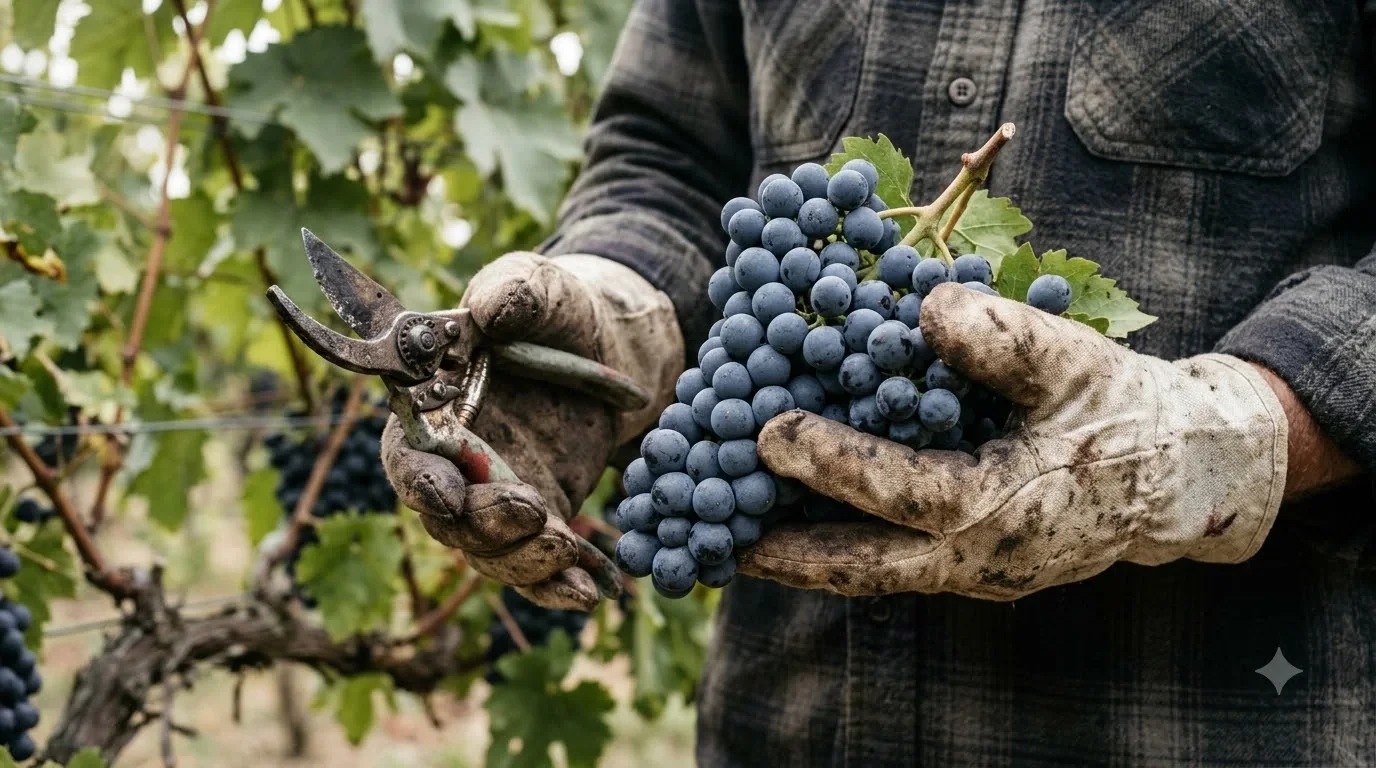
Standard sweet Vin Santo made from dried Trebbiano Toscano and Malvasia Bianca Lunga grapes develops deep notes of caramel, dried fig, roasted hazelnut, and orange marmalade during years of oxidative aging. According to Wine Folly’s Vin Santo guide, serving the wine at 55°F to 60°F (12°C to 15°C) strikes the right balance between aromatic lift and structural freshness. At this cellar temperature, natural grape acidity stays brisk enough to cut through the wine’s velvety texture.
Drier styles—often labeled secco or abboccato—carry less residual sugar and lean closer to an aged dry sherry in character. Because there is less sweetness to cushion the alcohol (which typically falls between 13% and 17% ABV depending on the appellation), chilling dry Vin Santo down to 50°F to 54°F (10°C to 12°C) keeps the finish crisp and savory. Rare red-grape versions known as Occhio di Pernice, crafted primarily from Sangiovese, also sit comfortably around 55°F to 60°F (12°C to 15°C) so their dark cherry, cocoa, and walnut nuances can unfold.
| Vin Santo Style | Ideal Temperature (°F) | Ideal Temperature (°C) | Chilling Method from Room Temp (72°F) |
|---|---|---|---|
| Classic Sweet / Amber Vin Santo | 55°F – 60°F | 12°C – 15°C | 45 to 60 minutes in standard refrigerator |
| Younger or Lighter-Bodied Vin Santo | 46°F – 54°F | 8°C – 12°C | 75 to 90 minutes in standard refrigerator |
| Dry Style (Secco / Abboccato) | 50°F – 54°F | 10°C – 12°C | 60 to 75 minutes in standard refrigerator |
| Occhio di Pernice (Sangiovese-based) | 55°F – 60°F | 12°C – 15°C | 45 to 60 minutes in standard refrigerator |
It is also worth distinguishing Italian Vin Santo from Greek Vinsanto produced on the island of Santorini. Although both are sweet wines made from sun- or air-dried grapes, producers like Gaia Wines recommend serving Santorini Vinsanto much colder, at 43°F to 46°F (6°C to 8°C), to match its higher volcanic acidity and intense concentration. If you are browsing broader dessert categories in our Wine by Type guide, checking the country of origin on the label ensures you chill the bottle to the right target.
Why Temperature Matters So Much for Dried-Grape Wines
Temperature governs both volatility—how easily aroma compounds lift out of the glass—and how your taste buds perceive sweetness, acidity, and alcohol. Because Vin Santo is a passito wine made from grapes dried on mats or hung in ventilated lofts for months before fermentation, every drop is packed with concentrated sugars, acids, and barrel-derived compounds.
When Vin Santo is served straight from a standard kitchen refrigerator (usually set around 37°F to 40°F), the extreme cold suppresses aromatic volatility. Instead of smelling toasted almonds, saffron, dried apricot, and beeswax, you mostly register cold sugar and faint oak. Many people mistakenly assume a bottle lacks complexity simply because it was poured at refrigerator temperature without time to warm up.
Conversely, pouring Vin Santo at warm ambient room temperature—often 70°F to 75°F in heated or air-conditioned American homes—pushes the wine past its sweet spot. Above 62°F, ethanol evaporates much faster, creating a noticeable alcohol burn on the nose and palate. At the same time, high residual sugar loses its tension and begins to coat the mouth heavily, much like what happens when you miss the proper sauternes serving temperature with French botrytized dessert wines.
How to Chill and Prepare Vin Santo Step by Step
Bringing a bottle of Vin Santo from pantry storage to cellar temperature takes less than an hour and requires no special gear beyond a refrigerator or a small ice bucket. Planning the chill alongside dinner ensures the wine hits the table right as dessert or cheese arrives.
- Start in the refrigerator 45 to 60 minutes before pouring: If your bottle has been resting in a 70°F kitchen rack, placing it in a standard fridge drops the temperature by roughly 15°F within an hour, landing right in the 55°F to 60°F zone.
- Warm up cellar-stored bottles briefly if needed: If you store your wine in a 55°F wine fridge, it is already ready to pour. If it comes out of a colder 45°F beverage cooler, let the bottle stand on the counter for 15 to 20 minutes before opening.
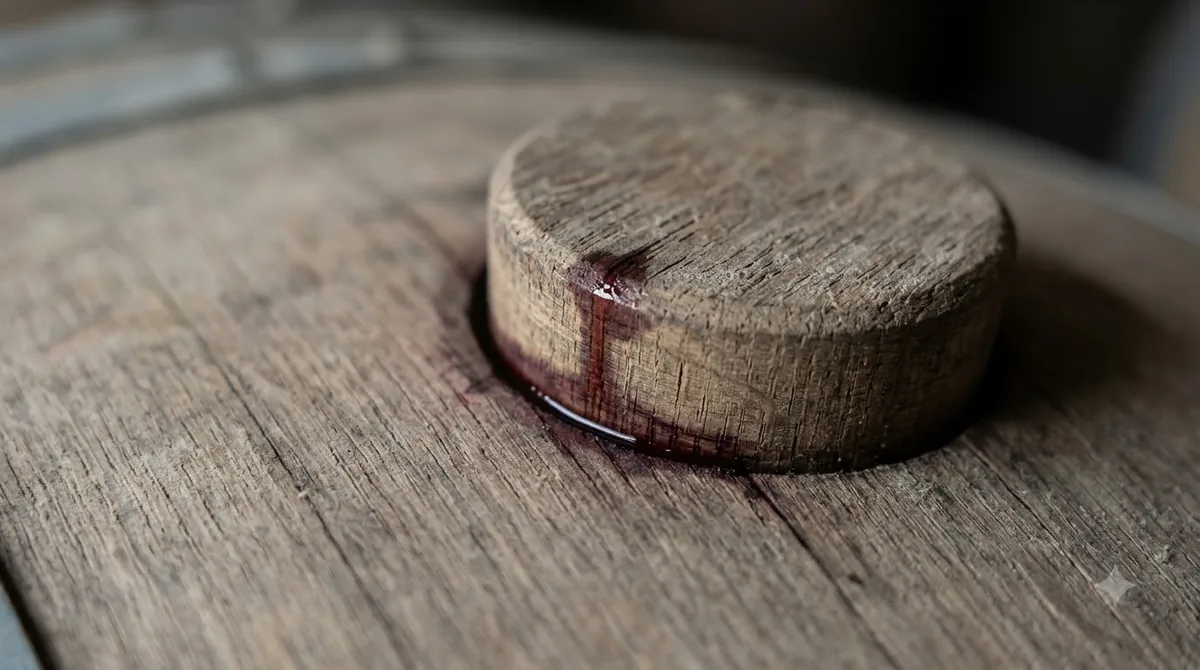
- Skip the decanter: Vin Santo already undergoes slow, controlled oxidation for three to ten years inside small sealed chestnut or oak barrels called caratelli. Decanting exposes the wine to unnecessary oxygen and flattens its layered bouquet.
- Use a small tulip or dessert wine glass: Pour a modest 2.5 to 3 ounces (about 75 ml) into a stemmed glass with a narrow rim. The smaller bowl concentrates aromatics while keeping your warm hands away from the liquid.
- Watch the temperature rise in the glass: A small pour warms by two to three degrees every ten minutes in a warm room, so pouring slightly toward the cooler end of the range gives you a pleasant evolution from the first sip to the last.
Tip: Need a last-minute chill? Submerge the bottle up to its neck in a bucket filled with half cold tap water and half ice cubes for 12 to 15 minutes—water transfers heat far faster than cold air in a refrigerator.
Glassware, Pour Size, and Open-Bottle Storage
Serving temperature works hand in hand with the vessel you choose and how you store leftovers after the meal. A large red-wine balloon glass spreads a small pour over too much surface area, causing the wine to warm rapidly and allowing its oxidative aromas to scatter before reaching your nose.
In Tuscan trattorias, Vin Santo is traditionally served in small, short tumblers alongside a plate of almond biscotti, though sommeliers and wine educators generally favor a stemmed dessert glass or a narrow white-wine glass at home. Keeping the bowl compact preserves the 55°F to 60°F chill longer and focuses scents of dried fruit, honey, and toasted nuts directly toward your palate. Just like dialing in the right sake serving temperature for premium aged styles, matching the pour size to a smaller vessel keeps every sip balanced.
One of Vin Santo’s biggest practical advantages is its longevity after opening. Because the wine spent years maturing in partially filled caratelli barrels—a traditional method that encourages gentle oxidation—an opened bottle will not spoil overnight like a dry white table wine. Re-cork the bottle tightly and place it upright in the refrigerator; most bottles stay vibrant for two to four weeks, and simply letting your glass sit on the table for ten minutes after pouring brings it back up to ideal tasting temperature.
Food Pairings That Match Cellar-Chilled Vin Santo
Serving Vin Santo at 55°F to 60°F makes it versatile enough to bridge savory cheese courses and classic Italian pastries. At cellar temperature, the wine’s natural acidity stays lively enough to cleanse the palate between bites of rich, salty, or nutty foods.
The most famous pairing in Tuscany is cantucci e Vin Santo—crisp, twice-baked almond biscotti dipped briefly into the glass. The dry, lightly sweet cookie absorbs a splash of cool, amber wine without turning mushy, while the roasted almonds echo the nutty oxidative notes in the bottle. If you are cooking a Tuscan recipe and find yourself out of a bottle, checking a reliable vin santo substitute can help replicate that sweet-nutty balance in a pinch.
- Aged and blue-veined cheeses: Sharp Pecorino Toscano, Parmigiano-Reggiano, Gorgonzola Dolce, and Stilton provide a salty, creamy counterpoint that makes Vin Santo’s dried-apricot and caramel notes pop.
- Nut-based tarts and pastries: Hazelnut torte, walnut pie, pine-nut tarts (torta della nonna), and almond frangipane mirror the wine’s barrel-aged spice without overwhelming it with heavy frosting.
- Savory starters: Chicken liver pâté, duck rillettes, or prosciutto served with fresh figs work remarkably well alongside a slightly cooler 52°F to 55°F pour of dry or semi-sweet Vin Santo.
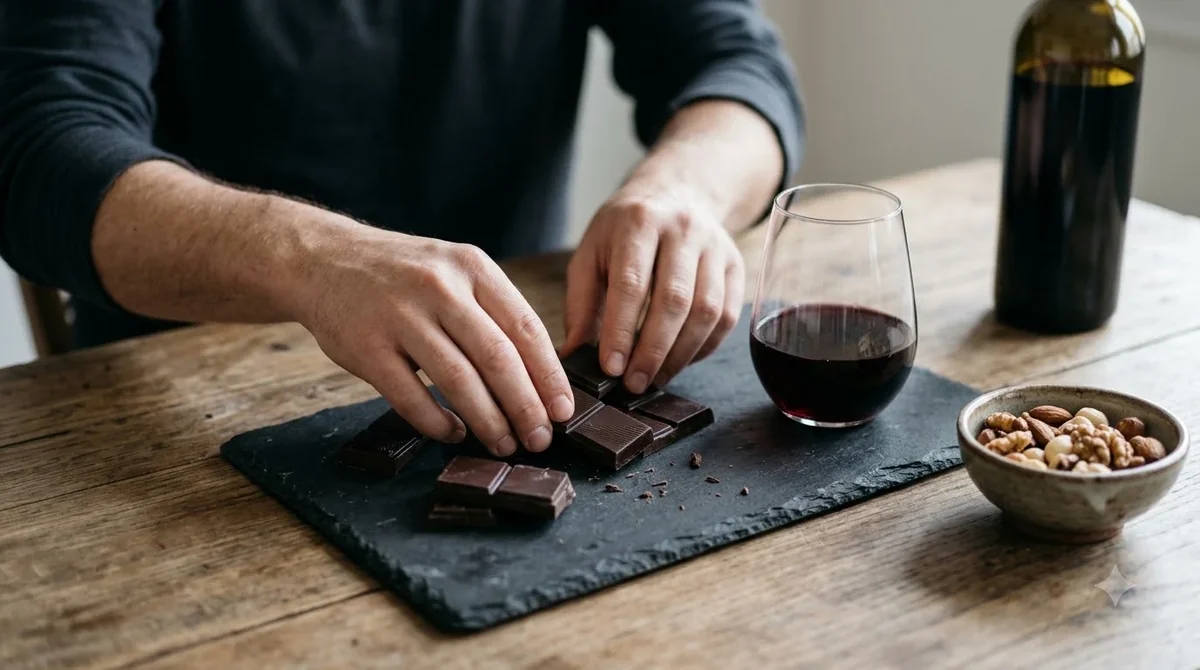
Avoid pairing Vin Santo with ultra-sweet chocolate mousse, heavily frosted cakes, or tangy citrus sorbets. Desserts sweeter than the wine itself strip away its fruit character and make the finish taste thin and overly acidic, regardless of how carefully you chilled the bottle.
Frequently Asked Questions
Should Vin Santo be served chilled or at room temperature?
Vin Santo should be served lightly chilled at cellar temperature—between 55°F and 60°F (12°C to 15°C)—rather than at warm room temperature. Standard American room temperatures around 70°F to 75°F make the alcohol taste hot and the residual sugar feel heavy, whereas a gentle 45- to 60-minute chill in the fridge keeps the wine crisp and aromatic.
Can I put Vin Santo in the fridge before serving?
Yes, placing a room-temperature bottle of Vin Santo in a standard refrigerator for 45 to 60 minutes brings it right into the ideal 55°F to 60°F serving window. If you store the bottle in the fridge long-term, pull it out 15 to 20 minutes before pouring so the cold does not mute its honey, dried fruit, and toasted nut aromas.
Do you decant Vin Santo before serving?
No, you should not decant Vin Santo. Because the wine already undergoes slow, intentional oxidation for years inside small wooden caratelli barrels before bottling, pouring it into a decanter exposes it to excess air and dulls its delicate bouquet.
How long does an open bottle of Vin Santo last in the fridge?
An opened bottle of Vin Santo typically stays fresh for two to four weeks when tightly re-corked and stored upright in the refrigerator. Its high concentration of sugar, acidity, and prior barrel oxidation protects it from rapid spoilage, though you should let each cold pour warm in the glass for about ten minutes before sipping.
Dialing in the right vin santo serving temperature takes less than an hour in the fridge, yet it makes the difference between a syrupy sip and a layered, aromatic finish. Keep your bottle around 55°F to 60°F, pour modestly into a small stemmed glass, and let those years of Tuscan barrel aging speak for themselves.
More in Wine Types & Grapes
 What Does Mourvèdre Taste Like? Flavor Profile, Regions, and PairingsUpdated Nov 20, 2026
 What Does Marsanne Taste Like? Flavors, Styles, and Food PairingsUpdated Nov 20, 2026
 What Does Malvasia Taste Like? Styles, Flavors, and Food PairingsUpdated Nov 20, 2026
 What Does Grenache Blanc Taste Like? Flavor Profile, Styles, and PairingsUpdated Nov 20, 2026
 What Does Garnacha Taste Like? Key Flavors, Styles, and Pairing TipsUpdated Nov 20, 2026
 What Does Fruit Wine Taste Like? A Complete Flavor and Style BreakdownUpdated Nov 20, 2026