

We may earn a commission when you buy through links on this page, at no extra cost to you. Learn more.
Is korbel brut good? Yes, Korbel Brut is a good, approachable California sparkling wine for casual celebrations, parties, and everyday occasions, particularly if you enjoy crisp citrus flavors, lively bubbles, and a slightly sweet finish. It offers more character than a simple sparkling wine, with apple, orange, lime, vanilla, and subtle strawberry notes. However, drinkers who prefer bone-dry Champagne or particularly complex sparkling wines may find it less satisfying.
Korbel Brut is a familiar name in American sparkling wine, often appearing at weddings, holiday gatherings, brunches, and New Year’s celebrations. Its combination of freshness, fruit-forward flavors, and traditional bottle fermentation makes it an accessible option for people who want celebratory bubbles without choosing a highly specialized wine. Understanding its sweetness, flavor profile, production method, and food compatibility helps determine whether it deserves a place at your next gathering.
Who Should Choose Korbel Brut?
Korbel Brut is best suited to casual sparkling wine drinkers who appreciate fresh fruit, refreshing acidity, and a balanced medium-dry finish. It is particularly appealing for celebrations and meals where an easy-drinking California sparkling wine makes more sense than a highly complex bottle.
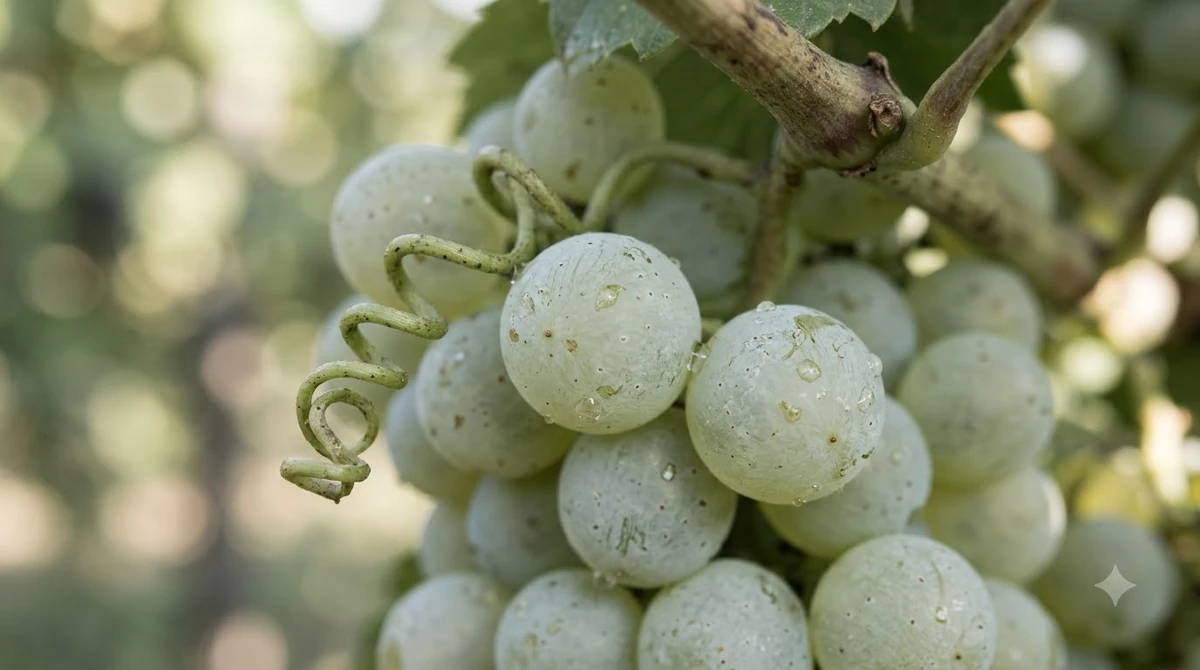
The wine works well for people who enjoy approachable flavors rather than pronounced yeast, toasted brioche, or mineral complexity. Korbel combines four grape varieties: Chardonnay, Chenin Blanc, French Colombard, and Pinot Noir. This blend provides a mixture of citrus freshness, fruit character, and structure without making the wine feel overly demanding.
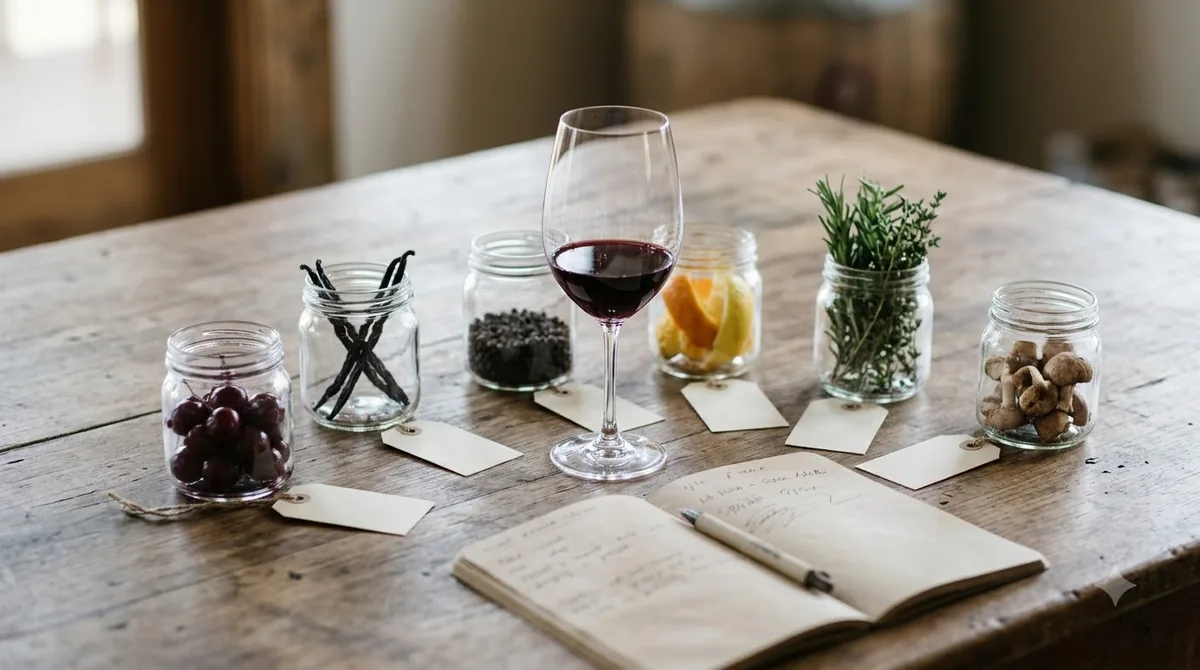
According to the producer, Korbel Brut has lively aromas of citrus and cinnamon, followed by orange, lime, vanilla, and a hint of strawberry. Its medium-dry finish provides a little roundness, making it appealing to drinkers who find extremely dry sparkling wines too austere.
There are several situations where this style makes particular sense:
- Casual celebrations: The lively bubbles and recognizable fruit flavors suit birthdays, anniversaries, engagement parties, and holiday gatherings.
- Brunch: Its acidity and citrus character work with eggs, lighter appetizers, and fruit-based dishes.
- First-time sparkling wine drinkers: The combination of fruit and moderate sweetness provides an accessible introduction to traditional-method sparkling wine.
- Food-focused gatherings: Its refreshing character complements salty snacks, shellfish, fried foods, and several mild cheeses.
- Mixed-preference groups: Its approachable style can appeal to guests who prefer different levels of sweetness.
However, Korbel Brut is not necessarily the right choice for every sparkling wine enthusiast. Someone looking for pronounced brioche, extended lees-aging character, or the distinctive mineral expression of a serious Champagne may prefer a more complex bottle. Similarly, drinkers who strongly favor bone-dry wines might find Korbel’s fruit-forward profile slightly sweet.
Its main strength is accessibility rather than extraordinary complexity. That distinction matters because a successful everyday sparkling wine does not need to compete with prestige Champagne to be a worthwhile choice.
Readers exploring the broader category can also browse our guide to Wine Brands to understand how different producers approach sparkling wine and other wine styles.
Key Factors to Compare When Evaluating Korbel Brut
The most useful way to judge Korbel Brut is to consider its sweetness, acidity, grape composition, alcohol level, and production method together. These characteristics explain why it tastes refreshing and approachable rather than intensely dry or heavily structured.
Its specifications provide a practical starting point. The following figures are published by Korbel for its standard Brut bottling.
| Characteristic | Korbel Brut | What It Means |
|---|---|---|
| Origin | California, USA | American sparkling wine |
| Wine style | Non-vintage Brut | Blended across multiple years |
| Alcohol | 12% ABV | Moderate alcohol for sparkling wine |
| Grape varieties | 4 varieties | Chardonnay, Chenin Blanc, French Colombard, Pinot Noir |
| Base-wine fermentation | 100% stainless steel | Stainless-steel fermentation for the base wine |
| Secondary fermentation | Bottle fermentation | Traditional méthode champenoise |
| Acidity | 7.6 g/L | Supports a crisp, refreshing profile |
| pH | 3.20 | Indicates relatively high acidity |
| Standard bottle | 750 ml | Approximately 5 glasses at 5 oz each |
Sweetness and acidity
Sweetness is one of the most important considerations when choosing a Brut sparkling wine. Although the word Brut generally indicates a dry sparkling wine category, the actual experience can vary depending on residual sugar and acidity.
Wine Enthusiast describes Korbel NV Brut as medium-bodied and accessible, with lively effervescence and approximately 10 grams per liter of residual sugar. That description helps explain why the wine can taste slightly rounded even though it carries the Brut designation.
Its acidity provides an important counterbalance. Rather than tasting like a sweet dessert wine, Korbel Brut generally offers a refreshing combination of citrus, apple-like fruit, and gentle sweetness. The acidity keeps the finish from becoming excessively heavy.
Alcohol content and grape composition
Korbel lists its standard Brut at 12% ABV. This is a useful detail when comparing sparkling wines, particularly if the intended occasion involves serving several different styles.
The four-grape blend also contributes to its approachable character. Chardonnay provides freshness and structure, Pinot Noir adds body, while Chenin Blanc and French Colombard contribute additional fruit character and balance.
For more detail about the alcohol figure, see our dedicated Korbel Brut alcohol content article.
Production method
One noteworthy feature is that Korbel Brut uses traditional bottle fermentation rather than relying exclusively on tank fermentation for its sparkling character. The producer identifies this approach as méthode champenoise.
The base wine undergoes stainless-steel fermentation, while the secondary fermentation takes place inside the bottle. This distinction matters because sparkling wines made using different methods can develop different textures and flavor characteristics.
Korbel’s use of bottle fermentation gives the wine a traditional production foundation, even though its fruit-forward style is designed to remain approachable. The official Korbel Brut product information provides the producer’s details about its grape blend, acidity, fermentation, and tasting profile.
Step-by-Step: How to Evaluate and Serve Korbel Brut
To get the best impression of Korbel Brut, evaluate its aroma, bubbles, sweetness, and finish at the correct temperature. A few straightforward serving steps can make a noticeable difference to the drinking experience.
-
Chill the bottle properly.
Serve Korbel Brut at approximately 40–50°F. This temperature range helps preserve its refreshing acidity and lively bubbles. Avoid serving it warm, as higher temperatures can make the alcohol more noticeable and the wine feel less refreshing.
-
Choose an appropriate glass.
A traditional flute preserves visible bubbles and directs the wine toward the nose. A tulip-shaped sparkling wine glass provides more room for aromas to develop. Either is suitable, depending on whether presentation or aromatic expression is the priority.
-
Open the bottle carefully.
Remove the foil and loosen the wire cage while keeping a hand over the cork. Hold the bottle at approximately 45 degrees, point it away from people, and rotate the bottle rather than pulling the cork forcefully. A controlled release helps reduce unnecessary wine loss.
-
Pour a moderate serving.
A standard wine serving is approximately 5 ounces. A 750 ml bottle therefore provides about five standard glasses, although smaller celebratory pours can stretch the bottle further.
-
Observe the bubbles.
Look at the stream of bubbles and the foam as the wine settles. Korbel Brut is designed to offer lively effervescence, which contributes to its refreshing character.
-
Smell before tasting.
Look for citrus, cinnamon, orange, and hints of strawberry. Additional fruit impressions can include apple and pear. Take a moment to notice how the aromas develop after the initial pour.
-
Evaluate the balance.
Consider the relationship between acidity, sweetness, bubbles, and finish. The most useful question is whether the wine feels refreshing and balanced rather than excessively sweet or sharp.
-
Try it with food.
Pair a small pour with salty appetizers, oysters, fried foods, or mild cheese. Food can reveal how the wine’s acidity and fruit character work together.
Tip: Chill Korbel Brut thoroughly before serving, then pour smaller portions into clean glasses. The cooler temperature preserves its refreshing character, while moderate pours help retain the sparkling wine’s lively presentation.
For a more detailed description of its fruit, aroma, and finish, see our article covering Korbel Brut tasting notes.
Types and Styles Explained: Where Korbel Brut Fits
Understanding sparkling wine sweetness categories makes it easier to decide whether Korbel Brut matches your preferences. Brut is a relatively dry category, but it is not the driest option available, and its flavor can still show noticeable fruit sweetness.
European sparkling wine labels commonly use the following sweetness classifications, arranged from driest to sweetest.
- Brut Nature: Extremely dry, with little or no added sugar after dosage.
- Extra Brut: Very dry, with slightly more permitted sweetness than Brut Nature.
- Brut: Dry in classification, although the wine may show a rounded fruit impression.
- Extra Dry: Surprisingly, this is sweeter than Brut.
- Dry: Noticeably sweeter than Brut and Extra Dry.
- Demi-Sec: Sweet enough to work with some desserts.
- Doux: The sweetest of these traditional classifications.
Korbel Brut belongs in the Brut category. However, its medium-dry finish and fruit-forward profile mean it should not automatically be treated as a bone-dry sparkling wine.
How Korbel Brut compares with other sparkling styles
Prosecco, Cava, and Champagne offer useful points of comparison because each represents a different sparkling wine tradition.
Prosecco is generally made from Glera grapes and uses the tank method for secondary fermentation. This process tends to emphasize fresh fruit and floral aromas. Typical Prosecco contains approximately 11–12% ABV, making its alcohol range comparable to Korbel Brut.
Cava comes from Spain and uses bottle fermentation. It can offer citrus, orchard fruit, and developed yeast characteristics, depending on the wine’s aging and production style.
Champagne is produced in the Champagne region of France and also uses bottle fermentation. Its permitted grape varieties, regional identity, and production rules distinguish it from California sparkling wine.
Korbel Brut occupies an accessible position among these styles. It uses traditional bottle fermentation but emphasizes fresh fruit, easy drinking, and a medium-dry finish.
This makes it a practical choice for drinkers who enjoy the texture of traditionally made sparkling wine but do not necessarily want an intensely complex or austere bottle.
What its grape varieties contribute
Each grape variety plays a different role in the final blend:
- Chardonnay: Contributes freshness, citrus character, and structure.
- Pinot Noir: Adds body and contributes to the wine’s overall balance.
- Chenin Blanc: Helps bring fruit character and acidity.
- French Colombard: Supports the fresh, approachable style.
Korbel explains that its blending process can draw on different varieties, appellations, and multiple years. This approach helps maintain a recognizable house style across non-vintage releases.
Common Mistakes When Judging Korbel Brut
Some common misunderstandings can lead drinkers to judge Korbel Brut unfairly. The most important is assuming that every wine labeled Brut tastes completely dry or that all traditional-method sparkling wines should taste like Champagne.
Assuming Brut means bone-dry
Brut is a sweetness classification, not a promise that the wine will have no perceptible sweetness. Korbel’s approximately 10 g/L residual sugar description from Wine Enthusiast helps explain its rounded fruit character.
Drinkers who expect a very austere sparkling wine may find the difference noticeable. Someone who enjoys a little fruit sweetness, on the other hand, may consider this one of its most appealing qualities.
Expecting the complexity of prestige Champagne
Traditional bottle fermentation is an important production detail, but it does not automatically mean that every sparkling wine will have the same complexity, aging character, or flavor intensity.
Korbel Brut is designed around freshness and accessibility. Its orange, lime, vanilla, and strawberry characteristics are different from the pronounced toast, brioche, and developed mineral notes that some Champagne enthusiasts seek.
Serving it too warm
Temperature affects how sparkling wine tastes. Serving Korbel Brut significantly above its recommended 40–50°F range can make the wine seem less refreshing and allow alcohol to become more prominent.
Very cold temperatures can also temporarily suppress its aromas. Allowing the wine to warm slightly in the glass can help reveal its citrus and fruit character.
Pairing it with unsuitable food
Food pairing can change the perception of sweetness and acidity. Korbel’s crisp character is particularly useful with salty, fatty, and fried foods because refreshing acidity can balance richness.
Very spicy dishes deserve more consideration. Alcohol and tannin can amplify chili heat, so highly spicy meals may make the wine seem less balanced. Oily fish can also be difficult with tannic red wines, although Korbel Brut is a sparkling white blend rather than a tannic red.
Comparing different wine reviews without considering the bottling
Non-vintage wines are blends, and individual releases may not produce identical tasting impressions. One review may emphasize green apple and citrus, while another may describe orange cream, tangerine, or white pepper.
These differences do not necessarily mean that one description is incorrect. They can reflect differences between bottlings, tasting conditions, and individual perception.
A Wine Enthusiast review describes one Korbel NV sparkling blend as having orange cream, green apple, tangerine, Key lime, and white pepper characteristics. That review also highlights tiny, firm bubbles and a creamy mousse. It illustrates the range of impressions that can appear across individual releases.
Care, Storage, and Serving Tips for Korbel Brut
Proper storage and serving help maintain Korbel Brut’s freshness and sparkling character. The most important considerations are keeping the bottle cool, protecting it from excessive light, and preserving the remaining wine after opening.
Storing an unopened bottle
For longer storage, keep sparkling wine in a cool, dark environment with a relatively stable temperature. A temperature near 55°F is a useful general target for wine storage.
Traditional cork-finished bottles are generally stored on their sides for longer-term storage. This helps keep the cork from drying out. Avoid locations near ovens, radiators, sunny windows, or appliances that produce repeated temperature changes.
Korbel Brut is a non-vintage sparkling wine intended to be approachable and enjoyable without extended cellar aging. It is generally better treated as a wine to enjoy while fresh rather than a bottle that needs years of maturation.
Keeping an opened bottle fresh
Sparkling wine loses carbonation after opening, so resealing it properly is important. Use a purpose-built sparkling wine stopper that securely holds pressure rather than relying on a loose cork or ordinary bottle cap.
Refrigerate the bottle immediately after serving. A practical general guideline for opened sparkling wine is approximately 1–3 days in the refrigerator, although the actual result depends on the closure, handling, and how much carbonation remains.
If the wine has lost most of its bubbles, its original refreshing character will be diminished. It may still be usable for cooking or other applications where carbonation is not important.
Matching the serving temperature to the occasion
Korbel Brut is best served cold, around 40–50°F. This range works well for sparkling wine because it preserves the lively bubbles while keeping the fruit and acidity refreshing.
For a formal dinner, a tulip-shaped glass can help concentrate the aroma. For a large celebration, traditional flutes are useful for presentation and maintaining a recognizable sparkling wine appearance.
Pour approximately 5 ounces per standard serving, leaving enough room in the glass to observe the bubbles and smell the wine. For a gathering of 10 guests, two 750 ml bottles provide approximately 10 standard servings.
Frequently Asked Questions
Is Korbel Brut real Champagne?
Korbel Brut is California sparkling wine, not Champagne from the Champagne region of France. The producer uses the traditional bottle-fermentation method, but geographical origin determines whether a wine can legally carry the Champagne designation in markets that protect the name.
Is Korbel Brut suitable for making mimosas?
Yes. Korbel Brut works well in mimosas because its citrus-friendly fruit profile complements orange juice. A common preparation uses equal parts sparkling wine and orange juice, although a wine-forward version can use two parts sparkling wine to one part juice.
Does Korbel Brut contain sulfites?
Like most conventional wines, Korbel Brut contains sulfites. Sulfur dioxide is commonly used in winemaking to help protect wine from oxidation and unwanted microbial activity. Bottled wines containing at least 10 parts per million of detectable sulfites are subject to sulfite labeling requirements in the United States.
Can Korbel Brut be used in sparkling wine cocktails?
Yes. Its approachable fruit profile makes it suitable for sparkling wine cocktails beyond mimosas. It can be used in a French 75 variation, a sparkling citrus punch, or a simple combination with fresh seasonal fruit. Add the sparkling wine shortly before serving to preserve carbonation.
Does Korbel Brut have a vintage year?
Standard Korbel Brut is labeled non-vintage rather than being associated with one harvest year. This means the producer can blend wine from different harvests to maintain a consistent house style. The approach is common among many established sparkling wine producers.
Korbel Brut is a worthwhile California sparkling wine for people who value lively bubbles, refreshing acidity, approachable fruit, and a slightly rounded finish. Its traditional bottle fermentation and versatile food-pairing potential give it additional appeal beyond its familiar party-wine reputation. If your preference is accessible sparkling wine for brunch, appetizers, and casual celebrations, Korbel Brut is a sensible choice; if you want bone-dry precision or more developed Champagne complexity, consider a different style.
More in Wine Brands
 Louis Latour Wine Price: Compare Bottles by Style and TierUpdated Nov 20, 2026
 Yellow Tail Moscato Price: What to Expect Before You BuyUpdated Nov 20, 2026
 Sutter Home Sweet Red Review: Find the Right Food PairingsUpdated Nov 20, 2026
 Franzia Chillable Red Review: Find the Right Serving StyleUpdated Nov 20, 2026
 Veuve Clicquot Rose Review: Flavor, Food Pairings and Buying AdviceUpdated Nov 20, 2026
 Rombauer Wine Price: Compare Bottles Before You BuyUpdated Nov 20, 2026