

We may earn a commission when you buy through links on this page, at no extra cost to you. Learn more.
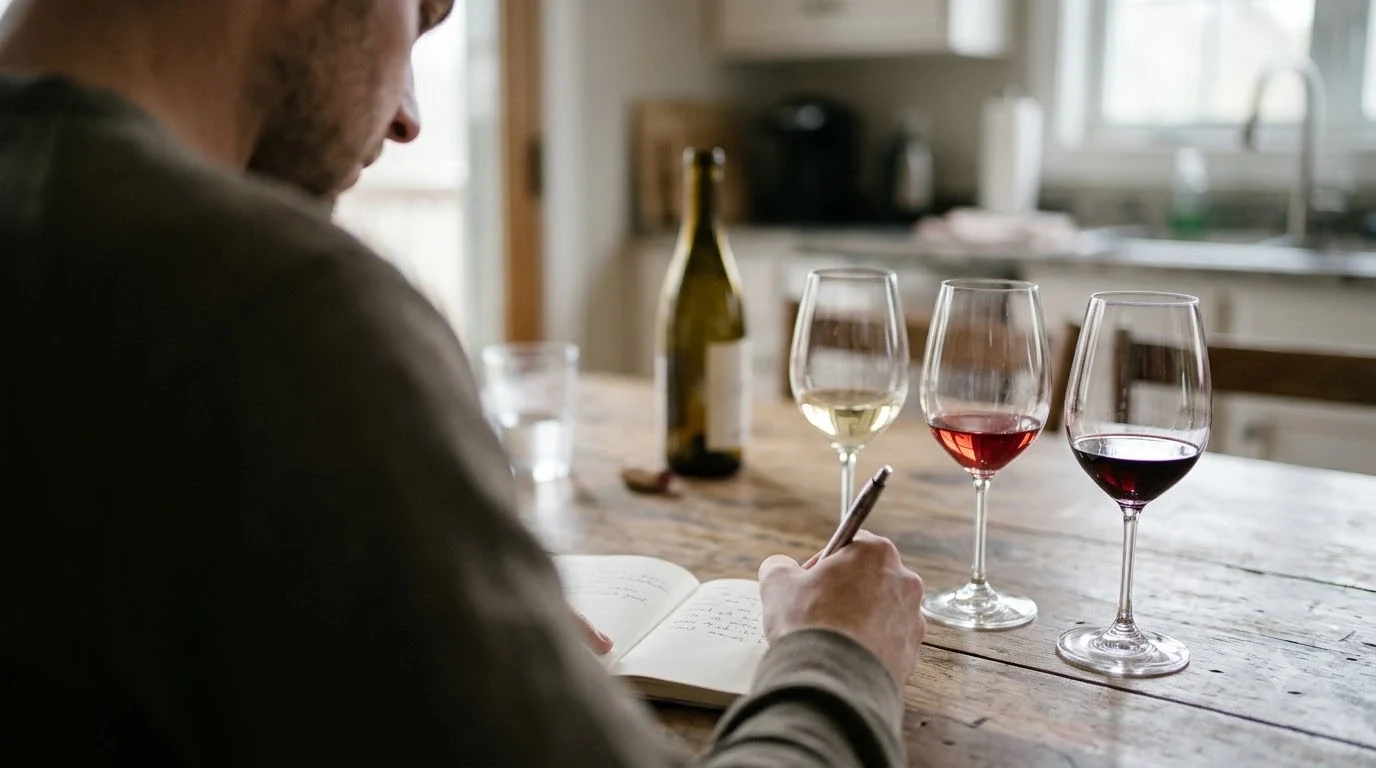
Verdicchio tasting notes center on bright citrus, crisp green apple, white peach, and a signature savory finish of bitter almond and sea salt. Grown primarily in Italy’s central Marche region, this dry white wine pairs vibrant, mouthwatering acidity with a surprisingly weighty, almost oily mid-palate texture. Depending on winemaking and bottle age, flavors can shift from zesty lime and fresh herbs in youth to toasted nuts, honey, and subtle minerality over time.
Often overshadowed by Pinot Grigio on American restaurant lists, Verdicchio offers far more structure and personality in the glass. Its name derives from verde, the Italian word for green, referring to the distinctive greenish-yellow tint of the grape skins and the youthful wine itself.
What Is Verdicchio?
Verdicchio is an indigenous white wine grape native to central Italy, prized for producing crisp, aromatic, and remarkably age-worthy dry wines. While best known in Marche, genetic research confirms it is identical to Trebbiano di Soave in Veneto and Turbiana in Lombardy’s Lugana appellation.
For decades, American shoppers knew Verdicchio mostly through inexpensive bottles shaped like ancient Greek amphorae. Those novelty containers helped make the wine recognizable on store shelves, yet they also gave it an unfair reputation as a simple, throwaway table white. Today, quality-focused estates across central Italy treat the grape with the same care given to premier white Burgundy or dry Riesling, crafting serious single-vineyard bottles alongside everyday refreshers.
At its core, Verdicchio is a study in contrast between zippy freshness and phenolic grip. Unlike ultra-light whites that vanish quickly after you swallow, Verdicchio holds onto the palate with gentle texture and an unmistakable almond-skin bitterness at the end. If you are exploring Wine by Type to expand beyond standard Chardonnay or Sauvignon Blanc, this grape bridges the gap between lean coastal whites and full-bodied, food-driven bottles.
Flavor Profile and Styles
Classic Verdicchio tasting notes balance orchard and citrus fruit against herbal, saline, and nutty undertones. Young, stainless-steel-fermented bottles lead with Meyer lemon, lime zest, green apple, and white peach, followed by crushed wet stone and a dry, bitter-almond finish.
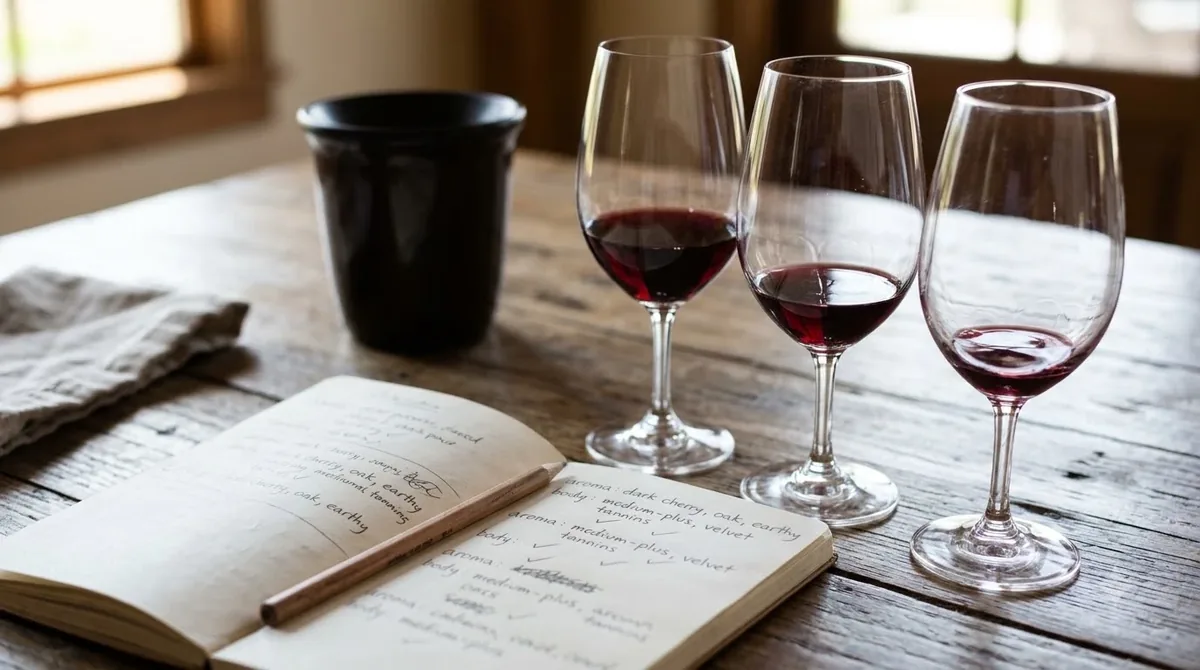
According to Wine Folly’s guide to Verdicchio, the grape is celebrated for its peachy aromatics paired with a slightly oily, textured mouthfeel that sets it apart from purely crisp, linear whites. On the nose, you will often pick up white blossoms, fresh grass, chamomile, and a hint of green papaya or kiwi in cooler-climate examples. The acidity sits firmly in the medium-plus to high range, keeping the wine electric and refreshing even when alcohol levels reach 13% to 14% ABV in riper, single-vineyard bottlings.
Winemakers also push Verdicchio into several distinct stylistic directions beyond standard dry table wine:
- Classico and Superiore: Dry still wines fermented primarily in stainless steel or concrete to highlight pure citrus, saline minerality, and crisp herbal lift, typically bottled between 11.5% and 13.5% ABV.
- Riserva (DOCG): Aged longer before release, often with extended lees contact or subtle oak influence, yielding richer notes of baked apple, honeycomb, toasted Marcona almonds, and beeswax.
- Spumante: Sparkling Verdicchio made via both tank and traditional bottle-fermented methods, offering frothy green apple, brioche, and citrus-peel character.
- Passito: Sweet dessert wines crafted from air-dried grapes that concentrate apricot, marmalade, and honey flavors while keeping bright acid intact.
With five to ten years in a cool cellar, top Riserva bottlings undergo a dramatic transformation. Primary green fruit fades into roasted citrus peel, chestnut honey, and even a delicate hydrocarbon note reminiscent of mature Riesling, proving that white Italian wines can rival classic European cellar staples.
Where It Grows
Marche—a scenic coastal region wedged between the Apennine Mountains and the Adriatic Sea—is the undisputed heartland of Verdicchio. Within Marche, two distinct appellations define how the grape expresses itself in the glass.
The larger and more famous zone is Verdicchio dei Castelli di Jesi, covering rolling hills inland from the Adriatic port city of Ancona. Moderated by warm sea breezes and rooted in loamy, clay-rich soils, Jesi wines tend to feel rounder, slightly fuller, and generous with white peach, yellow apple, and Mediterranean herb aromas. Bottles labeled Classico come from the oldest historic hillside vineyards at the center of this zone.
Further inland and tucked into a narrow, high-elevation valley surrounded by mountains lies Verdicchio di Matelica. Because Matelica sits farther from the sea and experiences sharper swings between warm days and chilly nights, its wines are typically leaner, tighter, and driven by racy lemon-lime acidity and pronounced wet-stone minerality. Comparing a bottle from Jesi next to one from Matelica is one of the clearest ways to taste how altitude and coastal air reshape the same grape.
| Appellation | Geography & Climate | Dominant Tasting Notes | Body & Texture |
|---|---|---|---|
| Verdicchio dei Castelli di Jesi | Rolling coastal hills near the Adriatic Sea; maritime influence | White peach, Meyer lemon, yellow apple, chamomile, sea salt, bitter almond | Medium to medium-full; rounder, slightly oily mid-palate |
| Verdicchio di Matelica | Narrow inland mountain valley; higher elevation and cooler nights | Zesty lime, green apple, grapefruit pith, wild herbs, crushed flint | Medium-light to medium; taut, linear, and razor-sharp |
How to Serve Verdicchio
Standard entry-level Verdicchio shines best when served well chilled at 38°F to 45°F (3°C to 7°C) to emphasize its crisp citrus snap. More complex Superiore and aged Riserva bottles benefit from a slightly warmer pour between 50°F and 54°F (10°C to 12°C) so their nutty, honeyed, and textural layers can open up.
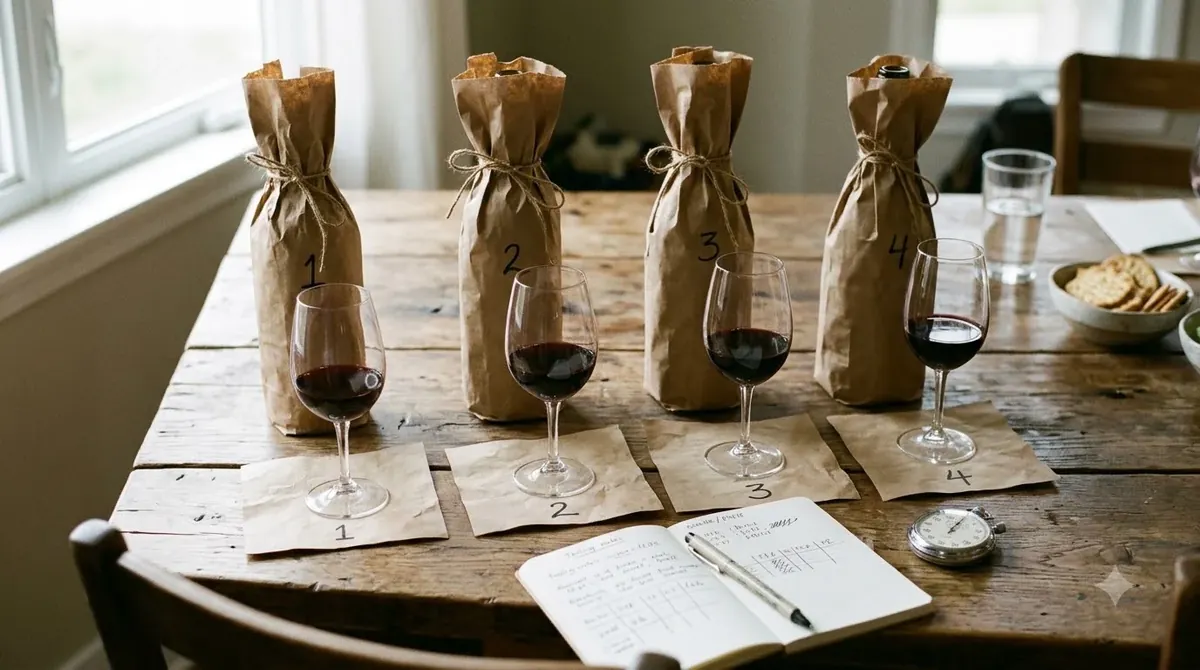
Pulling a serious bottle straight out of a 36°F kitchen refrigerator mutes its subtle aromatics and makes the natural phenolic bitterness on the finish feel overly sharp. Give structured bottlings fifteen to twenty minutes on the counter before pouring, or let the wine warm gradually in a standard white wine glass with a medium-sized bowl. While young, fresh examples need no decanting, an older Riserva that has spent several years in bottle can benefit from thirty minutes of air in a carafe to blow off initial reduction and reveal its roasted almond and beeswax complexity.
Tip: Treat aged Verdicchio Riserva like fine white Burgundy—serve it slightly cool rather than ice-cold, and use a wider glass so the savory, honeyed aromatics have room to expand.
Food Pairing
High natural acidity and a savory, saline edge make Verdicchio one of Italy’s most versatile food wines. It thrives alongside coastal seafood, salty cured meats, bitter greens, and creamy dishes that need a bright palate cleanser.
In its home region along the Adriatic, locals pour young Verdicchio with brodetto (traditional tomato-and-herb fish stew), grilled calamari, steamed mussels, and spaghetti alle vongole. As VinePair’s Verdicchio overview points out, the wine’s mouthwatering acidity and clean citrus profile also make it an effortless warm-weather aperitif alongside snacks like roasted Marcona almonds, green olives, and prosciutto.
Verdicchio also handles notoriously tricky vegetables that clash with oaky whites. Dishes built around grilled artichokes, asparagus, fennel, or zucchini blossoms harmonize with the grape’s green, herbal undertones. Meanwhile, richer lees-aged or Riserva bottles possess enough mid-palate weight to stand up to seafood risotto, herb-roasted chicken, pork loin, and nutty aged cheeses like Pecorino or Parmigiano-Reggiano. If you enjoy the crisp mineral tension found in sancerre tasting notes, you will find Verdicchio equally adaptable at the dinner table—often with a bit more mid-palate richness.
How to Choose a Bottle
Reading a Verdicchio label is straightforward once you know a few key Italian classification terms that signal body, richness, and aging potential.
First, look at the origin name on the front label: choose Verdicchio dei Castelli di Jesi if you prefer riper orchard fruit, softer texture, and gentle salinity, or opt for Verdicchio di Matelica when you want electric citrus zest and stony minerality. Second, check for the word Classico, which guarantees the grapes came from the historic core hillside vineyards rather than flat outer plains.
Finally, match the tier to the occasion. Standard DOC bottlings are meant to be enjoyed young—within one to three years of the vintage date on the label—for maximum vibrancy. Bottles marked Superiore undergo slightly stricter yield limits and show greater concentration, while Riserva carries Italy’s top DOCG designation and requires at least eighteen months of aging before release, delivering cellar-worthy depth. Much like comparing fruit-forward versus structured reds when reading grenache tasting notes, paying attention to sub-region and aging tier helps you pick the exact style of Verdicchio you want.
Frequently Asked Questions
Is Verdicchio a sweet or dry wine?
Nearly all table Verdicchio is vinified completely dry, with crisp acidity and a clean, savory finish. While ripe orchard fruit notes like white peach can give a subtle impression of sweetness on the mid-palate, the wine contains minimal residual sugar. Sweet versions do exist, but they are clearly labeled as Passito dessert wines.
What does Verdicchio taste similar to?
Verdicchio shares the bright citrus snap and saline freshness of Spanish Albariño and Greek Assyrtiko, paired with the herbal, white-pepper savoriness of Austrian Grüner Veltliner. Compared to standard Italian Pinot Grigio, Verdicchio typically has noticeably higher acidity, fuller mid-palate texture, and a distinctive bitter-almond finish.
Can Verdicchio age in the cellar?
Yes, high-quality Verdicchio is one of Italy’s best-kept secrets for white wine aging. While everyday bottlings are best enjoyed within one to three years, top Classico Superiore and Riserva wines can evolve gracefully for five to fifteen years. Over time, they trade fresh green apple notes for complex layers of toasted almond, honey, beeswax, and petrol.
Why does Verdicchio have a slightly bitter finish?
That signature bitter-almond finish comes from naturally occurring phenolic compounds in the grape’s thick skins, rather than oak tannins or winemaking flaws. Far from being unpleasant, this gentle astringency acts like a squeeze of lemon or a sprinkle of sea salt, cleansing the palate between bites of rich seafood, olive oil, and fried appetizers.
Whether poured ice-cold on a sunny afternoon or decanted alongside a plate of seafood risotto, Verdicchio rewards anyone willing to look past more familiar white grapes. Its combination of lively citrus, textural weight, and savory almond depth makes it an indispensable bottle to keep in regular rotation.
More in Wine Types & Grapes
 What Does Mourvèdre Taste Like? Flavor Profile, Regions, and PairingsUpdated Nov 20, 2026
 What Does Marsanne Taste Like? Flavors, Styles, and Food PairingsUpdated Nov 20, 2026
 What Does Malvasia Taste Like? Styles, Flavors, and Food PairingsUpdated Nov 20, 2026
 What Does Grenache Blanc Taste Like? Flavor Profile, Styles, and PairingsUpdated Nov 20, 2026
 What Does Garnacha Taste Like? Key Flavors, Styles, and Pairing TipsUpdated Nov 20, 2026
 What Does Fruit Wine Taste Like? A Complete Flavor and Style BreakdownUpdated Nov 20, 2026