

We may earn a commission when you buy through links on this page, at no extra cost to you. Learn more.
Is Decoy Cabernet good? Yes, Decoy Cabernet Sauvignon is a good choice for drinkers who want a fruit-forward, approachable California red with recognizable Cabernet character, balanced acidity, and manageable tannins. Produced under the Duckhorn wine portfolio, it offers flavors of blackberry, dark cherry, raspberry, and baking spice. It is particularly appealing for casual dinners, grilled meats, and everyday occasions, although drinkers seeking the depth and complexity of premium Napa Valley Cabernet Sauvignon may want something more ambitious.
Decoy occupies an appealing position between basic supermarket Cabernet and more expensive California wines. Its familiar fruit profile, oak influence, and Cabernet structure make it easy to understand, while the addition of Merlot in the blend can help round out the wine’s texture. However, the experience can vary between vintages, so understanding the wine’s style, strengths, and limitations is useful before choosing a bottle.
Who This Is For: Cabernet Drinkers Who Want Value and Approachability
Decoy Cabernet Sauvignon is best suited to people who enjoy recognizable California Cabernet flavors without requiring an especially powerful or complicated wine. Its fruit-forward character and comparatively approachable structure make it a practical choice for weeknight meals, informal gatherings, and drinkers building familiarity with Cabernet Sauvignon.
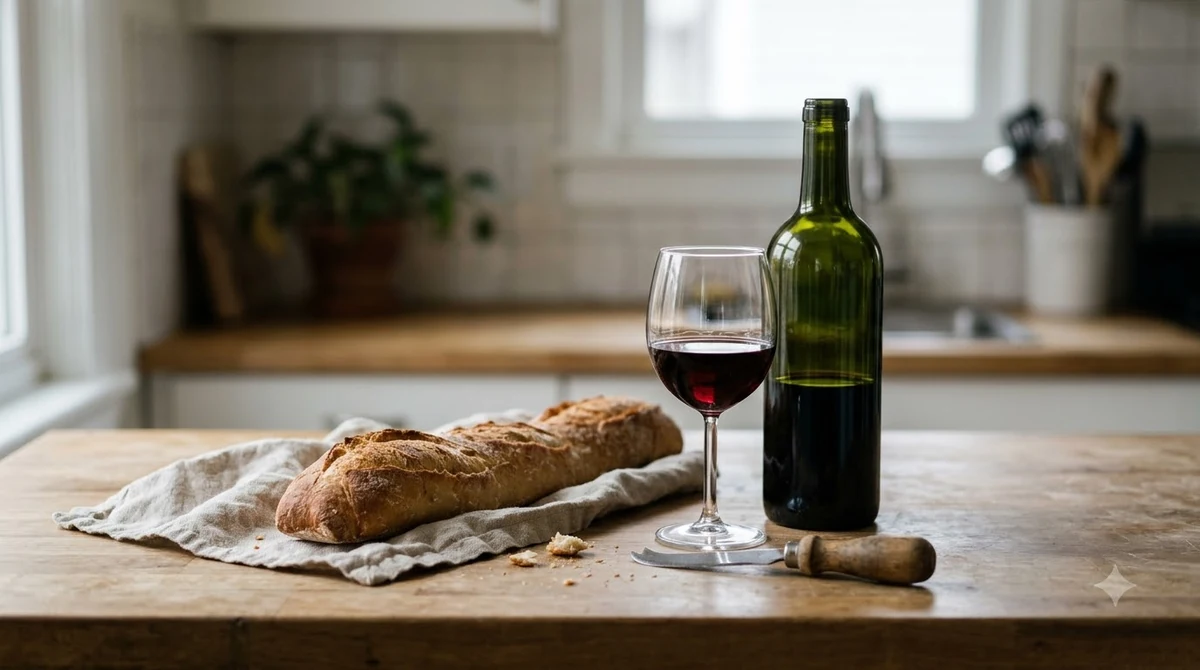
One of its main attractions is the balance between familiar dark fruit and oak-derived flavors. The official 2023 California Cabernet Sauvignon combines 76% Cabernet Sauvignon with 24% Merlot. The producer describes dark cherry, raspberry, baking spice, cola, and subtle toasted oak on the nose, followed by dark blackberry, silky tannins, and bright acidity on the palate. This combination gives the wine recognizable varietal character without making the experience exclusively about firm tannins.
Beginners may appreciate that Decoy offers several characteristics commonly associated with California Cabernet Sauvignon: dark fruit, a substantial body, oak influence, and a structured finish. The Merlot component also makes the blend interesting for drinkers who enjoy Cabernet but prefer a slightly rounder impression than some particularly firm, tannic examples.
It is also a reasonable option for people who regularly serve red wine with food. A 750 ml bottle provides approximately five standard 5-ounce pours, making it practical for a small dinner with several guests. Its blackberry and baking-spice profile works particularly well with beef, lamb, grilled vegetables, and aged cheeses.
However, Decoy is not necessarily the right choice for every Cabernet enthusiast. Drinkers who prioritize pronounced earthy complexity, extensive cellar development, particularly concentrated fruit, or a powerful tannic structure may prefer a more premium bottling. The independent review of the 2018 vintage also described the wine as enjoyable but relatively straightforward rather than exceptionally complex.
Consider these general buying profiles:
- New Cabernet drinkers: A useful introduction to dark-fruited California Cabernet with recognizable oak and tannin characteristics.
- Weeknight wine drinkers: A practical red for burgers, roast chicken with savory seasoning, pasta, and grilled meats.
- Casual hosts: A familiar style that can accommodate a range of traditional dinner dishes.
- Cabernet collectors: Less compelling if the main objective is substantial cellar potential or highly distinctive vineyard character.
- Light-bodied wine enthusiasts: Potentially too structured and full-bodied if their usual preference is Pinot Noir or delicate red wines.
For additional background on producers and wine labels, the broader Wine Brands resource can help explain how different California wine brands position their Cabernet offerings.
Key Factors to Compare When Buying Decoy Cabernet
The most useful way to assess Decoy Cabernet is to look at its grape composition, fruit profile, tannins, acidity, and oak influence together. These characteristics explain why the wine appeals to some drinkers and why others may prefer a more structured or complex alternative.
1. Grape composition
Cabernet Sauvignon provides the wine’s recognizable framework, including dark fruit, body, and tannin. Merlot contributes a softer fruit character and can help make the overall blend feel more rounded.
The official 2023 California bottling contains 76% Cabernet Sauvignon and 24% Merlot. That is a useful example of how Decoy can retain a Cabernet-led identity while using another Bordeaux grape to adjust the overall balance. The producer’s official 2023 Decoy Cabernet Sauvignon product information provides the current blend and winemaker’s tasting description. Older vintages have different compositions, so percentages should not automatically be transferred from one bottle to another.
2. Fruit character
Expect a dark-fruited profile rather than the delicate red-fruit character associated with many lighter Pinot Noir wines. Blackberry, black cherry, boysenberry, raspberry, and plum are useful reference points for understanding Decoy’s general style.
The producer’s description of the 2023 wine also includes cola, baking spice, and toasted oak. Wine Enthusiast identifies black currant, boysenberry, baked plum, blackberry, candied orange, and bittersweet chocolate in its assessment of the same vintage. These overlapping fruit and spice characteristics help explain the wine’s appeal to drinkers who like a recognizable California Cabernet profile.
3. Tannin and texture
Cabernet Sauvignon is naturally a high-tannin grape. Tannin creates a drying, gripping sensation on the gums and cheeks, especially when a wine is young. Decoy retains this varietal structure, but its producer describes the 2023 bottling’s tannins as silky.
This does not mean the wine is soft like a light-bodied red. It remains a Cabernet Sauvignon with enough structure to accompany steak and other substantial dishes. Drinkers who dislike any drying sensation should consider Merlot or Pinot Noir instead.
4. Acidity and oak
Acidity is important because it keeps ripe fruit flavors from feeling excessively heavy. The producer specifically identifies bright acidity in the 2023 Decoy Cabernet, providing a counterpoint to its dark fruit and oak character.
Oak contributes another layer. Depending on the vintage and winemaking approach, barrel aging can introduce impressions of vanilla, toast, baking spice, and chocolate. The reviewed 2018 vintage was documented as having been aged in 100% French oak, but that historical specification should not be assumed to describe every subsequent vintage.
| Factor | Decoy Cabernet profile | What it means for buyers |
|---|---|---|
| Primary grape | Cabernet Sauvignon | Recognizable Cabernet structure and dark fruit |
| 2023 blend | 76% Cabernet, 24% Merlot | A Cabernet-led blend with additional roundness |
| Fruit | Blackberry, cherry, raspberry | Ripe, dark-fruited character |
| Oak character | Toasty oak and baking spice | Additional aromatic and flavor complexity |
| Tannins | Described as silky | Structured but approachable texture |
| Acidity | Described as bright | Helps balance ripe fruit and oak |
| Bottle size | 750 ml | Approximately five standard 5 oz pours |
| Serving temperature | 60–65°F | Suitable for a controlled cool-room-temperature pour |
For an actual purchase, compare the vintage, grape composition, and appellation rather than assuming every Decoy Cabernet is identical. The Decoy Cabernet page provides another starting point for exploring this wine’s characteristics and positioning.
Step-by-Step: How to Choose and Enjoy Decoy Cabernet
Choosing a suitable bottle involves more than recognizing the label. A few simple checks help match the wine to the occasion, while correct serving and food pairing can make its fruit and structure more enjoyable.
-
Identify the specific bottling.
Start by confirming that the bottle is Decoy Cabernet Sauvignon rather than another wine in the Decoy range. Cabernet Sauvignon, Pinot Noir, Chardonnay, and Sauvignon Blanc offer substantially different drinking experiences. The California Cabernet is the relevant selection for people seeking a full-bodied red.
-
Compare the vintage and blend.
Look at the vintage and any available producer information. For example, the 2023 California Cabernet contains 76% Cabernet Sauvignon and 24% Merlot. The reviewed 2018 wine had a more varied blend, including Zinfandel, Petite Sirah, Syrah, and Petit Verdot. This illustrates why vintage-specific information matters.
-
Match the wine to the meal.
Choose dishes that can stand up to Cabernet’s tannins and dark fruit. Grilled steak, roast beef, lamb chops, mushroom dishes, and aged Gouda are useful options. Salt and fat can soften the perception of tannin, making savory, substantial food a natural partner.
-
Bring the bottle to the right temperature.
Serve full-bodied red wine around 60–65°F. A room that is substantially warmer can make alcohol seem more prominent and the wine feel heavier. If the bottle has been stored in a warm room, a short period in the refrigerator can bring it closer to the preferred serving range.
-
Open the bottle and assess its aroma.
Pour a small amount into a suitable red wine glass and allow the wine to breathe briefly. Look for dark cherry, blackberry, raspberry, baking spice, and oak. Swirling gently helps release aromatic compounds and makes it easier to distinguish fruit from oak-derived notes.
-
Evaluate the first sip.
Pay attention to the relationship between fruit, acidity, tannin, and finish. The wine should have a dry character rather than dessert-wine sweetness. Notice whether the tannins feel firm, smooth, or drying, and whether the acidity provides enough freshness to balance the fruit.
-
Allow additional air if needed.
If the first glass feels closed or particularly firm, give the wine another 15–30 minutes in the glass or a decanter. The independent review of the 2018 bottling reported that the wine’s flavors softened with exposure to air. This is a practical starting point rather than a requirement for every vintage.
Tip: Serve Decoy Cabernet slightly cooler than a warm living room. Aim for 60–65°F, then allow the wine to warm gradually in the glass. This helps preserve its fruit aromas while keeping alcohol and oak from dominating the experience.
A good comparison also involves tasting the wine alongside the food rather than evaluating it only on its own. A firm Cabernet can seem more balanced with a fatty burger or steak, while a delicate dish may make its tannins feel more prominent.
Types and Styles Explained: What Makes Decoy Cabernet Different?
Decoy Cabernet belongs to the broader California Cabernet Sauvignon category, but its precise character depends on the grapes used, the growing region, and the vintage. Understanding those differences helps buyers recognize what they are getting instead of expecting every California Cabernet to taste the same.
California Cabernet Sauvignon
California Cabernet Sauvignon can range from approachable, fruit-forward wines to powerful, concentrated examples with significant tannin and oak. Decoy’s California bottling is designed around recognizable Cabernet characteristics, including dark berry fruit, structure, and oak influence.
The 2023 producer description emphasizes dark cherry, raspberry, blackberry, baking spice, cola, and toasted oak. Its 76% Cabernet Sauvignon and 24% Merlot blend provides a specific example of the style. This is a useful profile for buyers who prefer ripe fruit and a structured but relatively accessible red.
Sonoma County Cabernet characteristics
Sonoma County is associated with several distinct growing areas, so a Sonoma Cabernet can have a different profile from one sourced primarily from Napa Valley or other parts of California. Climate, vineyard elevation, soil, and harvest decisions all affect ripeness, acidity, and tannin.
Retail descriptions of Decoy Cabernet have highlighted Sonoma County character alongside blackberry, boysenberry, plum, and spice. However, the exact regional sourcing and appellation should be considered vintage-specific rather than assumed to remain unchanged across all bottles.
Cabernet and Merlot blends
Blending Cabernet Sauvignon with Merlot is a familiar winemaking approach. Cabernet provides structure and tannin, while Merlot can contribute ripe fruit and a softer impression. The resulting wine can retain a Cabernet identity without being as austere as a particularly firm, predominantly Cabernet bottling.
The 2023 Decoy blend provides a clear example. Its 24% Merlot component is substantial enough to be part of the wine’s overall identity, rather than simply a negligible blending addition. Drinkers who enjoy a smoother Cabernet style may appreciate this combination.
Older and newer vintages
Vintage variation matters because grape proportions, weather conditions, ripeness, and barrel programs can change. The 2018 Decoy production information describes a blend containing 78% Cabernet Sauvignon, 13% Merlot, and several smaller grape components. The 2023 producer information, by comparison, identifies a simpler 76% Cabernet Sauvignon and 24% Merlot blend.
Those differences do not automatically mean one vintage is better. They demonstrate that the blend and winemaking details are not fixed. A buyer interested in a particular style should compare the actual bottle’s vintage information rather than relying exclusively on an older review.
For context, Cabernet Sauvignon generally has higher tannin than Merlot, while Pinot Noir typically has lower to medium tannin and higher acidity. This makes Decoy a better candidate for someone seeking a structured red than someone looking for a delicate, lighter-bodied wine.
Common Mistakes When Buying or Drinking Decoy Cabernet
Most disappointments with Decoy Cabernet come from expecting the wrong style, serving it too warm, or overlooking the effect of food. Understanding its Cabernet structure and fruit-forward character helps set realistic expectations.
Expecting a sweet red wine
Ripe blackberry, cherry, plum, and baking spice can create an impression of sweetness, but aromatic fruitiness is not the same as residual sugar. Decoy Cabernet is a dry red wine rather than a sweet red intended to resemble dessert wine.
Drinkers who specifically want a sweet wine should look for a wine labeled accordingly. Those who enjoy dry reds but prefer a softer texture may find Merlot a more suitable alternative to a particularly tannic Cabernet.
Assuming every vintage has the same blend
One of the easiest mistakes is using a technical specification from an older bottle to describe a newer release. The 2018 blend and 2023 blend demonstrate why this matters. Their Cabernet and Merlot proportions differ, and the older bottling also includes several additional grape varieties.
Vintage differences can influence more than the label information. The amount of fruit concentration, acidity, oak character, and tannin can also change from one harvest to another.
Serving the wine too warm
Full-bodied red wine is often served too warm because people assume room temperature is always ideal. In a warm home, this can make the alcohol feel more obvious and the wine seem heavier than intended.
Targeting 60–65°F provides a more controlled starting point. A brief chill is generally more useful than allowing a bottle to sit beside a stove, fireplace, or sunny window.
Pairing it with delicate seafood
Cabernet Sauvignon’s tannins can overpower delicate dishes. Oily fish can also clash with tannic red wines, making a rich Cabernet a less reliable match for salmon, tuna, or other seafood preparations than a suitable white wine.
For fish, consider Sauvignon Blanc or a Chardonnay with an appropriate acidity and body instead. Save Decoy Cabernet for richer dishes with enough fat, protein, and savory flavor to balance its structure.
Expecting premium Napa complexity
Decoy should not be evaluated as though every bottle were a premium Napa Valley Cabernet. Its appeal is rooted in an accessible, recognizable style rather than a promise of extraordinary complexity or long-term cellar development.
The independent review of the 2018 wine described its flavor profile as enjoyable but relatively straightforward. That is an important distinction for buyers who prioritize complexity above drinkability and versatility.
Ignoring the food’s seasoning
Spicy food can make a high-alcohol, tannic red wine feel hotter and more aggressive. A heavily chili-seasoned meal may therefore be less suitable than a grilled steak with herbs, black pepper, or mushrooms.
Likewise, very sweet sauces can make a dry Cabernet taste more acidic or bitter by comparison. A savory preparation generally provides a more dependable match.
Care and Storage Tips for Better Drinking
Correct storage and serving practices help preserve Decoy Cabernet’s fruit, acidity, and overall balance. A few straightforward habits are sufficient for an ordinary bottle intended for relatively early enjoyment.
Store unopened bottles properly
Keep unopened bottles in a cool, dark location with relatively stable temperatures. Around 55°F is a useful reference point for wine storage. Avoid frequent temperature changes, direct sunlight, and locations near kitchen appliances that produce heat.
For bottles sealed with traditional corks, horizontal storage helps maintain contact between the wine and the cork. This reduces the likelihood of the cork drying out during longer storage periods. Bottles intended for short-term drinking do not require elaborate cellar arrangements, but stable conditions are still preferable.
Serve at 60–65°F
Decoy Cabernet is best served in the general full-bodied red wine temperature range of 60–65°F. This temperature helps retain aromatic definition while preventing the wine from feeling excessively warm.
A standard red wine glass with enough room to swirl the wine is suitable. Pour approximately 5 ounces rather than filling the glass to the rim. The additional space allows aromas to develop and makes the wine easier to assess.
Decanting and aeration
Young, full-bodied reds can benefit from 30–60 minutes of decanting, especially when their tannins seem firm or their aromas initially feel restrained. Decoy does not necessarily require a long decanting period, however. Start with a glass and assess how the wine develops before transferring the entire bottle.
The 2018 independent review reported that the wine softened after exposure to air. This supports the practical value of giving the wine some breathing time, although the ideal duration depends on the vintage and the individual bottle.
Preserving an opened bottle
Once opened, replace the cork or use an appropriate wine stopper and store the bottle in the refrigerator. Even red wine benefits from refrigeration after opening because cooler temperatures slow oxidation.
As a general guideline, opened still wines remain at their best for approximately 3–5 days, although the condition can change depending on the wine, storage temperature, and amount of air in the bottle. Allow refrigerated Cabernet to warm slightly before pouring another glass.
Recognizing when the wine has deteriorated
Fresh Cabernet should retain recognizable fruit aromas and a reasonably balanced palate. If an opened bottle develops pronounced vinegar-like aromas, stale nutty characteristics, or noticeably muted fruit, oxidation may have affected its quality.
There is no need to finish an opened bottle immediately. Proper sealing and refrigeration provide a practical way to preserve the remaining wine for another meal within the usual 3–5-day window.
Frequently Asked Questions
Is Decoy Cabernet made by the same winery as Duckhorn Vineyards?
Decoy is part of the Duckhorn wine portfolio and has a connection to the winemaking heritage established by Dan and Margaret Duckhorn. The producer identifies Decoy as a distinct brand within its collection. Its positioning and individual wine offerings should not be confused with every premium Duckhorn Vineyards bottling.
Is Decoy Cabernet suitable for serving at a dinner party?
Yes. A 750 ml bottle provides approximately five standard 5-ounce servings, making it practical for a small dinner. For a larger gathering, calculate one bottle for every two to three guests if Cabernet will be the main wine throughout the meal.
Does Decoy Cabernet need to be aged before drinking?
Decoy Cabernet is generally intended to offer approachable fruit and structure without requiring extended cellar aging. Its producer describes the current California bottling through its immediate fruit, oak, and balanced finish. For ordinary enjoyment, there is no need to wait several years before opening a bottle.
Can Decoy Cabernet be used for cooking?
Yes. A dry Cabernet can work in beef stew, red wine pan sauces, and braised short ribs. Its dark fruit and savory character complement rich ingredients, although prolonged reduction concentrates acidity, tannin, and other flavors. Use a wine that is pleasant enough to drink rather than relying on cooking to correct an unpleasant bottle.
Is Decoy Cabernet available in formats other than a standard bottle?
Availability depends on the specific release and retailer. The standard California Cabernet is commonly presented in a 750 ml format, while other formats may be offered for selected wines or vintages. Larger bottles can be useful for group occasions, but their availability should be confirmed with the retailer before planning an event.
Decoy Cabernet Sauvignon is a worthwhile choice for drinkers who appreciate dry, fruit-forward California Cabernet with recognizable dark berry flavors, oak character, and manageable structure. Its combination of Cabernet Sauvignon and Merlot makes it particularly appealing for casual meals and everyday occasions. Choose it for approachable Cabernet character rather than expecting the depth of a collectible Napa bottling, and serve it with substantial food at approximately 60–65°F for the most balanced experience.
More in Wine Brands
 Louis Latour Wine Price: Compare Bottles by Style and TierUpdated Nov 20, 2026
 Yellow Tail Moscato Price: What to Expect Before You BuyUpdated Nov 20, 2026
 Sutter Home Sweet Red Review: Find the Right Food PairingsUpdated Nov 20, 2026
 Franzia Chillable Red Review: Find the Right Serving StyleUpdated Nov 20, 2026
 Veuve Clicquot Rose Review: Flavor, Food Pairings and Buying AdviceUpdated Nov 20, 2026
 Rombauer Wine Price: Compare Bottles Before You BuyUpdated Nov 20, 2026