


We may earn a commission when you buy through links on this page, at no extra cost to you. Learn more.
This firstleaf wine review finds that Firstleaf is a worthwhile option for beginners and casual wine drinkers who want personalized bottles delivered regularly, without having to choose every wine themselves. Its main advantages are a preference-based recommendation system, several membership tiers, adjustable delivery schedules, and a satisfaction guarantee. However, automatic club enrollment, limited control over some selections, and the possibility of receiving wines that do not match your palate make it important to understand the membership before ordering.
Buying wine can be surprisingly difficult if you are unfamiliar with grape varieties, growing regions, and tasting terminology. Firstleaf approaches that problem through a wine questionnaire and an ongoing feedback system that gradually builds a picture of your preferences. Rather than simply sending a random assortment, the company uses your answers and bottle ratings to recommend future selections. This guide examines how the service works, what its membership options offer, how to evaluate the wines, and what to consider before signing up.
Who Firstleaf Is For
Firstleaf is best suited to people who enjoy discovering different wines but do not necessarily want to research every bottle before buying it. Its personalized recommendations, educational information, and flexible shipment scheduling make it particularly appealing to beginners and intermediate wine drinkers. More experienced collectors may appreciate the opportunity to explore unfamiliar producers, although the subscription format may feel less useful to people who already know exactly what they want.
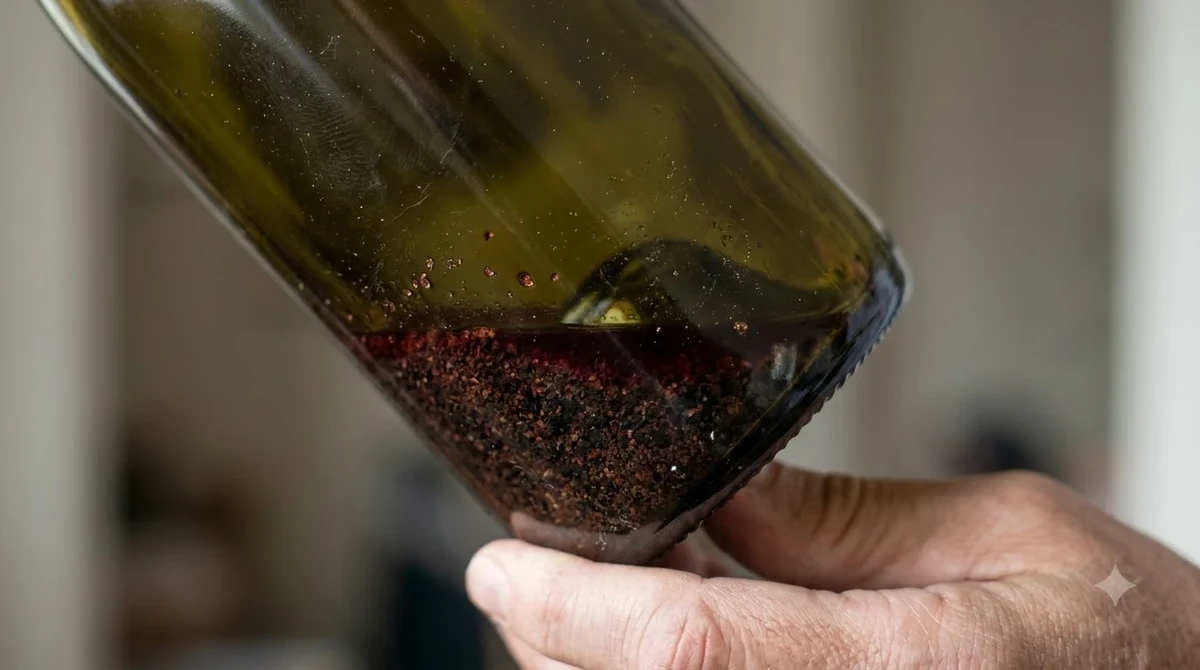
New wine drinkers can benefit from having selections made according to their stated preferences. Someone who generally enjoys smooth Merlot, fruity Pinot Noir, and approachable Chardonnay can use the questionnaire to communicate those preferences before the first shipment arrives. The recommendations provide a starting point rather than requiring detailed knowledge of appellations, vineyard practices, or winemaking techniques. Firstleaf also includes a Wine Concierge service that can help members understand selections and pairing possibilities.
Casual wine enthusiasts may find the service useful because it introduces different grapes and regions without requiring a separate shopping trip for every bottle. A shipment might encourage someone who usually buys California Cabernet Sauvignon to explore Australian Shiraz, French Merlot, or an unfamiliar white wine. That variety can make the experience more interesting, particularly for households that enjoy having several styles available for different meals.
Firstleaf is less compelling for shoppers who prioritize complete control over every purchase. Although members can customize selections and swap available bottles before checkout, the experience still centers on a curated club. People who prefer visiting independent wine shops, examining individual producers, or selecting specific vintages may find traditional retail shopping more suitable.
It is also important to distinguish a wine discovery service from a specialist collector program. Firstleaf offers several membership levels, including a Fine Wine option, but its central proposition is personalized discovery and convenient delivery. Someone searching exclusively for rare Burgundy, mature Bordeaux, or specific collectible bottles should compare individual retailers and specialist merchants before committing to recurring shipments.
Key Factors to Compare Before Joining
The most useful way to evaluate Firstleaf is to compare its personalization, membership structure, selection flexibility, and customer support. These features determine whether the service fits your buying habits more accurately than the appearance of the introductory offer alone.
| Factor | Firstleaf offering | What it means for buyers |
|---|---|---|
| Initial assessment | Wine preference questionnaire | Recommendations begin with stated tastes |
| Membership tiers | 4 plans | Different levels of wine selection |
| Standard shipment | 6 bottles | A manageable assortment for discovery |
| Alternative shipment | 12 bottles | Useful for larger households and entertaining |
| Delivery frequency | Every 2–12 weeks | Adjustable according to consumption |
| Wine feedback | Thumbs-up or thumbs-down ratings | Helps refine later recommendations |
| Membership choices | Classic, Preferred, Premier, Fine Wine | Different levels of wine selection |
| Wine Store benefit | 30% member discount | Additional purchasing flexibility |
| Customer assistance | Wine Concierge | Guidance on selections and pairings |
These details come from Firstleaf’s membership information and customer support documentation. The six-bottle shipment is a useful starting point because it provides enough variety to compare several wines without immediately filling an entire storage area. The 12-bottle option makes more sense for households that regularly entertain or already know that they enjoy the service.
Delivery frequency deserves particular attention. Firstleaf allows members to schedule shipments between 2 and 12 weeks apart. A frequent schedule can suit people who regularly serve wine with dinner, while a longer interval may be more practical for occasional drinkers. The ability to adjust the delivery date is useful, but members should still monitor upcoming orders and make changes before processing.
Selection flexibility is another important consideration. Firstleaf says members can swap wines before checkout and update their preferences as their tastes change. However, the available alternatives depend on the company’s current inventory. That distinction matters: being able to customize a shipment does not necessarily mean every bottle in the catalog will be available for every order.
The membership guarantee also deserves a closer look. Firstleaf’s support documentation explains that customers who dislike a bottle should contact Member Experience within 30 days of delivery. In most cases, the company applies a bottle credit toward a future club order. This is useful protection against an unsuitable recommendation, but it is not necessarily the same as receiving an immediate cash refund.
Step-by-Step: How the Firstleaf Membership Works
Firstleaf follows a straightforward process that begins with a questionnaire and continues through personalized deliveries and customer feedback. Understanding the sequence helps prevent confusion about the first shipment and the recurring membership that follows it.
- Complete the wine questionnaire. Start by answering questions about the styles you enjoy, your preferences for red or white wine, and your willingness to explore unfamiliar selections. Be as accurate as possible rather than choosing answers that sound more sophisticated.
- Review your recommended wines. Firstleaf uses your responses to build a tasting profile and recommend an introductory assortment. Examine the available wine descriptions, including grape varieties, regions, flavor characteristics, and suggested pairings.
- Choose your membership level. Compare Classic, Preferred, Premier, and Fine Wine according to the type of selection you want. Consider the recurring order structure rather than focusing exclusively on the introductory offer.
- Review the introductory order terms. Read the enrollment information before submitting payment. Firstleaf’s introductory order automatically enrolls customers in the club, so understand the future shipment arrangement and recurring charges.
- Receive and examine the wines. When your shipment arrives, organize the bottles according to their styles. Read the accompanying information and consider which wines suit your usual meals and drinking preferences.
- Rate the individual bottles. Give each wine an honest thumbs-up or thumbs-down. Specific feedback about acidity, sweetness, body, and flavor preferences can also help make later conversations with the Wine Concierge more productive.
- Review the next shipment. Before the scheduled order is processed, inspect the proposed selection and make available swaps. Adjust the shipping date or frequency if you do not need another box yet.
The most important part of this process is the feedback stage. An initial questionnaire can establish broad preferences, but it cannot perfectly predict how someone will respond to every grape, region, or winemaking style. Repeated ratings give Firstleaf more information about actual preferences instead of relying entirely on what a customer expects to enjoy.
For example, someone might initially describe a preference for full-bodied red wines but discover that high-tannin Cabernet Sauvignon feels too drying. Their ratings can help communicate a preference for softer Merlot or fruit-forward red blends instead. Similarly, someone who expects to dislike Sauvignon Blanc may discover that its bright acidity works particularly well with seafood and fresh salads.
Firstleaf also provides an online Wine Store, where customers can browse selections by wine color, region, and grape variety. Its support documentation states that nonmembers can purchase bottles through this store as individual purchases. Members receive additional pricing benefits, so the store provides an alternative for people who prefer choosing particular wines instead of relying exclusively on curated boxes.
Tip: Complete the questionnaire honestly, rate every bottle after opening it, and review your upcoming shipment before its processing date. These three habits help improve recommendations and reduce the likelihood of receiving wines you do not want.
Firstleaf Membership Types and Wine Styles Explained
Firstleaf offers four membership tiers designed around different wine-selection preferences. The main distinction is the level of access to the company’s Fine Wine Collection, rather than four completely separate wine clubs with unrelated operating systems.

Classic is the entry-level membership for everyday wine discovery. It focuses on Firstleaf Exclusive wines and is suitable for customers who want approachable bottles without making the Fine Wine Collection the central part of their subscription. Beginners may find this tier a sensible starting point because it allows them to explore different grapes and styles while learning what they enjoy.
Preferred provides a step up for people interested in exploring a broader selection. Firstleaf describes this plan as offering opportunities to discover wines from its Fine Wine Collection. It can appeal to members who have started developing preferences and want to move beyond familiar everyday varieties without choosing the highest membership tier.
Premier is designed for customers who want a premium selection more consistently. Firstleaf specifies that every order includes at least one bottle from the Fine Wine Collection. That makes the tier more appropriate for enthusiasts who want an element of premium discovery in each shipment while retaining access to other selections.
Fine Wine is the most specialized option. All six bottles in the standard shipment come from the Fine Wine Collection. This tier is intended for people who want their subscription to focus entirely on that selection rather than mixing it with the broader Firstleaf Exclusive portfolio.
The distinction between the plans is useful, but the membership level alone does not determine whether a particular bottle will suit your palate. A customer who prefers crisp, high-acidity white wine may enjoy the Classic selection more than a premium shipment dominated by richer or fuller-bodied styles. Personal taste should remain the primary consideration.
Understanding the wine styles
Firstleaf’s selections can include different grape varieties, regions, and wine styles. Understanding a few common categories makes it easier to interpret the recommendations and decide whether a bottle fits a meal.
- Cabernet Sauvignon: Usually full-bodied with pronounced tannins and dark-fruit characteristics. It pairs well with grilled beef, lamb, and other substantial dishes.
- Merlot: Generally softer in tannin than Cabernet Sauvignon, with approachable fruit flavors. It works with roasted poultry, pork, and tomato-based dishes.
- Pinot Noir: A lighter-bodied red with relatively high acidity and low-to-medium tannin. It is a versatile choice for mushrooms, roast chicken, and salmon.
- Chardonnay: A white wine with medium acidity that can range from crisp and citrus-driven to rich and creamy, depending on the growing region and winemaking approach.
- Sauvignon Blanc: Known for high acidity and fresh citrus or herbal characteristics. It suits salads, goat cheese, shellfish, and dishes with fresh herbs.
- Syrah: A fuller red with medium-plus to high tannin and flavors that can include dark fruit and pepper. It pairs well with grilled meats and strongly seasoned food.
- Riesling: A high-acidity white that can range from dry to sweet. Its acidity makes it particularly useful with spicy dishes and foods that have noticeable sweetness.
These grape characteristics provide a practical framework for evaluating recommendations. They also demonstrate why wine color alone is not enough to predict a wine’s character. Two red wines can have very different tannin levels, body, and acidity, just as two white wines can differ considerably in sweetness and texture.
Customers interested in comparing subscription selections with familiar supermarket brands can also explore our guides to Barefoot wine and Firstleaf wine. Those comparisons can help clarify the differences between buying recognizable labels individually and discovering a rotating assortment through a personalized club.
Before selecting a tier, it is sensible to examine the current Firstleaf membership plans and included benefits. The company’s plan descriptions explain how each tier differs, including the Fine Wine Collection requirements. This is more useful than assuming a higher membership level automatically means a better match for every wine drinker.
Common Mistakes When Choosing Firstleaf
The most common Firstleaf buying mistakes involve misunderstanding the recurring membership, expecting perfect personalization immediately, or choosing a plan based on its promotional presentation instead of actual drinking habits. Avoiding these problems makes the subscription easier to manage and evaluate.
Assuming the introductory order is a one-time purchase is perhaps the most important mistake. Firstleaf states that placing an introductory order automatically enrolls the customer in its wine club. The recurring arrangement is disclosed during checkout, but customers who overlook the information may be surprised by the next scheduled shipment. Read the enrollment terms before completing the order and make a note of the next processing date.
Expecting every recommendation to be perfect is another common issue. A questionnaire provides useful information, but personal taste is complicated. Someone might enjoy a grape variety in one region and dislike a different expression of the same variety. Climate, ripeness, oak treatment, acidity, and residual sweetness all influence the finished wine. The first box should therefore be viewed as the beginning of a learning process rather than a guarantee that every bottle will be a favorite.
Choosing the most expensive membership without a clear reason can also lead to disappointment. A higher membership tier provides access to a different selection, but it does not automatically make every bottle more suitable for an individual’s palate. Someone who prefers uncomplicated, fruit-forward wines may have little reason to choose an all-Fine-Wine assortment. Start with the style of wine you actually enjoy rather than the perceived prestige of a plan.
Ignoring the available bottle swaps can reduce the value of the experience. Firstleaf allows members to change available selections before checkout. If the proposed shipment contains several bottles of a grape variety you dislike, take time to inspect the alternatives. The available inventory may limit your choices, but reviewing the box is better than automatically accepting every recommendation.
Failing to provide useful feedback makes personalization less effective. A simple thumbs-down tells the system that a wine did not work, but understanding the reason can help the customer communicate more clearly with the Wine Concierge. For example, disliking a highly acidic Sauvignon Blanc is different from disliking a sweet Riesling. Describing those differences provides more meaningful information for future recommendations.
Independent coverage also highlights some limitations. In its Firstleaf wine subscription review, Reviewed identified restricted customization as a drawback and reported that its initial selection was generally drinkable but not particularly memorable. This is a useful reminder that an attractive subscription format does not guarantee that every selection will impress every customer. Firstleaf is better understood as a discovery service than as a substitute for personally selecting every bottle.
Finally, do not wait until a shipment has already been processed to manage the membership. Firstleaf’s support documentation says that advance notifications are sent seven days before an upcoming club order. It also explains that a processed order cannot be canceled through the ordinary account process and that a recalled shipment may involve a restocking fee. Keep track of the schedule and make any changes early.
Wine Delivery, Storage, and Membership Management Tips
Receiving wine regularly requires a little planning, particularly if several bottles arrive together. Proper storage, sensible serving temperatures, and attention to delivery notifications help preserve the wine and prevent unwanted shipments from accumulating.
For storage, keep unopened bottles away from direct sunlight, excessive heat, and repeated temperature changes. A consistent temperature near 55 degrees Fahrenheit is a useful general target for longer-term storage. Bottles with natural cork closures are generally stored on their sides to keep the cork from drying out. A dedicated wine refrigerator can be helpful, but a cool, dark cabinet is sufficient for bottles intended for relatively early consumption.
Different wines benefit from different serving temperatures. Sparkling wine is generally served between 40 and 50 degrees Fahrenheit, while light whites and rosé are best around 45 to 50 degrees. Fuller-bodied whites are more expressive around 50 to 55 degrees. Light reds benefit from slightly cooler serving temperatures of 55 to 60 degrees, while full-bodied reds are generally served around 60 to 65 degrees.
These ranges matter because serving temperature affects how a wine’s aromas, acidity, sweetness, and alcohol are perceived. A full-bodied red served too warm may seem heavy, while a Chardonnay served too cold can appear less aromatic. Taking a few minutes to adjust the temperature can make a noticeable difference without requiring specialized equipment.
Think about food pairings when planning how to use the shipment. High-acidity wines such as Sauvignon Blanc and Riesling generally work well with acidic foods, provided the wine has at least as much acidity as the dish. Salt and fat can soften the perception of tannin in red wines, making Cabernet Sauvignon a natural partner for richer meat dishes. Sweet wines should generally be at least as sweet as the dessert they accompany.
Spicy food needs more careful consideration. Alcohol and tannin can amplify chili heat, so a high-alcohol Cabernet Sauvignon or Syrah may make a heavily spiced dish feel hotter. A fruit-forward wine with moderate alcohol or a slightly sweet Riesling may provide a more comfortable match. Oily fish can also clash with strongly tannic red wines, making Pinot Noir or a crisp white a more flexible choice.
Opened bottles require attention as well. Refrigerated sparkling wines generally retain their quality for around 1 to 3 days with a suitable sparkling-wine stopper. Still wines typically last about 3 to 5 days in the refrigerator after opening, depending on the wine and storage conditions. Returning a bottle to the refrigerator helps slow oxidation, even for red wine.
Membership management is just as important as physical wine care. Firstleaf allows delivery frequency changes within its 2-to-12-week range, so members can schedule shipments according to their household consumption. If a previous box is still mostly unopened, delaying the next shipment is usually more practical than allowing another delivery to arrive automatically.
Customers should also understand the difference between pausing and canceling when dealing with unused bottle credits. Firstleaf’s membership benefits documentation explains that satisfaction credits generally expire when membership is canceled or terminated. Pausing may preserve those credits for later use, depending on the account circumstances. Contact customer support if a credit is involved before making a final membership decision.
For additional background on different producers, grapes, and wine categories, our broader Wine Brands resource provides a useful starting point for exploring labels outside a subscription program. This can help customers develop a clearer understanding of their preferences and make more informed choices when ordering individual bottles.
Frequently Asked Questions
These additional questions address practical details that can influence whether Firstleaf fits a particular household. They focus on account requirements, wine information, and considerations beyond the basic membership structure.
Does Firstleaf ship wine to every US state?
No, wine shipping availability depends on state laws and delivery restrictions. Alcohol shipments may require an adult signature, and some locations have restrictions on direct-to-consumer wine deliveries. Customers should confirm that their delivery address is eligible before placing an order.
Does Firstleaf provide information about alcohol content?
Wine information supplied with Firstleaf selections can include alcohol percentage, grape variety, origin, tasting notes, and pairing suggestions. These details help customers compare wines beyond their color or general style. Alcohol content can differ between bottles even when the wines share a grape variety.
Can Firstleaf wine be given as a gift?
Wine subscriptions can be arranged as gifts, but the purchaser should pay attention to account ownership and shipment authorization. The recipient’s delivery location must also be eligible for alcohol shipping, and an adult may need to sign for delivery. Confirm who controls the membership before purchasing a recurring arrangement for someone else.
Are Firstleaf wines always produced in the same country?
No. Firstleaf describes its portfolio as including wines from different countries and wine-producing regions. The country of origin, grape variety, and production details can vary between shipments, which is part of the service’s discovery-oriented approach.
Can customers change their Firstleaf wine preferences after joining?
Yes. Firstleaf allows members to update their preferences as their tastes change. Customers can also use the Wine Concierge service to discuss particular wines they enjoy or dislike and communicate more specific preferences that may help shape later selections.
Firstleaf is a practical option for wine drinkers who value convenience, variety, and recommendations that become more personalized over time. Its strongest appeal is the combination of a detailed preference process, four membership tiers, and flexible delivery arrangements. Read the recurring-order terms carefully, review every upcoming shipment, and provide honest feedback before deciding whether the service deserves a regular place in your wine-buying routine.
More in Wine Brands
 Louis Latour Wine Price: Compare Bottles by Style and TierUpdated Nov 20, 2026
 Yellow Tail Moscato Price: What to Expect Before You BuyUpdated Nov 20, 2026
 Sutter Home Sweet Red Review: Find the Right Food PairingsUpdated Nov 20, 2026
 Franzia Chillable Red Review: Find the Right Serving StyleUpdated Nov 20, 2026
 Veuve Clicquot Rose Review: Flavor, Food Pairings and Buying AdviceUpdated Nov 20, 2026
 Rombauer Wine Price: Compare Bottles Before You BuyUpdated Nov 20, 2026