

We may earn a commission when you buy through links on this page, at no extra cost to you. Learn more.
This ferrari carano fume blanc review finds a refreshing, fruit-forward Sonoma Sauvignon Blanc with bright citrus, tropical fruit, and a subtle oak influence that adds texture without dominating the wine. Ferrari-Carano Fumé Blanc is a good choice for drinkers who enjoy aromatic white wines with more body than a particularly lean Sauvignon Blanc. Its combination of stainless-steel fermentation and neutral French oak makes it especially appealing alongside seafood, poultry, fresh vegetables, and moderately spicy dishes.
Fumé Blanc occupies an interesting position among California white wines. It uses the Sauvignon Blanc grape but takes a name associated with a more textured, sometimes oak-influenced interpretation of the variety. Ferrari-Carano has made this wine for decades, and its approach combines ripe fruit, refreshing acidity, and measured winemaking choices. Understanding its flavor profile, production method, and ideal serving conditions makes it easier to decide whether this bottle suits your preferences and dinner plans.
Who This Is For
Ferrari-Carano Fumé Blanc is best suited to people who appreciate fresh Sauvignon Blanc flavors but want a little more roundness and weight on the palate. Its combination of tropical fruit, citrus, stone fruit, and subtle oak makes it a versatile choice for casual meals and more carefully planned dinners.
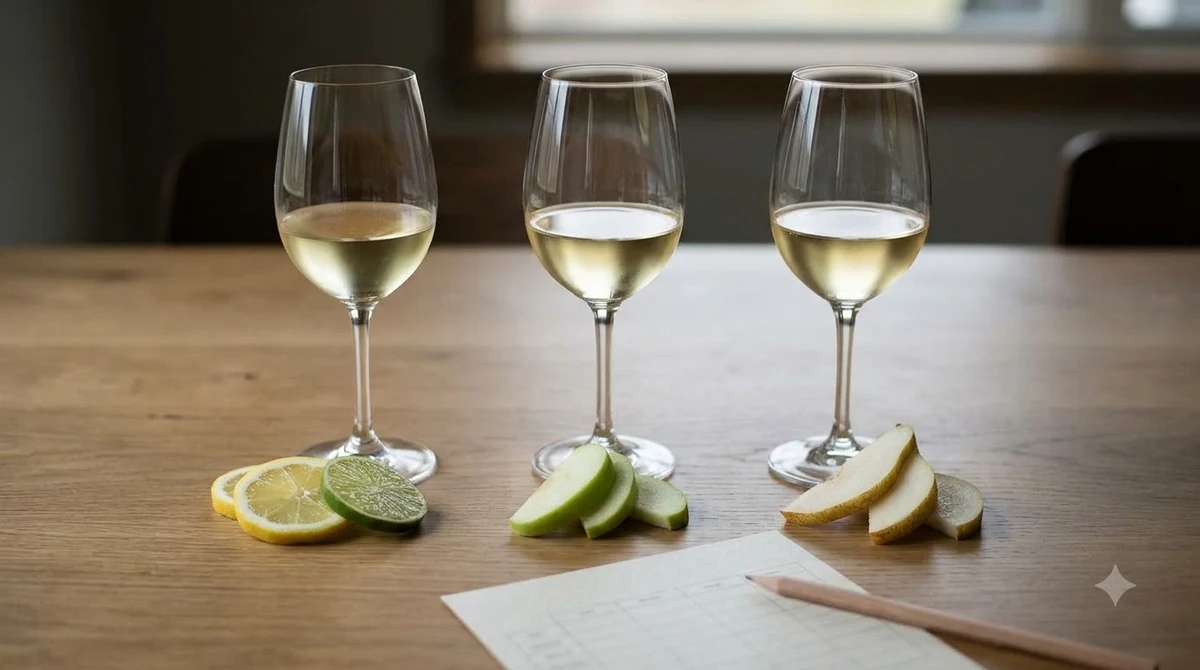
This wine is particularly appealing if you enjoy white wines that balance fruit and freshness rather than leaning heavily toward either sharp green flavors or rich, buttery textures. Ferrari-Carano identifies guava, apricot, and lychee among the aromas of its 2024 North Coast bottling, followed by pineapple, mango, peach, and lemon cream on the palate. These flavors give the wine a recognizable California Sauvignon Blanc personality, with ripe fruit alongside citrus freshness.
The style also suits drinkers who find some Sauvignon Blancs too aggressively grassy or tart. Ferrari-Carano uses neutral French oak alongside stainless steel, adding a softer dimension while preserving the grape’s aromatic character. The result is intended to provide more texture than a completely unoaked white without turning into a heavily oaked Chardonnay-style wine.
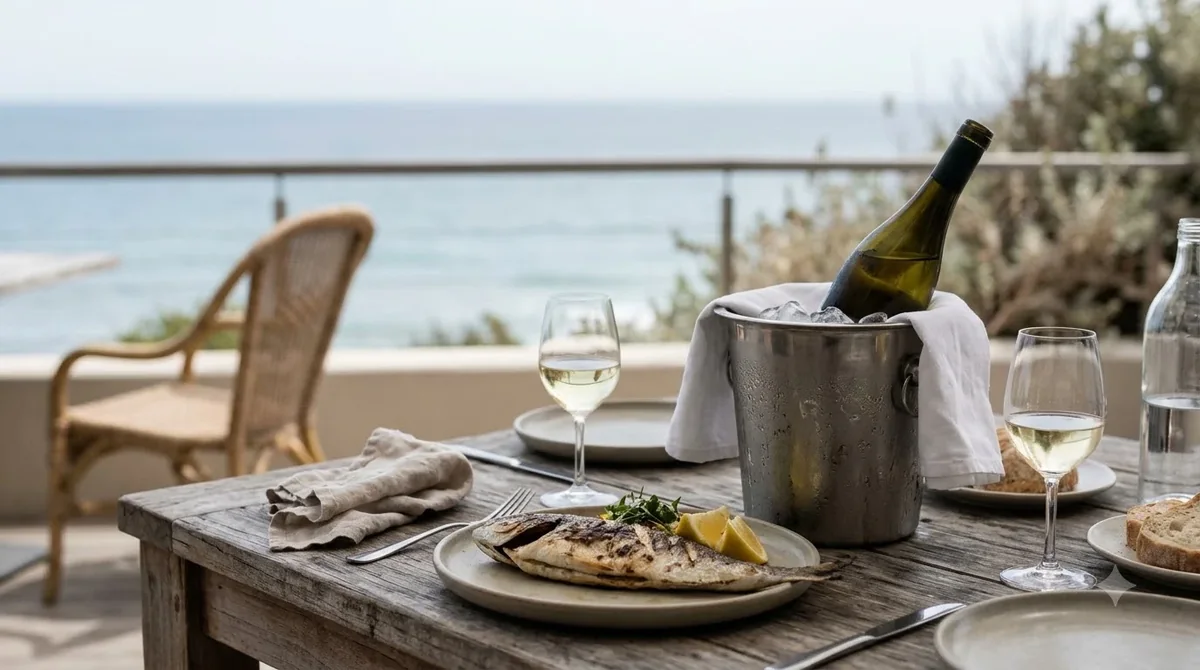
Food-focused wine drinkers have another reason to consider it. The winery recommends seafood, poultry, veal, pork, and a range of Asian and Southwestern cuisines. It can work at a weekend barbecue, a seafood dinner, or a meal featuring fresh herbs and citrus-based sauces. Its versatility makes it useful when one bottle needs to accompany several dishes.
However, drinkers who specifically want an extremely lean, sharply acidic, mineral-driven Sauvignon Blanc may prefer a different style. Those who dislike tropical fruit or prefer completely unoaked whites may also find the Ferrari-Carano approach less suitable. Its fruit-forward character and additional texture are central to its identity rather than incidental details.
Key Factors to Compare
The most important buying considerations are fruit character, acidity, oak influence, alcohol level, and the vintage’s stated origin. Together, these details explain why Ferrari-Carano Fumé Blanc feels different from a simple stainless-steel Sauvignon Blanc.
The winery’s 2024 North Coast listing provides useful technical information for understanding the wine. It reports 13.9% alcohol by volume, acidity of 5.53 grams per liter, and a pH of 3.48. These figures provide context for its relatively ripe fruit profile and refreshing structure.
| Factor | Ferrari-Carano Fumé Blanc | What It Means |
|---|---|---|
| Grape | Sauvignon Blanc | Fresh citrus, fruit, and aromatic character |
| Origin | North Coast, California | A broader regional designation |
| Alcohol | 13.9% ABV | Relatively substantial alcohol for a refreshing white |
| Acidity | 5.53 g/L | Supports freshness and food pairing |
| pH | 3.48 | Provides additional information about acidity balance |
| Stainless-steel portion | Approximately 70% | Preserves freshness and fruit expression |
| Neutral French oak portion | Approximately 30% | Adds texture and additional complexity |
| Barrel lees aging | Two months | Contributes a fuller mouthfeel |
The fermentation percentages and aging method above describe the winery’s general production explanation, while the alcohol, acidity, and pH figures belong specifically to its 2024 North Coast listing. Individual bottlings and vintages can differ, so these figures should not be treated as universal specifications for every bottle.
Oak influence deserves particular attention. Ferrari-Carano describes the stainless-steel portion as the source of freshness and crispness, while neutral French oak contributes body and depth. Neutral barrels are less likely to produce the pronounced vanilla, toast, or spice associated with new oak. This is an important distinction for anyone who enjoys a textured white wine but does not want obvious wood flavors.
Regional labeling is another consideration. The North Coast designation covers a broader Northern California area rather than identifying one small vineyard or valley. Ferrari-Carano describes its Fumé Blanc as drawing primarily on Sonoma County Sauvignon Blanc, making the regional name a useful starting point rather than a complete description of every grape source.
For readers comparing this bottle with other California whites, our guide to Ferrari Carano wine provides a broader starting point for understanding the winery’s range.
Step-by-Step: How to Choose and Serve It
Choosing Ferrari-Carano Fumé Blanc is straightforward if you consider the intended meal, the wine’s freshness, and the serving conditions before opening it. A few simple steps help preserve its aromatic character and make its texture easier to appreciate.
-
Identify the style you enjoy.
Start by deciding whether you prefer crisp Sauvignon Blanc or a fuller interpretation. Ferrari-Carano combines stainless-steel freshness with neutral French oak texture, making it suitable for drinkers who want characteristics of both styles.
-
Consider the vintage and regional designation.
Look for the North Coast or Sonoma identification and compare the vintage-specific information. The winery’s 2024 listing reports 13.9% ABV, while its published tasting description emphasizes guava, apricot, lychee, pineapple, mango, and peach.
-
Match the bottle to the food.
Think about the main ingredients and sauce rather than choosing wine based only on the protein. Seafood with lemon, grilled chicken with herbs, goat cheese, and moderately spicy dishes are all natural candidates.
-
Chill the wine appropriately.
Serve it at approximately 45–50°F. This temperature keeps the wine refreshing while allowing tropical fruit, citrus, and subtle oak characteristics to emerge. Avoid serving it extremely cold because excessive chilling can mute its aromas.
-
Choose an appropriate glass.
A standard white wine glass with a moderately narrow bowl is suitable. It gives the aromas room to develop while directing the wine toward the palate without allowing it to warm too quickly.
-
Pour moderate servings.
A standard wine serving is approximately 5 ounces. A 750 ml bottle therefore provides about five standard glasses, making it suitable for a small dinner gathering.
-
Evaluate the wine as it warms slightly.
Notice how the citrus, tropical fruit, and texture change as the wine approaches serving temperature. The initial impression may emphasize freshness, while a little warmth can make the peach, apricot, and lemon cream characteristics easier to recognize.
Tip: Take the bottle out of the refrigerator shortly before serving and aim for 45–50°F in the glass. If the wine seems too restrained immediately after pouring, give it a few minutes rather than allowing it to warm substantially.
Readers who want a more detailed breakdown of the wine’s aromatic and flavor characteristics can also explore our Ferrari Carano Fume Blanc tasting notes.
Types and Styles Explained
Fumé Blanc is not a separate grape variety from Sauvignon Blanc. The name is associated with California winemaking and can suggest a more textured interpretation of Sauvignon Blanc, although the actual style depends on the producer’s decisions about fermentation, oak, lees, and blending.
Ferrari-Carano’s approach is particularly interesting because it does not rely entirely on stainless steel or barrel fermentation. The winery describes using approximately 70% stainless-steel fermentation and 30% neutral French oak barrels. This split creates two complementary components that are blended before bottling.
Stainless-steel Sauvignon Blanc
Stainless-steel fermentation is commonly used to preserve freshness and aromatic fruit. It allows the grape’s natural citrus, green fruit, and tropical characteristics to remain prominent without adding oak-derived flavors.
In Ferrari-Carano’s explanation, the stainless-steel portion provides bright acidity and freshness. This is particularly useful for seafood, salads, and herb-based dishes, where a crisp wine can refresh the palate between bites. The method also helps maintain a recognizable Sauvignon Blanc character despite the wine’s fuller overall presentation.
Neutral French oak influence
The oak-fermented portion provides another dimension. Neutral barrels are used primarily for their contribution to texture rather than strong new-wood flavors. Ferrari-Carano explains that the wine receives sur lie aging and is stirred every other week for two months.
Lees contact can contribute a softer, more rounded mouthfeel. It helps explain why this Fumé Blanc can feel more substantial than a very lean Sauvignon Blanc without necessarily tasting heavily oaked. The effect is particularly relevant when pairing wine with creamy sauces, poultry, and richer seafood preparations.
Fruit-forward North Coast expression
The North Coast bottling emphasizes ripe fruit alongside freshness. The winery’s 2024 description mentions guava, apricot, lychee, pineapple, mango, peach, and lemon cream. These characteristics suggest a more generous fruit profile than wines dominated by grapefruit, green pepper, or freshly cut grass.
Independent tasting commentary also provides a useful perspective. Wine Enthusiast’s review of the 2022 Ferrari-Carano Fumé Blanc identified grapefruit, just-ripe passionfruit, citrus blossom, cut grass, and capsicum, awarding that vintage 88 points. The review demonstrates that the wine can show a recognizable Sauvignon Blanc herbal and citrus side alongside its ripe fruit character.
The distinction between vintages matters. Different growing conditions and blending decisions can change the balance between tropical fruit, citrus, herbs, and texture. The broader style remains a useful guide, but a particular vintage’s tasting description provides a better indication of what is inside that bottle.
For general background on the naming convention, Ferrari-Carano’s Fumé Blanc and Sauvignon Blanc explanation clarifies why the two names refer to the same grape rather than separate varieties.
Common Mistakes When Buying and Drinking It
The most common mistakes involve assuming that Fumé Blanc must taste heavily smoky, expecting an extremely lean Sauvignon Blanc, or serving the wine at an unsuitable temperature. Understanding the winery’s production approach helps prevent these misunderstandings.
Assuming Fumé Blanc means heavily oaked
The word Fumé Blanc can create expectations of smoke, toasted wood, or pronounced barrel flavors. However, the name does not guarantee a particular oak treatment. Ferrari-Carano uses neutral French oak as part of a mixed fermentation approach, rather than relying exclusively on new barrels.
Drinkers should therefore expect subtle additional texture rather than the strong vanilla, toast, and butter associations sometimes found in heavily oaked white wines. This distinction makes the wine more versatile with food than its name might initially suggest.
Expecting an extremely grassy Sauvignon Blanc
Some Sauvignon Blancs emphasize grapefruit, green pepper, fresh herbs, and sharp acidity. Ferrari-Carano’s published tasting notes place greater emphasis on tropical and stone fruit, including guava, mango, peach, and apricot.
That does not mean the wine lacks citrus freshness. Rather, its fruit profile is more generous and rounded than the leanest examples of the variety. Drinkers who prefer very pronounced herbal character may want to compare it with a more overtly grassy Sauvignon Blanc before choosing.
Serving it too cold
Extremely cold white wine can appear less aromatic and less expressive. If the bottle has been stored in a particularly cold refrigerator, allow it a short period to warm before pouring. A target of 45–50°F provides a good balance between freshness and aromatic expression.
Pairing it with overly heavy dishes
The wine has enough texture to accompany creamy pasta and richer seafood, but the overall balance of the meal still matters. Very heavy sauces, intense sweetness, or strongly smoky flavors can overwhelm its fresh fruit character.
For a better result, use moderate amounts of butter, cream, herbs, and citrus. A grilled fish fillet with lemon and parsley or roast chicken with thyme is generally a more harmonious match than a dish dominated by thick, sweet sauce.
Ignoring alcohol and spice intensity
The 2024 North Coast listing reports 13.9% ABV. This is a useful detail when pairing the wine with chili-forward food because alcohol can intensify the sensation of heat. Moderately spicy Thai, Vietnamese, or Mexican dishes can work well, but very hot sauces may make the wine seem warmer and less refreshing.
Keep the seasoning balanced and use fresh herbs, citrus, or creamy ingredients to soften the overall impression. This allows the wine’s fruit and acidity to complement the meal rather than compete with its strongest flavors.
Care and Storage Tips
Ferrari-Carano Fumé Blanc is best enjoyed as a fresh, aromatic white wine, so proper refrigeration and sensible storage matter more than long-term cellaring. Protecting the bottle from heat, excessive light, and temperature fluctuations helps preserve its fruit character.
Storing an unopened bottle
For longer storage, keep the bottle in a cool, dark environment near 55°F. A wine refrigerator is useful because it provides a more consistent environment than a frequently opened kitchen refrigerator. Avoid leaving the bottle in a hot car, beside an oven, or near a sunny window.
Store bottles on their sides when using a traditional cork closure, particularly if they will remain in storage for an extended period. The goal is to avoid unnecessary exposure to heat and temperature swings that can accelerate unwanted changes in the wine.
Chilling before serving
Refrigerate the wine until it reaches approximately 45–50°F. If it has been stored at cellar temperature, allow enough time for it to cool before serving. A bucket with ice and water can also bring the bottle down to serving temperature more quickly than refrigeration alone.
Do not leave the bottle sitting in ice water for an unnecessarily long period. Once it reaches the desired temperature, remove it and pour as needed. Maintaining a relatively consistent temperature helps preserve the wine’s citrus and tropical aromas throughout dinner.
Keeping an opened bottle fresh
After opening, replace the cork or use a suitable wine stopper and refrigerate the remaining wine. Most opened still white wines retain acceptable drinking quality for approximately three to five days when properly refrigerated.
Exposure to oxygen gradually changes the wine’s aromas and flavors. The bright citrus and tropical fruit notes may become less expressive as the bottle remains open. For the best experience, enjoy the remaining wine within the first few days rather than leaving it on the counter.
Does it need decanting?
Generally, no. Ferrari-Carano Fumé Blanc is designed to be enjoyed as a refreshing white wine, and extended decanting is unnecessary. Pouring it into a glass and allowing it a few minutes to open is normally sufficient.
There is also little reason to treat it like a young, tannic Cabernet Sauvignon that benefits from 30–60 minutes of decanting. Its aromatic fruit and refreshing character are better served by careful chilling and prompt enjoyment.
For a broader introduction to choosing and maintaining bottles from different producers, our Wine Brands guide offers additional context.
Frequently Asked Questions
Is Ferrari-Carano Fumé Blanc a dry wine?
Yes, Ferrari-Carano Fumé Blanc is presented as a dry-style Sauvignon Blanc rather than a dessert wine. Its ripe tropical fruit aromas can create an impression of sweetness even though fruit ripeness and residual sugar are different things. The winery’s tasting descriptions emphasize freshness and bright acidity alongside those ripe flavors.
Does Fumé Blanc contain sulfites?
Like most conventional wines, Ferrari-Carano Fumé Blanc may contain naturally occurring sulfites and may have additional sulfites from winemaking. Sulfite information is distinct from the wine’s grape variety and oak treatment. For specific information about a particular bottling, consult its product labeling or contact the winery.
Can Ferrari-Carano Fumé Blanc be used in cooking?
Yes, a dry Sauvignon Blanc-style wine can work in seafood sauces, pan sauces, and dishes featuring lemon, garlic, and fresh herbs. Its fruit character makes it suitable for light sauces served with fish or chicken. Avoid using a bottle that has developed obvious oxidation or unpleasant aromas.
What is the difference between Fumé Blanc and Pouilly-Fumé?
Fumé Blanc is a California-associated name for Sauvignon Blanc, whereas Pouilly-Fumé is a protected French wine appellation in the Loire Valley. Pouilly-Fumé wines are produced under regional rules and are associated with the Sauvignon Blanc grape. The similar names do not mean that the wines share the same geographical origin or production requirements.
Can Ferrari-Carano Fumé Blanc be aged for several years?
It can be kept for some time under suitable storage conditions, but its fruit-forward, refreshing character makes relatively early consumption a sensible choice. Not every Sauvignon Blanc benefits from extended bottle aging, and the ideal drinking window depends on the vintage and winemaking. For a specific bottle, the winery can provide the most relevant vintage guidance.
Ferrari-Carano Fumé Blanc is a compelling option for anyone seeking a California Sauvignon Blanc with tropical fruit, citrus freshness, and a measured contribution from neutral French oak. Its versatility with seafood, poultry, fresh vegetables, and moderately spicy food makes it a practical choice for many occasions. Choose it if you enjoy expressive fruit and a little extra texture rather than an extremely lean, aggressively herbal white wine.
More in Wine Brands
 Louis Latour Wine Price: Compare Bottles by Style and TierUpdated Nov 20, 2026
 Yellow Tail Moscato Price: What to Expect Before You BuyUpdated Nov 20, 2026
 Sutter Home Sweet Red Review: Find the Right Food PairingsUpdated Nov 20, 2026
 Franzia Chillable Red Review: Find the Right Serving StyleUpdated Nov 20, 2026
 Veuve Clicquot Rose Review: Flavor, Food Pairings and Buying AdviceUpdated Nov 20, 2026
 Rombauer Wine Price: Compare Bottles Before You BuyUpdated Nov 20, 2026