

We may earn a commission when you buy through links on this page, at no extra cost to you. Learn more.
A best wine journal is a notebook built to record what you tasted, where it came from and whether you would buy it again, and the right one depends on whether you want guided prompts for learning, a scoring grid for serious tasting, or a simple log for gifts and travel. Look for a layout that matches how you describe wine, enough room for each entry, and a structure you will keep using after the first month. A journal that fits your habit beats a fancier one you stop opening.
A wine journal turns scattered impressions into something you can compare later. Two bottles of the same grape can taste very different, and a short written note is the easiest way to remember which style you liked and why. This guide sorts the main journal types by how people actually use them, from first-time drinkers to collectors who track a full cellar.
Quick Comparison
Journals differ mainly in how much structure they give you. A guided journal supplies prompts so you never face a blank page, while a blank notebook leaves every choice to you. Scoring journals sit in between, adding grids for ratings that help you compare bottles across a season.
| Format | Layout | Best for | Main limit |
|---|---|---|---|
| Guided journal | Prompts for each tasting step | Learning how to describe wine | Less room for free notes |
| Scoring journal | Grids for ratings and comparison | Serious tasters who rate bottles | Can feel rigid |
| Blank notebook | Open pages | Writers and experienced tasters | Needs self-discipline |
| Cellar log | Columns for vintage, location and drink date | Tracking a collection | Less space for tasting detail |
| Pocket notebook | Small pages | Travel and winery visits | Short entries only |
The table is a starting point. Many people use one journal for tasting and a separate log for storage, and that split is often easier to keep up than trying to make one book do both jobs.
Best for Beginners Learning the Basics
A new drinker often knows whether a wine is pleasant but has no words for why. A guided journal helps by walking through the same questions each time, such as color, aroma, taste and finish. Over a few months those answers form a personal vocabulary.
Why it stands out: the prompts keep entries consistent, so the notes are easy to compare. Keep in mind: prompts can feel like homework, so choose one with short sections you can finish in a few minutes. Best for: someone who wants to learn the stages of tasting without reading a full textbook first.
Best for Serious Tasters Who Score Wines
Tasters who compare many bottles often rate each wine on a common scale. Scoring journals divide the wine into appearance, nose, palate and overall impression, and they leave space for a number in each part. That structure matters because the same wine can be scored on different scales depending on the region.
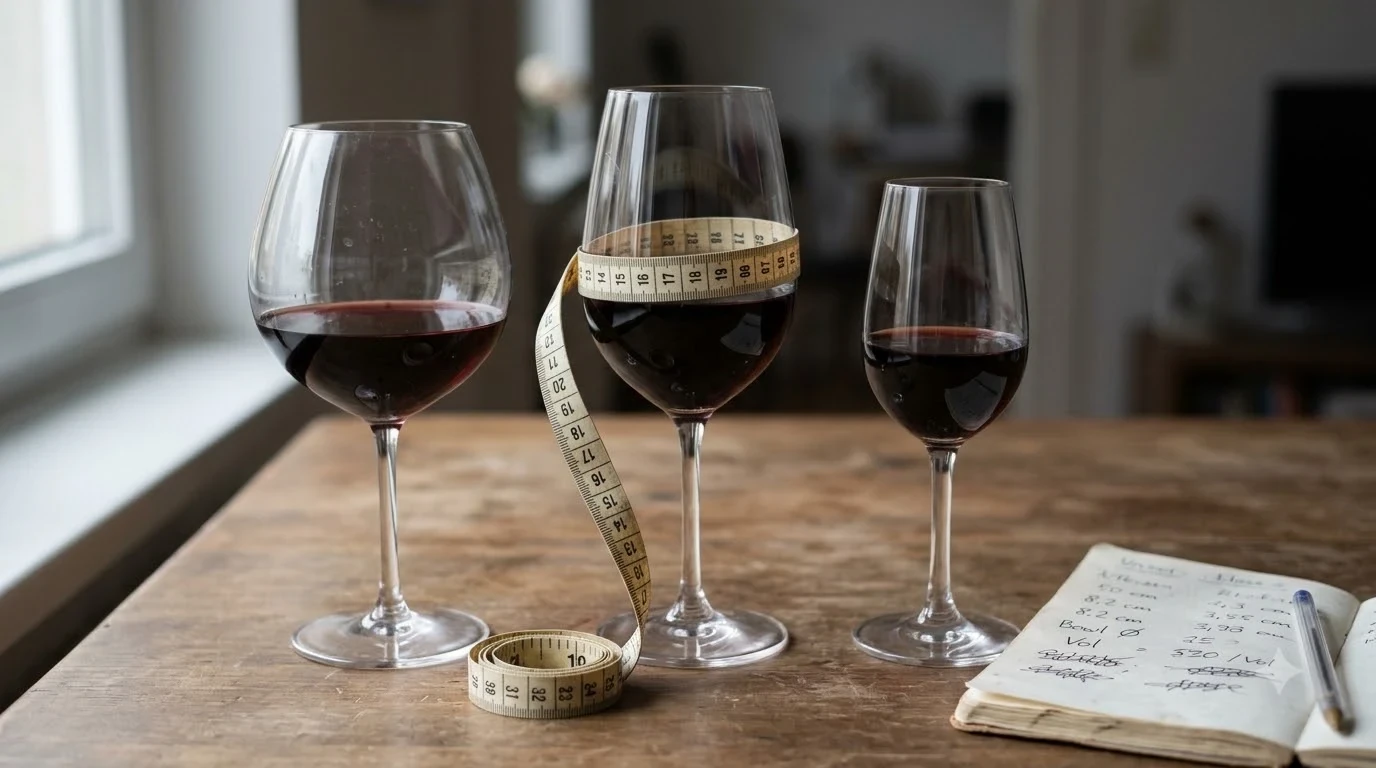
Why it stands out: the grid makes it easy to see which bottles earned high marks in several categories. A tasting done in a flight, with several wines poured side by side, is especially well suited to this layout, because the grid keeps each glass separate in your notes. Keep in mind: a numeric score can hide the details that explain it, so leave room for a sentence. Best for: people who rate wines for a group, a wine club or their own cellar notes.
Best for Gifting to a Wine Lover
A journal can be a thoughtful present for someone who already collects bottles or hosts tastings. The presentation carries much of the appeal, with a clean cover, a ribbon or a slipcase and pages that feel good to write on.
Why it stands out: it gives the recipient a place to keep their own notes, which feels more personal than another bottle. Keep in mind: a gift journal needs a layout the recipient will actually use, so a very rigid grid may go unused. Best for: a wine lover who already has glassware and wants a practical, lasting extra. For more gift ideas, see the wine gift basket guide.
Best for Travel and Winery Visits
Winery visits produce quick impressions that fade by the drive home. A pocket-sized journal fits in a bag, has space to note the producer, the wine and one or two lines about the place, and survives a day of tastings.
Why it stands out: small pages make it easy to write while standing at a counter. Keep in mind: short pages limit detail, so keep entries brief and add fuller notes later. Best for: day trips to a wine region and visits where you taste many producers in one afternoon.
Best for Tracking a Cellar
A cellar log answers a different question from a tasting journal. It records how many bottles you own, when each one should be opened and where it sits. Columns for vintage, producer, location and drink window keep the stock organized as it grows.
Why it stands out: it shows at a glance what needs drinking soon, and it keeps a record of where each bottle was bought and stored. Keep in mind: a cellar log holds little tasting detail, so pair it with a tasting journal for bottles you open. Many collectors also add a column for the date a bottle was last checked, which helps when a wine has been stored for years and its condition needs a second look. Best for: collectors with enough bottles that memory is no longer reliable.
How to Choose
Start with how you want to use the journal. If you are still learning, pick a guided layout. If you already taste with a method, choose a blank or scoring page that fits it. A journal you open each time you drink is worth more than an ornate one you forget.
Next, look at the page layout. Check whether each entry has enough space for a few sentences, whether there is room for the vintage, the region and the grape, and whether the pages lie flat. Pages that stay open make it easier to write while holding a glass.
Paper and binding matter more than they seem. Thick, smooth paper handles pen and pencil without bleeding, and a stitched binding survives years of use better than glue alone. A ribbon marker or an elastic closure keeps the place when the journal sits on a shelf, and a back pocket is useful for printed labels or receipts from a winery visit. None of these features is essential, but each one makes the habit easier to keep.
The vocabulary is the last factor. Tasting notes use a shared set of terms, and the Wikipedia entry on tasting notes lists the aspects a note usually covers, including aroma, acidity, structure, texture and balance. A journal with prompts for those aspects helps you use the terms consistently.
Frequently Asked Questions
What should I write in a wine journal?
Record the wine name, producer, vintage, region and grape, then note what you saw, smelled, tasted and felt in the finish. Add a line on whether you would buy it again and what you ate with it. Those few details make later comparisons far easier.
Do I need a scoring system in a wine journal?
No. Scores are useful for comparing many bottles, but many people enjoy a journal more with written notes alone. If you do score, keep the same scale for every entry so your numbers stay comparable over time.
How can I describe a wine without knowing the terms?
Start with familiar comparisons, such as fruit you recognize or spices you cook with. The Winefolly guide to Cabernet Sauvignon lists flavor notes such as black currant, cedar and graphite, which shows how grape guides use everyday words to describe a wine.
Should I keep one journal or several?
Many people keep two: one for tasting notes and one for the cellar. Tasting notes benefit from room to write, while a cellar log works best as a list of bottles and drink dates. Separate books also stop the storage details from crowding out the tasting entries.
Pick the journal that matches how you actually drink, then write a short entry after every bottle for a month. If you are choosing a gift, the wine lover gifts guide and the Wine Gifts section list other ideas that pair well with a journal. For sizing your next tasting, the guide on how many glasses in a bottle of wine is a practical reference.
More in Wine Gifts
 Best Wine Bottle Opener Gift Set: Which Opener Style to GiveUpdated Nov 18, 2026
 Best Secret Santa Wine Gift Ideas for Any RecipientUpdated Nov 18, 2026
 Best Personalized Wine Glasses for Valentines Day GiftsUpdated Nov 18, 2026
 Best Personalized Wine Glasses for Mothers Day, by StyleUpdated Nov 18, 2026
 Best Hostess Wine Gift Ideas for Dinner Parties and GatheringsUpdated Nov 18, 2026
 Best Wine Gifts for Wife: Romantic and Practical Picks for Date NightsUpdated Nov 18, 2026