

We may earn a commission when you buy through links on this page, at no extra cost to you. Learn more.
Finding the best Chardonnay at Total Wine starts with matching the bottle’s oak aging and climate origin to your preferred flavor profile, whether you want a crisp unoaked white from Chablis or a rich, barrel-aged California bottling. Total Wine stocks hundreds of Chardonnays spanning lean stainless-steel expressions, creamy Sonoma and Napa reserves, and sparkling Blanc de Blancs. Checking the region, alcohol by volume, and back-label winemaking notes lets you pinpoint the exact texture and acidity you want before reaching the register.
Walking down a supermarket-sized white wine aisle can feel overwhelming when dozens of labels share the exact same grape name. Because Chardonnay acts as a winemaker’s blank canvas, two bottles sitting side by side at Total Wine can taste completely opposite. This buying guide breaks down how to decode shelf tags, compare regional styles, and select bottles that fit your dinner table.
Who This Total Wine Chardonnay Guide Is For
This guide serves shoppers working through Total Wine’s expansive white wine aisles who want a reliable framework for choosing between crisp, mineral bottles and rich, oak-aged styles. Whether you are stocking up for a weekend dinner party or picking a single weeknight bottle, understanding a few label clues eliminates guesswork.
Shoppers often arrive at Total Wine with strong opinions about Chardonnay based on past experiences with heavily oaked California bottlings. Many people who claim to dislike Chardonnay actually dislike aggressive new oak and heavy diacetyl butter notes rather than the grape itself. Conversely, fans of plush, full-bodied white wines can feel disappointed if they accidentally grab a razor-lean French bottle meant for raw oysters.
Total Wine organizes its massive inventory by country and region rather than by flavor weight, which splits similar styles across multiple aisles. A crisp, unoaked California Chardonnay like River Road Unoaked sits several rows away from a French Chablis like Domaine Chenevieres, even though both share bright citrus and green apple notes. Learning how to compare these bottles across aisles helps you find consistent favorites, much like knowing how to shop for the best Chardonnay at Trader Joe’s when browsing a smaller curated shelf.
Key Factors to Compare on Total Wine Shelves
Comparing oak treatment, malolactic fermentation, climate origin, and alcohol level reveals how any Chardonnay at Total Wine will taste before you pull the cork. These four measurable traits determine body, acidity, and aroma far more reliably than front-label artwork or shelf talkers.
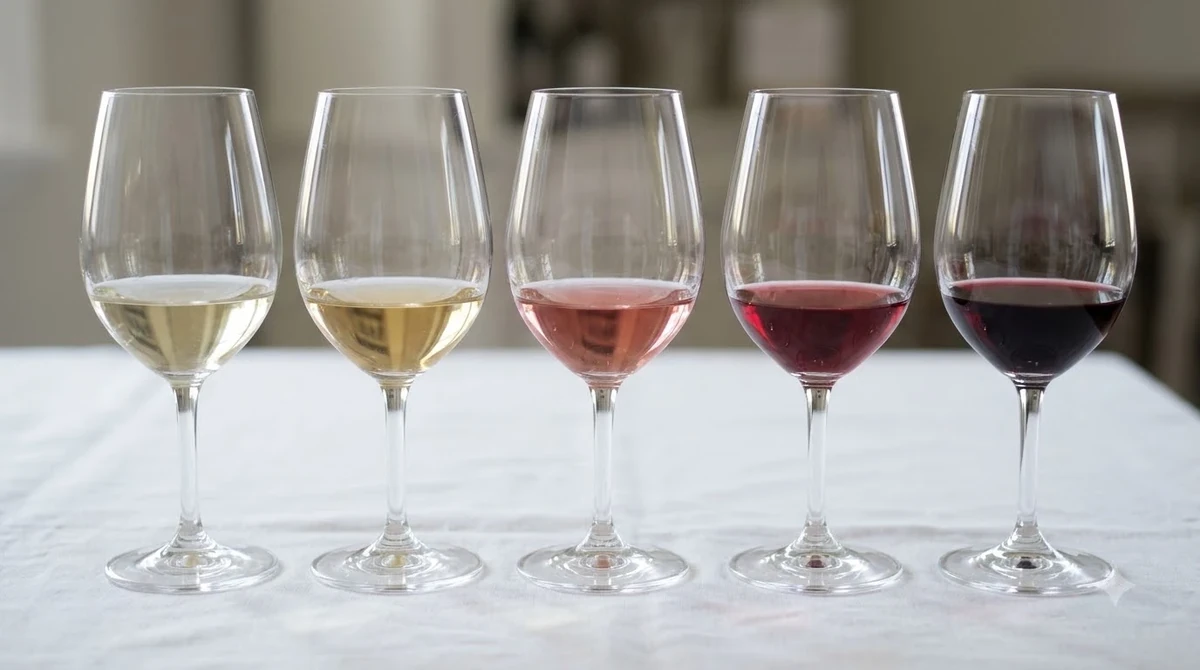
According to Total Wine’s Chardonnay wine guide, still Chardonnays divide primarily into oaked styles matured in wood barrels and unoaked or naked styles fermented in stainless steel. Oak species and barrel toast heavily shape the final glass: American oak imparts bold vanilla and coconut notes, while French oak contributes subtle baking spice and toasted hazelnut. Winemakers also choose whether to put the wine through malolactic fermentation, a biological conversion where Oenococcus oeni bacteria transform sharp malic acid into softer lactic acid and produce buttery diacetyl aromas.
Alcohol by volume printed on the front or back label acts as a dependable proxy for grape ripeness and body weight. Wine Folly notes that lean, cool-climate Chardonnays typically measure between 12 percent and 13.5 percent ABV, while lush, warm-climate California bottlings regularly reach 14.5 percent to 15 percent ABV. Higher alcohol adds viscosity and perceived sweetness on the mid-palate even when the wine is fermented completely dry with zero residual sugar.
| Chardonnay Style | Aging Vessel | Malolactic Fermentation | Typical ABV Range | Core Flavor Notes | Serving Temp |
|---|---|---|---|---|---|
| Crisp & Unoaked (e.g., Chablis, River Road Unoaked) | Stainless steel or neutral concrete | None or minimal | 12.0% – 13.5% | Green apple, lemon zest, wet chalk, pear | 45°F – 50°F |
| Balanced & Lightly Oaked (e.g., Sonoma Coast, Mâcon-Villages) | Used French oak or partial steel | Partial | 13.0% – 14.0% | Yellow apple, white peach, subtle brioche, citrus | 50°F – 53°F |
| Rich & Full-Bodied (e.g., Napa Valley, Carneros Reserve) | New French or American oak barrels | Full | 14.0% – 15.0% | Baked pineapple, vanilla, butterscotch, toasted oak | 53°F – 55°F |
| Sparkling Blanc de Blancs (e.g., Champagne, Crémant) | Stainless steel plus bottle aging on lees | Varies by house | 11.5% – 12.5% | Brioche, lemon curd, green pear, toasted almond | 40°F – 45°F |
Tip: Look closely at the shelf tags in Total Wine aisles to distinguish national brands from Winery Direct selections. Winery Direct bottles come from producer partnerships imported or sourced directly by the retailer, and they often qualify for Total Wine’s Mix 6 volume discounts across six or more 750 ml bottles.
Step-by-Step: How to Pick the Best Chardonnay at Total Wine
Selecting the right bottle takes under five minutes when you follow a structured sequence from aisle navigation to back-label verification. Use these six steps during your next store visit or online pickup order to narrow down hundreds of options.
- Decide your texture preference first. Choose between a crisp, high-acid palate cleanser or a round, creamy white before walking into the store, since this single choice eliminates half the inventory immediately.
- Head to the climate zone that matches your style. Walk to the French Burgundy aisle or the Oregon and Sonoma Coast sections for bright, citrus-driven bottles, or head straight to the Napa Valley, Russian River Valley, and Monterey bays for richer oak expressions.
- Scan the ABV percentage on the label. Pick bottles at or below 13.5 percent ABV if you want lively acidity and lighter body, or select bottles between 14.2 percent and 14.8 percent ABV when you want plush fruit and noticeable barrel richness.
- Read the back label for winemaking keywords. Look for terms like “stainless steel,” “unoaked,” or “naked” for pure fruit, and watch for phrases like “barrel fermented,” “French oak,” or “sur lie” if you enjoy vanilla, toast, and creamy lees texture.
- Check the vintage year for freshness. Grab the most recent vintage on the shelf—typically within one to three years of harvest—for unoaked and everyday Chardonnays, as bright citrus acidity fades with prolonged shelf time.
- Build a mixed six-pack to test regional contrasts. Pair a cool-climate bottle like Domaine Chenevieres Chablis alongside a Russian River Valley bottling such as River Road Reserve to taste how climate and oak transform the same grape side by side.
Chardonnay Styles and Regions Explained
Total Wine’s Chardonnay selection spans four major stylistic categories defined by geography, soil, and cellar technique. Knowing what producers in France, coastal California, and the Southern Hemisphere put into the bottle makes browsing international aisles easy.
Crisp and Mineral Unoaked Styles
Unoaked Chardonnay skips new wood barrels entirely, fermenting in temperature-controlled stainless steel tanks to preserve natural grape aromatics. Chablis in northern Burgundy sets the global benchmark for this style, where vines rooted in fossil-rich Kimmeridgian marl limestone produce steely wines tasting of green apple, Meyer lemon, and oyster shell. At Total Wine, bottles like Domaine Chenevieres Chablis, Luc Pirlet Classique Chardonnay Unoaked, and California’s River Road Unoaked deliver this clean, refreshing profile without any vanilla or butter overlay.
Balanced Coastal and Burgundian Styles
Winemakers seeking middle-ground complexity often ferment Chardonnay in older, neutral oak barrels or blend stainless-steel lots with a small percentage of new French oak. Cool maritime regions such as California’s Sonoma Coast, Santa Barbara County, and the Carneros district—alongside southern Burgundy’s Mâconnais—excel at this poised style. Bottles like Martin Ray Sonoma Coast, The Calling Sonoma Coast, and Luquet Mâcon-Villages balance ripe white peach and lemon curd against vibrant Pacific or limestone acidity and a gentle hint of toasted almond.
Rich, Oaked, and Buttery California Styles
Full-bodied California Chardonnay relies on warm afternoon sunshine, full malolactic fermentation, and aging in new oak barrels with regular lees stirring, known as bâtonnage. Stirring dead yeast cells back into the wine releases mannoproteins that build a silky, weighty mouthfeel alongside brioche and pie-crust notes. Popular Total Wine examples include Rombauer Carneros, Lloyd Chardonnay Carneros, Kendall-Jackson Vintner’s Reserve, and Buttercream Chardonnay, all offering plush flavors of baked pineapple, vanilla bean, caramel, and sweet baking spices.
Sparkling Blanc de Blancs
Food Pairing with Total Wine Chardonnays
Matching Chardonnay to dinner depends on aligning the wine’s acidity and oak weight with the richness and cooking method of your dish. Crisp unoaked styles slice through briny shellfish and sharp cheeses, while barrel-aged California bottles complement creamy sauces and roasted poultry.
Lean, high-acid Chardonnays such as French Chablis or stainless-steel California bottlings pair naturally with raw oysters, steamed mussels, grilled sea bass, and goat cheese salads. According to Wine Enthusiast’s essential guide to Chardonnay, cool-climate bottles retain brisk citrus acidity that refreshes the palate between bites of delicate seafood and herb-driven dishes. Avoid pairing heavily oaked, high-alcohol bottles with raw shellfish or spicy chili dishes, as aggressive wood tannins and 14.5 percent ABV amplify capsaicin heat and clash with metallic ocean flavors.
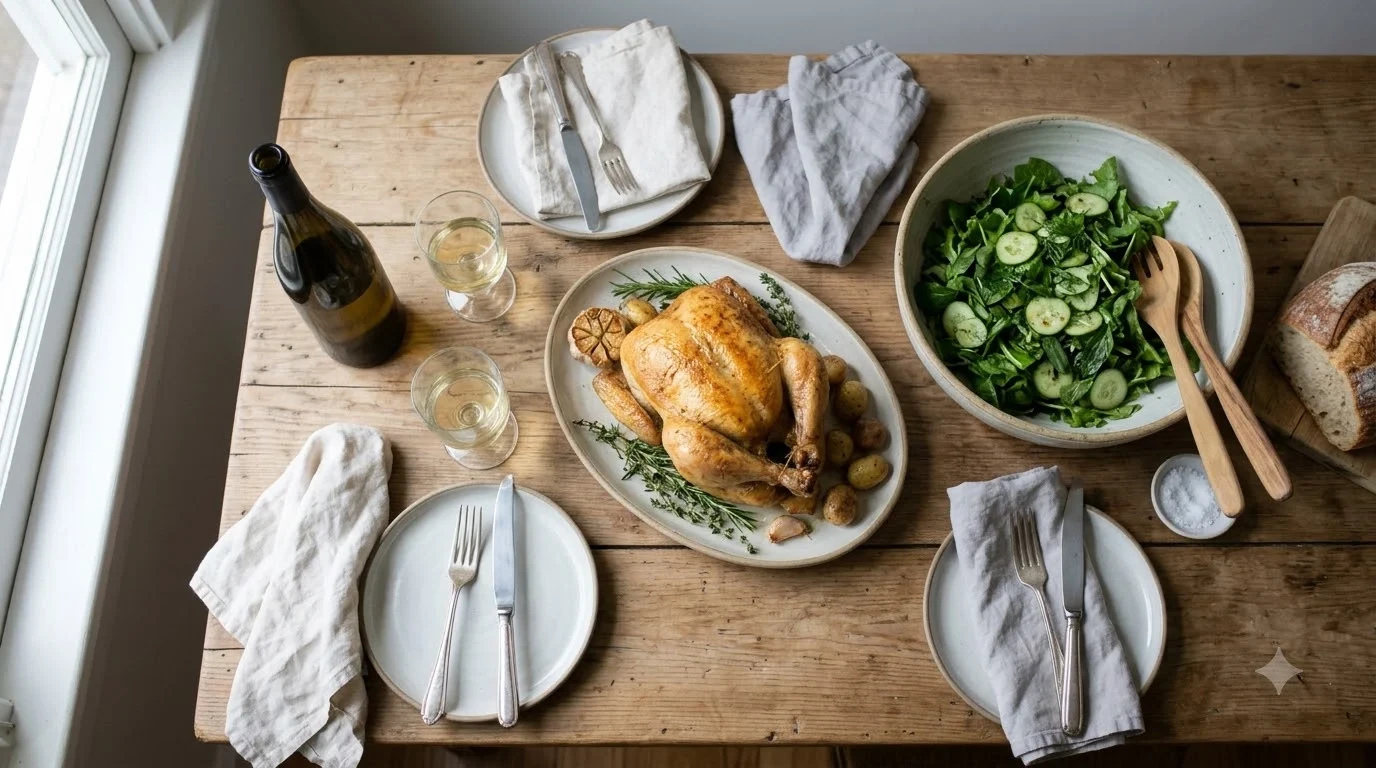
Full-bodied, barrel-fermented Chardonnays from Napa Valley, Carneros, or the Russian River Valley thrive alongside rich, golden-brown proteins and dairy-based sauces. Roast chicken with herb butter, pan-seared scallops, lobster roll, fettuccine Alfredo, and baked brie mirror the creamy diacetyl texture and toasted hazelnut notes built during malolactic fermentation and French oak aging. When hosting a dinner party with varied dishes, a lightly oaked Sonoma Coast or Mâcon-Villages bottle bridges the gap between lighter starters and richer main courses.
Common Mistakes When Buying Chardonnay at Total Wine
Shoppers frequently miss out on great bottles at Total Wine by relying solely on brand familiarity, judging sweetness by fruit aromas, or overlooking vintage dates on everyday shelves. Avoiding four predictable missteps saves money and prevents mismatched bottles at the dinner table.
- Assuming all California Chardonnays taste heavily oaked: While classic Napa and Carneros reserves lean rich and creamy, coastal producers in Sonoma Coast, Anderson Valley, and Santa Barbara increasingly craft bright, restrained wines with minimal new oak.
- Confusing ripe fruit aromas with residual sugar: Nearly all table Chardonnays at Total Wine are fermented dry, meaning ripe pineapple, baked apple, and vanilla notes come from warm-climate sunshine and oak lactones rather than leftover sugar.
- Buying older vintages of entry-level bottles: Everyday unoaked and lightly oaked Chardonnays lose their crisp green-apple snap after two to three years, so check the neck or front label to confirm you are grabbing a recent harvest.
- Ignoring regional sub-appellations on the label: A broad “California” appellation often signals a riper, crowd-pleasing house blend, whereas specific AVAs like Russian River Valley, Arroyo Seco, or Chablis indicate distinct climate-driven acidity and structure.
Serving and Storing Chardonnay at Home
Proper chilling temperature and post-opening storage preserve Chardonnay’s aromatics and prevent muted flavors or premature oxidation. Serving any white wine straight from a 38°F kitchen refrigerator numbs delicate fruit and oak nuances, making even an expressive bottle taste flat.
Total Wine’s serving guidelines recommend chilling unoaked Chardonnay to around 50°F and fuller-bodied oaked Chardonnay to around 55°F so creamy textures and toasted oak spices open up in the glass. Wine Enthusiast notes that reaching 50°F to 55°F takes roughly two hours in a standard refrigerator or 30 to 40 minutes submerged in an ice-water bath, while Total Wine also notes a 25-minute freezer chill works in a pinch if you set a timer. Pour standard 5-ounce servings—yielding five glasses per 750 ml bottle—into a medium-bowled white wine glass for crisp styles or a wider Burgundy bowl for complex barrel-aged selections.
For unopened bottles kept longer than a few weeks, store them horizontally in a dark spot near 55°F so natural corks stay moist and sealed against air ingress. Once opened, re-cork the bottle tightly and place it upright in the refrigerator; Total Wine states that opened Chardonnay stays fresh for 3 to 5 days before oxygen flattens its fruit profile. Shoppers comparing bulk warehouse selections with specialty wine aisles can also review the guide to the best Chardonnay at Costco or explore broader bottle-selection strategies in Routed from Learn.
Frequently Asked Questions
How many calories and carbs are in a glass of Chardonnay?
According to Wine Enthusiast, a standard 5-ounce pour of dry Chardonnay contains roughly 120 calories and between 0 and 4 grams of carbohydrates, while a full 750 ml bottle equals about 625 calories total depending on the wine’s alcohol percentage.
What is the Wente clone mentioned on many California Chardonnay labels?
Wine Folly reports that nearly 80 percent of all Chardonnay vines planted in the United States trace back to the Wente clone, which was brought from Burgundy to California in 1912. Producers highlight Wente clone fruit on labels because its small, unevenly sized berries naturally concentrate citrus acidity and intense stone-fruit flavor.
How does Hungarian oak differ from French and American oak in Chardonnay?
Wine Folly explains that Hungarian oak sits stylistically between bold American oak and subtle French oak, offering medium vanilla and baking-spice notes with balanced wood tannin. Winemakers often use Hungarian barrels to add gentle toast and roundness without overpowering delicate orchard fruit.
Why do some Chardonnays taste noticeably creamier than others even without heavy oak?
Winemakers build creamy texture through lees aging and bâtonnage—regularly stirring spent yeast cells at the bottom of the tank or barrel—even in stainless-steel wines. As yeast cells break down over several months, they release compounds that create a rich, brioche-like mouthfeel without adding wood flavors.
Does Total Wine carry screw-cap Chardonnays and are they lower quality?
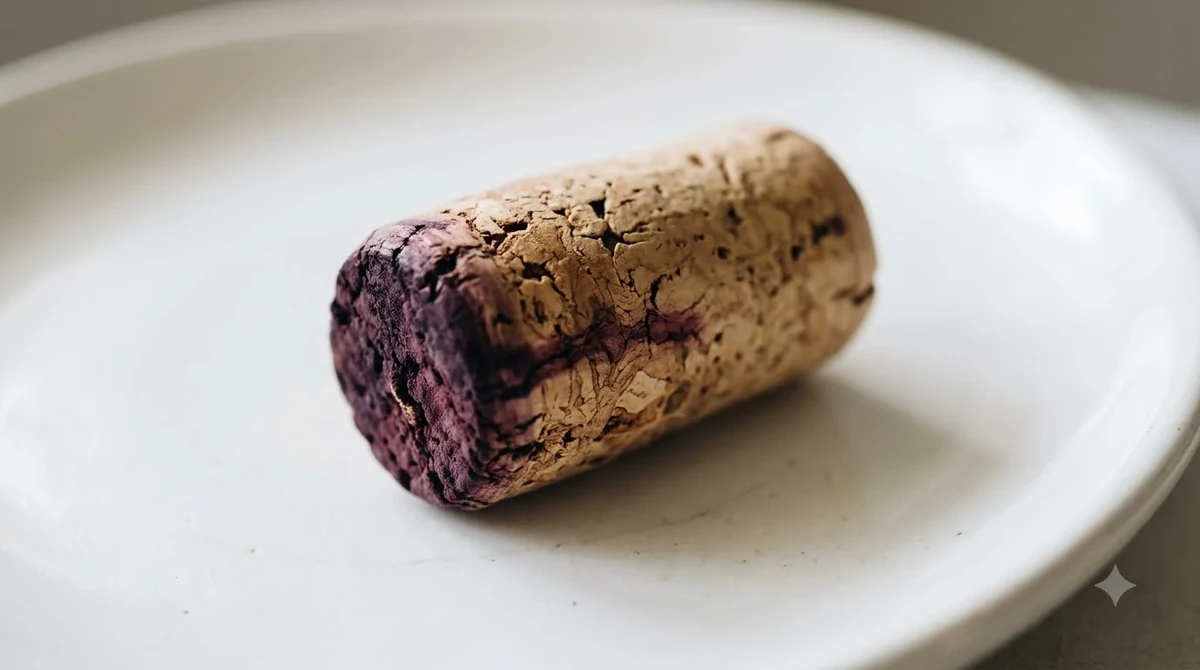
Total Wine stocks numerous high-scoring Chardonnays under Stelvin screw caps from New Zealand, Australia, California, and France. Screw caps eliminate TCA cork taint and preserve crisp, unoaked fruit aromatics consistently for bottles meant to be enjoyed within a few years of release.
Choosing the right Chardonnay at Total Wine comes down to checking three quick details on the bottle: climate origin, alcohol percentage, and oak aging notes. Pair crisp, low-ABV bottles from Chablis or stainless-steel California lots with seafood and fresh salads, and reserve richer, barrel-aged Napa or Carneros bottlings for roasted poultry and creamy pasta dishes.
More in Wine Buying Guides
 Cheap Red Blend: How to Find a Flavorful Bottle for LessUpdated Nov 20, 2026
 Pinot Grigio Gift: How to Choose a Bottle They’ll EnjoyUpdated Nov 20, 2026
 Best White Wine at Total Wine for Every MealUpdated Nov 20, 2026
 Wine Fridge Replacement Shelves: Find the Right FitUpdated Nov 20, 2026
 Best Sparkling Wine Under 20: Find Bubbles Worth BuyingUpdated Nov 20, 2026
 Best Wine For Birthday Celebrations With Perfect Party PairingsUpdated Nov 20, 2026