

We may earn a commission when you buy through links on this page, at no extra cost to you. Learn more.
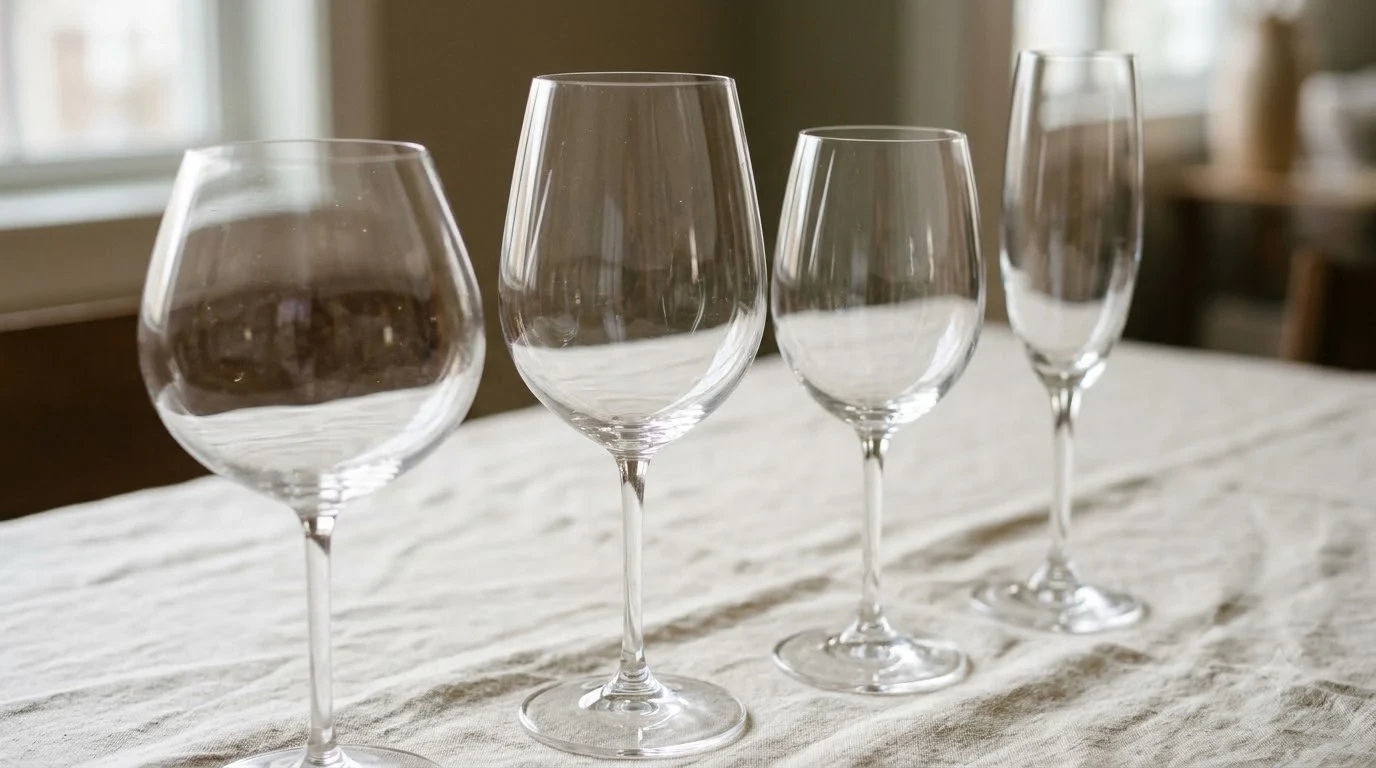
West Elm white wine glasses are a stylish choice for shoppers who want modern tableware, practical serving capacities, and convenient care options. The collection includes distinctive designs such as Borough, Horizon, Metropolitan, and Esme, with several options holding approximately 12 to 13 fluid ounces. Horizon stands out for its lead-free crystal construction, while Borough offers a decorative fluted appearance and Metropolitan provides a straightforward contemporary silhouette. The right choice depends on whether you prioritize material, appearance, everyday practicality, or a coordinated entertaining setup.
West Elm approaches wine glassware as part of a broader dining and entertaining collection. Its white wine glasses range from understated everyday pieces to more decorative stemware that can make a dinner table feel more considered. However, attractive styling alone does not determine whether a wine glass is a worthwhile purchase. Capacity, bowl proportions, material, stem construction, dishwasher compatibility, and the wines you regularly serve all deserve attention. This review compares the available designs using their published specifications and explains what buyers should consider before choosing a set.
Specs and Key Features
West Elm’s white wine glass selection includes several designs with similar capacities but noticeably different materials and appearances. Borough, Horizon, Metropolitan, and Esme provide useful starting points for comparing the collection because their published dimensions and construction details offer practical differences.
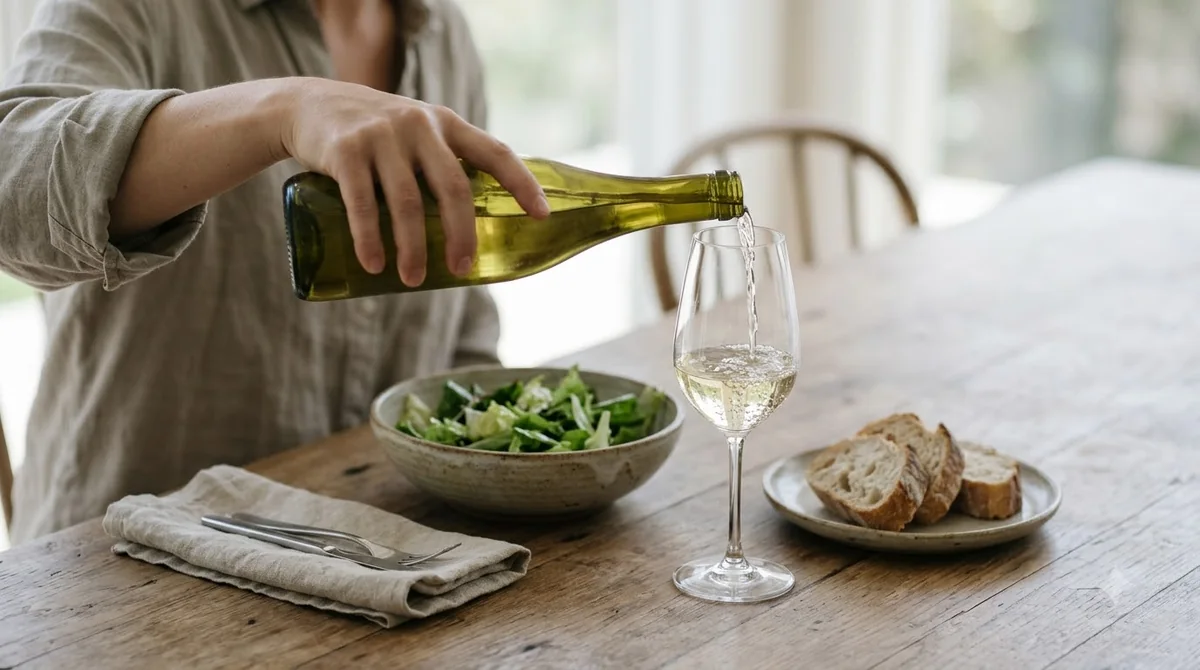
The following comparison focuses on manufacturer-listed specifications rather than assumptions about glass thickness, weight, or durability. Those characteristics should not be treated as identical simply because two glasses have similar dimensions.
| Collection | Dimensions | Capacity | Material | Set Options |
|---|---|---|---|---|
| Borough | 3 x 8 inches | 13 fl oz | Fluted glass | 4 |
| Horizon | 3.3 x 8.3 inches | 13 fl oz | Lead-free crystal | 4 or 8 |
| Metropolitan | 3.2 x 8.6 inches | 12 fl oz | Glass | 4 |
| Esme | 3 x 9 inches | 13 fl oz | 100% soda lime glass | Individual, 4 or 8 |
Borough: This collection emphasizes decorative texture. West Elm describes its glasses as mouth-blown, with fluted construction and smooth, flat-edged rims. Each white wine glass measures 3 inches across and 8 inches high, with a 13-fluid-ounce capacity. The set-of-four format makes it a straightforward option for households that want matching stemware for regular dinners. The dishwasher-safe designation also makes its care requirements more convenient than those of some specialty glassware collections.
Horizon: This design uses lead-free crystal rather than the more general glass descriptions attached to several alternatives. Its white wine glass measures 3.3 inches across and 8.3 inches high, holding 13 fluid ounces. West Elm also identifies the collection as made in Germany and suitable for residential and commercial use. Buyers can choose sets of four or eight, making it a practical consideration for people who regularly entertain larger groups.
Metropolitan: Metropolitan has a slightly smaller stated capacity of 12 fluid ounces. Its dimensions are 3.2 inches across and 8.6 inches high. West Elm describes the collection as dishwasher safe, and the broader range includes stemless, red wine, Grand Cru, and sparkling wine glass styles. This makes it particularly interesting to shoppers who want coordinated drinkware rather than an isolated set of white wine glasses.
Esme: Esme uses 100% soda lime glass and has a 13-fluid-ounce capacity. At 9 inches tall, it is the tallest of the four designs compared here. Its understated fluting and thicker base create a different visual impression from the more angular Horizon collection. West Elm offers the white wine version individually or in sets of four or eight, providing additional flexibility when replacing individual glasses or expanding an existing collection.
All four designs have published dishwasher-safe care instructions. That is a useful shared feature, although dishwasher compatibility does not mean that the glasses are immune to chips, scratches, or damage from contact with other dishes.
For shoppers comparing these options with other brands, the broader selection in our guide to white wine glasses provides additional context about shapes, materials, and everyday serving requirements.
What Owners Like
The strongest appeal of West Elm’s white wine glass collections is their combination of contemporary design and functional specifications. Their stated capacities are suitable for ordinary white wine pours, while the different finishes and silhouettes make it easier to coordinate stemware with a particular dining room or entertaining style.
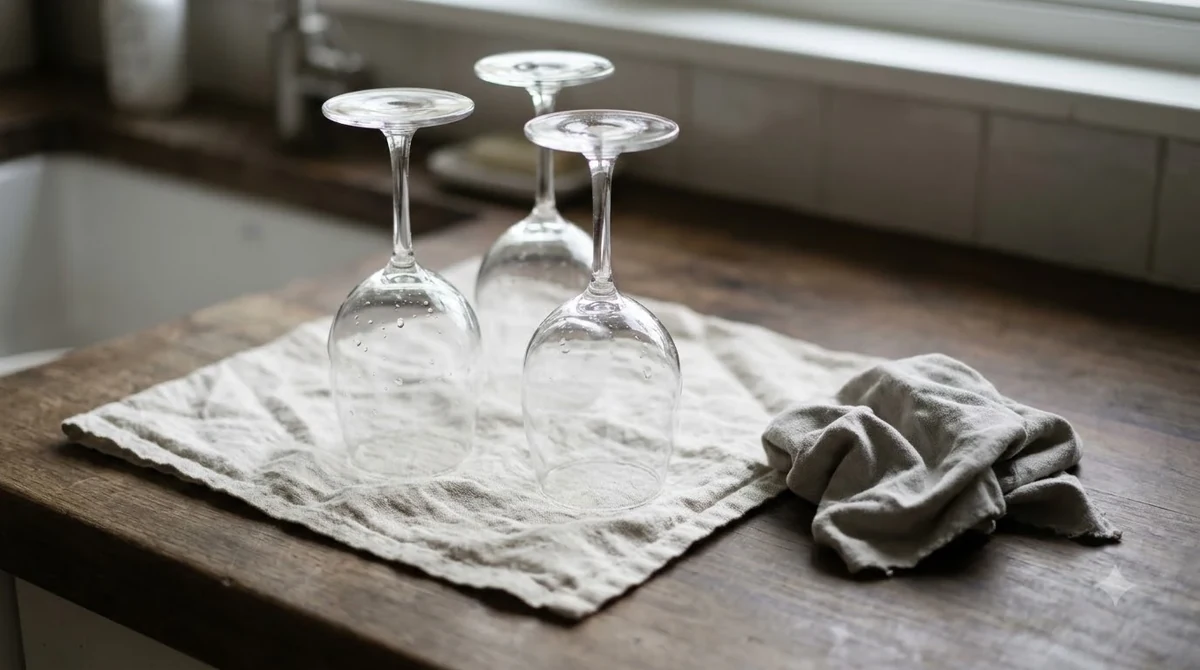
There is an important distinction between manufacturer specifications and verified customer feedback. The published product information establishes dimensions, materials, and care instructions, but those details alone cannot establish a universal owner-review consensus. The following advantages are therefore based on documented product characteristics and the practical benefits they offer buyers.
Decorative designs without excessive ornamentation
Borough is especially appealing to people who prefer texture over elaborate decoration. Its fluted glass catches light differently from completely smooth stemware, creating visual interest without requiring colored glass or complicated patterns. The smooth, flat-edged rim also gives the design a more distinctive appearance than an ordinary everyday tumbler.
Esme offers another approach. Its subtle fluting and thicker base create a slightly more substantial visual profile. For a table setting with neutral dinnerware, linen napkins, and simple serving pieces, this type of understated glassware can complement the rest of the arrangement without competing for attention.
Practical capacities for regular pours
The 12-fluid-ounce Metropolitan glass and the 13-fluid-ounce Borough, Horizon, and Esme glasses offer reasonable capacity for standard white wine service. A typical wine pour is 5 ounces, so none of these designs requires filling the bowl close to its rim for an ordinary serving.
Leaving space above the wine is important. It provides room to swirl the glass gently and directs aromas toward the opening. It also reduces the likelihood of spills when carrying stemware between the kitchen and dining area.
Options for coordinated entertaining
Horizon is particularly useful for shoppers who need a larger matching set. Its availability in four- and eight-piece configurations gives households flexibility when setting up for a small dinner or a larger gathering. Esme also provides multiple purchasing formats, including individual glasses.
Metropolitan is another sensible option for people who prefer coordinated glassware. Because its collection includes multiple wine and beverage styles, shoppers can build a consistent table setting instead of mixing unrelated designs from different manufacturers.
Convenient manufacturer-listed care
Dishwasher compatibility is a meaningful practical feature. All four compared collections are identified as dishwasher safe by West Elm, so buyers do not have to assume that every glass requires individual handwashing after an ordinary meal.
This convenience is particularly valuable for households that entertain frequently. Washing eight or twelve glasses by hand after dinner can be inconvenient, especially when there are also plates, cutlery, and serving dishes to clean. A dishwasher-safe designation gives buyers another reason to consider these collections for regular rather than occasional use.
Common Complaints
The main considerations before purchasing West Elm white wine glasses concern fragility, limited published material details for some designs, and the difference between decorative appeal and specialist wine-serving performance. These are purchasing considerations rather than claims that every owner experiences a particular problem.
Glassware still requires careful handling
A dishwasher-safe designation does not mean a wine glass cannot break. Stemmed glassware has vulnerable areas, particularly where the bowl meets the stem and where the stem connects to the base. Contact with metal cookware, other glasses, or the dishwasher rack can create chips or cracks over time.
The American Cleaning Institute recommends spacing glasses apart in the dishwasher and avoiding heated drying when possible. Its guidance also explains that washing special glassware by hand can offer better long-term results. These precautions are useful even for products whose manufacturers specifically permit dishwasher cleaning.
The taller Esme glass, at 9 inches, may also require more attention when arranging dishwasher racks than shorter everyday drinking glasses. Buyers should measure their available rack clearance before assuming that every stemware design will fit comfortably.
Not every material is equally specialized
Horizon has a clearly stated lead-free crystal construction, while Esme is explicitly made from soda lime glass. Borough is described as fluted glass, and Metropolitan is identified simply as glass in the published specifications.
This means buyers should not assume that every West Elm white wine glass has the same clarity, manufacturing process, weight, or resistance to damage. Crystal and ordinary glass are not interchangeable material descriptions, and a more decorative design does not automatically indicate superior wine-serving performance.
Horizon may be the clearest choice for shoppers who specifically want lead-free crystal. People who care more about appearance than material classification may find Borough or Esme more attractive.
Capacity is not the same as usable serving space
A 13-fluid-ounce capacity sounds generous, but maximum capacity does not describe the amount of wine that should be poured during a tasting or dinner. A standard 5-ounce serving occupies considerably less than the full capacity of these glasses.
There is also a difference between a glass’s overall dimensions and its bowl shape. Two glasses can hold the same amount while providing different room for swirling and different aromatic concentration at the rim. The published specifications do not provide detailed bowl-volume measurements or rim diameters for every design.
Limited specialist information
West Elm provides useful product details, but the published specifications do not establish the precise rim thickness, weight, thermal characteristics, or long-term resistance to breakage of each collection. Those details matter to shoppers who are especially particular about professional tasting glassware.
For that reason, buyers seeking highly specialized glasses for particular white grape varieties may want to compare West Elm’s general-purpose designs with varietal-specific options from established wine-glass manufacturers. A stylish glass can serve wine perfectly well without being optimized for every aromatic characteristic.
Who Should Buy and Who Should Skip
West Elm white wine glasses make the most sense for shoppers who value coordinated home entertaining, attractive tableware, and practical capacities. They are less compelling for buyers whose first priority is highly specialized tasting performance or the lowest-maintenance possible drinking vessel.
Who should consider buying them?
Design-conscious homeowners: People who coordinate dinnerware, serving bowls, linens, and furniture may appreciate the variety of glassware designs. Borough’s fluting and Esme’s thicker base offer distinctive appearances, while Horizon has a cleaner crystal look.
Regular white wine drinkers: The 12- to 13-fluid-ounce capacities provide useful room for ordinary 5-ounce servings. Sauvignon Blanc, Pinot Grigio, Riesling, and Chardonnay can all be served comfortably in a suitable general-purpose white wine glass.
Hosts who need matching sets: Horizon’s four- and eight-piece configurations make it an appealing option for entertaining. Esme also offers different set sizes and individual purchasing options, which can help when replacing a missing glass.
People who prefer dishwasher-compatible glassware: The four collections discussed in this review have manufacturer-listed dishwasher-safe care instructions. That makes them worth considering for households that want decorative stemware without committing to handwashing every piece.
Shoppers building a coordinated collection: Metropolitan is particularly interesting because the wider range includes several types of drinking glasses. Buyers who want matching white wine, red wine, and other beverage glasses may appreciate this broader collection approach.
Who should skip them?
Buyers seeking highly specialized tasting equipment: A general-purpose white wine glass is not necessarily the ideal vessel for every grape variety. For example, aromatic Sauvignon Blanc and richer, oak-aged Chardonnay can benefit from different bowl proportions.
Households that frequently break stemware: People who prefer casual, sturdy drinkware may find stemless or purpose-built break-resistant alternatives more practical. A traditional stemmed wine glass requires some care regardless of its manufacturer.
Buyers who want verified durability comparisons: West Elm’s listed specifications do not provide standardized breakage testing or comparative longevity measurements across Borough, Horizon, Metropolitan, and Esme. Shoppers who require those details should seek independently documented testing before making a decision.
People who dislike tall storage requirements: The 8- to 9-inch heights of these four options may require dedicated cabinet space. Buyers with compact kitchen storage should measure shelf clearance before choosing a full set.
If you are choosing glassware for both red and white wines, our overview of wine glasses can help identify versatile alternatives and explain where dedicated varietal-specific shapes make a difference.
How It Compares to Alternatives
West Elm competes primarily through design variety and coordinated home entertaining rather than an exclusively technical approach to wine glass engineering. Comparing its products with specialist alternatives helps clarify whether appearance, wine-specific functionality, or long-term convenience should drive the purchasing decision.
West Elm Horizon versus specialist crystal glassware
Horizon is the strongest choice within the four compared West Elm collections for buyers specifically seeking lead-free crystal. Its German manufacturing, stated 13-fluid-ounce capacity, and dishwasher-safe designation provide useful product information.
However, specialist glass manufacturers often organize their collections around particular grape varieties. Riedel, for example, explains that different white wines have different glassware requirements and that narrower bowls can help preserve delicate aromas.
Its guide to white wine glasses explains why a single general-purpose glass cannot necessarily optimize every wine. For shoppers who primarily want attractive, versatile stemware, Horizon remains a reasonable option. For people who regularly compare wines by variety and aromatic profile, specialist glassware deserves consideration.
Borough versus smooth everyday stemware
Borough distinguishes itself through fluted glass and its mouth-blown construction. That gives it a more decorative character than a plain, smooth-sided glass. Its 13-fluid-ounce capacity and 8-inch height also make it suitable for ordinary white wine service.
A smooth glass may be preferable for buyers who want a completely neutral appearance or prioritize easy visual inspection of the wine. Clear, undecorated glass also makes it straightforward to observe color and clarity under different lighting conditions.
The choice between Borough and simpler stemware is largely aesthetic. Both approaches can work for everyday service, provided the bowl shape allows an appropriate serving and comfortable handling.
Metropolitan versus versatile universal glasses
Metropolitan’s 12-fluid-ounce white wine glass is the smallest by stated capacity among the four options compared. It is a sensible choice for shoppers who prefer a slightly more compact serving vessel and want coordinating pieces from the same collection.
A universal wine glass, by contrast, attempts to serve multiple wine styles in one design. This can be useful in small kitchens where cabinet space is limited. However, a dedicated white wine glass generally has a narrower bowl than a typical full-bodied red wine glass.
Our guide to red wine glasses explains why larger bowls are often used for Cabernet Sauvignon and other fuller-bodied reds. Using separate stemware for red and white wines can therefore make sense for people who entertain frequently.
Esme versus decorative glassware
Esme is an attractive option for shoppers who want a recognizable design feature without moving toward a highly elaborate or colorful appearance. Its soda lime construction, fluted styling, 13-fluid-ounce capacity, and 9-inch height give it a clear identity within the West Elm range.
Compared with a simpler universal glass, Esme is more visually distinctive. However, its taller dimensions may make storage more demanding. The individual purchasing option is helpful for replacing one glass, but buyers who need a perfectly matched collection should pay attention to the exact product variation.
Which glass performs best for different wines?
For crisp, aromatic wines such as Sauvignon Blanc, a narrower bowl is generally useful because it concentrates delicate aromas. For richer Chardonnay, a somewhat broader bowl can give the wine more room to express its texture and aromas.
West Elm’s listed dimensions are useful starting points, but the company does not publish enough detailed bowl geometry to establish that one of these four designs is definitively superior for a particular grape variety.
For general entertaining, any of the four can provide a suitable setting for ordinary white wine service. For dedicated wine tasting, the more important question is whether the bowl shape matches the wine style rather than whether the glass comes from a particular home furnishings retailer.
Frequently Asked Questions
Can West Elm white wine glasses be used for sparkling wine?
Yes, a general-purpose white wine glass can be used to serve sparkling wine, although it will not preserve bubbles in quite the same way as a dedicated sparkling wine glass. A narrower flute is traditionally used to emphasize the stream of bubbles, while a tulip-shaped glass provides more room for aromatic development. The choice depends on whether visual presentation or aroma is the priority.
Are West Elm white wine glasses suitable for professional wine tasting?
They can be used for informal tastings and comparative wine service. However, professional tasting environments often favor standardized glass shapes so that wines can be compared under consistent conditions. The ISO wine-tasting glass is a recognized example of a standardized tasting vessel.
Does lead-free crystal contain no other minerals?
No. Lead-free crystal can contain other mineral ingredients that contribute to its optical and physical characteristics. The term specifically distinguishes the material from traditional lead crystal rather than indicating that the glass contains no mineral components whatsoever.
Should wine glasses be polished immediately after washing?
Polishing while the glass is still slightly warm can help remove water spots and improve clarity. Use a clean, lint-free microfiber cloth and avoid applying twisting pressure between the bowl and stem. Allowing glasses to become completely dry before polishing can make mineral spots more difficult to remove.
How many wine glasses should a household keep?
A practical collection depends on the number of people who regularly share meals and the frequency of entertaining. A household that hosts four guests may want at least eight white wine glasses to allow for replacement pours and multiple wine selections. Larger collections are useful when serving several varieties during the same gathering.
West Elm’s white wine glass collections are worth considering for shoppers who want attractive, coordinated stemware with practical everyday capacities. Horizon is the most clearly specified option for lead-free crystal, Borough is appealing for decorative fluting, Metropolitan suits coordinated drinkware collections, and Esme offers flexible purchasing formats. Compare the dimensions, materials, and storage requirements before choosing a set, and prioritize the design that best matches the way you actually serve wine.
More in Wine Glasses
 Spiegelau Crystal Wine Glasses That Bring Clarity to Every PourUpdated Nov 21, 2026
 Zalto Crystal Wine Glasses: Are They Worth the Investment?Updated Nov 21, 2026
 Villeroy And Boch White Wine Glasses for a More Cohesive TableUpdated Nov 21, 2026
 Zalto Wine Glasses On Sale: Find the Right Denk’Art GlassUpdated Nov 21, 2026
 Zwiesel Glas Champagne Glasses: Features, Quality and Buying AdviceUpdated Nov 21, 2026
 Zwiesel Glas Decanter Review: A Durable, Elegant Choice for Wine ServiceUpdated Nov 21, 2026