

We may earn a commission when you buy through links on this page, at no extra cost to you. Learn more.
Syrah alcohol content typically ranges from 13.5% to 15% ABV, placing it among the fuller-bodied dry red wines on the shelf. Bottles from cooler regions like France’s Northern Rhône usually land between 13% and 14.5% ABV, whereas warm-climate bottlings labeled Shiraz from Australia or sunny parts of California commonly reach 14% to 15.5% ABV. That higher alcohol level gives Syrah its signature plush texture, warming finish, and concentrated dark fruit profile.
Knowing where a bottle falls on that spectrum makes it much easier to predict how heavy, spicy, or fruit-forward it will taste before you pull the cork. Because climate, harvest timing, and winemaking style all push fermentation numbers up or down, checking the label alongside the region gives you a reliable preview of what is inside the glass.
What Syrah Alcohol Content Means for the Wine
Syrah is a dark-skinned red wine grape originally from southeastern France that produces opaque, full-bodied wines with medium-high tannins and brisk natural acidity. Its alcohol by volume sits comfortably above lighter reds like Pinot Noir or Beaujolais and lines up closely with Cabernet Sauvignon, Malbec, and Grenache.
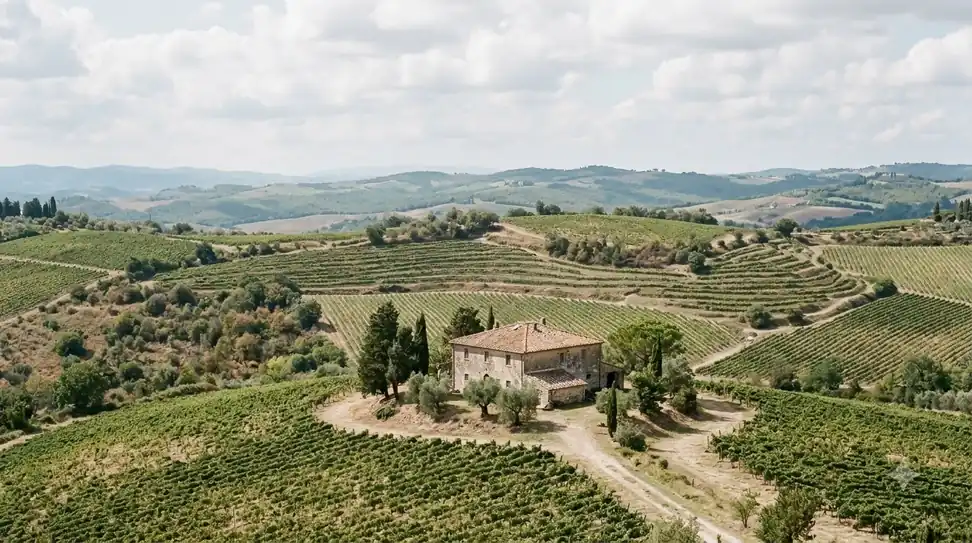
During fermentation, wine yeast converts natural grape sugars into ethanol and carbon dioxide. Because Syrah thrives in sunny growing regions and develops thick, pigment-rich skins, its berries accumulate substantial sugar levels as they ripen on the vine. When winemakers ferment those ripe grapes completely dry—leaving little to no residual sugar—the resulting wine naturally reaches 13.5% to 15% ABV.
On the palate, that alcohol contributes much more than strength alone. Ethanol adds viscosity and perceived weight, softening the grip of Syrah’s firm tannins and carrying aromatics of blackberry, blueberry, black pepper, smoked meat, and violet across the mid-palate. If the alcohol climbs too high without enough acidity to balance it, however, the finish can feel fiery rather than plush.
Compared with fortified styles, Syrah remains a standard table wine rather than a spirit-boosted pour. Even bold New World bottles stay well below tawny port alcohol content or marsala alcohol content, both of which rely on added grape spirits to reach higher strength and preserve sweetness.
Syrah ABV by Region and Style
Geography is the single biggest driver of Syrah’s alcohol level, because sunshine hours and heat determine how much sugar the grapes build before harvest. Old World European regions favor restraint and savory complexity, while warm New World appellations push ripeness and higher ABV.
In France’s Northern Rhône Valley—home to iconic appellations like Côte-Rôtie, Hermitage, Cornas, and Saint-Joseph—cooler temperatures and granite slopes yield Syrah with 13% to 14.5% ABV. According to Wine Folly, French Syrah typically sits in that 13.5% to 14.5% bracket, delivering bright acidity, cracked pepper, olive, and floral lift rather than jammy weight. Further south in the Rhône, Syrah is frequently blended with Grenache and Mourvèdre, where warm Mediterranean breezes nudge alcohol closer to 14.5%.
Across the globe in Australia, the exact same grape is bottled as Shiraz and expresses a markedly riper personality. Warm regions like the Barossa Valley and McLaren Vale give grapes extended hang time on the vine, routinely producing wines between 14% and 15.5% ABV, with select high-extract bottlings reaching 16% ABV. American Syrah from California’s Paso Robles or Washington’s Columbia Valley generally bridges the gap, hovering around 14% to 15% ABV with lush blueberry and cocoa notes backed by structure.
| Region or Style | Typical ABV Range | Climate Influence | Core Flavor Profile |
|---|---|---|---|
| Northern Rhône (France) | 13% – 14.5% | Cool to moderate continental | Blackberry, white and black pepper, violet, smoked meat, olive |
| Washington State (USA) | 13.5% – 14.5% | Warm days, cool desert nights | Dark plum, blueberry, crushed herbs, savory spice |
| California (USA) | 14% – 15% | Warm, sun-drenched valleys | Jammy blackberry, milk chocolate, vanilla, sweet tobacco |
| Barossa & McLaren Vale Shiraz (Australia) | 14% – 15.5% | Warm Mediterranean | Ripe boysenberry, licorice, clove, plush oak spice |
| Cool-Climate Shiraz (Yarra Valley, Chile) | 13% – 14% | Coastal or high-altitude breezes | Tart black cherry, green peppercorn, graphite, fresh herbs |
Flavor, Body, and Calorie Impact of Higher ABV
Alcohol percentage directly shapes how Syrah feels in your mouth, how intensely its oak aging shows up, and how many calories land in a standard five-ounce pour. Understanding these connections helps you match the bottle to your palate and your evening.
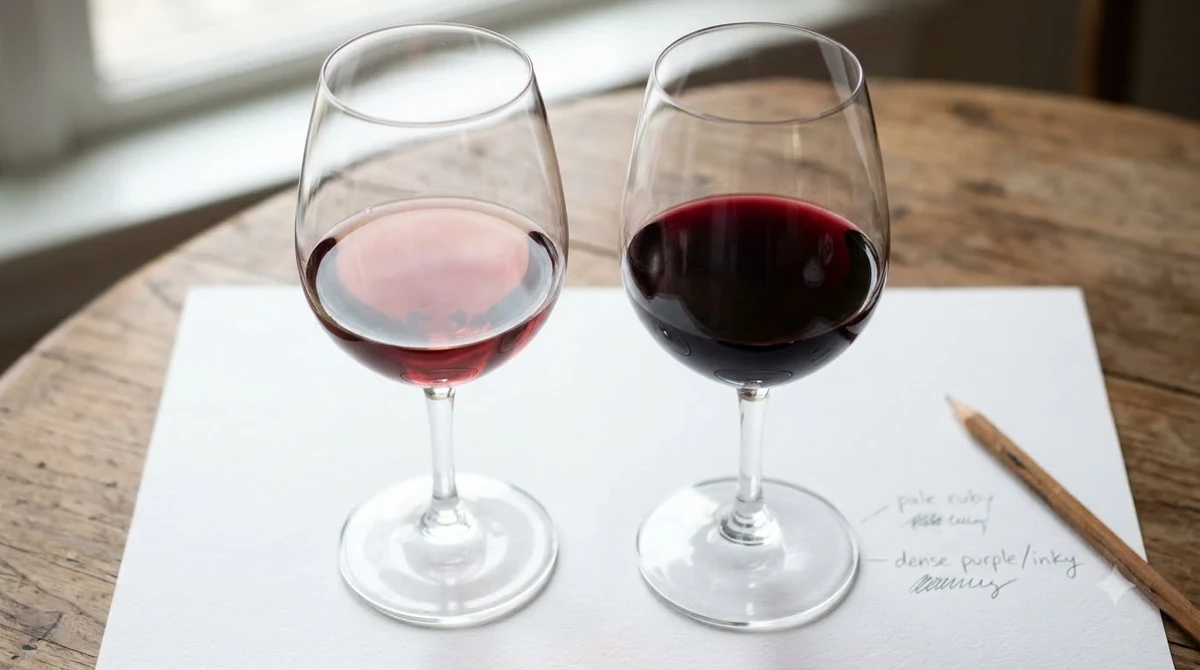
Winemakers working with ripe, 14.5% to 15.5% ABV Syrah frequently age the wine in new or seasoned oak barrels, which impart notes of vanilla, clove, toast, and dark chocolate. Higher ethanol extracts more aromatic compounds from toasted oak staves and integrates those sweet spice notes smoothly with concentrated dark berry fruit. Cooler-climate, 13.5% ABV Syrah tends to use gentler oak regimes so delicate aromas of lavender, bacon fat, and cracked pepper remain front and center.
Alcohol is also the primary source of calories in dry red wine, because ethanol carries roughly seven calories per gram. Reviewers at Wine Enthusiast note that higher-alcohol Shiraz at 15% ABV delivers around 175 calories per glass, alongside zero to four grams of carbohydrates in dry styles. A cooler-climate Syrah at 13.5% ABV trims that calorie count slightly while offering a lighter, brisker mouthfeel, contrasting sharply with sweet, low-alcohol pours covered in our guide to ice wine alcohol content.
Tip: Check the back label for the exact ABV decimal—a difference of just 1.2% between a 13.6% Northern Rhône Syrah and a 14.8% Barossa Shiraz signals a dramatic shift from savory and peppery to plush and fruit-driven.
How to Serve Syrah for Balanced Alcohol
Because Syrah carries moderate-to-high alcohol, serving temperature and aeration play an outsized role in keeping the wine balanced. Pouring it too warm lets ethanol fumes overwhelm the nose, while chilling it too aggressively clamps down on aromatics and makes tannins feel harsh.
The ideal serving range for Syrah and Shiraz is 60°F to 65°F (roughly 15°C to 18°C), slightly below standard modern room temperature. Putting an unopened bottle in the refrigerator for 15 to 20 minutes before pulling the cork brings it right into that sweet spot, keeping the fruit vibrant and preventing the finish from tasting hot. Once poured, hold the glass by the stem so your hand does not warm the bowl.
Decanting also tames the perception of alcohol in young, structured bottles. Giving a bold, youthful Syrah 45 to 60 minutes in a wide-bottomed decanter softens firm tannins and lets volatile alcohol vapors dissipate, opening up layered notes of dark plum, leather, and spice. Use a large-bowled red wine glass to give those aromatics plenty of surface area to breathe, and store any leftover wine recorked in the fridge for two to four days.
Food Pairing with Full-Bodied Syrah
Syrah’s combination of 13.5% to 15% ABV, firm tannins, and savory spice makes it a natural partner for rich, deeply browned meats and hearty vegetarian dishes. The key is matching the weight of the wine to the richness of the plate so neither overpowers the other.
Cooler-climate Syrah around 13.5% to 14% ABV shines alongside herb-crusted rack of lamb, grilled duck breast, roasted portobello mushrooms, and pepper-crusted steak. The wine’s natural acidity cuts through fat, while its native black pepper and cured-meat notes echo charred crusts and savory pan sauces. You can explore how Syrah stacks up against lighter and heavier bottles across our Wine by Type hub.
Higher-alcohol Shiraz at 14.5% to 15.5% ABV calls for bolder flavors, smoky glazes, and slow-cooked proteins. Braised beef short ribs, smoked brisket, barbecued pork ribs, and aged hard cheeses like sharp cheddar or aged Gouda absorb the wine’s plush fruit and tannic grip without letting the alcohol taste harsh. Avoid pairing high-ABV Syrah with fiery chili heat, however, as capsaicin amplifies alcohol burn on the palate.
How to Choose a Bottle by Alcohol Level
Reading a wine label with alcohol content in mind lets you shop confidently for the exact mood and meal you have planned. Even when two bottles carry the same grape name on the front, their back-label ABV numbers tell two very different stories.
If you prefer a food-friendly, savory red with lively acidity and restrained warmth, look for bottles listing 13% to 14% ABV. Appellations such as Crozes-Hermitage, Saint-Joseph, Sonoma Coast, or Chile’s Casablanca and Limarí valleys reliably produce Syrah in this balanced zone. These wines pair effortlessly across a multi-course dinner without fatiguing your palate.
When you want a bold, velvety red built for slow sipping or backyard barbecue, reach for bottles between 14.5% and 15.5% ABV. Look for Shiraz from South Australia’s Barossa Valley or McLaren Vale, or Syrah from California’s Paso Robles and Napa Valley. Checking that single percentage on the label ensures you bring home a bottle whose weight, spice, and warmth match your expectations.
Frequently Asked Questions
Is Syrah considered a high-alcohol wine?
Yes, Syrah sits in the moderate-to-high alcohol tier for unfortified table wines, typically measuring between 13.5% and 15% ABV. Warm-climate bottlings labeled Shiraz can occasionally climb to 15.5% or 16% ABV, putting them on par with Zinfandel and bold Cabernet Sauvignon.
Does Shiraz have more alcohol than Syrah?
Shiraz and Syrah are the exact same grape variety, though wines labeled Shiraz often have slightly higher alcohol because the name is used in warmer regions like Australia. Australian Shiraz frequently ranges from 14% to 15.5% ABV, whereas French Syrah commonly sits between 13% and 14.5% ABV.
Why does my Syrah taste hot or burning?
A burning sensation usually happens when a high-alcohol Syrah is served too warm, causing ethanol vapors to dominate the aroma and finish. Chilling the bottle for 15 minutes in the fridge to reach 60°F to 65°F and decanting it for 30 to 60 minutes will restore balance and bring the dark fruit forward.
How many standard drinks are in a bottle of 14.5% ABV Syrah?
A standard 750-milliliter bottle of wine at 14.5% ABV contains roughly six standard drinks, compared with five standard drinks in a 12% ABV wine. Pouring slightly smaller four-ounce glasses instead of generous six-ounce pours helps pace higher-alcohol bottles at the table.
Whether you gravitate toward a peppery 13.5% ABV bottle from the Northern Rhône or a plush 15% ABV Shiraz from South Australia, Syrah alcohol content offers a clear window into the wine’s body and style. Paying attention to regional climate, back-label ABV, and serving temperature ensures every glass tastes rich, layered, and balanced from first sip to last.
More in Wine Types & Grapes
 What Does Mourvèdre Taste Like? Flavor Profile, Regions, and PairingsUpdated Nov 20, 2026
 What Does Marsanne Taste Like? Flavors, Styles, and Food PairingsUpdated Nov 20, 2026
 What Does Malvasia Taste Like? Styles, Flavors, and Food PairingsUpdated Nov 20, 2026
 What Does Grenache Blanc Taste Like? Flavor Profile, Styles, and PairingsUpdated Nov 20, 2026
 What Does Garnacha Taste Like? Key Flavors, Styles, and Pairing TipsUpdated Nov 20, 2026
 What Does Fruit Wine Taste Like? A Complete Flavor and Style BreakdownUpdated Nov 20, 2026