

We may earn a commission when you buy through links on this page, at no extra cost to you. Learn more.
The best le nez du vin set is the one that matches how you want to learn: a compact starter set for a few tastings a month, or a larger training set for someone who plans to study aromas seriously. Aroma kits share one purpose, which is to give you a known smell to compare against a glass of wine. The right choice depends on how many aromas you want to cover, whether you focus on red or white wine, and how much space you have to store the kit.
A le nez du vin kit is a collection of small vials, each holding a single scent that appears in wine. Tasters use these references to practice naming aromas, which is harder than it sounds when a glass smells of fruit, flowers, and oak all at once. Instead of ranking individual products, this roundup groups the main kinds of kits by their scope and use, so you can decide which style fits your goals before comparing specific sets.
Quick Comparison
Kits differ mainly in how many aromas they cover, whether they lean toward red or white wine, and how easy they are to carry. The table below compares the common types on those points. Start with the row that matches your habits, then move to the sections that go into more detail.
| Kit type | Scope | Best for | Portability | Study style |
|---|---|---|---|---|
| Beginner starter set | A small group of common aromas | First-time tasters | Easy to store on a shelf | Short sessions with one or two vials |
| Full training set | A wide range of aroma families | Serious learners | Takes up more space | Structured weekly practice |
| Red-focused set | Aromas common in red wine | Red wine drinkers | Moderate | Comparing reds side by side |
| White-focused set | Aromas common in white wine | White and sparkling drinkers | Moderate | Floral and citrus training |
| Travel or pocket set | A short list of key aromas | Tastings away from home | Very easy to carry | Quick checks at a wine bar |
Best for first-time tasters who want a short list
A beginner starter set covers a small number of common aromas, enough to build the habit of smelling before you taste. It suits someone who wants to try the practice on a weekend without committing to a large kit. Because each vial stands for one clear scent, the set makes it easier to connect a smell in your glass with a name.
Why it stands out: a short list keeps study manageable, and the sessions stay focused. Beginners often find it helpful to pair a single vial with a glass of a wine that shows that aroma clearly.
Keep in mind: a starter set leaves many aromas uncovered, so you will need to add vials later if you want a wider vocabulary. Check which aroma families are included before you buy, since some starter sets lean heavily toward fruit.
Best for: first-time tasters, gift buyers who want a simple introduction, and anyone testing whether aroma practice suits them.
Best for serious learners who want wide coverage
A full training set spreads its vials across many aroma families, which gives you more reference points to compare. Wine writers often group aromas into fruity, floral, herbal, spice, earth, and oak categories, and a larger kit lets you practice each family. This style suits someone who tastes regularly and wants to build a structured routine.
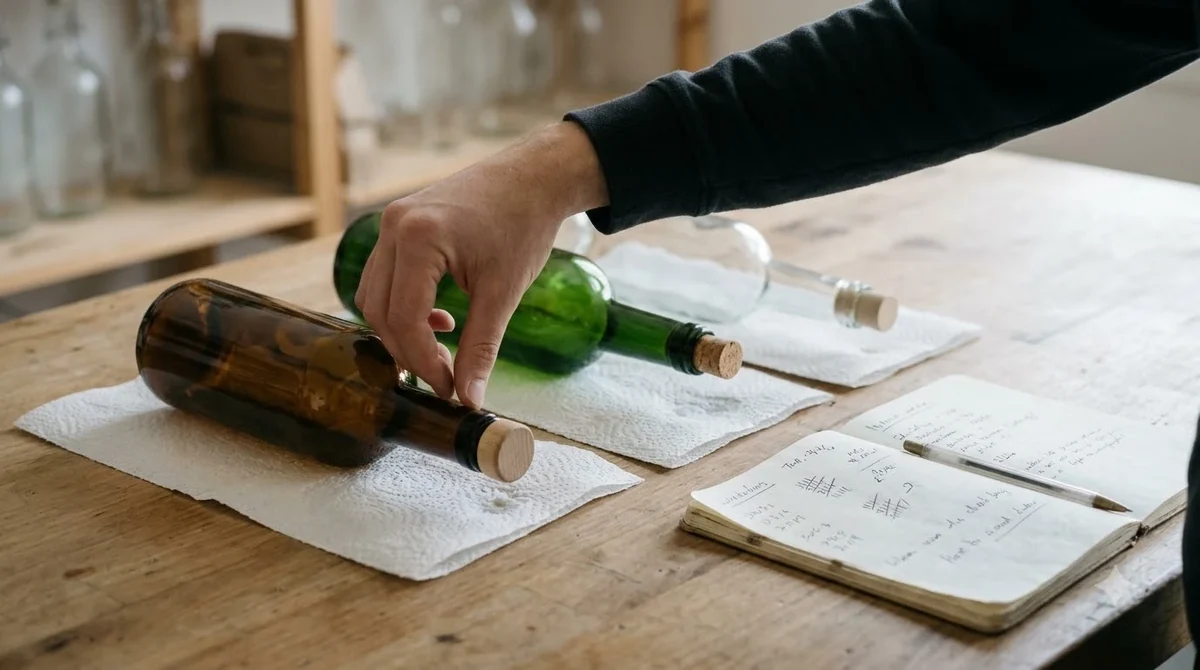
Why it stands out: the broad range makes it easier to recognize subtle notes, and the vials give you a consistent reference that a glass of wine cannot always provide. Wine tasting guides often stress that aromas come from three sources: the grape, fermentation, and aging. A full set helps you test that idea with real scents.
Keep in mind: a large kit takes up shelf space and can feel overwhelming if you open everything at once. Work through the vials in small groups, and store them away from heat and direct light so the contents hold their character.
Best for: wine students, sommelier candidates, and enthusiasts who taste several times a week.
Best for red wine drinkers
A red-focused set concentrates on the scents that show up most often in red wines, such as dark fruit, spice, and earthy notes. It helps when your everyday bottles are reds and you want to recognize what is in the glass before you decide whether to buy another.
Why it stands out: a focused set keeps practice relevant to the wines you already drink. Spice and oak aromas, for example, come up often in reds that spend time in wood, and a targeted kit lets you train on those notes directly.
Keep in mind: a red-focused set may leave out the floral and citrus notes common in white wine, so it will not help much with a Riesling or a Sauvignon blanc. If your collection is mixed, consider pairing it with a white-focused set.
Best for: people who mostly open red wine and want to sharpen their red vocabulary.
Best for white and sparkling wine drinkers
A white-focused set covers the lighter, brighter aromas that define many white and sparkling wines. Floral and citrus notes are common here, and a set built around them lets you practice telling apart a delicate blossom scent from a sharper fruit note.
Why it stands out: white wines often rely on subtle aromas, so a dedicated kit gives you clear references to compare against. The practice also transfers well to sparkling wine, where the bubbles can make smelling more difficult.
Keep in mind: some white-focused sets may include only a few oak or spice vials, which limits what they teach about aged whites. If you plan to explore barrel-aged styles later, check whether the set covers that area.
Best for: drinkers of Riesling, Sauvignon blanc, and sparkling wine who want to build a light-wine vocabulary.
Best for tastings away from home
A travel or pocket set trades coverage for portability. Its small case slips into a bag, which makes it handy at a wine bar, a friend’s dinner, or a winery visit. The shorter list of aromas covers the most common notes you are likely to meet in a glass.
Why it stands out: you can practice wherever you happen to be tasting, and a quick smell check before you order can help you decide what to drink. Travel sets are also a simple gift for someone who tastes out and about.
Keep in mind: a pocket set holds fewer vials, so it does not replace a full kit for study. Check that the vials are sealed well, since leakage in a bag can ruin the scents and the case.
Best for: frequent travelers, wine bar regulars, and people who like to test aromas during a tasting.
How to Choose
Start with your goal. If you want a quick habit, a starter set is enough. If you want to pass a formal exam or study for a career, a full training set gives you the range you need. Then consider the wine you drink most, because a set that matches your everyday bottles will feel more useful.
Method matters as much as the kit. Wine tasting guides describe a five-step routine: look at the color, swirl the glass, smell it, taste it, and then note the finish. Smelling before tasting is what lets you anticipate flavors, and the vials help you practice that step on its own. Aromas can also come from different stages of winemaking. As the aroma of wine overview explains, primary aromas come from the grape, secondary aromas come from fermentation, and tertiary aromas develop with aging in bottle or oak. A kit that covers all three helps you place what you smell.
- Decide whether you want a quick habit or a structured study routine.
- Check which aroma families the set covers, especially fruit, floral, spice, and oak.
- Match the set to red, white, or both.
- Think about storage space and whether you need to carry the kit.
- Read the descriptions to confirm the vials are labeled clearly.
Frequently Asked Questions
Do I need a le nez du vin kit to learn wine aromas?
You do not need one, but reference scents help many people connect a smell with a name. Tasting regularly and naming what you notice also builds the skill over time.
How often should I practice with an aroma kit?
Short sessions work better than long ones. Ten minutes a few times a week, with one or two vials at a time, is a practical routine for most people.
Are aroma kits only useful for red wine?
No. Many kits include white wine aromas such as floral and citrus notes. Choose a set that covers the styles you actually drink.
How should I store aroma vials?
Keep them sealed, cool, and out of direct sunlight. Heat and light can change the scents over time, which makes practice less reliable.
The best le nez du vin choice comes down to your goal, your wine habits, and how much space you have. Compare the kit types above, then look at the specific sets that match your plan. For a broader look at accessories that support a home tasting, browse the Accessories Library, and if you are shopping for a gift, the wine advent calendar guide offers another idea.
More in Wine Accessories
 Coravin Vs Vacu Vin: Choose the Right Wine Saver for Your BottlesUpdated Nov 21, 2026
 Zwilling Wine Stopper Review: Preserve Open Bottles LongerUpdated Nov 21, 2026
 Wine Enthusiast Wine Preserver Review: Features, Benefits and LimitationsUpdated Nov 21, 2026
 Wine Enthusiast Wine Stopper: An Easier Way to Reseal Open BottlesUpdated Nov 21, 2026
 Vintorio Wine Opener: Two-Step Cork RemovalUpdated Nov 21, 2026
 Zwilling Wine Aerator Review: Aerate, Pour, and Seal With One ToolUpdated Nov 21, 2026