

We may earn a commission when you buy through links on this page, at no extra cost to you. Learn more.
“gabriel glas stemless wine glasses” refers to Gabriel-Glas’s DrinkArt stemless crystal tumblers, sold in sets of six; each has a 470 ml universal bowl in a compact, stem-free shape. Their appeal is the combination of a recognizable Gabriel-Glas bowl, lead-free crystal clarity, and a stable design for casual service. The trade-off is the same one found with most stemless glasses: hands touch the bowl, warming the wine and leaving fingerprints more readily than a stemmed glass would. DrinkArt is best understood as polished everyday glassware rather than a replacement for dedicated tasting stemware.
Gabriel-Glas calls DrinkArt the stemless version of its StandArt glass. That distinction matters because shoppers searching for a familiar wine tumbler may expect a plain round cup, while DrinkArt keeps the brand’s gently conical, aroma-oriented bowl and removes the stem. Its 470 ml capacity and 100 mm height make it a compact all-purpose glass for reds, whites, rosé, sparkling wine, beer, cocktails, and water. This review looks at the published specifications, the strengths echoed in owner comments, and the compromises that come with the shape before deciding who should buy it.
Specs and Key Features
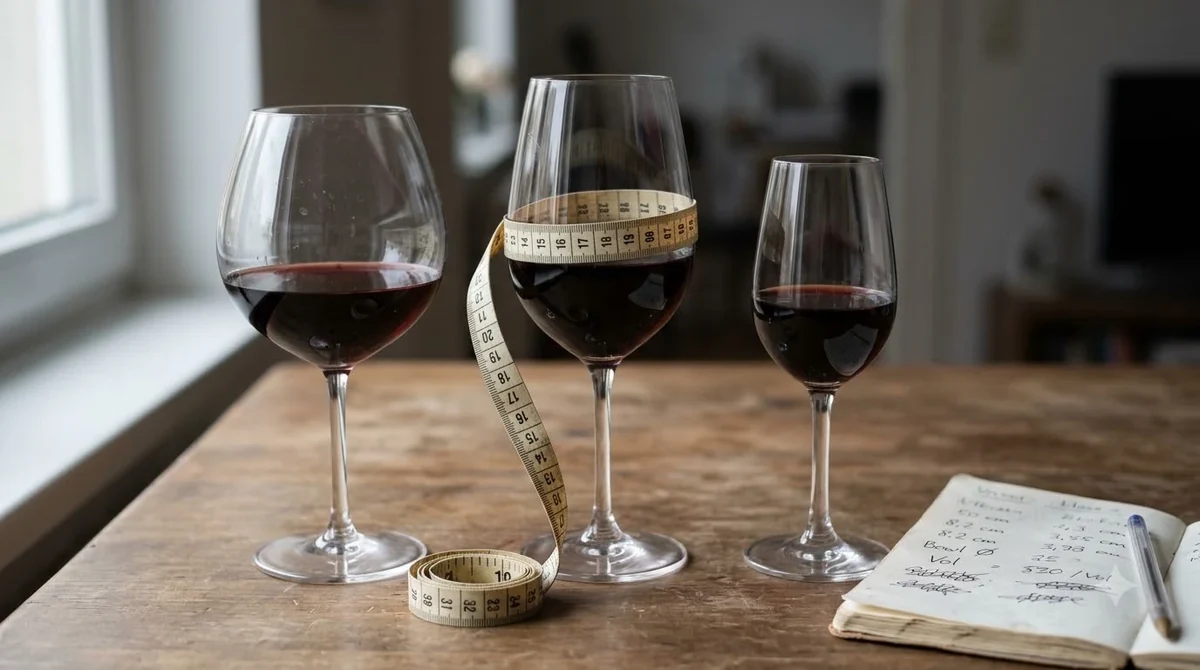
DrinkArt is a short, machine-made, lead-free crystal glass with the curved bowl profile Gabriel-Glas uses across its universal glassware concept. The most useful published specifications are its 470 ml capacity, 100 mm height, 95 mm bowl width, and 66 mm rim width; its set contains six glasses.
| Specification | Gabriel-Glas DrinkArt |
|---|---|
| Product type | Stemless universal drinking glass |
| Material | Lead-free crystal glass |
| Capacity | 470 ml / 15.89 fl oz |
| Height | 100 mm / 3.93 in |
| Maximum bowl width | 95 mm / 3.74 in |
| Rim width | 66 mm / 2.59 in |
| Manufacturing method | Machine made |
| Pack size | 6 glasses |
| Care | Dishwasher safe; top rack and spaced apart |
The figures are useful for judging both drinking comfort and cupboard fit. A glass just under 4 inches tall is much easier to store than a tall stemmed goblet, but a 3.74-inch maximum bowl width still needs more shelf width than a narrow water tumbler. The opening is narrower than the widest part of the bowl, creating the gentle taper that the company says helps collect aromas above the wine. At 470 ml, the glass has generous headroom for a normal serving without requiring a very large, fishbowl-style shape.
There is a difference between capacity and pour size. The stated 470 ml is the glass’s total volume, not a recommended amount of wine to pour; filling a wine glass close to its rim leaves little room to swirl and can make aromas harder to assess. DrinkArt’s short sides and bowl width are intended to make the glass feel approachable in the hand, while the wider lower section gives it a stable footprint on a table. Those features support the everyday-use brief more directly than they support formal tasting technique.
The product is described as lead-free crystal, not ordinary soda-lime drinking glass. Gabriel-Glas says its crystal starts with low-iron sand and a proprietary combination of metals and purifiers to increase clarity and strength. Gabriel-Glas’s Swiss product listing also identifies DrinkArt as machine made, lead-free crystal, 470 ml, 9.5 cm in diameter, and 10 cm high. Published weight figures differ between the North American and Swiss listings, so weight is not a specification to rely on when comparing individual pieces.
What Owners Like
DrinkArt’s 470 ml bowl and 100 mm height make it a compact, recognizable wine glass for informal rooms, shared meals, and outdoor occasions. The owner comments displayed on the North American product page praise its feel, appearance, quality, and rim.
Several visible comments are short but consistent in what they praise: one owner calls out the feel and quality, another singles out the laser-cut rim, and another describes the design as beautiful. These comments are useful as directional feedback, not as proof that every owner will find the same thing. The shape is also recognizably related to Gabriel-Glas’s stemmed StandArt, which gives the DrinkArt a more deliberate profile than a plain cylindrical tumbler. It looks at home beside casual tableware while still reading as a purpose-made wine glass.
Its stemless construction is a practical benefit in day-to-day use. There is no narrow stem to catch on a dishwasher rack, snap while drying, or occupy extra vertical space in a cupboard. That makes it a sensible choice for a dinner party where guests move between the kitchen and patio, or for a home where glasses are used for wine one evening and water or a cocktail the next. Wine Enthusiast’s discussion of stemless glassware makes a similar point: sommelier Anna-Christina Cabrales sees it as a comfortable choice for casual gatherings and notes that the form can be easier to store and less prone to the breakage associated with fragile stems.
Versatility is a more convincing selling point than the idea that DrinkArt should replace every glass in a cabinet. Its 470 ml bowl accommodates still wine in several styles, while the narrower mouth offers more aroma focus than a straight-sided tumbler. Gabriel-Glas also presents it for beer and mixed drinks, including aromatic beers where the bowl can gather hop or yeast aromas. For a small household that prefers fewer dedicated pieces, one glass that can move from Pinot Noir to an IPA to sparkling water has practical value.
Common Complaints
The principal drawback is not a manufacturing flaw but the absence of a stem: in a 470 ml glass with a 66 mm opening, hands touch the bowl and can warm chilled wine or leave fingerprints. A stemmed glass keeps fingers away from the wine and makes it easier to control temperature during a longer tasting.
That trade-off matters most with delicate whites, sparkling wine, and structured tasting flights where temperature and a clean bowl are part of the experience. Decanter’s discussion of stemless glasses identifies practicality—easier cleaning and storage, with fewer breakages—as the main upside, while wine professional Xavier Rousset points to fingerprints and warming as disadvantages. The same caution applies to DrinkArt even though its bowl shape is more intentional than a basic tumbler. A glass cannot preserve the temperature of a chilled Riesling as well when a guest cups the bowl for several minutes.
The second compromise is that stemless does not mean unbreakable. Crystal can chip or crack if it knocks against a faucet, another glass, or a hard plate, and a wide bowl still needs careful handling around crowded sinks. Gabriel-Glas recommends spacing the glasses apart on the top rack and says its products are durable but not unbreakable. The absence of a stem removes one vulnerable component, but it does not turn crystal into rugged outdoor drinkware. For camping, poolside use, or a setting where broken glass would be a serious problem, reusable plastic or another shatter-resistant material is a more sensible choice.
Finally, the 470 ml volume may feel generous to buyers who prefer a smaller wine tumbler. It is not a 470 ml serving recommendation; a typical five-ounce pour uses only part of the bowl. Even so, the broad profile may look oversized beside smaller everyday tumblers and could be awkward in a tightly packed cupboard. Measure shelf depth and available width before ordering a full set, particularly when storing the glasses beside narrow stemware or stacking shelves.
Who Should Buy and Who Should Skip
The 100 mm height and 95 mm bowl width suit wine drinkers who want real crystal and a considered bowl shape without a stem, especially at weeknight meals, casual gatherings, and in compact cabinets.
Buyers who host patio lunches, bring glassware to a picnic table, or prefer low-profile cupboards will appreciate the short 100 mm height and broad base. It also suits households that often break stemmed glasses at the join between bowl and stem, since DrinkArt removes that narrow connection entirely. The brand positions it for casual parties and outdoor entertaining; the practical interpretation is a glass for a stable tabletop, not necessarily for rough travel or any location where glass is prohibited. If the setting permits crystal and the glasses can be carried carefully, its bowl shape offers a noticeable step up from an ordinary water tumbler.
It is less suitable as the only glass for a serious wine enthusiast who regularly compares vintages, leads structured tastings, or serves wine across a long meal. A stemmed glass makes it easier to swirl without warming the bowl, to hold the glass without leaving fingerprints, and to assess aromas with consistent handling. DrinkArt can still serve good wine, but it does not offer the temperature-control advantage of a stem. Readers assembling a broader collection can compare the category in our guide to stemless wine glasses, then choose a separate stemmed shape for more focused tasting.
It may also be the wrong purchase for someone who values maximum impact resistance over clarity, or who needs a glass that can safely be carried around a pool, campsite, or boat deck without worrying about breakage. Gabriel-Glas markets the design for boating and picnics, but the material remains crystal. A stable base helps reduce accidental tipping on a flat surface; it cannot protect the glass from being dropped onto stone, tile, or a hard deck. Those buyers should prioritize shatter-resistant drinkware rather than pay for crystal and then avoid using it in the situations that matter most to them.
Tip: Treat DrinkArt as the casual member of a two-glass setup: use it for relaxed meals and gatherings, and keep a stemmed universal or varietal glass for long tastings and temperature-sensitive pours.
How It Compares to Alternatives
The closest comparison is Gabriel-Glas’s own StandArt: DrinkArt retains a 470 ml, 95 mm-wide bowl but stands only 100 mm tall without a stem. The company describes it as the stemless version of StandArt, so the decision is less about wine philosophy and more about whether the stem’s handling advantages are worth the extra height and care.
Choose StandArt when you want to swirl more confidently, hold the glass without warming the wine, or present a more traditional silhouette at a formal dinner. Choose DrinkArt when compact storage, a stable base, and quick everyday use matter more than keeping fingers away from the bowl. The two styles can also coexist: DrinkArt covers informal service, while StandArt handles tasting nights, special bottles, or occasions where a stemmed glass looks more appropriate. Gabriel-Glas presents both as universal options, so the wine styles themselves do not force a strict split between them.
Compared with a basic stemless tumbler, DrinkArt’s strongest distinction is its tapered, curved bowl and lead-free crystal construction. A simple round glass may be cheaper to replace and easier to use for water, but it will not necessarily focus aromas in the same way. Wine Enthusiast’s stemless-glass discussion also points out that plastic is more practical where breakage is a concern, while glass and crystal offer a different drinking experience. If your priority is tasting Cabernet Sauvignon or Pinot Noir with less handling influence, a dedicated red wine glass with a stem is likely to be a better primary choice.
For shoppers comparing makers rather than formats, browse our wider overview of Glassware Brands to see how different glassware lines approach universal bowls, varietal shapes, and everyday durability. The useful comparison is not simply whether another tumbler looks similar. Check its capacity, rim width, material, dishwasher guidance, and whether it is intended for wine or general beverage service. DrinkArt’s distinctive proposition is that it keeps a wine-specific bowl shape while behaving more like an all-purpose everyday glass.
Frequently Asked Questions
These answers fill in details about the 470 ml capacity, 100 mm height, and specific dishwasher guidance that shoppers may miss when comparing listings.
Does DrinkArt have a recommended five-ounce wine pour?
The 470 ml figure is the glass’s stated total volume, not its suggested serving size. A five-ounce pour is about 148 ml, or roughly 31 percent of that nominal capacity, leaving substantial room above the wine. The extra space is useful for releasing aromas without filling the tumbler to the rim.
Why do the published DrinkArt weights differ?
The North American DrinkArt listing gives an approximate weight of 140 g, while Gabriel-Glas’s Swiss shop lists approximately 158 g. Both listings note that the glass is machine made, and the North American page says natural variation occurs between pieces. Treat the stated dimensions and capacity as more dependable comparison points than a small difference in listed weight.
Can I use chlorine-based dishwasher tablets with DrinkArt?
The Swiss Gabriel-Glas product page advises avoiding tablets and liquid detergents that contain chlorine because they can attack the surface of glassware. For routine cleaning, follow the care guidance supplied for the market where the set was purchased and use a suitable gentle detergent. Keep the pieces separated so they do not strike other dishes during the cycle.
Has Gabriel-Glas tested the dishwasher durability of its crystal?
The North American product information says the crystal is EU-tested for brilliance and clarity after 1,000 washing cycles. The brand’s care page also refers to testing under the EU standard EN-12875. Those claims describe resistance to ordinary machine washing, not immunity from impact, thermal shock, or careless loading.
Will DrinkArt fit in a vehicle cupholder?
Gabriel-Glas markets the compact design as suitable for cupholders, but the bowl measures up to 95 mm across. Cupholder openings vary considerably, so compare that width with the holder’s actual opening and depth rather than assuming a universal fit. The glass is crystal, so it should still be transported upright and protected from hard knocks.
Gabriel-Glas DrinkArt is a distinctive choice for buyers who want a crystal wine bowl without a stem, especially when versatility and easy storage are priorities. Its limitations are familiar to anyone choosing stemless glassware: more contact with the bowl, less temperature control, and continued risk of breakage. For casual service, it is a polished and practical alternative to a plain tumbler; for serious tasting, pair it with stemmed glassware rather than expecting one format to do every job.
More in Wine Glasses
 Zwiesel Glas Champagne Flutes for Durable Everyday Sparkling WineUpdated Nov 20, 2026
 Vera Wang Crystal Wine Glasses: Design, Quality and Buying AdviceUpdated Nov 20, 2026
 West Elm White Wine Glasses: Compare Designs for Better Everyday Wine ServiceUpdated Nov 20, 2026
 Zalto Stemless Wine Glasses: Discover Their Distinctive DesignsUpdated Nov 20, 2026
 Viski Champagne Glasses That Match Your Style and Sparkling WineUpdated Nov 20, 2026
 Vista Alegre Decanter Review: Crystal Style and Wine ServiceUpdated Nov 20, 2026