

We may earn a commission when you buy through links on this page, at no extra cost to you. Learn more.
The costco wine tumbler is a practical choice for keeping wine at a more consistent temperature while enjoying drinks indoors or outdoors, particularly in the 12-ounce Reduce and Rabbit stainless steel styles sold through Costco. These insulated stemless cups offer shatter-resistant construction, condensation control, and convenient lids. The main trade-offs are their relatively small capacity, limited wine-glass shape, and the need to pay attention to lid care and replacement availability.
Costco has carried several wine tumbler configurations rather than one permanent, universally available model. Its Reduce four-pack and Rabbit-branded sets are useful examples of the insulated stainless steel drinkware shoppers may encounter. The differences between brands, included accessories, and cleaning recommendations matter more than the general label on the packaging. This review examines the documented features, practical strengths, owner feedback, and limitations to consider before choosing a set.
Specs and Key Features of Costco Wine Tumblers
The central appeal of Costco’s insulated wine tumblers is straightforward: a compact, stemless drinking vessel combines stainless steel construction with double-wall insulation and a lid. The Reduce four-pack listed by Costco is particularly easy to identify because its item description specifies the capacity, material, colors, and included accessories.
Costco identifies the Reduce Stainless Steel 12 oz Tumbler four-pack as item 1050193. The set includes four 12-ounce cups and four lids, with one each in white, navy, purple, and teal. Its construction uses 18/8 stainless steel, and Costco lists dual-wall vacuum insulation, sweatproof construction, and shatter resistance among its main features. These specifications make it a different kind of product from a conventional glass stemless wine cup.
| Specification | Reduce four-pack | Reduce Wine Cooler set |
|---|---|---|
| Costco item number | 1050193 | 1333366 |
| Number of tumblers | 4 | 2 |
| Tumbler capacity | 12 oz each | 12 oz each |
| Included lids | 4 | 2 clear Tritan lids |
| Main material | 18/8 stainless steel | 18/8 food-grade stainless steel |
| Insulation | Dual-wall vacuum insulated | Dual-wall vacuum insulated |
| Additional equipment | None specified | Wine bottle cooler |
| Additional cooling information | No specific duration stated | Up to 12 hours for drinks |
The table highlights an important distinction: Costco’s Reduce Wine Cooler set is not simply another four-pack. It combines two tumblers with a separate insulated bottle cooler designed to accommodate most standard 750 ml wine bottles. Costco also lists the bottle cooler’s dimensions as 9.5 × 4.9 × 12.875 inches and its weight as 2.76 pounds. The bottle accessory is intended to keep an already chilled bottle cold, rather than replace the initial chilling process.
Another relevant distinction is the difference between Reduce and Rabbit. Costco’s Reduce product listing emphasizes the four-piece assortment, while Rabbit’s official 12-ounce stainless steel tumbler description highlights a double-walled body, 18/8 stainless steel, a non-slip base, and an updated sipping lid. The designs share a general purpose, but specifications from one brand should not automatically be attributed to the other.
For shoppers comparing these products with conventional glassware, the main trade-off is insulation versus wine presentation. A metal cup is convenient for casual drinking, but it does not provide the transparent bowl that helps identify a wine’s color and clarity. A traditional glass remains more appropriate for formal tasting, while an insulated tumbler makes more sense for a patio, picnic, or relaxed evening.
What Owners Like About the Insulated Design
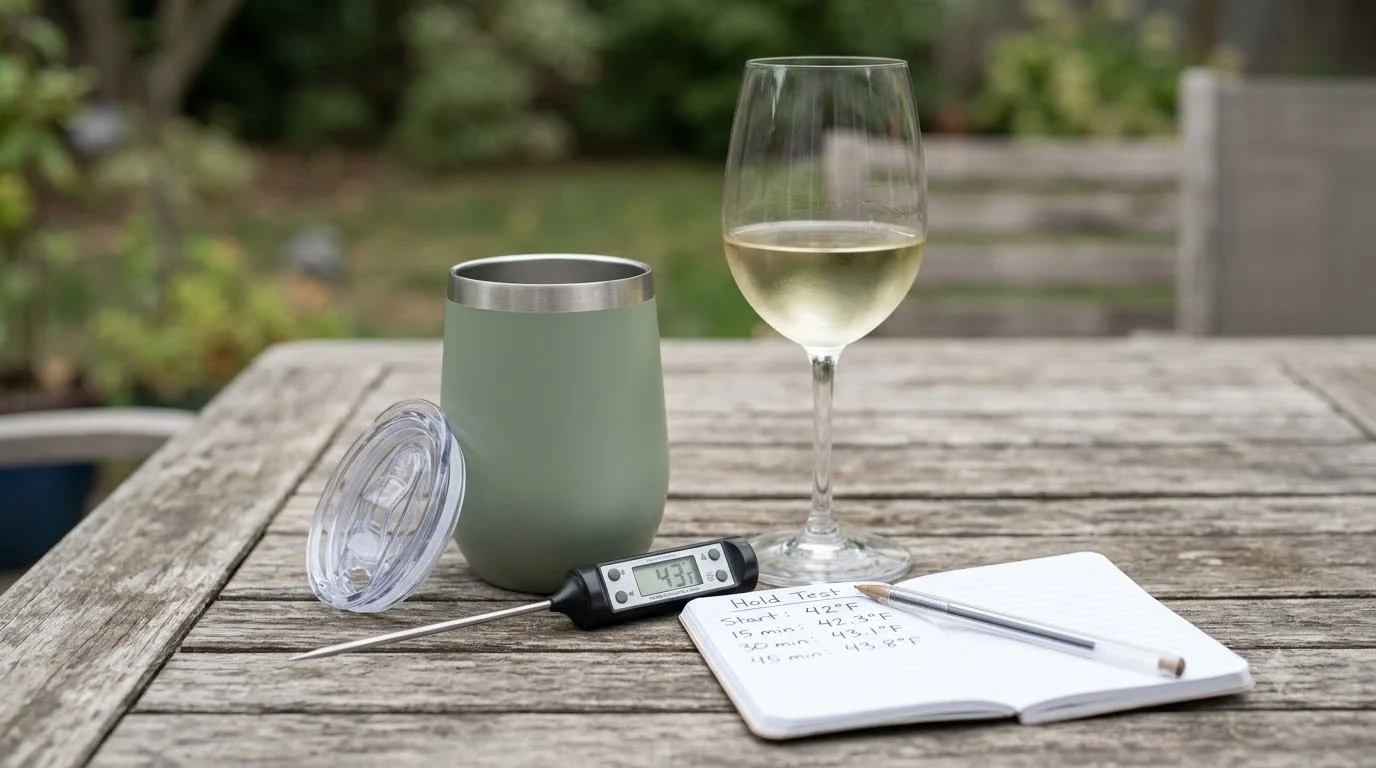
The strongest practical advantage is temperature management. Double-wall insulation slows the transfer of heat between the drink and the surrounding environment, while the insulated construction helps prevent the exterior condensation commonly associated with cold drinks in ordinary glassware.
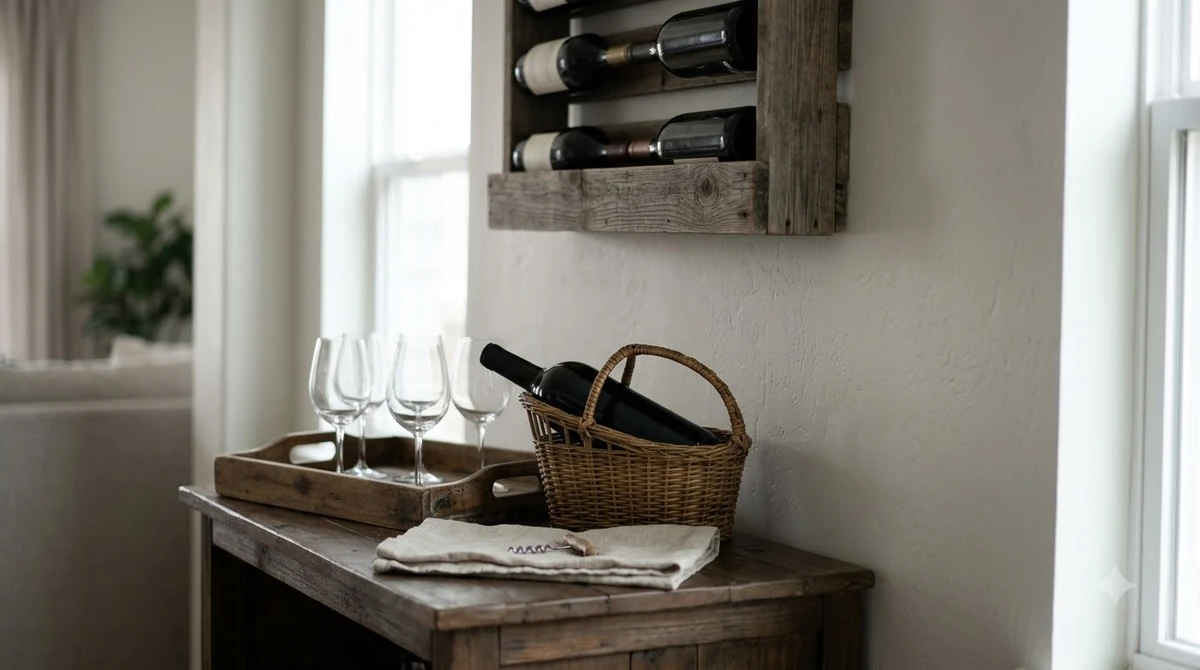
That combination is particularly useful for chilled Sauvignon Blanc, Pinot Grigio, rosé, and sparkling wine served casually. A cold drink sitting outdoors can warm more quickly in a conventional thin-walled glass, especially during warm weather. An insulated tumbler helps reduce that temperature change, although it cannot make an already warm wine cold again.
Rabbit’s official description specifically presents its 12-ounce stainless steel tumbler as suitable for chilled rosé, room-temperature red wines, mulled wine, and cocktails. The company also identifies condensation-free construction as a feature. These are practical uses rather than claims that the cup will improve a wine’s aroma or flavor.
The non-slip base found on the Rabbit design is another useful detail. It helps the tumbler sit more securely on a smooth surface and can reduce the likelihood of sliding when someone sets it down on a patio table or kitchen counter. Costco’s separate Reduce Wine Cooler set also specifies a non-slip base, although the feature should not be assumed to appear on every Reduce tumbler configuration.
Durability is another attraction. Stainless steel does not shatter like ordinary wine glass, making it a reasonable choice around pools, outdoor seating areas, camping tables, and busy family gatherings. Costco describes its Reduce four-pack as shatterproof, which is a meaningful distinction for anyone who wants reusable drinkware without the fragility of glass.
The four-color arrangement also makes the Reduce set convenient for groups. White, navy, purple, and teal give guests an easy way to identify their cups without using separate wine charms. Four matching-capacity cups can also simplify serving when a household regularly hosts small gatherings.
Owner feedback on Rabbit’s official product page provides additional context. Some customers mention that the shape is comfortable to use and that drinks stay cold for a surprisingly long time. Others describe using the same general style for coffee as well as wine. These comments support its versatility, although individual experiences are not controlled performance tests.
For someone who wants one reusable vessel for more than one drink category, this flexibility is valuable. A 12-ounce cup can accommodate a casual wine pour, a cocktail, or a nonalcoholic cold beverage. It can also be used for warm drinks when the manufacturer’s instructions permit the intended use. Its practical appeal comes from that versatility rather than from specialized wine-tasting performance.
Common Complaints and Practical Limitations
The most important drawback is the lid. A lid can reduce splashes and make an outdoor tumbler more convenient, but not every sliding or sipping design provides a completely leakproof seal. Buyers should distinguish a spill-resistant lid from a travel lid designed to prevent leakage when a cup is turned upside down.
Frugal Hotspot’s coverage of the Costco Rabbit set specifically describes the sliding Tritan lid as spill-resistant rather than completely spillproof. That distinction matters if the tumbler will be carried in a backpack, handbag, or vehicle. A cup that works well on a patio table may still leak when tipped during transport.
Rabbit’s official customer feedback also reveals a recurring concern: replacement lids. Several customers ask how to obtain additional lids, while another describes a lid cracking after years of use. Other feedback mentions leakage. These comments do not establish a universal defect, but they show why replacement-part availability deserves attention before purchasing a set intended for long-term daily use.
Capacity is another limitation. Each 12-ounce tumbler holds less than many larger insulated travel cups. That size works well for a standard casual wine serving, but it leaves less room for ice, fruit, or a larger mixed drink. It also means the cup may need refilling more frequently when used for water or other everyday beverages.
Wine enthusiasts should also consider the shape. Stainless steel tumblers do not have the carefully shaped bowls used in many conventional wine glasses. A Burgundy glass, for example, has a broad bowl designed to provide more room for swirling, while a narrower white-wine glass helps concentrate aromas. A metal tumbler offers convenience, not the same sensory experience.
Another compromise is visibility. The opaque metal body prevents drinkers from seeing the wine’s color, clarity, and visual development. This is not a serious concern for casual service, but it is a disadvantage during a comparative tasting of Chardonnay, Pinot Noir, or Cabernet Sauvignon.
Finally, product availability can be inconsistent. Costco’s online assortment and local warehouse inventory can change, and the presence of one Reduce or Rabbit product does not guarantee that the same configuration will be available everywhere. A shopper looking for a specific four-color set should confirm the exact item rather than assume all Costco wine tumblers share identical features.
Tip: Treat a sliding wine tumbler lid as spill-resistant unless the manufacturer specifically identifies it as leakproof. Keep a lidded tumbler upright during travel, and avoid placing it in a bag with valuables until its seal has been checked.
Who Should Buy and Who Should Skip Costco Wine Tumblers
Costco’s insulated wine tumblers are most suitable for casual wine drinkers who value convenience, durability, and temperature retention more than traditional glassware. Their 12-ounce capacity, insulated stainless steel body, and included lids make them particularly practical for relaxed entertaining and outdoor use.
Buy them if outdoor entertaining is a priority. A stainless steel cup is a sensible alternative to fragile stemware around a swimming pool, patio, garden, or campsite. The shatter-resistant Reduce construction is especially appealing in settings where broken glass would create a problem. The absence of condensation also helps keep outdoor tables and hands drier when serving chilled drinks.
Consider them for everyday casual wine drinking. Someone who enjoys a glass of rosé after work or a chilled white wine during dinner may appreciate the insulation. A four-piece assortment can be useful for couples who entertain friends or households that want matching drinkware for several people. The different colors in the Reduce pack make identification easier during gatherings.
They are also useful for people who prefer multipurpose drinkware. Rabbit describes its 12-ounce stainless steel tumbler as suitable for wine, cocktails, and other hot or cold beverages. That makes the general format useful beyond wine service, although cleaning requirements and lid compatibility should be checked for the particular product.
On the other hand, serious wine tasters should probably choose conventional wine glasses. If aroma, swirling, color assessment, and grape-specific glass shapes are important, a metal tumbler is not a substitute. A traditional glass is the better choice for evaluating an aged Bordeaux, comparing Pinot Noir producers, or studying the aromatic profile of a Riesling.
People who frequently transport drinks in bags should also consider a different design if a fully leakproof seal is essential. A sliding lid that limits splashes may not provide the protection required for a laptop bag or luggage. A purpose-built travel tumbler with a secure locking mechanism is a more appropriate option.
Shoppers who prefer dishwasher convenience should compare the exact brand’s care instructions. Reduce’s general FAQ states that its drinkware is dishwasher safe, while Rabbit’s older stainless steel wine tumbler listing recommends hand washing. Those instructions should not be treated as interchangeable. If effortless cleanup is a major requirement, confirm the guidance for the specific product and its lid before buying.
For shoppers considering alternatives, the wine tumbler category offers a broader way to compare insulated and non-insulated designs. Those who want temperature retention as their main priority can also compare the features covered in this insulated wine tumbler roundup.
How It Compares to Alternative Wine Glasses and Tumblers
The Costco-style insulated tumbler occupies a middle ground between traditional wine glasses and large travel mugs. It prioritizes durability and convenience without attempting to replicate the shape or serving experience of specialist wine stemware.
A conventional stemless glass is the closest visual alternative. Both designs have a compact, stem-free form, but a glass vessel provides transparency and a more familiar wine-drinking experience. Glass also allows drinkers to observe color and clarity. The stainless steel tumbler, by contrast, is more resistant to accidental breakage and can reduce condensation on the outside.
A traditional stemmed wine glass is better for formal service. Holding a glass by its stem also reduces direct contact with the bowl, helping limit the transfer of warmth from the hand. A 12-ounce insulated tumbler does not offer that separation, but its double-wall construction helps address temperature changes through insulation.
A larger insulated travel tumbler serves a different purpose. Many travel cups have capacities well above 12 ounces and are designed around extended hydration, commuting, or carrying larger beverages. A compact wine tumbler is easier to handle during a small gathering and is less bulky on a dinner table. It is not necessarily the better choice for long trips or all-day beverage use.
Rabbit’s more recent leakproof tumbler design provides another useful point of comparison. Its official description identifies a twist-lock lid intended to prevent spills and leaks, unlike the older sliding-lid style discussed in Costco-related coverage. That illustrates how lid design can matter as much as the insulated body. A shopper who regularly carries drinks should prioritize the lid mechanism over color or exterior finish.
For traditional glass options, the wine glasses guide is a more appropriate starting point. It helps distinguish everyday glassware from glasses designed for particular wine styles. Readers researching manufacturers and glassware construction can also consult the Glassware Brands resource.
There is no universal winner among these formats. The insulated tumbler is the practical choice for outdoor use and casual drinking. Conventional glassware is the better option for formal presentation and detailed wine evaluation, while a locking travel cup makes more sense when preventing leaks during transport is the primary concern.
Care, Cleaning, and Long-Term Ownership
Proper care can make a substantial difference to the useful life of an insulated tumbler, particularly because the lid and its small components may be more delicate than the steel body. Cleaning the cup promptly after use, drying removable components, and avoiding inappropriate cleaning products are sensible habits.
Reduce’s official FAQ states that its drinkware is dishwasher safe, while also recommending hand washing to help preserve the finish. It advises separating the cup, lid, and any straws before washing. The company also recommends allowing components, including silicone gaskets, to dry completely before reassembly and storage.
For regular wine service, rinse the tumbler after finishing the drink and wash it after each use. Wine residue can dry around the rim or lid, particularly when a cup is left standing overnight. A mild dishwashing liquid and a soft sponge are appropriate for routine hand cleaning. Avoid abrasive scrubbers that could damage the exterior finish.
Cleaning the lid deserves particular attention. Sliding mechanisms, seals, and small grooves can retain traces of wine, juice, or cocktail ingredients. Separate removable pieces when the design allows it, clean the surfaces thoroughly, and allow them to dry before putting everything back together. This reduces the likelihood of unwanted odors developing during storage.
Reduce specifically advises against bleach, abrasive cleaners, scrubbers, and products containing chlorine. Its FAQ also says that the products should not be microwaved or placed in the freezer. These are important distinctions because stainless steel construction is not compatible with microwave use, and freezing an insulated tumbler is not the manufacturer’s recommended method of chilling drinks.
Rabbit’s older 12-ounce stainless steel wine tumbler product page recommends hand washing. Frugal Hotspot also identifies hand washing and a no-microwave instruction for the Rabbit Costco set it covered. This makes it important not to assume that cleaning instructions for a Reduce model apply to a Rabbit model simply because both products have similar appearances.
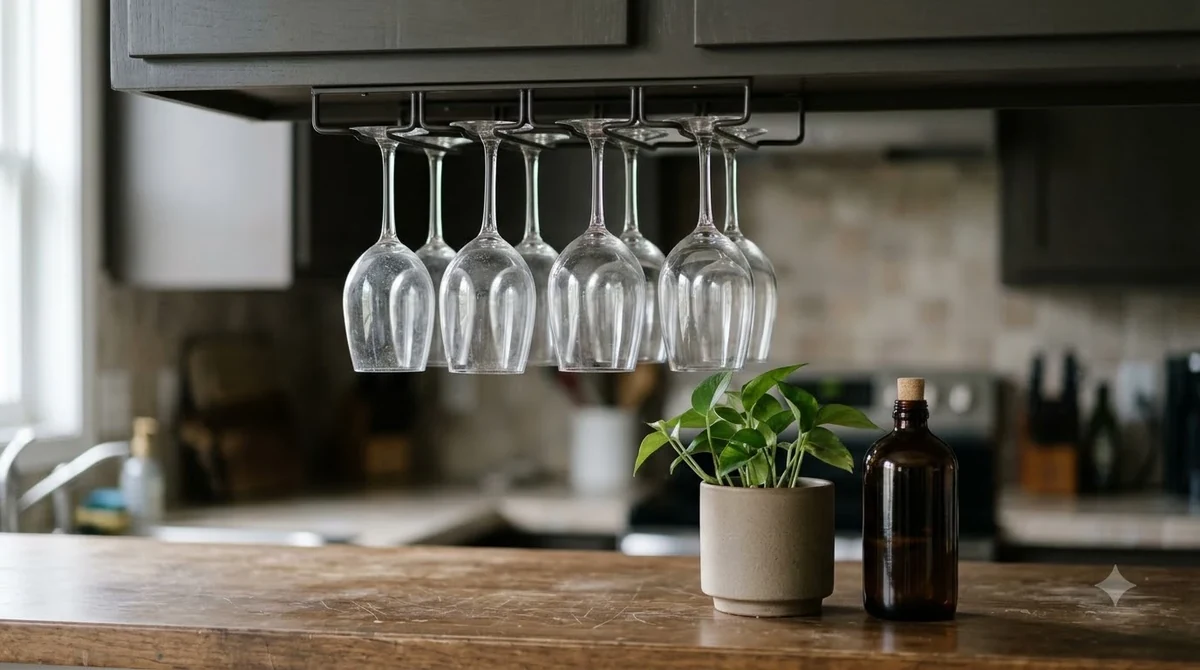
Storage is relatively simple. Keep the tumbler clean and dry, with removable lids and seals allowed to air dry fully. Avoid storing a damp cup with its lid tightly closed for extended periods. If the lid develops cracks, fails to close properly, or starts leaking, contact the manufacturer about replacement options rather than assuming that another brand’s lid will fit.
Warranty terms also deserve attention. Reduce’s current general FAQ describes a limited lifetime warranty covering certain workmanship, material, and vacuum-insulation defects. It excludes issues such as ordinary wear, cosmetic damage, improper cleaning, accidental damage, and discontinued products. This is the brand’s general policy, not an automatic guarantee that every older Costco purchase has identical coverage or replacement eligibility.
For a more detailed understanding of the manufacturer’s cleaning recommendations, consult the Reduce care and frequently asked questions page. It explains washing, drying, replacement parts, and warranty limitations in more detail.
Frequently Asked Questions
Does stainless steel change the taste of wine?
Food-grade 18/8 stainless steel is widely used for reusable drinkware because it is designed for contact with beverages. Rabbit specifically describes its stainless steel tumbler as designed not to alter drink flavors. Clean the cup thoroughly between different beverages to prevent residual aromas from carrying over.
Can a Costco wine tumbler be used for sparkling wine?
Yes, a stainless steel tumbler can hold sparkling wine, including Prosecco, Cava, and Champagne. However, a conventional narrow sparkling-wine glass or flute generally makes it easier to observe the bubbles and follow the wine’s visual presentation. A lid should not be treated as a substitute for a dedicated sparkling-wine stopper.
Can insulated wine tumblers be used for hot beverages?
Rabbit describes its stainless steel wine tumbler as suitable for hot beverages, including mulled wine and other drinks. The double-wall design helps reduce heat transfer to the exterior. Allow hot liquids to cool sufficiently before drinking, and use the lid according to the manufacturer’s instructions.
Why do some insulated tumblers have a rubber or silicone base?
A soft base provides additional grip between the cup and the surface underneath it. It can also reduce the noise made when placing a metal tumbler on a hard countertop. This component is separate from the vacuum insulation and should be inspected for wear during routine cleaning.
Can replacement lids from another brand fit a Costco wine tumbler?
Compatibility should not be assumed from the cup’s diameter alone. Lid dimensions, rim profiles, sealing grooves, and slider mechanisms can differ between brands and product generations. Contact the original manufacturer with the item number or product details before purchasing a replacement component.
Costco wine tumblers make sense for casual wine drinkers who value insulation, shatter resistance, and convenient outdoor use. The Reduce four-pack is a clearly specified option, while Rabbit provides another recognizable 12-ounce stainless steel design with its own lid and care considerations. Choose an insulated tumbler for everyday convenience, but keep traditional wine glasses available when aroma, appearance, and formal presentation matter most.
More in Wine Glasses
 Zwiesel Glas Champagne Flutes for Durable Everyday Sparkling WineUpdated Nov 20, 2026
 Vera Wang Crystal Wine Glasses: Design, Quality and Buying AdviceUpdated Nov 20, 2026
 West Elm White Wine Glasses: Compare Designs for Better Everyday Wine ServiceUpdated Nov 20, 2026
 Zalto Stemless Wine Glasses: Discover Their Distinctive DesignsUpdated Nov 20, 2026
 Viski Champagne Glasses That Match Your Style and Sparkling WineUpdated Nov 20, 2026
 Vista Alegre Decanter Review: Crystal Style and Wine ServiceUpdated Nov 20, 2026