

We may earn a commission when you buy through links on this page, at no extra cost to you. Learn more.
This sutter home moscato review finds that Sutter Home Moscato is a sweet, fruit-forward California white wine with peach, melon, and lychee flavors, making it a convenient choice for drinkers who enjoy approachable, aromatic wines. Its 10.1% ABV, refreshing acidity, and soft finish provide some balance to its sweetness. It is particularly appealing for casual gatherings, spicy meals, light cheeses, and uncomplicated desserts, but drinkers who prefer dry, mineral-driven whites may find it too sweet.
Sutter Home Moscato is designed around familiar fruit flavors rather than complex oak character or pronounced savory notes. The producer uses cold fermentation and stainless-steel aging to preserve its aromatic profile, resulting in a wine that emphasizes freshness and accessible fruit. Understanding its sweetness, production, serving requirements, and food compatibility makes it easier to decide whether this bottle belongs in your wine collection.
Who This Wine Is For
Sutter Home Moscato is best suited to people who enjoy noticeably sweet white wines with recognizable fruit flavors and a relatively gentle drinking experience. Its combination of peach, melon, lychee, and refreshing acidity makes it particularly approachable for casual occasions and meals that benefit from a touch of sweetness.
New wine drinkers are an obvious audience. Someone transitioning from fruit-forward beverages or sweet cocktails may appreciate Moscato’s aromatic character more readily than the sharper acidity and restrained fruit of a traditional dry Sauvignon Blanc. The sweetness is immediately recognizable, and the flavors do not require extensive wine knowledge to understand.
It can also work for experienced wine drinkers who deliberately want a sweet, uncomplicated bottle. A wine collection does not need to consist exclusively of dry Chardonnay, Cabernet Sauvignon, or Pinot Noir. A sweet white can have a useful place alongside those styles, especially when serving spicy food or desserts.
When it makes sense to buy
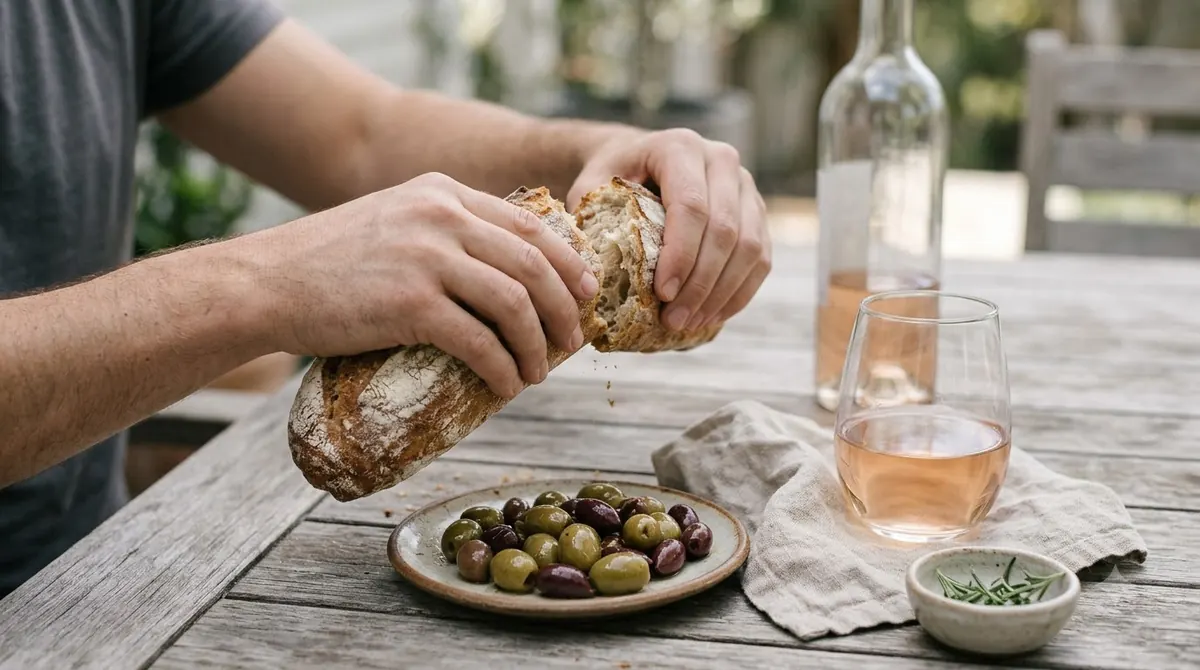
- Casual gatherings: Its approachable sweetness makes it an easy option for informal dinners and get-togethers.
- Spicy food: A little sweetness can provide a pleasant contrast to chili heat in Thai, Vietnamese, and other Asian-inspired dishes.
- Cheese boards: The fruit-forward profile can complement mild, salty cheeses and fresh fruit.
- Sweet wine beginners: Familiar peach and melon flavors make the style relatively easy to understand.
- Relaxed dessert occasions: It works particularly well with fruit-based desserts and moderately sweet pastries.
However, this is not an ideal selection for someone who consistently prefers crisp, bone-dry wines. Dry Riesling, Sauvignon Blanc, and unoaked Chardonnay generally provide a different experience, with less perceived sweetness and a stronger emphasis on acidity or mineral character. Moscato’s appeal depends on enjoying its sweet fruit expression rather than expecting a restrained table white.
For readers comparing the broader range of wines from the producer, the Sutter Home wine collection provides a useful starting point for understanding the brand’s other styles and options.
Key Factors to Compare
The most important buying considerations are sweetness, alcohol content, acidity, flavor intensity, and production style. Sutter Home Moscato combines a sweet fruit profile with 10.1% ABV and measurable acidity, giving shoppers several concrete characteristics to compare before purchasing.
| Factor | Sutter Home Moscato | What It Means |
|---|---|---|
| Wine category | White wine | Fruit-forward white wine style |
| Origin | California, USA | California-sourced grapes |
| Alcohol content | 10.1% ABV | Moderate alcohol level |
| Acidity | 0.71 g/100 mL | Contributes freshness |
| pH | 3.1 | Measured acidity indicator |
| Fermentation temperature | 50°F | Cold fermentation |
| Aging vessel | Stainless steel | Preserves fresh fruit character |
| Main aromas | White peach, rose, lychee | Floral and fruity |
| Main flavors | Peach, nectarine, melon, caramel | Sweet, fruit-driven palate |
| Standard bottle | 750 mL | Approximately five 5-ounce pours |
| Individual bottle | 187 mL | Smaller single-serving format |
These technical details come from the producer’s published wine specifications and product information from major US retailers. The acidity measurement is particularly relevant because sweetness does not exist in isolation. Acidity helps keep a sweet wine from feeling completely flat or excessively heavy on the palate.
Sweetness and flavor balance
The defining characteristic is sweetness. Sutter Home describes its Moscato as luxurious and sweet, with creamy peach, nectarine, and juicy melon flavors. Hints of caramel add another layer, while floral aromas provide some aromatic complexity.
The listed acidity of 0.71 grams per 100 milliliters helps explain why the wine is not simply a sugary-tasting beverage. Acidity contributes freshness and makes the finish feel livelier. However, shoppers should not confuse this balance with dryness. The overall experience remains distinctly sweet.
Alcohol content and bottle size
The producer lists 10.1% alcohol by volume. That figure is useful when comparing Moscato with other white wines, including lighter Italian sparkling styles. For additional detail, the Sutter Home Moscato alcohol content guide can help clarify how the percentage relates to serving size and bottle format.
A standard 750 mL bottle provides approximately five traditional 5-ounce glasses. The smaller 187 mL bottle is another useful option when a full-size bottle would be unnecessary. Kroger identifies this individual format as having a screw cap, making it convenient for picnics, individual portions, and occasions when opening a standard bottle is impractical.
Production choices
The producer’s winemaking approach prioritizes aromatic preservation. Fermentation takes place at 50°F, followed by aging entirely in stainless-steel tanks. These vessels allow the wine to retain its fresh fruit character without introducing the vanilla, toast, or buttery flavors associated with some oak-influenced white wines.
Sutter Home also states that it avoids malolactic fermentation to maintain refreshing acidity. Its cap-and-drain approach is intended to increase varietal intensity. Together, these decisions support the wine’s recognizable fruit and floral profile rather than a heavy, creamy oak-driven style.
Step-by-Step: How to Choose and Enjoy It
Choosing Sutter Home Moscato is straightforward if the decision begins with sweetness preference and the intended occasion. A few practical steps help determine the appropriate bottle size, serving temperature, and food pairing.
-
Decide whether you enjoy sweet wine.
Start by considering your usual preferences. If you enjoy sweet Riesling, fruit-forward white wines, or Moscato generally, Sutter Home’s peach and melon profile may be appealing. If your regular choices are dry Sauvignon Blanc or mineral-driven Chardonnay, the sweetness may be a substantial change.
-
Choose the appropriate bottle format.
A 750 mL bottle is suitable for a small gathering or several individual servings. A 187 mL bottle is more practical when only one serving is required. For a larger group, consider how many guests actually prefer sweet white wine before choosing a bottle size.
-
Plan the food pairing.
Consider spicy grilled shrimp, mild cheeses, barbecue ribs, or fruit desserts. These options reflect the producer’s own pairing suggestions and the general characteristics of sweet white wine. Avoid automatically choosing a rich chocolate dessert, which can overwhelm delicate fruit flavors.
-
Chill the bottle before serving.
Place it in the refrigerator ahead of the meal. A serving temperature of approximately 45–50°F works well for a sweet white wine when freshness is the priority. This helps emphasize its crisp character and prevents the sweetness from feeling excessively heavy.
-
Use suitable glassware.
A standard white wine glass is a practical choice. A tulip-shaped glass can also help concentrate the floral and fruit aromas. There is no need for specialized equipment to enjoy this wine.
-
Pour moderate servings.
A traditional 5-ounce pour makes it easier to serve several guests from a standard bottle. Leave enough space in the glass to swirl the wine gently and release its peach, lychee, and floral aromas.
-
Refrigerate any remaining wine.
Close the bottle securely and return it to the refrigerator. A wine stopper can provide additional convenience, although the original screw cap is suitable for resealing bottles that use that closure.
The goal is to make the wine fit the occasion rather than treat it as a bottle that must be served with a formal tasting routine. Its approachable style is most effective when the temperature, food, and serving format complement its natural sweetness.
Tip: If you are serving Sutter Home Moscato with spicy food, chill the bottle thoroughly and begin with a moderately spicy dish. The sweetness can contrast pleasantly with chili heat, but very intense spice can still overwhelm delicate fruit flavors.
Types or Styles Explained
Understanding the difference between sweet still Moscato, sparkling Moscato, and other Muscat-based wines helps prevent incorrect expectations. Sutter Home Moscato is presented as a sweet white wine, so shoppers should not automatically expect the noticeable bubbles or particularly low alcohol level associated with some Italian Moscato styles.
Sweet still Moscato
This is the style most relevant to Sutter Home’s standard white Moscato. It emphasizes aromatic fruit, sweetness, and a refreshing finish rather than strong carbonation. The producer describes white peach, rose petals, lychee, nectarine, melon, and caramel as its principal aromatic and flavor characteristics.
Still Moscato can be served as an aperitif, alongside food, or as a casual dessert wine. Its lack of pronounced sparkling character also makes it convenient for drinkers who prefer a regular white wine glass rather than a sparkling wine flute.
Moscato d’Asti
Moscato d’Asti is a well-known Italian style from Piedmont. It is gently sparkling and typically has a lower alcohol level than many still California Moscatos. Its delicate bubbles and pronounced aromatic character create a different drinking experience from Sutter Home’s standard Moscato.
Wine Folly discusses Moscato d’Asti as a particularly sweet, aromatic wine that works well with softer desserts featuring caramel, vanilla, and coconut. Its delicacy means that very rich chocolate desserts can overwhelm its flavor. The distinction matters because a shopper seeking sparkling Italian Moscato should not assume that every bottle labeled Moscato will have the same characteristics. The Wine Folly guide to pairing sweet white wines provides additional examples of how sweetness and food intensity affect a pairing.
Pink Moscato
Pink Moscato is another recognizable variation. Depending on the producer, it can include additional grape varieties or blending components that contribute berry flavors and a pink color. Its profile often moves beyond the white peach and melon emphasis of traditional white Moscato.
For shoppers who like sweetness but want a different fruit expression, Pink Moscato may provide an alternative. However, it should be evaluated as its own wine rather than treated as an identical version of Sutter Home’s standard white bottling.
Red Moscato
Red Moscato offers a darker fruit profile and can emphasize strawberry, cherry, and other berry characteristics. Sutter Home also has a Red Moscato offering, which is distinct from the white wine discussed in this guide.
These styles can appeal to someone who enjoys sweet wine but prefers berry flavors to peach and melon. The main purchasing distinction is color and flavor profile, not simply the assumption that red wine must be dry or more tannic.
How the styles compare
| Style | Typical Character | Best Use |
|---|---|---|
| Still white Moscato | Sweet, aromatic, fruit-forward | Casual meals and desserts |
| Moscato d’Asti | Sweet, gently sparkling | Fruit desserts and celebrations |
| Pink Moscato | Sweet, often berry-forward | Fruit plates and casual gatherings |
| Red Moscato | Sweet, darker berry flavors | Berry desserts and savory-spicy dishes |
Total Wine’s Moscato and Muscat wine guide provides further background on the different expressions of the Muscat grape family, including Italian sparkling wines and California examples.
For a broader introduction to grape families and regional expressions, Wine Brands offers a useful starting point for comparing producers and wine categories.
Common Mistakes When Buying Sutter Home Moscato
The most common purchasing mistakes involve misunderstanding sweetness, assuming all Moscato wines are sparkling, and choosing food that clashes with the wine’s fruit-forward character. Recognizing these differences makes it easier to select the right bottle and avoid disappointing pairings.
Assuming Moscato means dry white wine
Not all white wines have the same sweetness level. Sutter Home Moscato is explicitly described by its producer as sweet, with peach, nectarine, melon, and caramel flavors. Someone expecting the restrained profile of a dry Pinot Grigio may find the wine considerably sweeter than anticipated.
The solution is to consider the style before purchasing. Moscato is generally associated with aromatic, fruit-forward wines, and Sutter Home’s version clearly emphasizes sweetness rather than dryness. It should be selected by someone who wants that particular profile.
Expecting sparkling wine
The name Moscato is associated with several wine styles, including gently sparkling Italian examples. However, the existence of sparkling Moscato does not mean every Moscato bottle contains noticeable carbonation.
Sutter Home’s standard white Moscato should be approached as a sweet white wine, not automatically as a substitute for Champagne, Cava, or Prosecco. If bubbles are an important requirement, select a bottle specifically identified as sparkling or frizzante.
Pairing it with very sweet desserts
A dessert can make a wine taste less sweet if the food contains more sugar than the glass. This is especially noticeable with delicate wines that rely on aromatic fruit rather than concentrated flavors.
Fruit tarts, peach pastries, and desserts featuring vanilla or caramel are more natural starting points than extremely sweet chocolate cake. The general principle is to choose a wine that is at least as sweet as the dessert.
Serving it too warm
Warm sweet white wine can taste heavier and less refreshing. Sutter Home Moscato benefits from chilling, especially when served outdoors or alongside spicy food.
Aim for approximately 45–50°F rather than serving it at typical room temperature. If the wine becomes excessively cold, allow it to warm slightly in the glass so that its floral and fruit aromas become more expressive.
Confusing fruit aromas with actual fruit ingredients
Descriptions such as peach, lychee, melon, and caramel refer to sensory characteristics. They do not mean the wine is necessarily made by adding those fruits or flavorings.
These aromas are part of how the wine is perceived. Muscat grapes are naturally aromatic, and fermentation and winemaking choices influence how those characteristics appear in the finished wine.
Ignoring the intended occasion
A sweet Moscato is not necessarily the right bottle for every meal. It can be enjoyable with spicy shrimp, mild cheese, and fruit desserts, but it may not provide the structure needed for a substantial steak dinner or a meal dominated by bitter greens and very acidic sauces.
Think about the dominant flavors of the food before choosing the bottle. Salt and fat can soften tannins in red wines, while sweetness and acidity play a different role in balancing spicy and salty dishes. Sutter Home Moscato is most convincing when its fruit character complements rather than competes with the meal.
Care and Storage Tips
Proper storage preserves the wine’s fruit aromas and helps maintain its freshness after opening. Sutter Home Moscato is best treated as a fresh, aromatic white wine rather than a bottle intended for extended cellar aging.
Before opening
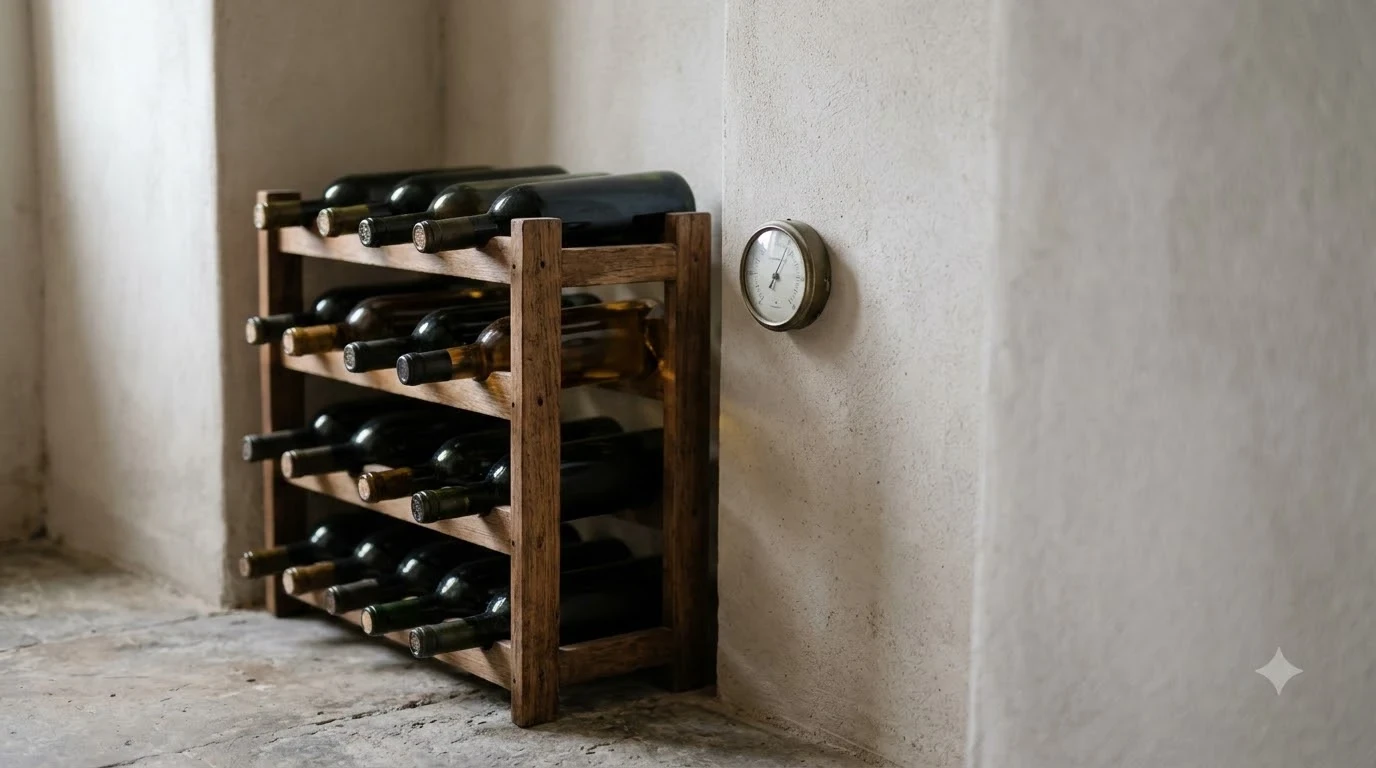
Keep unopened bottles in a cool, dark location away from direct sunlight and major temperature fluctuations. For longer storage, a consistent temperature near 55°F is a useful general target for wine. Avoid placing bottles next to ovens, radiators, or windows that receive strong afternoon sunlight.
Unlike wines specifically selected for long-term cellaring, this style is intended to emphasize fresh fruit characteristics. There is little reason to purchase it with the intention of keeping it for many years. A stable, cool environment is more important than an elaborate storage setup.
Serving temperature
For Sutter Home Moscato, approximately 45–50°F is a practical serving range. This temperature keeps the wine refreshing while allowing its recognizable aromas to remain accessible.
Refrigerator temperatures can vary, so the exact chilling time will depend on where the bottle is stored and its starting temperature. A standard refrigerator can provide sufficient chilling before dinner. If the wine becomes too cold, let it rest briefly in the glass.
After opening
Close the bottle promptly after pouring and place it in the refrigerator. Exposure to oxygen gradually changes the wine’s aroma and flavor, reducing the freshness that makes this style appealing.
For opened still wines, approximately 3–5 days of refrigerated storage is a general guideline, although delicate aromatic wines are often better enjoyed sooner. Total Wine recommends resealing leftover Moscato and drinking it the following day for fresher flavor. This is a sensible approach if preserving its fruit-forward character is the priority.
Choosing glassware
A white wine glass is suitable for everyday service. A tulip-shaped glass can concentrate aromas toward the nose, making it easier to notice white peach, lychee, and floral characteristics.
There is no requirement to use a narrow Champagne flute for standard still Moscato. The wider opening of a regular white wine glass gives the aromas more room to develop and makes the wine easier to swirl.
Serving for a group
A standard 750 mL bottle provides approximately five 5-ounce servings. For a group of ten guests, two standard bottles would therefore provide approximately ten traditional servings, assuming everyone receives one glass.
For a smaller gathering or an individual serving, the 187 mL format offers a more practical alternative. Its screw cap also makes it convenient for occasions when carrying a corkscrew is undesirable.
Frequently Asked Questions
Is Sutter Home Moscato sweet or dry?
Sutter Home Moscato is a sweet white wine rather than a dry wine. Its fruit-forward profile emphasizes peach, nectarine, melon, and caramel. The refreshing acidity provides contrast, but it does not change the wine’s overall sweet classification.
Does Sutter Home Moscato contain added carbonation?
The standard white bottling is not presented by the producer as a sparkling wine. Its stainless-steel fermentation and aging descriptions do not establish a sparkling production method. For noticeable bubbles, choose a product specifically identified as sparkling Moscato.
What grape variety is used in Sutter Home Moscato?
The product is identified as Moscato, a member of the Muscat grape family. Muscat includes more than 200 grape varieties, clones, and related selections worldwide. The producer’s product information does not identify a specific Muscat clone for this bottling.
Can Sutter Home Moscato be used in wine cocktails?
Yes, its sweet peach and melon character can work in simple wine-based mixed drinks. It can be combined with chilled sparkling water and fresh citrus for a lighter-style spritzer. Because the wine already has noticeable sweetness, additional sweeteners are generally unnecessary.
Does Sutter Home Moscato need to be decanted?
No formal decanting is necessary for this fresh, aromatic white wine. Opening the bottle and allowing it to breathe briefly in a glass is sufficient for ordinary service. Its appeal comes from fresh fruit and floral aromas rather than the sediment management or extended aeration sometimes required by older red wines.
Sutter Home Moscato is a straightforward choice for shoppers who enjoy sweet white wine with peach, melon, lychee, and floral character. Its 10.1% ABV, stainless-steel production, and refreshing acidity make it particularly suitable for casual occasions and spicy or lightly sweet food pairings. Choose it for its approachable sweetness rather than expecting a dry or sparkling wine, and serve it chilled to make the most of its fresh fruit profile.
More in Wine Brands
 Louis Latour Wine Price: Compare Bottles by Style and TierUpdated Nov 20, 2026
 Yellow Tail Moscato Price: What to Expect Before You BuyUpdated Nov 20, 2026
 Sutter Home Sweet Red Review: Find the Right Food PairingsUpdated Nov 20, 2026
 Franzia Chillable Red Review: Find the Right Serving StyleUpdated Nov 20, 2026
 Veuve Clicquot Rose Review: Flavor, Food Pairings and Buying AdviceUpdated Nov 20, 2026
 Rombauer Wine Price: Compare Bottles Before You BuyUpdated Nov 20, 2026