

We may earn a commission when you buy through links on this page, at no extra cost to you. Learn more.
The best travel wine glasses are shatter-resistant, lightweight, and easy to pack, and the right pick depends on whether you are carrying glasses to a hotel room, a campsite, a picnic, or a beach house. Break-resistant stemware and stemless tumblers handle rough trips best, while stemmed versions suit a planned tasting. Keep the bowl shape in mind even when the glass is built for travel, since a well-shaped bowl makes the same wine taste noticeably better.
Travel changes what matters in a wine glass. Weight, packing space, and the risk of breakage move to the top of the list, and fine crystal that would be perfect at home can be a poor choice on a train or in a suitcase. This guide sorts travel glassware by the trip it suits, explains the materials that hold up best, and gives a quick way to choose before you leave.
Quick Comparison of Travel Glass Types
Travel glasses come in a few main forms. The table compares them by weight, breakage risk, and how well they show the wine, so you can weigh the trade-offs before you pack.
| Type | Typical material | Best trip | Keep in mind |
|---|---|---|---|
| Break-resistant crystal stemware | Durable crystal | Road trips and hotel stays | Heavier than plastic |
| Stemless tumbler | Glass or tritan | Picnics and casual evenings | Warms wine quickly |
| Collapsible or folding glass | Silicone or flexible plastic | Hiking and camping | Shows the wine less clearly |
| Tritan stemmed glass | Tritan plastic | Pools, beaches, and boats | Does not feel like crystal |
Durability is a real design goal, not a marketing claim. According to the Wikipedia entry on the wine glass, some makers add titanium to improve the durability of their glass, which is one reason break-resistant stemware exists. Glass that resists chipping is the first thing to look for when a trip includes a long drive or a rough handling schedule.
Best for Hotel Rooms and Road Trips
Break-resistant stemware is the most complete travel option. It keeps the shape and feel of a real wine glass while being built to survive a packed car or a crowded suitcase.
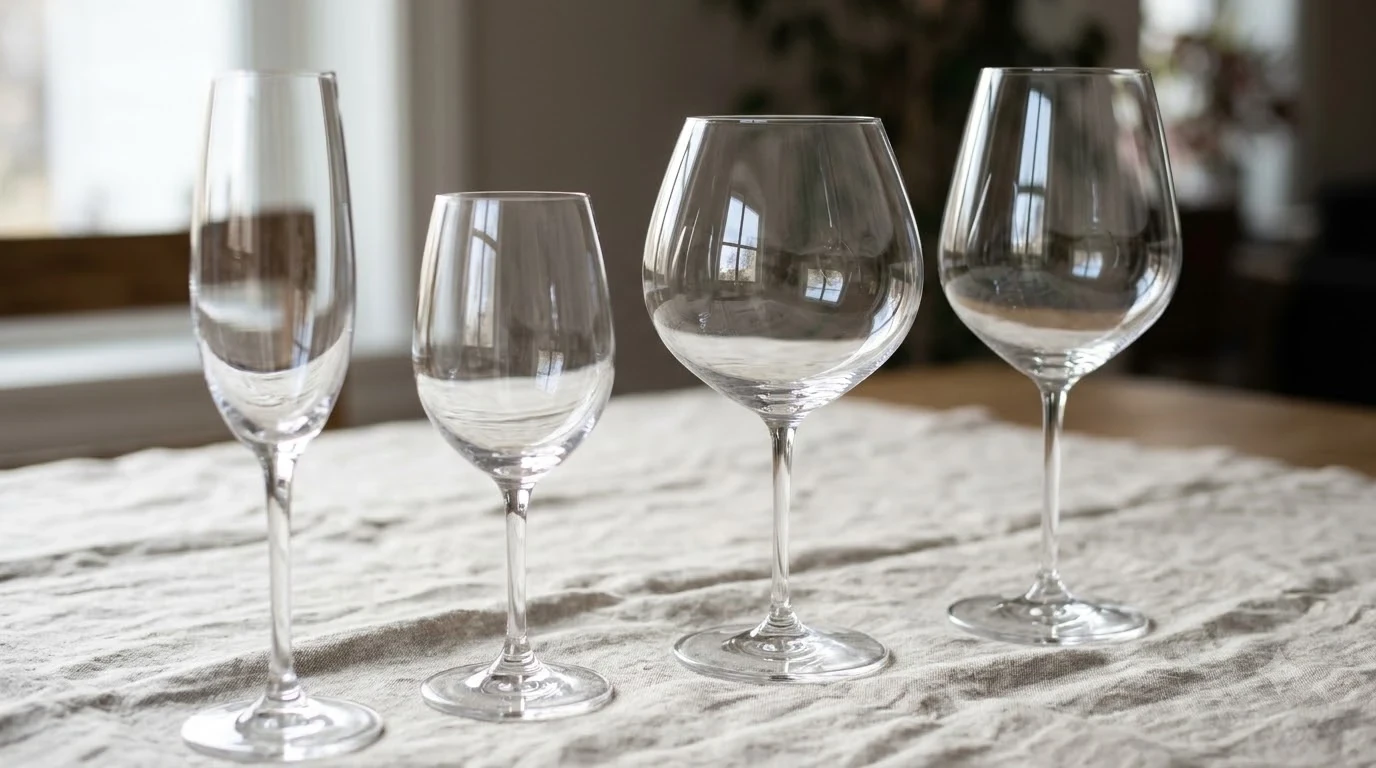
Why it stands out: the stem keeps your hand off the bowl, so the wine stays cooler during a long evening. Riedel’s About RIEDEL page describes its break-resistant fine crystal as built to hold its clarity, and the company says stem height and a stable base help the glass work well in everyday use.
Keep in mind: break-resistant crystal is heavier than plastic and needs a padded case or a wrapped spot in the bag. Check whether the set is dishwasher safe, since hotel rooms rarely have one.
Best for: couples and small groups who want a real stemmed glass on a road trip or a weekend away.
Best for Picnics and Casual Evenings
A stemless tumbler is the simplest travel glass. It is short, sturdy, and stable on uneven ground, which makes it a good fit for picnics, park nights, and outdoor dinners.
Why it stands out: without a stem, there is nothing to snap or knock over, and the glass fits easily into a bag or cooler. It works well for red and white wine served at a casual pace.
Keep in mind: a stemless glass warms the wine faster when it is held in the hand, so chill the bottle well and pour just before drinking. It is less suited to careful tasting.
Best for: picnic and park lovers who want an easy, carry-along glass for everyday wine.
Best for Camping and Hiking
Collapsible or folding glasses are built for trips where space and weight matter more than presentation. They fold flat for a backpack and open into a usable cup or bowl at the campsite.
Why it stands out: the flexible material is hard to break and adds almost no bulk. It is the most practical choice when every ounce counts.
Keep in mind: flexible glasses show the wine less clearly and can hold onto flavor or odor after use. Rinse them well and let them dry completely before folding.
Best for: hikers, campers, and anyone who needs a glass that disappears in a pack.
Best for Pools, Beaches, and Boats
Tritan stemmed glasses bring a stem and a clear, rigid body to places where glass is not allowed. They are useful on a boat, at a pool, or on a beach where a dropped crystal glass would be a real hazard.
Why it stands out: tritan is a sturdy plastic that does not shatter, and a stemmed design keeps the wine away from sun-warmed hands. Good versions keep the bowl open enough to smell the wine.
Keep in mind: tritan does not feel like crystal, and it can scratch over time. Save it for casual drinks rather than a bottle you want to taste carefully.
Best for: pool days, boat trips, and beach holidays where breakage would ruin the day.
Best for Travelers Who Care About Aroma
A compact stemmed glass with a medium bowl suits travelers who still want to smell the wine. It is a good middle path between a fragile crystal glass and a plastic cup.
Why it stands out: a medium bowl lets aroma gather, and a smaller size takes up less room in a suitcase. Wines such as Sauvignon Blanc are served cool, and a compact bowl helps keep them that way. Wine Folly’s Sauvignon Blanc guide lists a serving range of 45 to 55°F (7 to 12°C) and calls for a white wine glass.
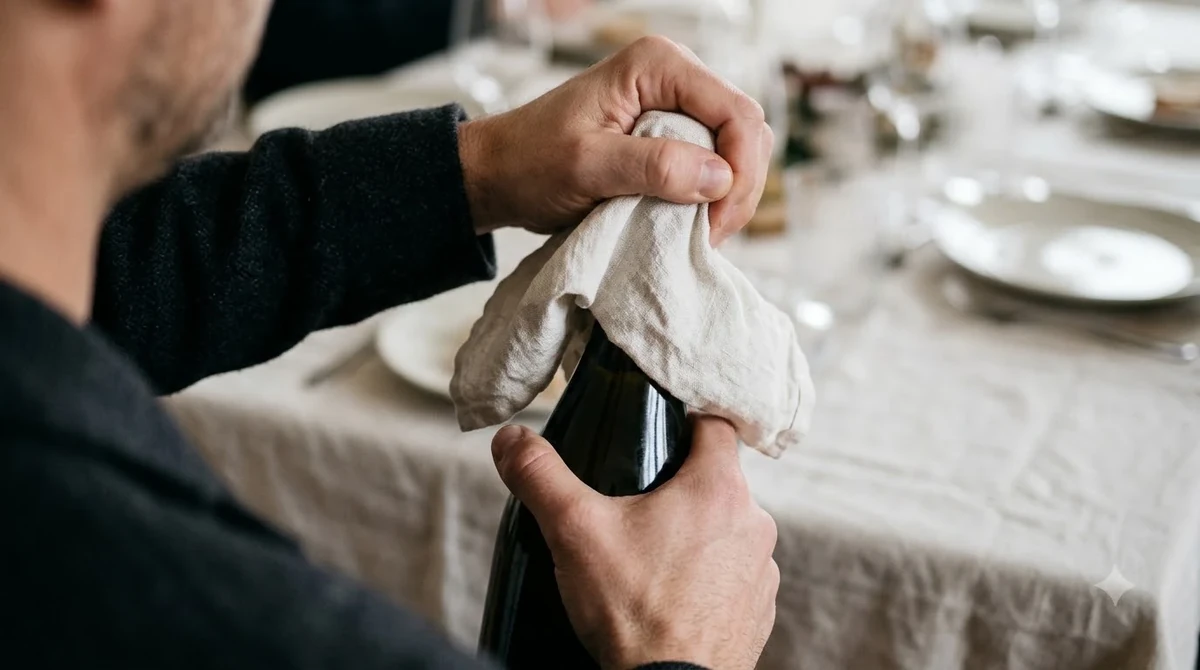
Keep in mind: a compact glass holds less wine, so you will refill more often. Pack it with padding, since a smaller stemmed glass can still break in transit. Wrapping each glass in a soft cloth and placing it in a rigid box or a hard-sided bag gives far better protection than a loose towel, and it keeps the stems from knocking against each other on a bumpy road.
Best for: travelers who want a real wine glass in a smaller size, especially for white and rosé.
How to Choose a Travel Glass
Start with the trip. A car or hotel trip can carry a stemmed crystal-style glass, a picnic suits a stemless tumbler, and a hike or beach trip calls for something that folds or does not break. Use the table below as a quick check.
| Trip | Look for |
|---|---|
| Road trip or hotel | Break-resistant stemware with padding |
| Picnic or park | Sturdy stemless tumbler |
| Camping or hiking | Collapsible glass that packs flat |
| Pool, beach, or boat | Tritan stemmed glass |
Packing matters as much as the glass. Wrap each one separately, store them upright, and keep the stem protected. If you are unsure how to hold a glass once you arrive, the wine glasses guide explains which shapes suit which wines, and the how to hold a wine glass page covers the grip that keeps your fingers off the bowl.
Frequently Asked Questions
Are plastic travel wine glasses worth it?
Plastic and tritan glasses are a practical choice for pools, beaches, and outdoor trips where breakage is a risk. They do not match the clarity or feel of crystal, so they are best for casual drinks. For a special bottle or a tasting, a glass made of crystal or fine glass gives a better experience.
Can I bring real wine glasses on a flight?
Most airlines and airports restrict glass in carry-on bags, so checked luggage with heavy padding is the safer route for real stemware. Break-resistant crystal and collapsible glasses are lighter options. Check the rules of your airline before packing, since they vary.
What size wine glass is best for travel?
A compact stemmed glass with a medium bowl works for most trips because it saves space and still lets you smell the wine. The Wikipedia entry on wine glass notes that many modern glasses are sized around a 125 mL serving, which is about one sixth of a bottle, so a smaller glass also helps with portion control.
How do I keep travel wine glasses from warming up?
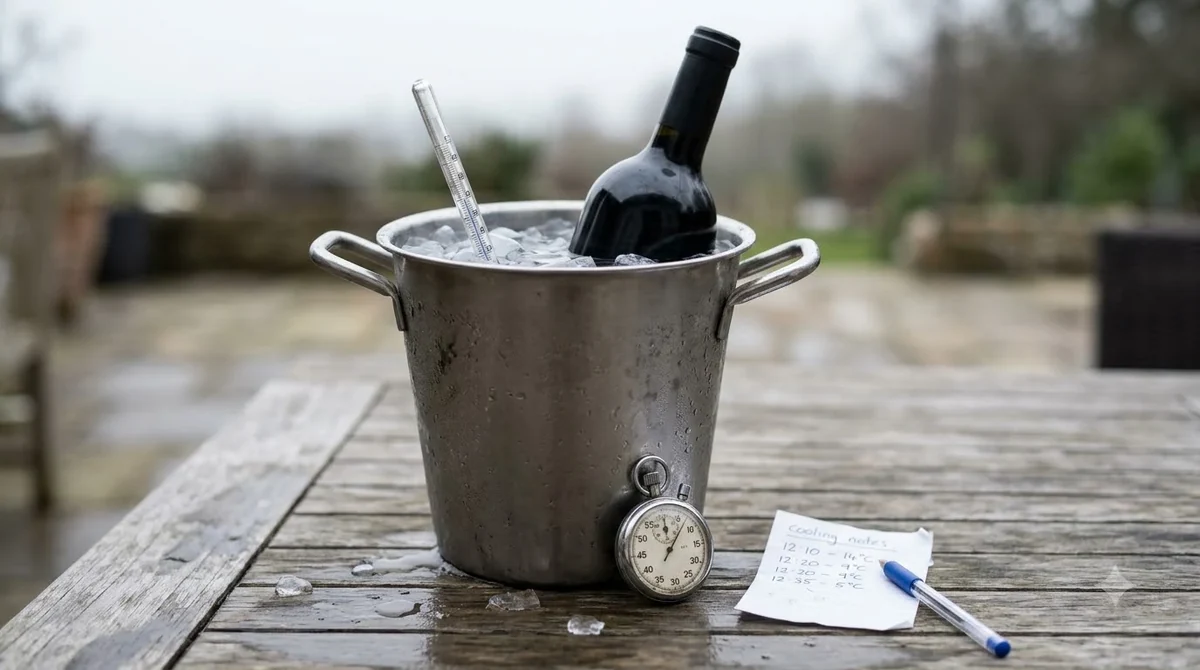
Chill the bottle well before you leave and hold the glass by the stem. A stemless tumbler warms faster because the bowl sits in your hand, so pour just before drinking. A cooler with ice packs also helps keep white wine in the range it is meant to be served.
A good travel glass is the one you will actually bring. Choose the shape that matches your trip, pack it with care, and keep the bowl in mind even when the glass is simple. For a wider look at glass shapes across styles, see the wine glasses guide.
More in Wine Glasses
 Spiegelau Crystal Wine Glasses That Bring Clarity to Every PourUpdated Nov 21, 2026
 Zalto Crystal Wine Glasses: Are They Worth the Investment?Updated Nov 21, 2026
 Villeroy And Boch White Wine Glasses for a More Cohesive TableUpdated Nov 21, 2026
 Zalto Wine Glasses On Sale: Find the Right Denk’Art GlassUpdated Nov 21, 2026
 Zwiesel Glas Champagne Glasses: Features, Quality and Buying AdviceUpdated Nov 21, 2026
 Zwiesel Glas Decanter Review: A Durable, Elegant Choice for Wine ServiceUpdated Nov 21, 2026