

We may earn a commission when you buy through links on this page, at no extra cost to you. Learn more.
Is biltmore wine good? Yes, Biltmore makes good, approachable American wines, with particularly interesting choices in its Reserve and Limited Release collections. The Asheville, North Carolina, winery produces red, white, rosé, and sparkling wines using estate-grown grapes alongside fruit from selected American growing regions. Its strongest appeal is the combination of recognizable grape varieties, a broad selection of styles, and a consistent, accessible approach to winemaking rather than a focus exclusively on rare, collectible bottles.
Biltmore wine is an interesting choice for shoppers who recognize the name from the historic Vanderbilt estate but want to know whether the bottles deserve attention independently of the destination. The answer depends on the particular collection, grape variety, and growing region. Understanding those differences makes it easier to choose a bottle that suits a dinner, celebration, gift, or everyday glass without assuming that every wine carrying the Biltmore name tastes the same.
Who Should Consider Biltmore Wine?
Biltmore wine is a good match for shoppers who enjoy familiar American grape varieties, approachable drinking styles, and a winery with a substantial range of choices. Its different collections make it possible to choose between straightforward everyday wines and more distinctive bottlings without treating the entire portfolio as one uniform product.
Casual wine drinkers are a natural audience for Biltmore’s American Series. These wines emphasize recognizable varietal character, making them relatively straightforward choices for people who already know whether they prefer Cabernet Sauvignon, Chardonnay, Merlot, or Sauvignon Blanc. Someone who wants a familiar grape rather than an unusual regional specialty can start here.
Wine enthusiasts interested in regional American production may find the Reserve collection more compelling. Biltmore uses North Carolina fruit for selected Reserve wines, offering an opportunity to explore the character of the estate’s growing environment. Its mountain location creates growing conditions that differ from those of California and Washington, and the resulting wines offer a different perspective on American winemaking.
Visitors to Asheville and Biltmore Estate also have a practical reason to explore the brand. The winery is located in Antler Hill Village, where visitors can experience a complimentary tasting in the Tasting Room with eligible estate admission. The nearby Wine Bar offers additional opportunities to enjoy wine by the glass, bottle, or flight.
There are also shoppers who may prefer another producer. People specifically looking for highly traditional Old World wines, wines from a single narrowly defined appellation, or bottles intended for long-term cellar aging should evaluate individual Biltmore selections carefully rather than assuming that the brand’s estate association guarantees those characteristics.
The important distinction is that Biltmore is not simply a souvenir wine operation. Its portfolio includes wines made from grapes sourced across several American growing regions, as well as selected North Carolina fruit. The brand’s breadth is useful, but shoppers should approach each bottle according to its grape, origin, and collection. Readers exploring other producers can also browse our broader Wine Brands guide for additional background on American and international labels.
Key Factors to Compare Before Buying Biltmore
The best way to evaluate Biltmore is to compare grape origin, collection, wine style, and the characteristics of the specific bottle. These factors provide a more useful picture of quality than the winery’s name, packaging, or competition medals alone.
Start with the appellation. Biltmore’s American Series uses an American appellation because the winery sources grapes from multiple growing regions around the country. This is different from a wine specifically identified with North Carolina. A Reserve bottling identified with North Carolina offers a more geographically focused expression.
According to Biltmore’s official portfolio information, its growing partnerships include North Carolina, California, and Washington. These regions offer different climatic conditions. California provides several distinct growing environments, while eastern Washington’s dry conditions and long growing-season daylight can support successful grape production. The winery combines fruit from these sources to maintain a varied selection.
| Factor | What to look for | Why it matters |
|---|---|---|
| Grape origin | American or North Carolina appellation | Shows the geographic scope of the wine |
| Collection | American Series, Reserve, Limited Release, Antler Hill | Helps distinguish the different portfolio tiers |
| Grape variety | Cabernet Sauvignon, Merlot, Chardonnay, Sauvignon Blanc | Indicates the expected structure and flavor profile |
| Wine category | Red, white, rosé, sparkling | Determines the most suitable serving occasion |
| Serving temperature | 45–50°F for light whites; 60–65°F for full reds | Helps preserve balance and aroma |
| Pour size | 5 ounces | Provides a consistent serving for comparison |
| Bottle size | 750 ml | Provides approximately five standard glasses |
Grape variety is equally important. Cabernet Sauvignon typically has high tannin, while Merlot generally has softer, medium tannin. Pinot Noir usually has lower-to-medium tannin and higher acidity. Chardonnay has medium acidity, while Sauvignon Blanc typically has higher acidity. These differences can influence the experience more than the winery name itself.
Awards can provide another useful reference, but they should be interpreted carefully. Southern Wine Country lists silver medals for particular Biltmore Reserve wines in the North Carolina Wine Competition, including a 2023 Reserve Chardonnay, a 2023 Reserve Rosé, and a 2022 Reserve Cabernet Sauvignon. These are encouraging individual results, not proof that every Biltmore bottle has the same quality level.
For additional background, the Southern Wine Country Biltmore Winery profile provides information about the winery’s location, grape varieties, and recorded competition results.
Finally, consider the occasion. A light white wine may work better for an afternoon gathering, while a fuller red can be more appropriate for a substantial dinner. A sparkling wine is useful for celebrations, and a rosé offers flexibility for outdoor meals and lighter dishes.
Step-by-Step: How to Choose the Right Biltmore Bottle
Choosing Biltmore wine becomes easier when you work from your preferred flavor profile toward the particular collection and origin. The following five steps help narrow the options without relying on the estate’s reputation alone.
-
Decide between red, white, rosé, and sparkling. Begin with the broad category you usually enjoy. Red wine is a sensible starting point for people who prefer structured flavors and dishes such as grilled beef. White wine suits seafood, poultry, and lighter meals. Rosé is flexible for casual gatherings, while sparkling wine works for celebrations and appetizers.
-
Select a grape variety. Cabernet Sauvignon is a useful choice for someone who likes firmer tannins and fuller reds. Merlot generally provides a softer alternative. Chardonnay is suitable for shoppers who prefer a medium-acidity white, while Sauvignon Blanc is a better starting point for people who enjoy freshness and pronounced acidity. Pinot Grigio is another option for lighter white wine preferences.
-
Compare the collections. Look at the American Series for approachable varietal wines. Explore Reserve selections for more geographically specific North Carolina wines and other distinctive offerings. Limited Release bottlings can provide opportunities to try less conventional varieties and smaller portfolio selections. Antler Hill is another collection within the brand.
-
Check the wine’s geographic origin. An American appellation indicates that the grapes can come from multiple regions in the United States. A North Carolina appellation provides a more specific indication of regional origin. This distinction is especially useful for shoppers interested in tasting wines associated with the Blue Ridge Mountains and surrounding North Carolina growing areas.
-
Match the bottle to the meal and occasion. Consider whether the wine needs to accompany food, serve as an aperitif, or be enjoyed independently. A Sauvignon Blanc can work with fresh goat cheese and seafood, while Cabernet Sauvignon is often a more natural choice for grilled beef. For a mixed gathering, a versatile rosé or sparkling wine can accommodate several different foods.
These steps also help prevent a common shopping mistake: choosing a wine because its label looks impressive without considering whether its style matches personal preferences. A well-made wine can still be the wrong purchase if it is too tannic, too acidic, too light, or too rich for the person drinking it.
Tip: If you are uncertain about the Biltmore collection, begin with a familiar grape such as Chardonnay, Merlot, or Cabernet Sauvignon. Once you know which general style suits your preferences, compare a corresponding Reserve or Limited Release selection to explore the winery’s more distinctive offerings.
For shoppers comparing other familiar American brands, our Barefoot wine overview offers another perspective on approachable, widely recognized wines. The useful comparison is not simply which name is more familiar, but which producer’s range offers the grape varieties and drinking styles you prefer.
Biltmore Wine Types and Collections Explained
Biltmore produces several wine categories and organizes its portfolio into collections with different purposes. The American Series provides recognizable varietal options, while Reserve and Limited Release selections offer additional opportunities to explore specific grapes and growing regions.
American Series
The American Series is the straightforward entry point for understanding Biltmore’s approach. The winery describes these wines as approachable and focused on classic varietal character. Grapes come from leading American growing regions and are crafted at the estate winery in Asheville.
Because the fruit can come from several states, the American appellation is important. It means the wine should not automatically be interpreted as exclusively North Carolina-grown. For shoppers who prioritize familiar grape varieties and a broad American sourcing approach, this collection is a practical place to start.
Reserve Collection
The Reserve collection deserves particular attention from people who want to explore Biltmore’s North Carolina wine production. The winery uses the Reserve designation for selected wines, including wines made with fruit from its estate vineyards and regional growing partners.
North Carolina’s climate creates distinctive challenges. Western North Carolina experiences warm, humid growing-season days, cooler nights, substantial rainfall, and a greater risk of late-season frost than many West Coast growing regions. These conditions influence which grape varieties can thrive locally.
According to Biltmore’s vineyard information, Cabernet Franc, Cabernet Sauvignon, Chardonnay, and Merlot have demonstrated suitability for its Blue Ridge Mountain growing environment. The Reserve range is therefore a particularly interesting starting point for shoppers curious about North Carolina’s wine identity.
Limited Release Collection
Limited Release wines provide additional variety beyond the core selections. Biltmore’s portfolio has included wines made from grapes such as Grenache Blanc and Mourvèdre, demonstrating that the winery’s interests extend beyond the familiar international varieties.
These bottlings can appeal to shoppers who already enjoy exploring different grape varieties or want something less conventional for a dinner or special occasion. Their specific characteristics depend on the grape, vintage, and individual wine, so it is better to evaluate each release separately rather than assuming that all Limited Release wines share one flavor profile.
Antler Hill Collection
Antler Hill is another named collection in the Biltmore portfolio. Its inclusion reflects the winery’s broad approach to offering wines across different occasions and preferences. Shoppers should compare individual Antler Hill selections by grape and style rather than treating the collection name as a substitute for tasting information.
Red, White, Rosé, and Sparkling Options
The winery offers a broad selection of wine styles. Red drinkers can explore Cabernet Sauvignon, Merlot, and other varieties, while white wine drinkers can look for Chardonnay, Sauvignon Blanc, and Pinot Grigio. Rosé and sparkling selections provide alternatives for people who prefer lighter or celebratory wines.
Biltmore’s sourcing strategy is particularly relevant here. The winery explains that Pinot Noir and Pinot Grigio are not well suited to the weather conditions in Western North Carolina. It therefore works with growing partners to obtain grapes from other regions, helping maintain a wider selection than its estate vineyards could provide independently.
This is not inherently a disadvantage. Many American wineries work with vineyards in different regions to obtain fruit that suits particular grape varieties. What matters is whether the finished wine delivers the style and quality the buyer expects. People interested in sparkling alternatives can also explore our La Marca Prosecco overview to understand another popular American-market sparkling wine choice and its grape-based style.
Common Mistakes When Buying Biltmore Wine
The biggest mistakes involve confusing the Biltmore estate’s reputation with the characteristics of an individual wine. Understanding the label, collection, and grape variety makes it easier to form realistic expectations.
Assuming every bottle contains North Carolina grapes is one of the most common misunderstandings. Biltmore is based in Asheville, but its American Series draws fruit from multiple American growing regions. California and Washington are among its sourcing locations. A wine made at the estate winery is not necessarily made exclusively from grapes grown on the estate.
Assuming Reserve automatically means better for every drinker is another mistake. The different collections serve different purposes, and a more distinctive wine is not always the best match for an individual palate. Someone who enjoys simple, fruit-forward wine may prefer an approachable American Series selection over a more structured Reserve bottling.
Buying by grape name alone can also produce disappointing results. Cabernet Sauvignon is generally more tannic than Merlot, and Sauvignon Blanc typically has more acidity than Chardonnay. A shopper who dislikes firm tannins should think carefully before selecting Cabernet Sauvignon simply because it is a familiar premium red grape.
Taking awards as a guarantee of universal quality is another problem. A competition medal relates to the specific wine and vintage entered. A silver medal for a Reserve Chardonnay does not establish that an unrelated sparkling wine or American Series red has the same characteristics or competition standing.
Expecting every wine to taste the same between collections is equally misleading. Grape sourcing, regional climate, winemaking decisions, and vintage conditions all contribute to the final result. A California-sourced Pinot Grigio and a North Carolina Reserve Chardonnay should not be judged against identical flavor expectations.
Ignoring food compatibility can make an otherwise enjoyable wine seem unbalanced. High-tannin Cabernet Sauvignon can work particularly well with fatty red meat because fat softens the perception of tannin. However, a tannic red is generally less suitable for delicate oily fish, where a fresher white wine may be a better pairing.
Finally, avoid buying an unfamiliar bottle solely as a souvenir. The winery’s history and location make an attractive story, but the most satisfying purchase is still the wine that matches the intended meal, occasion, and personal taste.
Serving and Storage Tips for Biltmore Wines
Serving temperature, glassware, and storage conditions can make a noticeable difference in how Biltmore wines show their aromas and structure. A few basic practices help preserve the intended character of both everyday selections and more distinctive Reserve bottlings.
Serve Each Wine at the Right Temperature
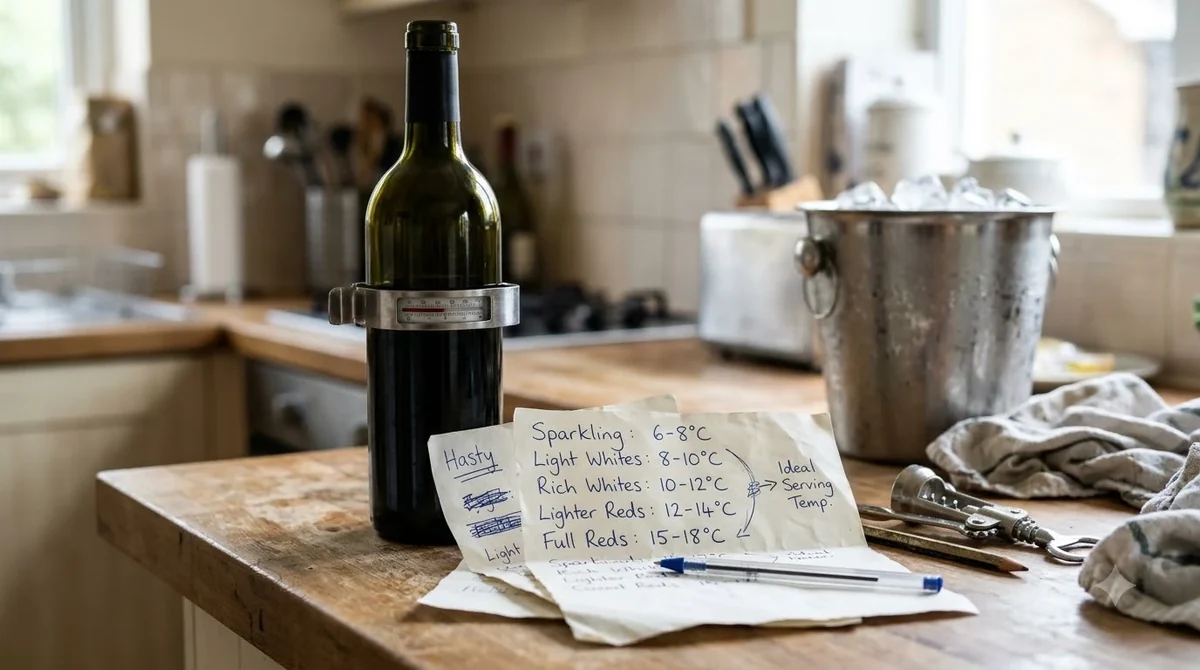
Temperature affects aroma, acidity, alcohol perception, and tannin. Serving a white wine too warm can make it seem heavier, while serving a red wine too cold can make its tannins and structure seem more prominent.
Use these general serving ranges:
- Sparkling wine: 40–50°F.
- Light white wine and rosé: 45–50°F.
- Full-bodied white wine: 50–55°F.
- Light red wine: 55–60°F.
- Full-bodied red wine: 60–65°F.
- Sweet white wine: 43–50°F.
For example, a light Pinot Grigio is generally more refreshing at 45–50°F, while a fuller Chardonnay may show better complexity at 50–55°F. A Cabernet Sauvignon usually benefits from being served slightly cooler than a warm room temperature, especially in a heated home.
Choose Appropriate Glassware
A standard wine glass with enough room to swirl is sufficient for most still wines. Larger bowls can help fuller reds release their aromas, while narrower glasses can be practical for sparkling wines because they help retain bubbles.
Pour approximately 5 ounces per serving. A standard 750 ml bottle provides about five such glasses, making it easy to plan quantities for a dinner or small gathering. For a tasting that includes several Biltmore styles, smaller pours allow guests to compare wines without committing to a full glass of each.
Decide Whether to Decant
Decanting is most useful for young, full-bodied reds that benefit from exposure to air. A young Cabernet Sauvignon with pronounced tannins may benefit from approximately 30–60 minutes in a decanter before serving.
Not every red wine needs this treatment. Lighter reds and simpler fruit-forward wines may be enjoyable immediately after opening. If a bottle seems muted, allow it a little time in the glass before deciding whether it needs more aeration.
Store Unopened Bottles Correctly
Store wine away from direct sunlight, excessive heat, and large temperature fluctuations. A cool environment near 55°F is a useful target for longer-term storage. Traditional cork-finished bottles are generally stored horizontally to help keep the cork from drying out.
Avoid leaving wine in a hot car or near an oven, radiator, or sunny window. Even a good bottle can lose freshness when repeatedly exposed to high temperatures. For wines intended for near-term drinking, a cool, dark cupboard is generally more suitable than a warm kitchen shelf.
Preserve Opened Bottles
Once opened, most still wines are best enjoyed within approximately 3–5 days when refrigerated and properly resealed. Sparkling wines generally retain their best qualities for approximately 1–3 days with an appropriate sparkling-wine stopper.
Keep opened whites and rosés refrigerated, and refrigerate opened reds as well. Allow red wine to warm slightly before serving again. Fortified wines can remain enjoyable for several weeks after opening, while bag-in-box wines generally last approximately 4–6 weeks under suitable storage conditions.
For Biltmore shoppers, these practices are especially useful when purchasing several bottles for a gathering. Proper storage helps ensure that the final glass is as enjoyable as the first.
Frequently Asked Questions
Is Biltmore wine made in North Carolina?
Yes, Biltmore’s winery is located in Asheville, North Carolina, and it produces wine at its estate facility. However, its grapes do not all come from North Carolina. The winery also works with selected growers in California and Washington, allowing it to produce varieties that are less suited to the local mountain climate.
Who is the winemaker at Biltmore Winery?
Sharon Fenchak is Biltmore’s head winemaker and has led wine production since 2018. She joined the winery in 1999 as an assistant to veteran French winemaker Bernard Delille. Her background includes formal education in food science and experience in wine production.
Can you visit Biltmore Winery without visiting Biltmore House?
Access to the winery requires a Biltmore daytime admission ticket, an annual pass, or an overnight stay at an eligible estate property. Visitors do not have to make a separate visit to the mansion itself to enjoy the winery facilities. The Tasting Room and Wine Bar are located in Antler Hill Village.
Does Biltmore make wine from muscadine grapes?
Biltmore’s documented core grape varieties include Cabernet Sauvignon, Cabernet Franc, Chardonnay, and Merlot, alongside selections sourced from other American growing regions. The winery’s main portfolio information does not establish that every collection includes muscadine wine. Shoppers specifically interested in muscadine should look for an individually identified bottling rather than assume it is part of the regular range.
How many wines can visitors sample at Biltmore Winery?
Biltmore describes its tasting experience as an introduction to a selection from more than 20 handcrafted wines. The exact wines available for sampling can vary with the current selection. Visitors can also explore the separate Wine Bar, where wines are offered by the glass, bottle, or flight.
Overall, Biltmore is a worthwhile American wine producer to explore, especially if you enjoy recognizable grape varieties and want to compare wines from different American growing regions. Start with the American Series for familiar styles, then consider Reserve or Limited Release bottles if you want to explore more distinctive expressions. Choosing according to grape, origin, and food pairing is the most reliable way to find a Biltmore wine that suits your preferences.
More in Wine Brands
 Louis Latour Wine Price: Compare Bottles by Style and TierUpdated Nov 20, 2026
 Yellow Tail Moscato Price: What to Expect Before You BuyUpdated Nov 20, 2026
 Sutter Home Sweet Red Review: Find the Right Food PairingsUpdated Nov 20, 2026
 Franzia Chillable Red Review: Find the Right Serving StyleUpdated Nov 20, 2026
 Veuve Clicquot Rose Review: Flavor, Food Pairings and Buying AdviceUpdated Nov 20, 2026
 Rombauer Wine Price: Compare Bottles Before You BuyUpdated Nov 20, 2026