

We may earn a commission when you buy through links on this page, at no extra cost to you. Learn more.
This gnarly head old vine zinfandel review finds a bold, dry, fruit-forward California red wine built around ripe blackberry jam, black cherry, cracked black pepper, and toasted oak at 14.5 percent ABV. Produced in Lodi by Delicato Family Wines from head-trained vines aged 35 to 80 years, it delivers a plush, soft texture with moderate tannins rather than sharp astringency. Drinkers who enjoy rich, uncomplicated red wines for barbecue and hearty weeknight meals will find strong everyday value, while fans of high-acid, restrained European reds may find its ripe fruit and oak veneer too heavy.
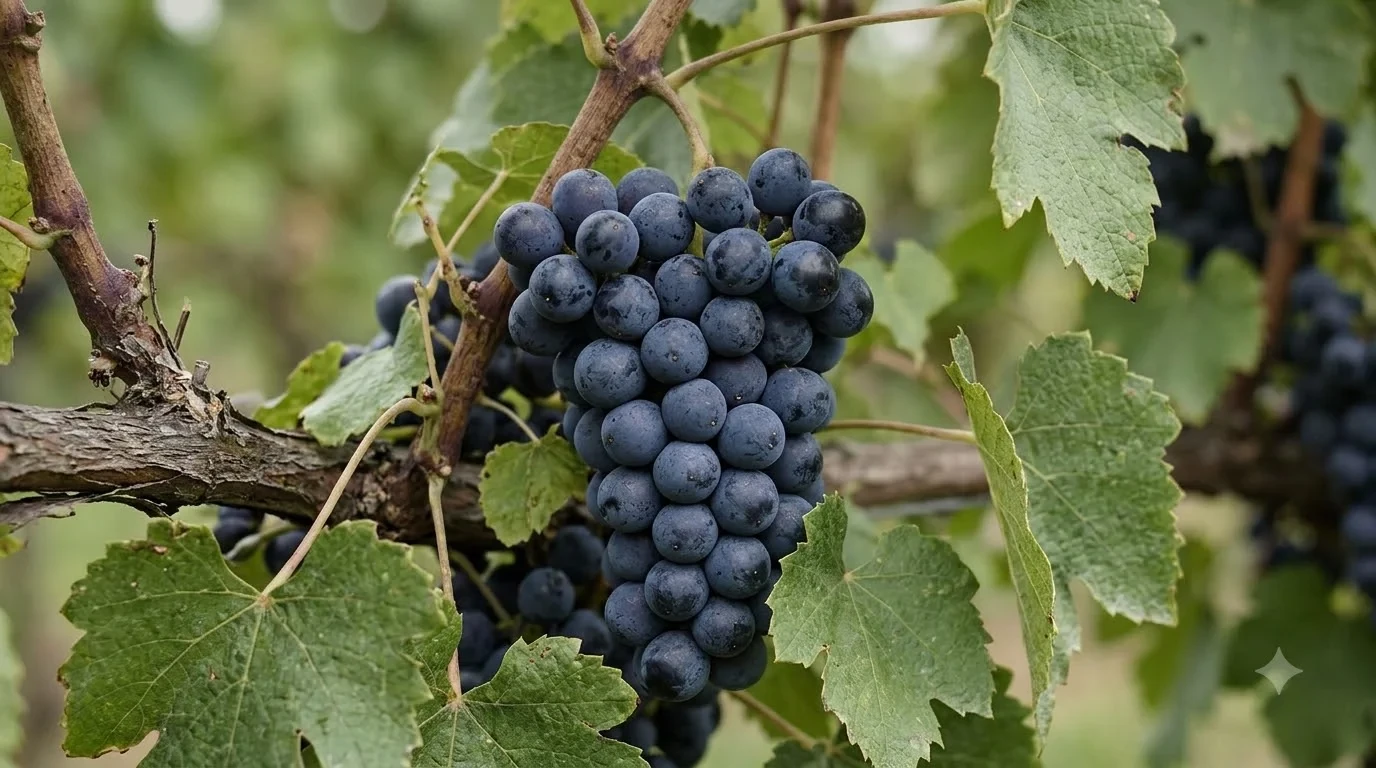
Launched in 2004 by Gnarly Head Wines, this flagship Lodi Zinfandel takes its name from the twisted, thick trunks of freestanding, spur-pruned vines that look like gnarled heads in the vineyard. Understanding how those heritage vines, Lodi climate conditions, and French and American oak aging shape the liquid in the glass makes it much easier to decide when to pour a bottle and what to serve alongside it.
Who Gnarly Head Old Vine Zinfandel Is For
Gnarly Head Old Vine Zinfandel is designed for red wine drinkers who want concentrated dark berry flavor, a velvety mouthfeel, and gentle tannins without needing years of cellar aging. It fits casual backyard cookouts, pizza nights, and hearty comfort food dinners where a softer, generous red wine outperforms austere bottles.
Wine buyers who gravitate toward jammy California Cabernet Sauvignon, Petite Sirah, or Australian Shiraz usually appreciate this style right away. Because older vines produce fewer grape clusters with smaller berries, the juice carries a higher skin-to-juice ratio that packs dense blackberry, plum, and dark raspberry flavors into every sip. The wine finishes dry, yet its lush, ripe fruit creates an impression of richness that bridges the gap for people transitioning from off-dry reds or full-bodied white wines into drier red territory.
On the other hand, drinkers who prefer crisp, mineral-driven, or high-acid reds like Pinot Noir, Chianti, or Northern Rhône Syrah often find this bottle too opulent. Independent wine critic Gus Clemens notes that while the wine shows zero technical flaws, its massive wave of ripe dark fruit and noticeable oak toast divides palates between fans of big, generous reds and people seeking subtle, restrained elegance. Anyone looking for a formal, age-worthy collector bottle should also look elsewhere, as this bottling is crafted for immediate enjoyment rather than long-term cellaring.
Key Factors and Technical Profile to Compare
Evaluating Gnarly Head Old Vine Zinfandel starts with its core winemaking specifications, Lodi appellation sourcing, and structural balance. Comparing its alcohol level, acidity, oak regimen, and vine age against typical California red wine benchmarks clarifies how it behaves on the palate and at the dinner table.
| Attribute | Gnarly Head Old Vine Zinfandel | What It Means in the Glass |
|---|---|---|
| Primary Grape Variety | Zinfandel (with occasional small blending lots) | Delivers signature brambly blackberry, dark cherry, and black pepper spice |
| Appellation | Lodi, Central Valley, California | Warm sunny days cooled by Sacramento River Delta breezes preserve ripe fruit |
| Vine Age and Training | 35 to 80 years old; freestanding, head-trained, spur-pruned | Lower yields and smaller berries concentrate dark fruit intensity |
| Alcohol by Volume (ABV) | 14.5 percent (according to Delicato Wine Shop) | Full-bodied warmth and plush texture that pairs best with rich, savory dishes |
| Total Acidity and pH | 0.60 g per 100 ml acidity; 3.65 pH (Delicato Wine Shop) | Moderate, rounded acidity that keeps the mouthfeel soft and approachable |
| Oak Aging Regimen | Racked onto French and American oak after fermentation | Adds toasted vanilla, mocha, hickory smoke, and subtle baking spice notes |
| Sweetness Level | Dry | Ripe fruit gives a jammy impression without lingering residual sugar |
| Bottle Size and Yield | 750 ml (about five 5-ounce glasses) | Standard table format suited for four to five dinner guests |
According to technical data published by Delicato Family Wines, the 14.5 percent ABV sits right in the classic sweet spot for Lodi Zinfandel, providing enough body to carry dense fruit without crossing into hot, fiery territory. The measured acidity of 0.60 grams per 100 milliliters and pH of 3.65 explain why the wine feels smooth and round rather than tart. When shopping across the broader Wine Brands landscape in the same aisle, those numbers place this bottle squarely in the plush, fruit-driven California camp.
Oak treatment plays an equally important role in the flavor profile. After early-morning harvesting and fermentation, winemaker Scott Jones racks the wine onto both French and American oak. American oak contributes assertive vanilla, sweet baking spice, and hickory toast, while French oak frames the mid-palate with finer-grained cocoa and mocha notes.
Step-by-Step: How to Serve and Taste Gnarly Head Old Vine Zinfandel
Serving Gnarly Head Old Vine Zinfandel at the proper temperature and giving it brief air exposure softens its 14.5 percent alcohol and brings out layered berry and spice aromas. Following a simple five-step routine ensures the wine shows its best balance from the first pour to the last glass.
- Chill the bottle slightly before opening: Place the bottle in a standard kitchen refrigerator for 20 to 30 minutes before serving so the liquid reaches 60 to 65 degrees Fahrenheit. Serving full-bodied red wines at warm room temperatures above 70 degrees exaggerates alcohol heat and dulls fresh blackberry aromas.
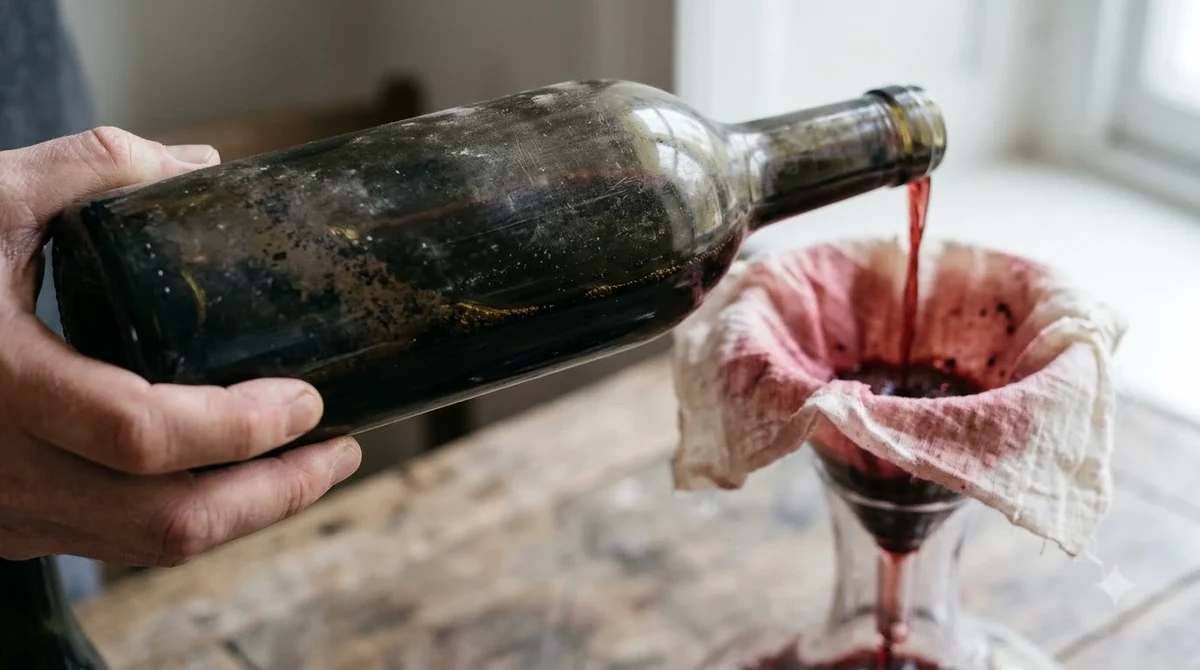
- Decant or aerate for 30 minutes: Pour the wine into a wide-bottomed decanter or use an in-bottle aerator 30 to 45 minutes before dinner. Brief oxygen contact blows off initial smoky oak reduction and opens up secondary notes of plum, black pepper, and dark chocolate.
- Choose a large-bowled red wine glass: Pour a standard 5-ounce serving into a glass with a generous bowl and slightly tapered rim. A wider surface area lets the dense bramble fruit breathe while directing spice and vanilla aromatics toward the nose.
- Evaluate color, aroma, and mid-palate texture: Look for a deep ruby-purple core, then swirl gently to release blackberry jam, raspberry, and toasted oak scents before taking a sip. Notice how the moderate tannins coat the gums softly rather than drying out the palate.
- Pair with salt, fat, or smoky char: Serve alongside grilled meats, aged hard cheeses, or rich tomato-based dishes. Salt and savory fat soften tannin perception and balance the wine’s ripe fruit weight, whereas fiery chili heat can amplify the 14.5 percent alcohol.
Tip: If a bottle has been sitting on a warm kitchen counter, a 25-minute chill in the fridge before pulling the cork drops the temperature into the ideal 60 to 65 degrees Fahrenheit window, making the finish taste crisper and far more balanced.
Gnarly Head Zinfandel Releases and Portfolio Styles Explained
While the core Lodi Old Vine Zinfandel is the anchor of the winery, Gnarly Head produces distinct Zinfandel variations alongside several other Northern California varietals. Knowing the differences between the flagship bottle, special-edition releases, and neighboring wines in the lineup helps buyers pick the right bottle for the occasion.
Flagship Lodi Old Vine Zinfandel
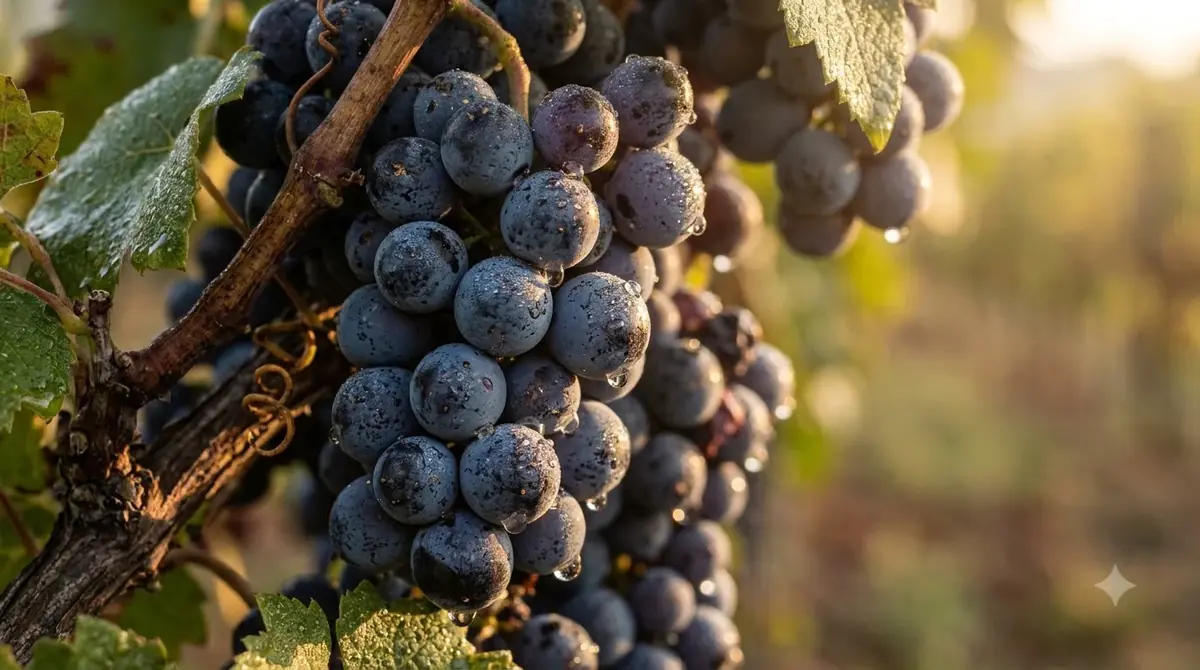
The standard gnarly head old vine zinfandel draws primarily from heritage vineyards in Lodi’s Mokelumne River sub-appellation, including fourth-generation family blocks like Kramer Vineyard planted by Italian immigrants in the early 1900s. Sandy, mineral-rich soils along the Mokelumne and Cosumnes Rivers encourage deep root systems, while afternoon breezes from the Sacramento River Delta cool the vines after hot Central Valley afternoons. The resulting wine focuses on dark berry jam, peppery spice, and smooth toasted oak.
Grateful Dead Limited Edition Old Vine Zinfandel
Each year, Gnarly Head releases a limited-edition Grateful Dead Lodi Old Vine Zinfandel that celebrates Northern California roots with collectible peel-off sticker label artwork. Built on the same Lodi old-vine foundation at 14.5 percent ABV, this special bottling leans into vibrant dark berry, boysenberry, allspice, and vanilla notes. Collectors and music fans often buy it for the interactive label design, though the wine inside follows the same bold, crowd-pleasing house style.
Other Varietals in the Gnarly Head Lineup
Best Food Pairings for Gnarly Head Old Vine Zinfandel
Gnarly Head Old Vine Zinfandel pairs best with rich, smoky, and savory dishes whose fat, salt, and char absorb its 14.5 percent alcohol and ripe blackberry fruit. Avoiding overly spicy or delicate foods keeps the wine’s moderate acidity and toasted oak in harmony at the table.
According to pairing recommendations published by Delicato Family Wines, slow-cooked barbecue baby back ribs and braised beef short ribs are natural matches because sweet-tangy glaze and caramelized meat mirror the wine’s brambly fruit and hickory toast. Savory vegetarian chili, pulled pork sliders, and smoked brisket also work well, since salt and rendered fat soften the wine’s moderate tannins and make each sip taste fresher. For weeknight dinners, wood-fired pepperoni pizza, grilled Italian sausages with roasted bell peppers, and aged sharp cheddar or Gouda offer easy compatibility.
Certain ingredients require caution with a full-bodied Lodi Zinfandel. Fiery chili peppers and hot cayenne sauces intensify the perception of alcohol heat at 14.5 percent ABV, so mild-to-medium spicy chicken enchiladas or mini stuffed peppers fare much better than extra-hot wings. Oily fish such as salmon or mackerel can also clash with red wine tannins and toasted oak, while desserts should only be paired if the dish is less sweet than the wine’s ripe fruit—dark chocolate truffles with high cacao content work nicely, whereas sugary frosted cakes make a dry Zinfandel taste thin and tart.
Common Mistakes When Buying and Serving This Zinfandel
Even a crowd-pleasing bottle like Gnarly Head Old Vine Zinfandel can underperform if buyers confuse its ripe fruit with residual sugar or serve it straight off a warm dining room shelf. Avoiding four common missteps preserves the balanced berry, pepper, and vanilla profile intended by the winery.
- Mistaking jammy fruit for a sweet wine: Beginners often assume that bold blackberry and plum flavors mean added sugar, leading them to serve the bottle with sweet desserts. In reality, Gnarly Head Old Vine Zinfandel is fermented dry, so pairing it with sugary pastries strips away its fruit and accentuates oak bitterness.
- Pouring at warm room temperature: Modern indoor rooms often sit near 70 to 72 degrees Fahrenheit, which pushes a 14.5 percent ABV red wine out of balance and highlights alcohol burn. Keeping the bottle between 60 and 65 degrees Fahrenheit maintains crispness and fruit definition.
- Confusing Lodi Zinfandel with White Zinfandel: Although both wines come from the same black-skinned Zinfandel grape, White Zinfandel is a pale, sweet rosé style, whereas Gnarly Head Old Vine Zinfandel is a deep, full-bodied dry red wine aged on French and American oak.
- Skipping aeration on newly opened bottles: Drinking the first glass immediately after uncorking can emphasize smoky wood toast over fresh fruit. Giving the wine 30 minutes in a decanter or wide glass lets the dense dark cherry and black pepper aromatics open smoothly.
Storage and Preservation Tips for Unopened and Opened Bottles
Because Gnarly Head Old Vine Zinfandel is crafted for vibrant, near-term drinking rather than decades of cellar maturation, proper storage focuses on preventing heat damage before opening and limiting oxidation afterward. Simple temperature and bottle-position habits keep every glass tasting fresh.
Store unopened bottles on their side in a cool, dark spot held steady near 55 degrees Fahrenheit, such as a wine fridge or interior closet away from kitchen appliances and direct sunlight. Horizontal placement keeps the cork moist so outside air cannot seep in and prematurely age the fruit, and drinking the bottle within two to four years of its vintage date captures its signature brambly freshness at peak intensity.
Once opened, re-cork the bottle tightly and place it upright in a standard kitchen refrigerator to slow down oxidation. Still red wines stay fresh for 3 to 5 days under refrigeration; simply pull the bottle out 30 to 40 minutes before pouring the next evening so it warms back up to the 60 to 65 degrees Fahrenheit serving window. Using a vacuum wine pump to remove excess air from the headspace helps preserve the bright raspberry and mocha aromatics through day four or five.
Frequently Asked Questions
Who makes Gnarly Head Old Vine Zinfandel and where is it produced?
Gnarly Head Old Vine Zinfandel is produced by Delicato Family Wines, a family-owned California wine company founded in 1924 by Sicilian immigrant Gaspare Indelicato in Manteca, California. The grapes are grown in the Lodi appellation of California’s Central Valley, located between the San Francisco Bay and the Sierra Nevada mountains.
Why are the grapevines called “gnarly head” vines?
Unlike modern vineyard vines trained along wire trellises, these 35-to-80-year-old Zinfandel vines grow freestanding without wire support and are spur-pruned each winter. Over decades, their thick, twisted trunks and knobby fruiting spurs develop a rugged shape resembling a gnarly head.
When are the grapes harvested for Gnarly Head Old Vine Zinfandel?
According to Gnarly Head Wines, harvest crews pick the Zinfandel clusters early in the morning while Lodi vineyard temperatures are still cool. Starting fermentation with cool fruit helps preserve bright berry aromatics before the must warms gently in the cellar.
Where did the Zinfandel grape originate before reaching Lodi?
Ampelographic and historical records cited by Wine.com trace Zinfandel back to Croatia, where it is known as Tribidrag, as well as southern Italy, where it is called Primitivo. Cuttings reached New England in 1829 from the imperial nursery in Vienna before arriving in California during the 1849 Gold Rush.
How many glasses are in a bottle of Gnarly Head Old Vine Zinfandel?
A standard 750-milliliter bottle of Gnarly Head Old Vine Zinfandel holds roughly 25.4 ounces, which yields about five standard 5-ounce pours. Because of its 14.5 percent alcohol level, pouring 5-ounce servings in large-bowled glasses helps pace the meal comfortably.
Gnarly Head Old Vine Zinfandel is a full-bodied Lodi red that appeals to drinkers who enjoy concentrated blackberry fruit, moderate tannins, and warm oak spice. Serving the bottle slightly chilled at 60 to 65 degrees Fahrenheit alongside smoky grilled meats, hearty pasta, or sharp aged cheeses brings out its best balance from first pour to last.
More in Wine Brands
 Louis Latour Wine Price: Compare Bottles by Style and TierUpdated Nov 20, 2026
 Yellow Tail Moscato Price: What to Expect Before You BuyUpdated Nov 20, 2026
 Sutter Home Sweet Red Review: Find the Right Food PairingsUpdated Nov 20, 2026
 Franzia Chillable Red Review: Find the Right Serving StyleUpdated Nov 20, 2026
 Veuve Clicquot Rose Review: Flavor, Food Pairings and Buying AdviceUpdated Nov 20, 2026
 Rombauer Wine Price: Compare Bottles Before You BuyUpdated Nov 20, 2026