

We may earn a commission when you buy through links on this page, at no extra cost to you. Learn more.
The emmolo wine price typically ranges from about $14 to $21 for a 750 ml bottle of Sauvignon Blanc, while Merlot, sparkling wine and Cabernet Sauvignon occupy higher price brackets. Emmolo is a California wine brand associated with the Wagner family and Napa Valley winemaker Jenny Wagner. Its prices depend on the grape variety, bottling, vintage and retailer, making it useful to compare individual wines rather than assume every Emmolo bottle costs the same. This guide explains typical US retail ranges, what distinguishes each style and how to choose a bottle that suits your budget.
Emmolo offers several distinct wine styles, from fresh Sauvignon Blanc to richer Napa Valley Merlot and premium Cabernet Sauvignon. The brand also produces traditional-method sparkling wine. Understanding the differences between these bottles makes shopping easier, particularly if you are considering Emmolo for a dinner, a celebration or a wine gift. The following guide breaks down the costs, bottle sizes, purchasing considerations and practical details that matter before buying.
Who This Is For
Emmolo wine is worth considering for shoppers who appreciate California wines but want more specific choices than a single house style. Its Sauvignon Blanc emphasizes freshness and acidity, while its Merlot offers darker fruit, earthier character and a softer tannin profile. The portfolio also includes sparkling wine and Cabernet Sauvignon, giving buyers options for different occasions and spending levels.
This pricing guide is particularly useful for three groups of shoppers. First, anyone comparing an everyday white wine with a more substantial red can use the price differences to decide whether to spend more on a particular occasion. Second, shoppers familiar with the Caymus and Wagner family wine background may want to explore Emmolo as another expression of the family’s winemaking interests. Third, people purchasing gifts can compare the more accessible Sauvignon Blanc with the higher-priced Merlot and Cabernet Sauvignon.
Emmolo is not necessarily the right choice for someone seeking the cheapest possible California wine. Its different bottlings occupy different market positions, and the more expensive wines should be evaluated according to their grape variety, origin and intended drinking experience. Someone who enjoys crisp whites with seafood, for example, may get more satisfaction from the Sauvignon Blanc than from spending considerably more on a full-bodied red.
Shoppers interested in the producer’s background can also explore our Emmolo wine overview. It provides additional context about the family connection and the wines in the portfolio. For broader comparisons with other American wine labels, the Wine Brands section offers a useful starting point.
Key Factors to Compare
The most important factors affecting Emmolo’s retail pricing are the wine style, bottle size, vintage and retailer. A 750 ml Sauvignon Blanc is generally much less expensive than a Napa Valley Merlot or a Cabernet Sauvignon from the producer’s more premium range.
| Emmolo wine | Typical bottle size | Approximate US retail range | General style |
|---|---|---|---|
| Sauvignon Blanc | 750 ml | $14–$21 | Dry, crisp, citrus-driven |
| Sauvignon Blanc | 375 ml | $8–$10 | Smaller-format white |
| Merlot | 750 ml | $45–$60 | Rich, earthy, dark-fruited |
| No. 9 Sparkling | 750 ml | $25–$35 | Traditional-method sparkling |
| The Nurseryman Cabernet Sauvignon | 750 ml | $90–$105 | Full-bodied Napa Cabernet |
These are indicative shopping ranges rather than guaranteed national prices. The Sauvignon Blanc range is supported by listings from Total Wine and Vivino, which show the wine in the high teens, alongside lower-priced retailer listings. Vivino’s Emmolo Merlot listing provides a reference point around the middle of the Merlot range, while Total Wine’s catalog and Vivino’s Cabernet listings help establish the higher-priced categories. Total Wine also lists the sparkling bottling in the upper twenties. Prices vary by state and retailer, and availability can change with vintage and distribution.
There are several reasons why two bottles carrying the Emmolo name can have substantially different prices. Grape variety is one consideration: Sauvignon Blanc is generally positioned as a more accessible wine, whereas Napa Valley Merlot and Cabernet Sauvignon represent different production and market categories. Production volumes, vineyard sourcing, aging practices and the wine’s position within the portfolio can also influence retail pricing.
Retailer and vintage differences
Retailers do not necessarily carry the same vintage at the same time. One shop might offer a recent Sauvignon Blanc release while another still lists an earlier vintage. This does not automatically mean that one retailer is selling an inferior bottle. Stock rotation, distribution arrangements and regional availability all influence what appears on store shelves.
Vintage differences are especially relevant for red wines. Merlot can show changes in fruit expression, oak integration and texture across releases. Cabernet Sauvignon can also vary according to growing conditions and the winemaker’s decisions. For shoppers comparing bottles, it is useful to compare the same grape variety, vintage and bottle size before deciding that a price difference represents better value.
Retailer pricing also needs to be interpreted carefully. Some stores display local pickup prices, while others show online prices that may exclude shipping or applicable taxes. A bottle that appears less expensive online may not represent the lowest final purchase cost for someone buying locally.
Tip: Compare the same Emmolo wine in the same bottle size and, whenever possible, the same vintage. A 375 ml Sauvignon Blanc should not be compared directly with a 750 ml bottle, and a Napa Merlot should not be judged against Sauvignon Blanc simply because both carry the same producer name.
Step-by-Step: How to Find the Right Emmolo Bottle
A sensible purchase starts with the occasion and preferred wine style, not simply the lowest displayed price. Following a few straightforward steps helps narrow the options and prevents comparisons between wines that serve different purposes.
-
Decide whether you want white, red or sparkling wine.
Start with the drinking occasion. Sauvignon Blanc suits lighter meals and casual gatherings, Merlot is a more substantial option for dinner, and sparkling wine is suitable for celebrations or an aperitif. Cabernet Sauvignon is a stronger candidate for a dinner centered on grilled or roasted red meat.
-
Set a realistic spending range.
Use the indicative ranges in the comparison table to decide which bottling makes sense. The Sauvignon Blanc is the accessible entry point, while the Merlot and Nurseryman Cabernet Sauvignon require a considerably larger budget. Avoid assuming that the highest-priced option will necessarily be the most enjoyable for your preferences.
-
Compare at least two retailers.
Check the wine’s bottle size, vintage and product description. A retailer may carry a 375 ml Sauvignon Blanc alongside the standard 750 ml format. Comparing the cost per milliliter can help reveal whether the smaller bottle offers convenience rather than a meaningful saving.
-
Consider the food pairing.
Match Sauvignon Blanc with salads, grilled fish or lighter dishes. Merlot works well with mushroom risotto, pork chops, grilled sausage and eggplant parmesan. Cabernet Sauvignon is more appropriate for richer dishes, particularly grilled beef or lamb.
-
Check availability and the complete purchase cost.
Before placing an order, confirm that the retailer serves your state and has the intended bottle in stock. Shipping, local taxes and delivery requirements may affect the final amount. If purchasing from a physical shop, ask whether the displayed bottle corresponds to the vintage shown online.
-
Choose according to your expected drinking occasion.
A smaller Sauvignon Blanc bottle may be practical for one or two people, while a standard 750 ml bottle is convenient for a group. For a gift, Merlot or Cabernet Sauvignon may suit someone who enjoys substantial red wines, whereas the sparkling bottling offers a different presentation for a celebration.
Once these decisions are made, the comparison becomes much simpler. Instead of treating Emmolo as one product with a single price, consider each wine as a separate purchase with its own style, intended audience and value proposition.
Emmolo Wine Types and Styles Explained
Emmolo’s portfolio includes several styles with noticeably different characteristics. Sauvignon Blanc is the most accessible starting point, while Merlot and The Nurseryman Cabernet Sauvignon occupy higher retail brackets; the traditional-method sparkling wine offers another option for special occasions.
Emmolo Sauvignon Blanc
Emmolo Sauvignon Blanc is a dry California white wine built around freshness, acidity and restrained fruit expression. The producer describes its approach as less is more, aiming for a wine that is neither overly ripe nor excessively herbaceous. Its vineyard sourcing includes Suisun Valley and Napa Valley, with most of the grapes coming from Suisun Valley.
The tasting profile includes citrus, melon, white peach, clementine and mineral notes. These characteristics make it a useful choice for people who enjoy refreshing whites without an especially heavy texture. According to the producer’s tasting notes, grilled fish, salads and pea soup are suitable food pairings. The official Emmolo wine portfolio provides further information about the producer’s individual bottlings and winemaking approach.
At approximately $14 to $21 for 750 ml, Sauvignon Blanc represents the most accessible standard-format Emmolo purchase. Total Wine and Vivino provide retail references supporting this range. A smaller 375 ml bottle is also listed by Total Wine, with its displayed retail pricing supporting an approximate $8 to $10 shopping range. These smaller bottles are convenient when a full bottle would be unnecessary.
Emmolo Merlot
Emmolo Merlot is a Napa Valley red wine with a richer and more developed profile than the Sauvignon Blanc. The producer describes dark berry fruit, fresh earthiness and smooth, leathery tannins. Its vineyard sourcing includes land connected to the Emmolo family, and the winemaking approach includes crop thinning and attention to ripeness.
The producer’s 2021 tasting notes describe cherry, spice, plum, savory bread and French oak characteristics. They also emphasize a smooth entry and powdery tannins. This combination gives the wine a fuller personality without making it an especially aggressive red.
For a 750 ml bottle, an approximate $45 to $60 US retail range is a reasonable shopping reference, based on Vivino’s displayed Emmolo Merlot listing and Total Wine’s catalog listing. This makes Merlot a considerably more substantial purchase than Sauvignon Blanc. Its stronger appeal is to shoppers who specifically enjoy Napa Valley reds and want a bottle for a dinner or a thoughtful wine gift.
Emmolo No. 9 Sparkling
Emmolo No. 9 is a non-vintage sparkling wine made from 67% Chardonnay and 33% Pinot Noir. The producer describes it as a traditional-method wine inspired by Champagne, with soft bubbles, freshness and a creamy character associated with extended aging.
Its non-vintage approach allows the winemaker to work toward a consistent house style rather than relying on a single harvest. This is a useful distinction for people who enjoy sparkling wines made using the traditional bottle-fermentation method. It is different from Prosecco, which is generally made using the tank method and the Glera grape.
For a 750 ml bottle, approximately $25 to $35 is a useful US shopping range, supported by the sparkling listing in Total Wine’s Emmolo catalog. This places it above the entry-level Sauvignon Blanc but below the higher-priced red wines. It is an interesting choice for an anniversary, dinner party or occasion where a bottle with fine bubbles is more appropriate than a still wine.
The Nurseryman Cabernet Sauvignon
The Nurseryman is Emmolo’s Cabernet Sauvignon bottling, named for Jenny Wagner’s grandfather Frank Emmolo. According to the producer, Frank operated the Emmolo Nursery and contributed to Napa Valley’s grape-growing history by supplying vines to growers in the region.
The producer describes the Cabernet Sauvignon as rich, layered and textured, with grapes sourced from Napa Valley. It is positioned differently from the more approachable Sauvignon Blanc and the Merlot. Cabernet Sauvignon generally has firmer tannins and a fuller structure, making it suitable for richer meals and drinkers who enjoy powerful red wines.
An approximate $90 to $105 range for 750 ml provides a useful US retail reference. Vivino’s displayed listings for The Nurseryman Cabernet Sauvignon support this range, with the 2022 and 2020 bottles appearing in the low-to-upper nineties. This is the premium end of the Emmolo selection and makes more sense for someone deliberately seeking the Cabernet Sauvignon than for a shopper who simply wants an everyday bottle.
Overall, the wines serve different purposes. Sauvignon Blanc prioritizes freshness, Merlot offers richer fruit and softer tannins, No. 9 provides traditional-method bubbles, and The Nurseryman is aimed at Cabernet Sauvignon drinkers seeking a fuller Napa Valley red.
Common Mistakes When Comparing Emmolo Prices
The most common pricing mistake is comparing different Emmolo wines as if they were interchangeable products. Bottle size, grape variety, vintage and retail channel can all create substantial differences, so a meaningful comparison requires looking beyond the producer name.
Comparing different bottle sizes
A 375 ml bottle contains half the wine of a standard 750 ml bottle. Its shelf price will naturally be lower, but that does not necessarily mean its cost per milliliter is lower. When comparing the smaller Sauvignon Blanc format with a standard bottle, calculate the relative volume before deciding which is the better purchase.
For entertaining, a standard bottle generally provides more practical value because it serves approximately five standard 5 oz glasses. A smaller bottle is more appropriate for an individual serving occasion or when someone wants to explore the wine without opening a full bottle.
Assuming all Napa wines cost the same
Napa Valley origin does not automatically establish a particular price. Emmolo Sauvignon Blanc includes fruit from Suisun Valley as well as Napa Valley, while the Merlot is sourced from Napa Valley vineyards. The Nurseryman Cabernet Sauvignon occupies a different market position within the portfolio.
Two wines from the same broader California region can differ substantially in production methods, grape variety, vineyard sourcing and positioning. For that reason, it is more useful to compare Merlot with another Merlot or Cabernet Sauvignon with another Cabernet Sauvignon than to treat all Napa-associated wines as equivalent.
Ignoring the vintage
Wine retailers may display multiple vintages, and their prices can differ. A newer Sauvignon Blanc release might be listed at a different amount from an older bottle, while Merlot and Cabernet Sauvignon may show even more variation depending on release and stock.
Vintage is particularly important when buying a bottle as a gift. If the recipient has a preferred release, confirm that the retailer is selling that particular vintage. A product photograph may not always represent the bottle currently available for purchase.
Choosing by price instead of taste
A higher price does not guarantee a better match for a particular drinker. Someone who prefers crisp white wine may find Sauvignon Blanc more satisfying than an expensive Cabernet Sauvignon. Likewise, a person who enjoys structured reds may consider Merlot a more appropriate purchase even if the Sauvignon Blanc costs substantially less.
For shoppers familiar with approachable brands, comparing Emmolo with Barefoot wine can also help establish different shopping expectations. The brands serve different market positions and wine preferences, so the comparison should focus on style and intended occasion rather than price alone.
Care, Serving and Storage Tips
Proper serving and storage help preserve the characteristics that make each Emmolo wine enjoyable. Sauvignon Blanc benefits from cooler serving temperatures, while Merlot and Cabernet Sauvignon generally show their structure better when served slightly warmer.
Recommended serving temperatures
Serve Emmolo Sauvignon Blanc at approximately 45 to 50 degrees Fahrenheit. This temperature range helps maintain freshness while allowing citrus and mineral characteristics to remain apparent. If served too warm, the wine may seem less refreshing, while excessive chilling can make its aromas harder to appreciate.
Emmolo No. 9 Sparkling is best served around 40 to 50 degrees Fahrenheit. Cooler temperatures help preserve its bubbles and refreshing character. Use a sparkling wine glass or a white wine glass depending on whether you prefer to emphasize the bubbles or appreciate the wine’s aromas.
For Emmolo Merlot, approximately 60 to 65 degrees Fahrenheit is a useful starting point for serving. Cabernet Sauvignon can also benefit from this range. Serving full-bodied reds too warm can make alcohol more prominent, while serving them excessively cold can mute their fruit and texture.
Storage conditions
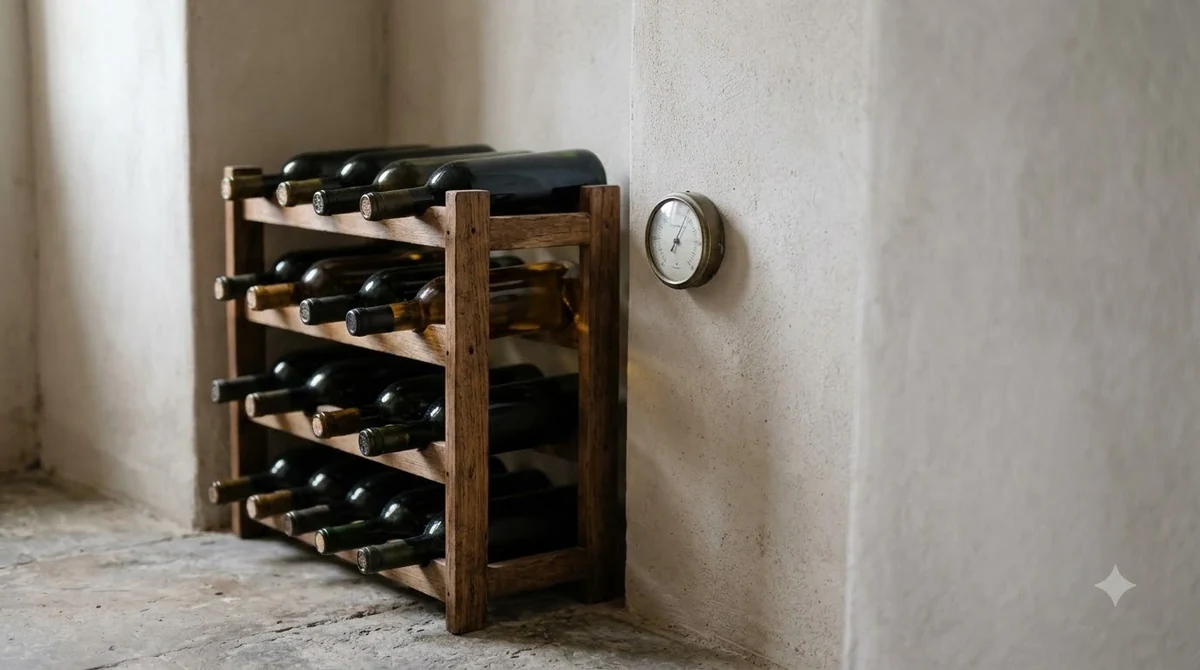
Unopened bottles should be kept away from direct sunlight, excessive heat and major temperature changes. A relatively stable storage temperature near 55 degrees Fahrenheit is a useful target. Bottles with traditional cork closures are generally best stored horizontally so the cork remains in contact with the wine.
Avoid storing wine beside an oven, radiator or other heat-producing appliance. A kitchen cabinet directly above a cooking surface is usually less suitable than a cool interior cupboard or dedicated wine storage space. Temperature stability matters more than having an elaborate storage arrangement.
After opening
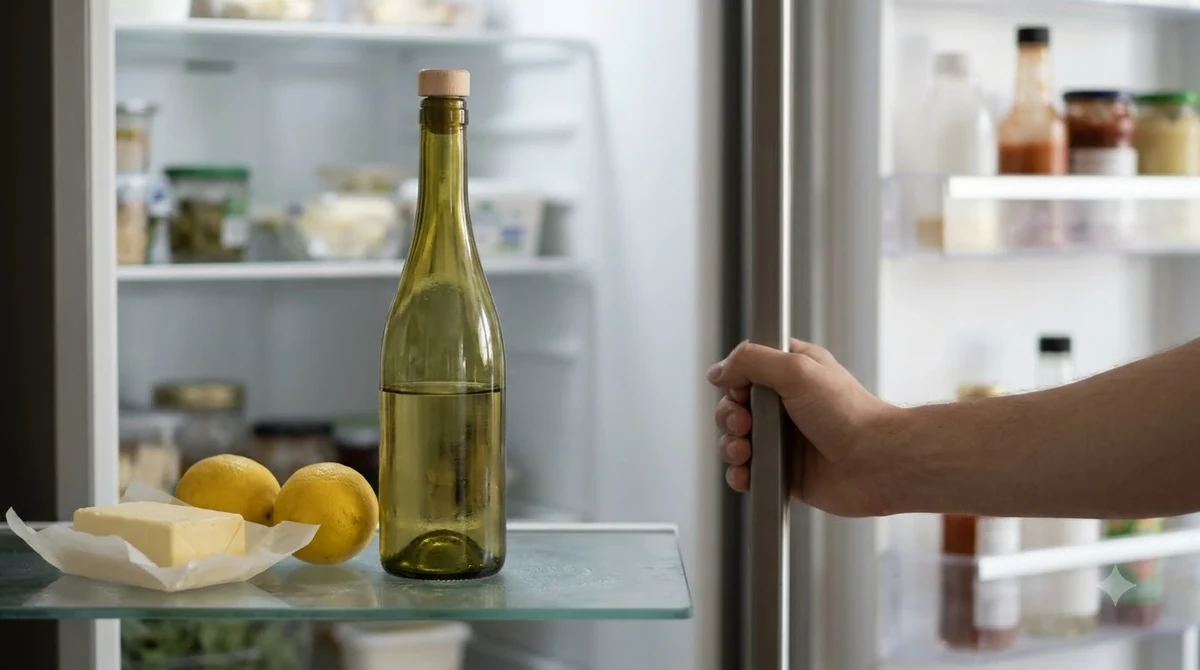
Once opened, Emmolo Sauvignon Blanc should be resealed and refrigerated. Most still wines remain in reasonable drinking condition for approximately three to five days after opening, although freshness can decline sooner depending on air exposure and storage conditions.
For sparkling wine, use a suitable sparkling-wine stopper and refrigerate the bottle. Its bubbles and freshness generally last around one to three days after opening. Merlot and Cabernet Sauvignon can also be refrigerated after opening; allow the wine to warm slightly before serving again.
When serving guests, use a standard 5 oz pour as a practical measure. A 750 ml bottle contains approximately five such servings, making it easy to estimate how many bottles are needed for a dinner. For a gathering of ten people, two standard bottles provide approximately one glass per guest.
Food pairing should also influence the serving decision. Sauvignon Blanc’s acidity makes it a natural partner for grilled fish and salads, while Merlot’s softer tannins complement pork, mushrooms and grilled sausage. Cabernet Sauvignon generally works better with protein-rich dishes that can balance its firmer tannin structure.
Frequently Asked Questions
Is Emmolo considered a Napa Valley wine brand?
Emmolo is closely associated with Napa Valley through the Wagner and Emmolo family history. Its portfolio also includes wines sourced from areas beyond Napa, including Suisun Valley for Sauvignon Blanc. The geographic sourcing therefore depends on the particular bottling.
Who makes Emmolo wine?
Jenny Wagner is the winemaker associated with Emmolo. Her family connections include Chuck Wagner and the broader Wagner wine family. Her maternal Emmolo relatives have a long history of farming in Napa Valley, which inspired the brand name.
Is Emmolo Sauvignon Blanc made from 100% Sauvignon Blanc grapes?
The producer presents its Sauvignon Blanc as a varietal wine. The published tasting notes identify Sauvignon Blanc as the grape, but the precise blend composition should be established from the technical information for the individual vintage. Different releases may have different production details.
What does the name The Nurseryman refer to?
The name honors Frank Emmolo, Jenny Wagner’s grandfather. He operated the Emmolo Nursery, which supplied grapevines to growers in Napa Valley. The wine connects the Cabernet Sauvignon bottling with the family’s agricultural history.
Can Emmolo wine be purchased as a gift?
Yes. Sauvignon Blanc is a practical option for someone who enjoys fresh white wine, while No. 9 Sparkling suits celebratory occasions. Merlot and The Nurseryman Cabernet Sauvignon are alternatives for recipients who prefer richer red wines. A gift buyer should confirm the recipient’s preferred grape variety and the vintage available before purchasing.
Emmolo offers a broad enough selection to suit different wine preferences, from fresh Sauvignon Blanc to premium Napa Valley Cabernet Sauvignon. The most sensible purchase depends on the style, bottle size and occasion rather than simply choosing the most expensive bottle. Compare current retailer listings, confirm the vintage and select the Emmolo wine that best matches the food and experience you have in mind.
More in Wine Brands
 Louis Latour Wine Price: Compare Bottles by Style and TierUpdated Nov 20, 2026
 Yellow Tail Moscato Price: What to Expect Before You BuyUpdated Nov 20, 2026
 Sutter Home Sweet Red Review: Find the Right Food PairingsUpdated Nov 20, 2026
 Franzia Chillable Red Review: Find the Right Serving StyleUpdated Nov 20, 2026
 Veuve Clicquot Rose Review: Flavor, Food Pairings and Buying AdviceUpdated Nov 20, 2026
 Rombauer Wine Price: Compare Bottles Before You BuyUpdated Nov 20, 2026