

We may earn a commission when you buy through links on this page, at no extra cost to you. Learn more.
This apothic crush review finds that Apothic Crush is a soft, fruit-forward California red blend best suited to drinkers who enjoy ripe berry flavors, caramel aromas, and a smooth, approachable finish. Its signature profile features black cherry, raspberry, caramel, and milk chocolate, making it particularly appealing alongside aged cheese, grilled meats, and chocolate desserts. It is not the most suitable choice for someone seeking a crisp, austere, bone-dry red with pronounced tannins. The biggest consideration before buying is whether its sweeter-tasting fruit character matches your preferences.
Apothic Crush occupies a recognizable position among approachable California red blends. Rather than emphasizing the distinctive structure of Cabernet Sauvignon or the earthy complexity of traditional Pinot Noir, it focuses on generous fruit, soft texture, and dessert-like aromatic characteristics. That makes it an interesting bottle for casual dinners, relaxed gatherings, and drinkers who are still discovering which red wine styles they enjoy.
However, a smooth red wine is not automatically a sweet wine, and the distinction matters here. The producer’s current description emphasizes softness and dark fruit, while older technical information and individual retail listings provide additional details about its composition. Understanding those differences makes it easier to decide whether Crush deserves a place in your wine collection.
Who This Wine Is For
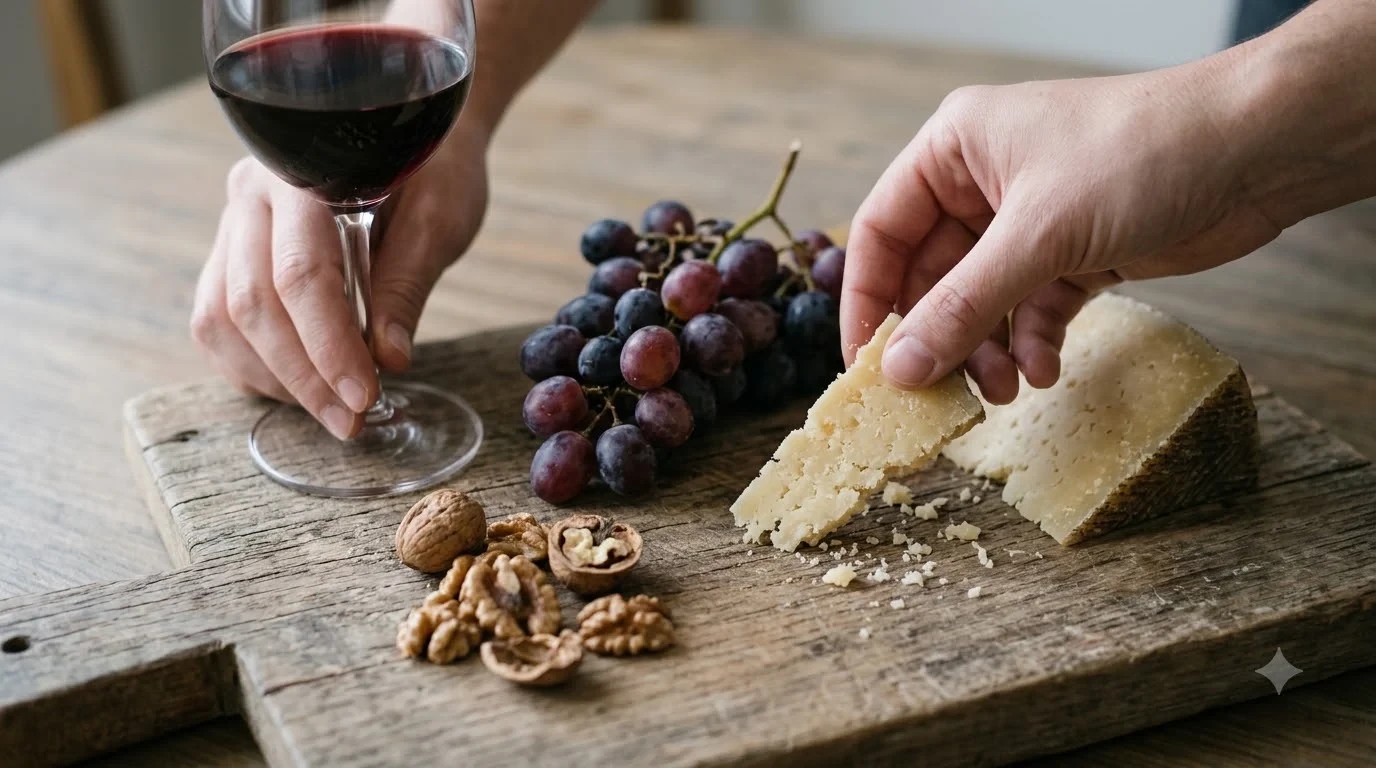
Apothic Crush is most appealing to people who prefer soft California reds with prominent black cherry, raspberry, caramel, and chocolate characteristics. Its approachable character makes it a reasonable choice for informal dinners, cheese boards, and occasions when several guests have different levels of wine experience.
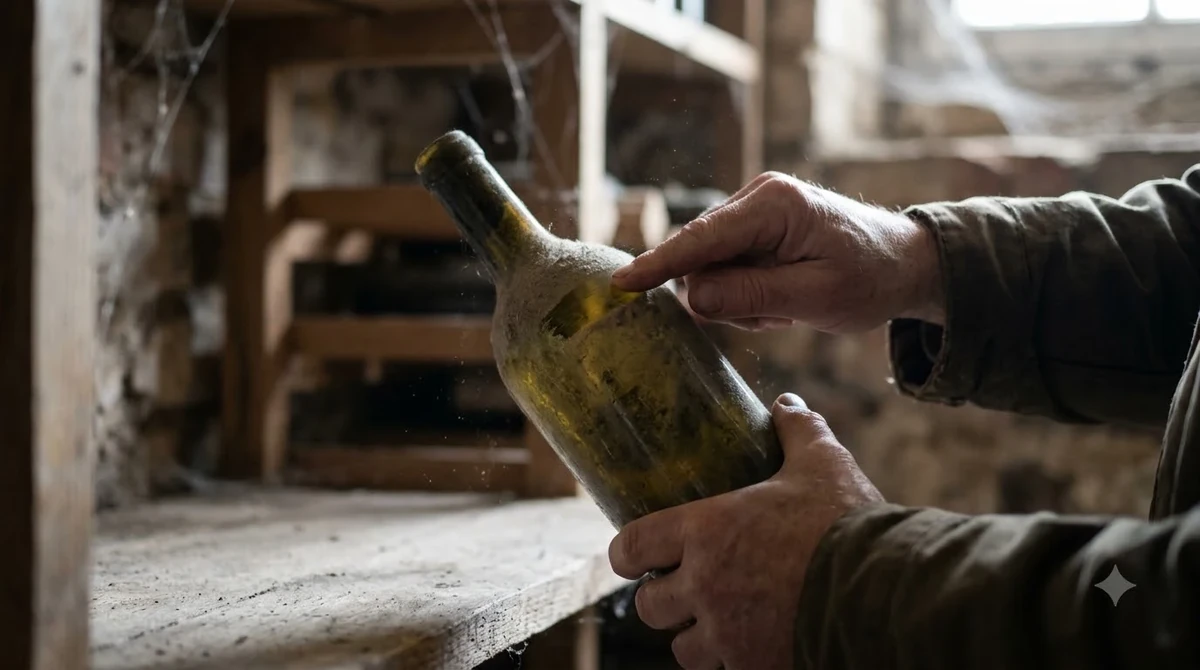
The wine’s positioning is especially clear in the producer’s description. Apothic calls Crush a soft blend and highlights its silky character rather than emphasizing intense acidity, aggressive tannins, or a strongly savory profile. The official Apothic Crush product description also identifies black cherry, raspberry, caramel, and milk chocolate as defining characteristics.
For someone accustomed to sweeter red blends, the combination of ripe fruit and chocolate-like aromas may feel familiar. Drinkers who usually choose fruit-forward Merlot, approachable Zinfandel, or softer supermarket red blends may also find the general style appealing. However, this is a style comparison, not a claim that these wines have identical sweetness or structure.
Apothic Crush may be less attractive to traditional dry-red enthusiasts. Someone who prefers firm Cabernet Sauvignon tannins, restrained fruit, and earthy complexity may find the emphasis on soft texture and ripe fruit less satisfying. Likewise, someone looking for a light-bodied red with delicate red-fruit aromas may find its richer flavor profile too generous.
Good reasons to consider it
- You enjoy black cherry, raspberry, and blackberry flavors.
- You prefer smooth, softer-textured reds instead of strongly tannic wines.
- You like caramel and milk chocolate aromatic characteristics.
- You want a red wine that can accompany both grilled food and dessert.
- You are introducing friends to red blends without choosing a particularly austere style.
One useful distinction is that a wine’s approachable character does not make it universally suitable. A person who enjoys a dry, mineral-driven red may prefer something with greater acidity and less apparent fruit sweetness. The best buying decision depends on the style you actually enjoy, not simply how popular or recognizable a label is.
Key Factors to Compare Before Buying
The most useful comparison points for Apothic Crush are its grape composition, fruit profile, sweetness perception, alcohol information, and bottle format. Looking at these five details helps distinguish the wine’s established characteristics from assumptions based on its smooth, fruit-forward description.
| Factor | What to know | Why it matters |
|---|---|---|
| Wine category | California red blend | Combines characteristics from multiple red grapes |
| Named grapes | Petite Sirah, Pinot Noir, and Zinfandel in the 2020 listing | Provides context for fruit, body, and structure |
| Fruit character | Black cherry, raspberry, and blackberry | Creates a ripe, generous flavor profile |
| Additional aromas | Caramel, milk chocolate, and toffee | Contributes to its softer, richer impression |
| Bottle size | 750 ml | Provides approximately five standard 5 oz pours |
| Alcohol information | 13.9% ABV on the Wine.com 2020 listing | Useful when comparing individual bottlings |
| Producer’s style description | Soft Blend | Signals an emphasis on approachable texture |
The grape information deserves particular attention. The Wine.com listing for the 2020 Apothic Crush identifies Petite Sirah, Pinot Noir, and Zinfandel. These varieties contribute different characteristics: Petite Sirah is generally associated with deeper color and substantial tannin, Pinot Noir with red-fruit expression and comparatively softer tannin, and Zinfandel with ripe fruit and generous flavor.
That composition should not be treated as a permanent recipe for every release. An archived technical document for the 2015 bottling identifies Petite Sirah and Pinot Noir as its lead varietals, illustrating why vintage-specific information matters. The current producer page describes Crush as a soft blend without publishing a complete grape breakdown. Consequently, shoppers should avoid assuming that every bottle has precisely the same varietal proportions as an older release.
Alcohol information also deserves attention. Wine.com lists 13.9% ABV for its 2020 bottling, while other retail product listings have displayed 14.5%. These figures should not be combined into a single universal specification. The specific bottle and its accompanying product information are the appropriate references when alcohol content is an important purchasing consideration.
Tip: Separate a wine’s aroma, perceived sweetness, and measured residual sugar. Black cherry, caramel, and chocolate aromas can make a red wine seem sweeter without proving that it contains a particular amount of residual sugar.
Step-by-Step: How to Evaluate Apothic Crush
A sensible buying decision starts with identifying the style you want, then examining the bottle’s actual characteristics and planning how to serve it. Five simple steps can help determine whether this California blend is a good match.
-
Decide how much fruit character you enjoy.
Think about your usual preferences. If you enjoy ripe raspberry, black cherry, blackberry, and chocolate-like aromas, Apothic Crush may suit your palate. If you generally prefer tart red fruit, herbal notes, or earthy flavors, a different red blend may be a better fit.
-
Consider the sweetness distinction.
Ask whether you enjoy wines that taste rounded and fruit-forward or whether you specifically want a dry finish. Crush’s producer emphasizes softness and ripe dark fruit, but those descriptions do not provide a complete sweetness measurement. Avoid assuming that the wine has a particular residual-sugar level based solely on its flavor notes.
-
Compare grape information carefully.
Look at the named varietals for the particular release. The 2020 Wine.com listing identifies Petite Sirah, Pinot Noir, and Zinfandel, while the archived 2015 technical document identifies Petite Sirah and Pinot Noir as its lead grapes. This difference illustrates why older blend information should not automatically be applied to a newer bottle.
-
Check the alcohol specification.
Alcohol can influence the overall impression of warmth and weight. Wine.com lists 13.9% ABV for the 2020 release, while other listings show 14.5%. If you compare Crush with another California red, use the information for the actual release rather than relying on an unrelated vintage’s technical details.
-
Choose the occasion and food pairing.
Think about whether the wine will accompany grilled meats, aged cheese, or a fruit-based dessert. Its black-cherry and chocolate characteristics provide several pairing opportunities. If the main course is delicate seafood or a highly acidic dish, a lighter or more refreshing wine may offer better balance.
These steps also help prevent a common shopping mistake: buying a wine because its label or tasting description sounds appealing without considering whether its actual style matches the food and preferences of the people drinking it.
For a closer look at the product itself, the Apothic Crush wine profile provides a useful starting point for understanding the bottle’s identity and overall positioning.
Types and Styles Explained
Understanding the difference between red wine varieties and red blends makes it easier to interpret Apothic Crush. Its composition and flavor descriptions point toward a fuller, fruit-led style rather than a light, sharply acidic red or a strongly structured Cabernet-dominant wine.
Petite Sirah and structure
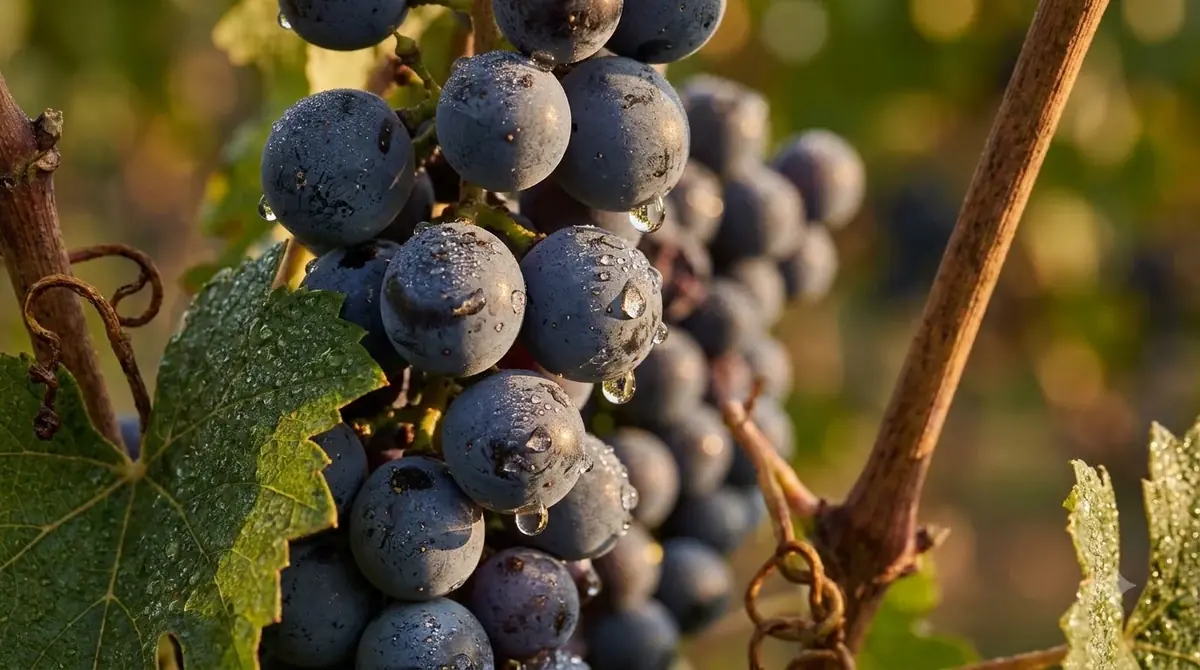
Petite Sirah is commonly associated with deep color, concentrated dark-fruit flavors, and substantial tannin. In a blend, it can provide structure and intensity. These characteristics help explain why Petite Sirah is a relevant grape when considering the richer profile associated with some Apothic Crush releases.
However, the finished wine should not be judged by the grape alone. Blending proportions, ripeness, winemaking decisions, and the characteristics of other varieties all influence the final result. A red blend can have a softer overall impression than someone might expect from one of its individual grapes.
Pinot Noir and fruit expression
Pinot Noir is generally associated with red cherry, raspberry, and other fresh-fruit characteristics. Its tannin is typically low to medium, while its acidity is often relatively high. In a blend, those qualities can contribute aromatic freshness and help balance richer components.
The archived 2015 Apothic Crush technical document identifies Pinot Noir among the lead varietals. It also describes a cold-soaking period of two to three days for the Pinot Noir before fermentation. That information belongs to the 2015 production notes and should not be presented as a guaranteed procedure for every later release.
Zinfandel and ripe fruit
Zinfandel is another grape that can contribute generous fruit character. Depending on the wine’s growing conditions and winemaking style, it may show ripe berry, plum, and spice characteristics. It can also contribute a relatively substantial alcohol level and a fuller impression.
Wine.com’s 2020 listing specifically names Zinfandel alongside Petite Sirah and Pinot Noir. That makes the three-grape description a useful reference for that release, although it does not establish the exact proportions of the blend.
Soft red blends versus traditional dry reds
The broader category of soft red blends includes wines designed around approachable texture, ripe fruit, and moderate or rounded tannin. This category is not a formal guarantee of sweetness. Some examples are dry, while others have perceptible residual sugar or particularly ripe fruit characteristics.
Traditional dry reds can also be fruit-forward, but they may emphasize different structural qualities. Cabernet Sauvignon typically has high tannin, Merlot has medium and generally softer tannin, and Pinot Noir usually has lower to medium tannin with higher acidity. These differences are helpful when deciding whether Crush’s soft-blend positioning matches your preferred style.
For a wider comparison of producers and wine categories, the Wine Brands resource can help put Apothic into the context of other recognizable wine labels.
Common Mistakes When Choosing Apothic Crush
Most buying mistakes involve confusing fruitiness with sweetness, treating older technical details as current specifications, or choosing the wine without considering food and serving temperature. Paying attention to these distinctions gives a more realistic picture of what to expect.
Assuming that fruit-forward means sweet
Black cherry and raspberry aromas can create an impression of sweetness even when a wine’s actual residual sugar is relatively low. The same is true of caramel and milk chocolate aromas, which are sensory characteristics rather than direct measurements of sugar content.
Apothic’s current description focuses on dark fruit, caramel, and milk chocolate. Those notes explain its aromatic style but do not provide a precise sweetness classification. Someone who needs a measured sweetness specification should not substitute a tasting description for a technical analysis.
Using an older grape recipe as a current specification
The archived 2015 technical document identifies Petite Sirah and Pinot Noir as the lead varietals. Wine.com’s 2020 listing includes Zinfandel as well. Neither source establishes that all releases have the same proportions or composition.
This distinction is especially important for consumers who select wines based on a particular grape. If Pinot Noir is a favorite, for example, its presence in an older blend does not establish how prominent it is in another release.
Confusing alcohol percentages between listings
Alcohol percentages can differ between product listings, particularly when information refers to different vintages or bottle specifications. The Wine.com 2020 entry gives 13.9% ABV, whereas other listings have displayed 14.5%.
It is better to treat those as separate product references than to assume one figure applies to every bottle. For a shopper comparing alcohol levels, even a modest difference can affect the decision about which style to purchase.
Serving the wine too warm
Red wine is often served too warm because people assume that every red belongs at ordinary room temperature. A warm room can make alcohol seem more prominent and can diminish the refreshing side of the fruit profile.
For a fruit-forward red such as Crush, a serving temperature around 60 to 65 degrees Fahrenheit is a practical starting point. A brief period in the refrigerator before serving can help bring the wine into that range, particularly in a warm dining room.
Pairing it with overly delicate food
A richly flavored red can overwhelm dishes with delicate aromas. Oily fish can also clash with tannic reds, while very acidic foods may make a less-acidic wine seem comparatively flat.
Crush is more naturally suited to dishes with enough flavor and richness to stand alongside its dark-fruit and chocolate characteristics. Grilled meats, aged cheese, and appropriately seasoned dishes are more promising starting points than delicate white fish or lightly dressed salads.
Care and Storage Tips
Proper storage and serving can make a noticeable difference to the experience of Apothic Crush. Keep an unopened bottle away from excessive heat and sunlight, and serve the wine slightly cooler than a typical warm room rather than allowing it to become overly warm.
Storing an unopened bottle
For longer storage, keep wine near 55 degrees Fahrenheit in a relatively stable environment. Avoid locations where temperatures fluctuate dramatically, such as a kitchen shelf beside an oven or a sunny countertop.
Traditional cork-closed bottles are generally stored on their sides to keep the cork from drying out. This is particularly relevant for bottles being kept for an extended period. A short-term bottle intended for an upcoming dinner does not require elaborate cellar arrangements, but avoiding direct sunlight and heat is still sensible.
Apothic Crush is positioned as an approachable wine for relatively casual enjoyment. There is no need to assume that it requires lengthy cellaring or complicated preparation before opening. A stable, cool storage area is a more practical choice for most households.
Choosing the right serving temperature
Light red wines are commonly served around 55 to 60 degrees Fahrenheit, while fuller red wines are generally served around 60 to 65 degrees Fahrenheit. Given Crush’s fruit-forward profile and medium-bodied retail descriptions, the fuller-red range provides a useful starting point.
Try serving it around 60 to 63 degrees Fahrenheit. This can help retain the fruit expression while reducing the impression of alcohol warmth. If the bottle is stored at ordinary room temperature, a short refrigerator visit can bring it closer to the desired serving range.
Opening and pouring
A standard 750 ml bottle provides approximately five 5 oz glasses. That is a useful planning measurement when preparing a small dinner or deciding how many bottles are appropriate for a gathering.
Pouring smaller servings also leaves room in the glass for aromas to develop. A generously sized red-wine glass is suitable, but an expensive specialist glass is not necessary to enjoy the wine. Allowing the wine a few minutes in the glass can reveal more of its fruit and chocolate-like aromatic characteristics.
Keeping an opened bottle fresh
After opening, reseal the bottle and place it in the refrigerator. Even red wine generally benefits from refrigeration after opening because cooler temperatures slow oxidation and help preserve its remaining fruit character.
For most opened still wines, three to five days is a useful general storage window, although freshness varies with exposure to air, storage conditions, and the wine itself. Before serving again, remove the bottle from the refrigerator long enough to bring it toward its preferred drinking temperature.
If the wine develops noticeably dull fruit, an unpleasant oxidized aroma, or an unappealing flavor, it may no longer be enjoyable. Good storage helps preserve quality, but it cannot reverse oxidation that has already occurred.
Frequently Asked Questions
Is Apothic Crush made from organic grapes?
The producer’s current product description does not identify Apothic Crush as an organic wine or provide an organic certification. A California origin alone does not establish organic farming practices. Shoppers specifically seeking certified organic wine should look for an applicable certification on the particular bottle.
Is Apothic Crush a vintage-dated wine?
Individual retail listings can identify specific releases, including the 2020 bottling listed by Wine.com. However, the producer’s current product page does not present a single vintage as a universal specification for Crush. The vintage information should therefore be considered bottle-specific rather than assumed from the product name alone.
Does Apothic Crush need decanting?
Most casual servings do not require extended decanting. Unlike an older structured red that may need separation from sediment, a fruit-forward everyday blend can generally be poured directly from the bottle. Allowing a glass to stand for several minutes is usually sufficient for an informal dinner.
Can Apothic Crush be used in a red wine sauce?
It can be used in a sauce where ripe fruit and caramel-like characteristics are welcome, particularly with beef or pork. However, the finished sauce may retain some of the wine’s fruit-forward character. A drier, more acidic red may be preferable for a traditional savory reduction that requires less apparent sweetness.
Does Apothic Crush contain sulfites?
Retail product information for Apothic Crush includes a sulfites warning. Sulfites are commonly present in wine as naturally occurring fermentation byproducts and may also be used in winemaking. Consumers who need ingredient or allergen information should consult the specific bottle and its current manufacturer information.
Apothic Crush makes the most sense for drinkers who appreciate soft California red blends, generous dark-fruit character, and caramel or chocolate-like aromas. Its pairing flexibility and approachable positioning make it a practical candidate for grilled dinners, aged cheeses, and fruit-based desserts. The main buying consideration is whether its ripe, smooth style matches your preference better than a drier, more structured red wine.
More in Wine Brands
 Louis Latour Wine Price: Compare Bottles by Style and TierUpdated Nov 20, 2026
 Yellow Tail Moscato Price: What to Expect Before You BuyUpdated Nov 20, 2026
 Sutter Home Sweet Red Review: Find the Right Food PairingsUpdated Nov 20, 2026
 Franzia Chillable Red Review: Find the Right Serving StyleUpdated Nov 20, 2026
 Veuve Clicquot Rose Review: Flavor, Food Pairings and Buying AdviceUpdated Nov 20, 2026
 Rombauer Wine Price: Compare Bottles Before You BuyUpdated Nov 20, 2026